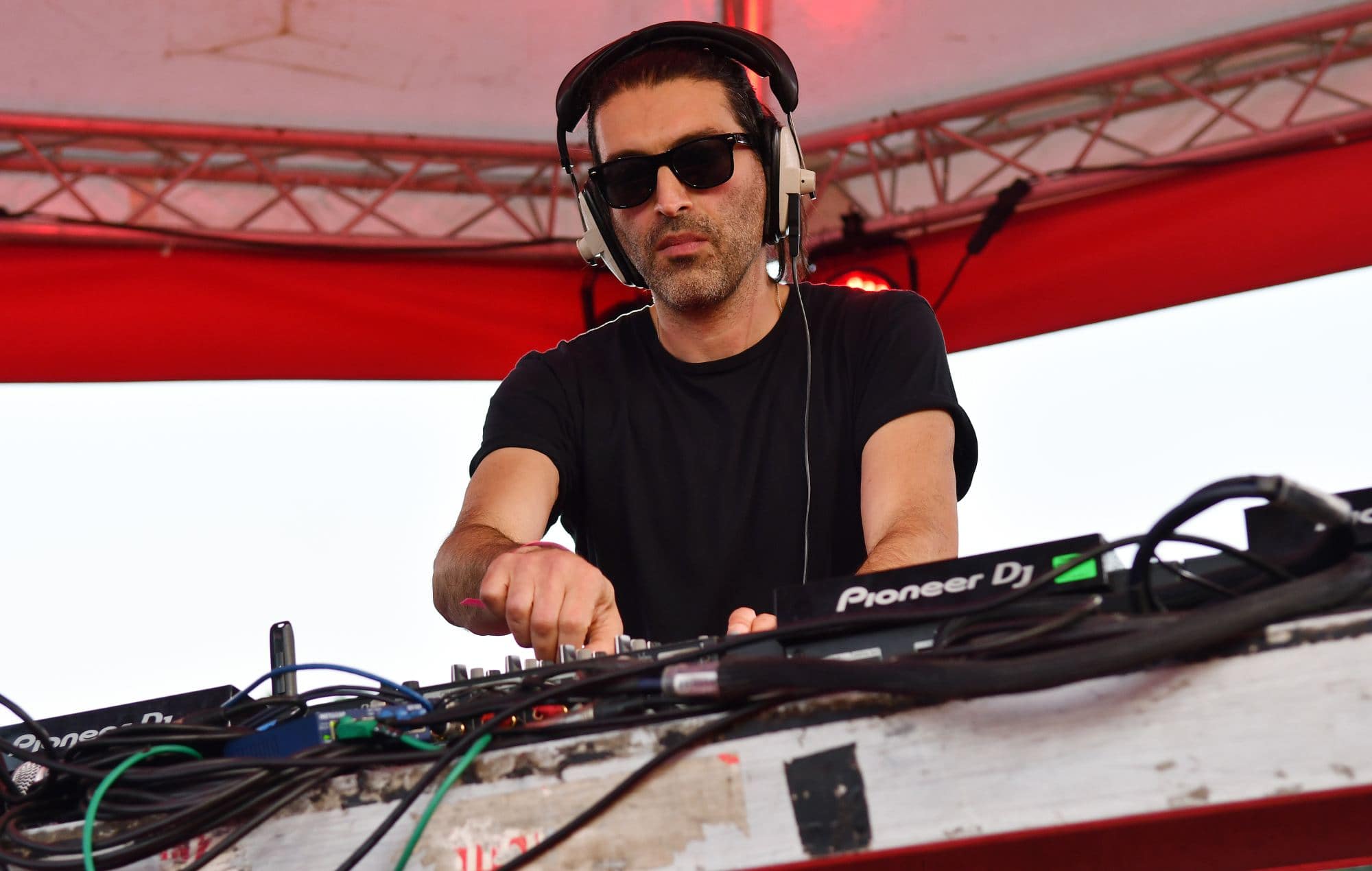
00s Electroclash: Erol Alkan on Trash, Freedom and Club Culture



00s Electroclash: Erol Alkan on Trash, Freedom and Club Culture
00s electroclash still echoes through club culture. Erol Alkan reflects on Trash, Bugged Out, digital privacy and the art of taking risks.
A Club Culture Time Capsule
Some club nights fade with the morning light. Others become part of musical folklore, passed from one generation of dancers to the next like a battered flyer tucked inside an old record sleeve. For Erol Alkan, Trash belongs firmly in the second category.
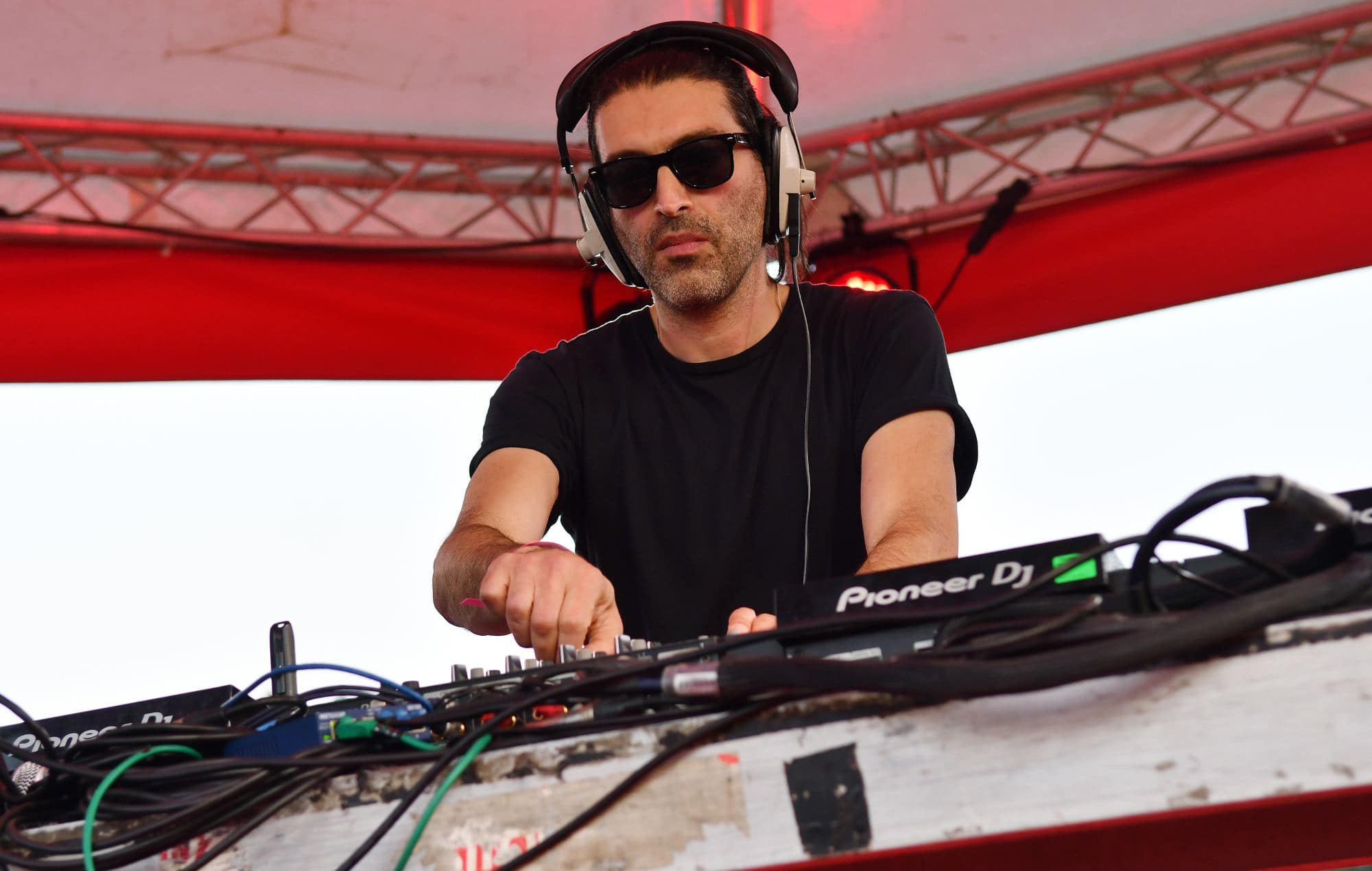
As he prepares to celebrate the era with a major London event and announces his upcoming book, Trash: A Club, A Sound, A Home, Alkan is looking back at the nights, sounds and strange creative chemistry that shaped early-2000s club culture.
The book grew out of two years of work and includes 70 hours of interviews with 39 people connected to Trash. Their memories are joined by Alkan’s own reflections on the club, the artists who passed through it and the atmosphere that made the night feel like a world of its own.
Trash began in Soho before moving to the West End, becoming a meeting point for garage rock, electroclash, indie, disco, punk and the emerging new-rave movement. Early performances from Yeah Yeah Yeahs, LCD Soundsystem, Peaches, Scissor Sisters, Bloc Party and Klaxons helped establish its reputation as a place where genres could collide without anyone asking permission.
Running from 1997 to 2007, the night was built around Alkan’s restless musical curiosity. His sets could leap from punk to pop, rock to disco, and then veer sharply toward the angular, synthetic edge of electroclash. It was gloriously unpredictable—the kind of programming that made you wonder what could possibly come next, then dance harder when the answer arrived.
How Electroclash Found Its Shape
That sense of discovery began before the scene had a name. Alkan remembers approaching the turn of the millennium while trying to understand what alternative culture actually meant. Dance music, particularly innovative sounds coming from Britain and France, became his main musical obsession.
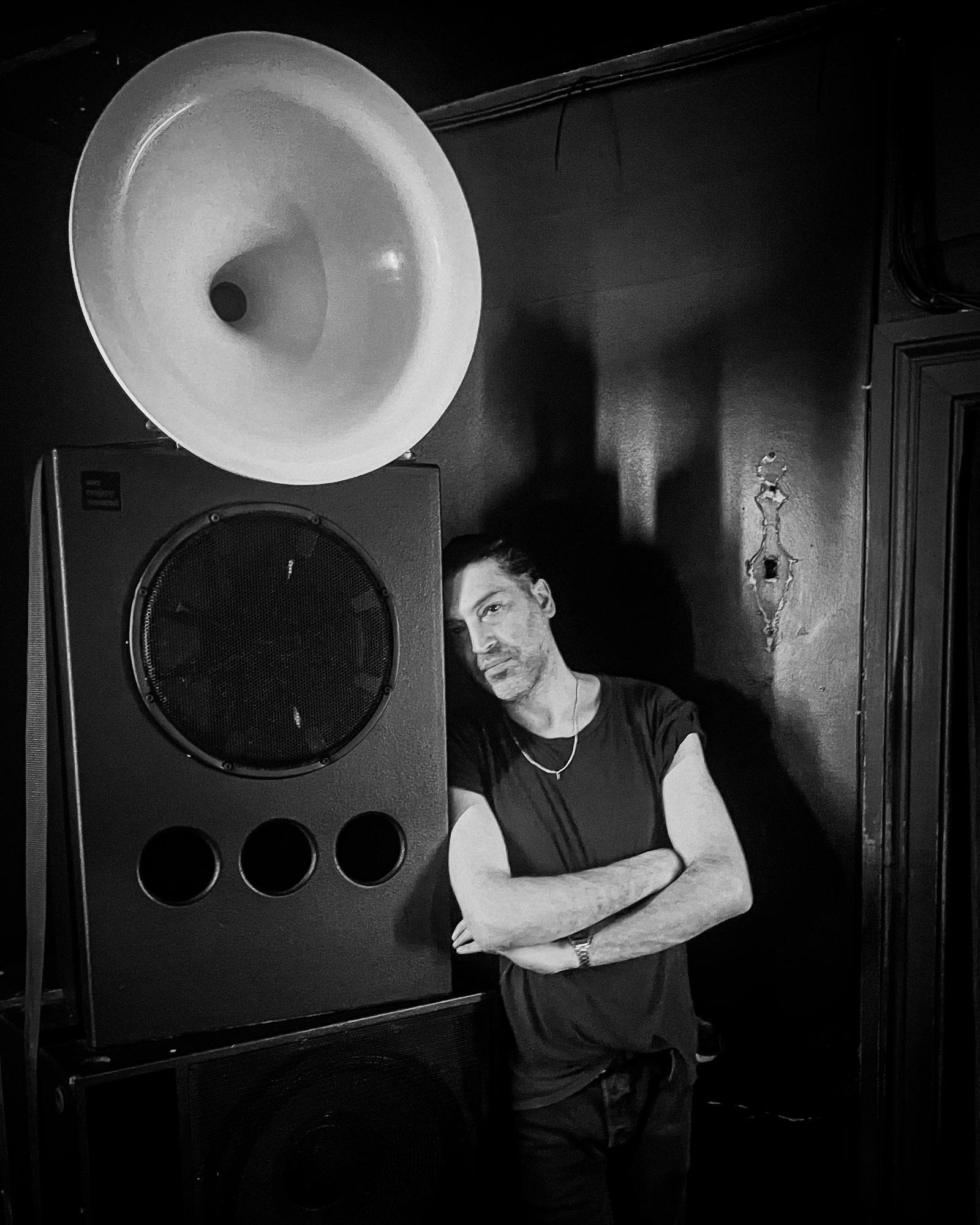
He kept alternative music and dance records side by side, both in his collection and in his personal listening. Nights at Bugged Out, including events at Fabric, helped turn that private fascination into something communal.
Alkan also remains an enthusiastic musical archivist. His collection of vintage music magazines acts as a kind of index, helping him locate less obvious records from the period—songs that may never have reached the charts but still carry the particular voltage he wants from a DJ set.
In his memory, electroclash was already taking shape in the late 1990s and early 2000s, even before anyone had settled on a label. It was less a formal movement than a loose group of artists and labels working with an alternative spirit. Then The Strokes and The White Stripes arrived, alongside the experiences Alkan was having at Trash, and those separate threads began to feel connected.
“All of this has value, all of this is brilliant, I believe in all of this, and you can dance to all of this.”
— Erol Alkan
That sentence gets to the heart of his approach. For Alkan, the dancefloor wasn’t a place where certain records had to earn their membership. A B-side could be just as powerful as a club classic if the DJ understood its character and knew when to place it.
Trash Was Built on Musical Tension
The magic of Alkan’s sets came from the connections between records that might look completely unrelated on paper. A Miss Kittin track could be followed, eventually, by a Manic Street Preachers B-side. The challenge was not simply to shock the room but to make the transition feel emotionally and musically convincing.
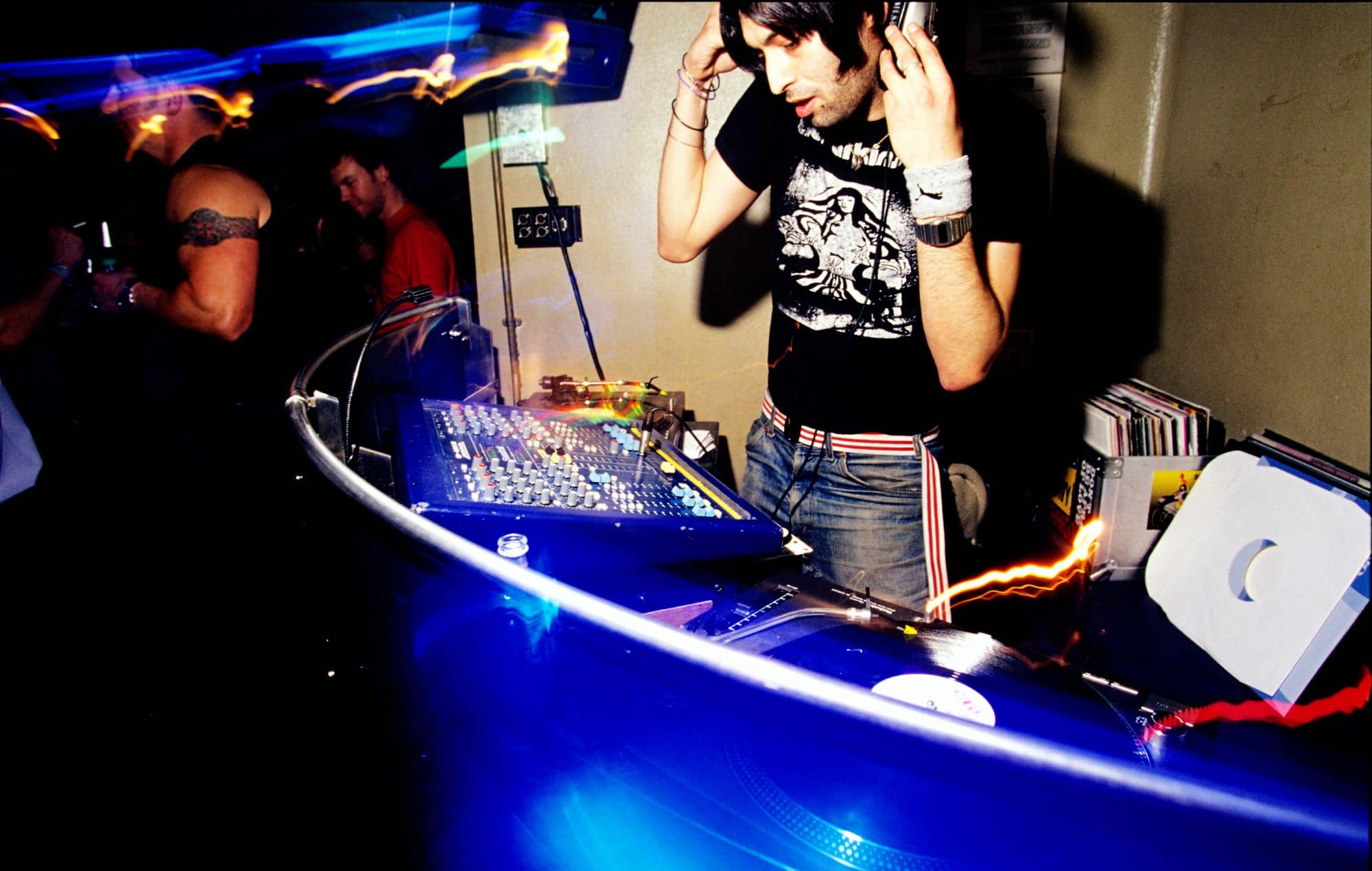
He describes the process almost scientifically. Each record had its own character, and the sequence was designed to move gradually toward somewhere new. The crowd might begin with The White Stripes, find itself three tracks later in the world of Felix Da Housecat and never experience the shift as a harsh break.
That was the larger mission behind Trash: proving that alternative records could make people dance with the same abandon as electronic club tracks. If the dancefloor accepted that idea, then the perception of indie clubs could change too. Instead of treating guitar music and dance music as opposing camps, Alkan wanted to show that they could share the same pulse.
The setlist, in that sense, became a story. Every song was a character, every transition a plot twist, and the DJ stood somewhere between narrator and mischievous guide.
Leading the Crowd Instead of Pleasing Everyone
A good club night changes as its audience changes. Alkan is clear that no promoter or DJ can expect permanent loyalty from everyone who walks through the door. Trying to hold on to every person, he suggests, is like trying to keep water in your hand: impossible, and a little ridiculous.
The goal is to leave each night knowing that you followed the idea in your head rather than sanding down every sharp edge to keep the room comfortable. Some people may leave. Others will understand exactly what you were trying to do and return for more.
That willingness to challenge listeners was central to Trash. Alkan believes a DJ should sometimes take the crowd somewhere unfamiliar. If nobody ever leaves the dancefloor, perhaps the set isn’t taking enough chances.
There’s a difference between pleasing people and leading them. The thrill, for him, comes when the audience accepts the risk and follows the music into unexpected territory.
Why “Indie Sleaze” Doesn’t Tell the Whole Story
The era has since been gathered under the retrospective label “indie sleaze,” but Alkan has mixed feelings about the word. He understands that younger generations reshape language and use old terms in new ways. Still, the original associations of “sleaze” don’t feel particularly flattering to him.
He connects the label more closely with the late-2000s American scene: a colorful, Los Angeles-influenced world linked to the post-new-rave moment, American Apparel aesthetics and the fashion-led side of indie culture. He also sees links to the Hedi Slimane-influenced strain of indie and the East London scene.
But he stresses that the alternative culture he remembers was much broader than that shorthand suggests. It was more eclectic, more varied and more musically adventurous. As a label, he can accept it. As a complete description of the period, it leaves plenty outside the frame.
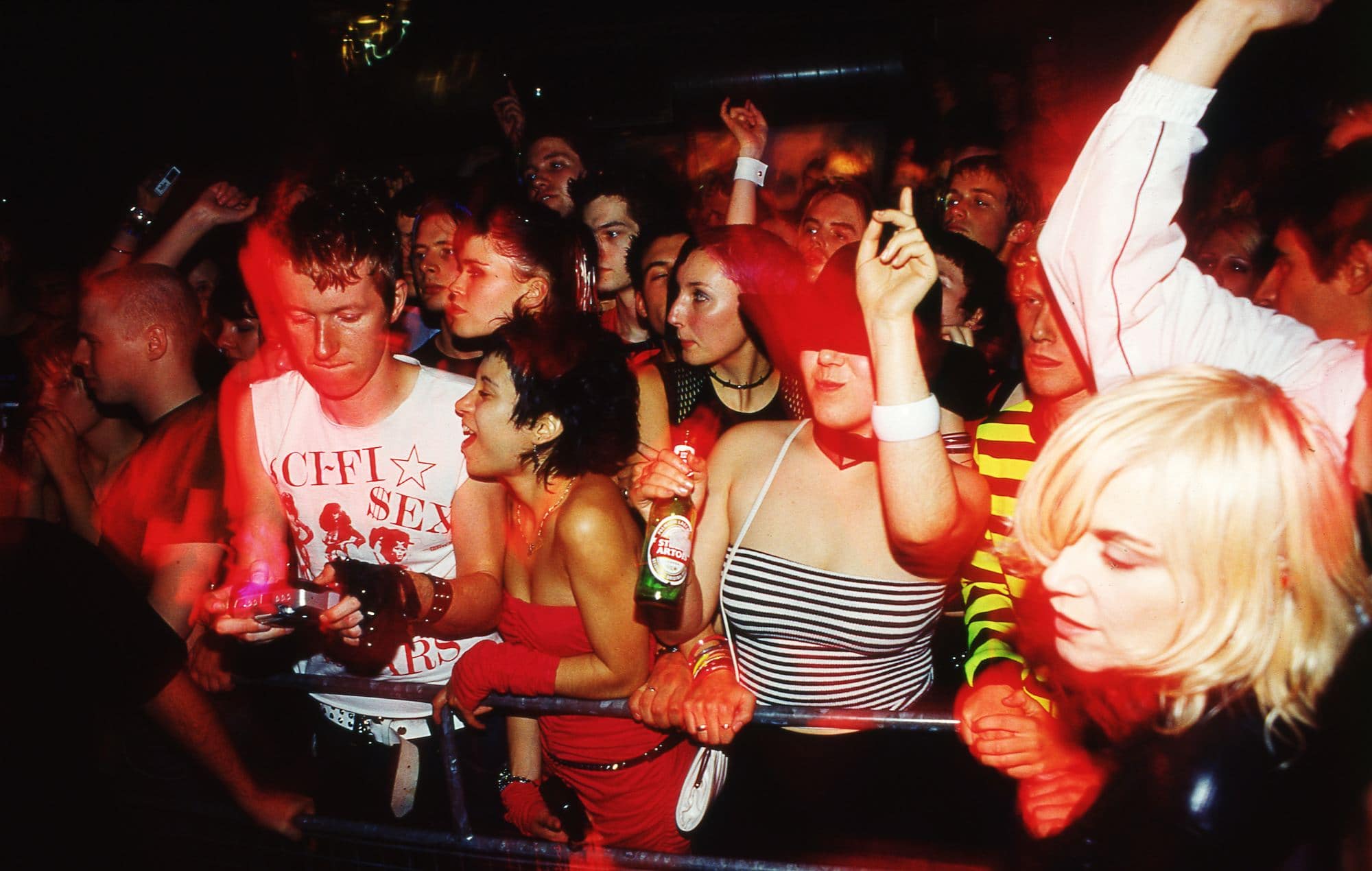
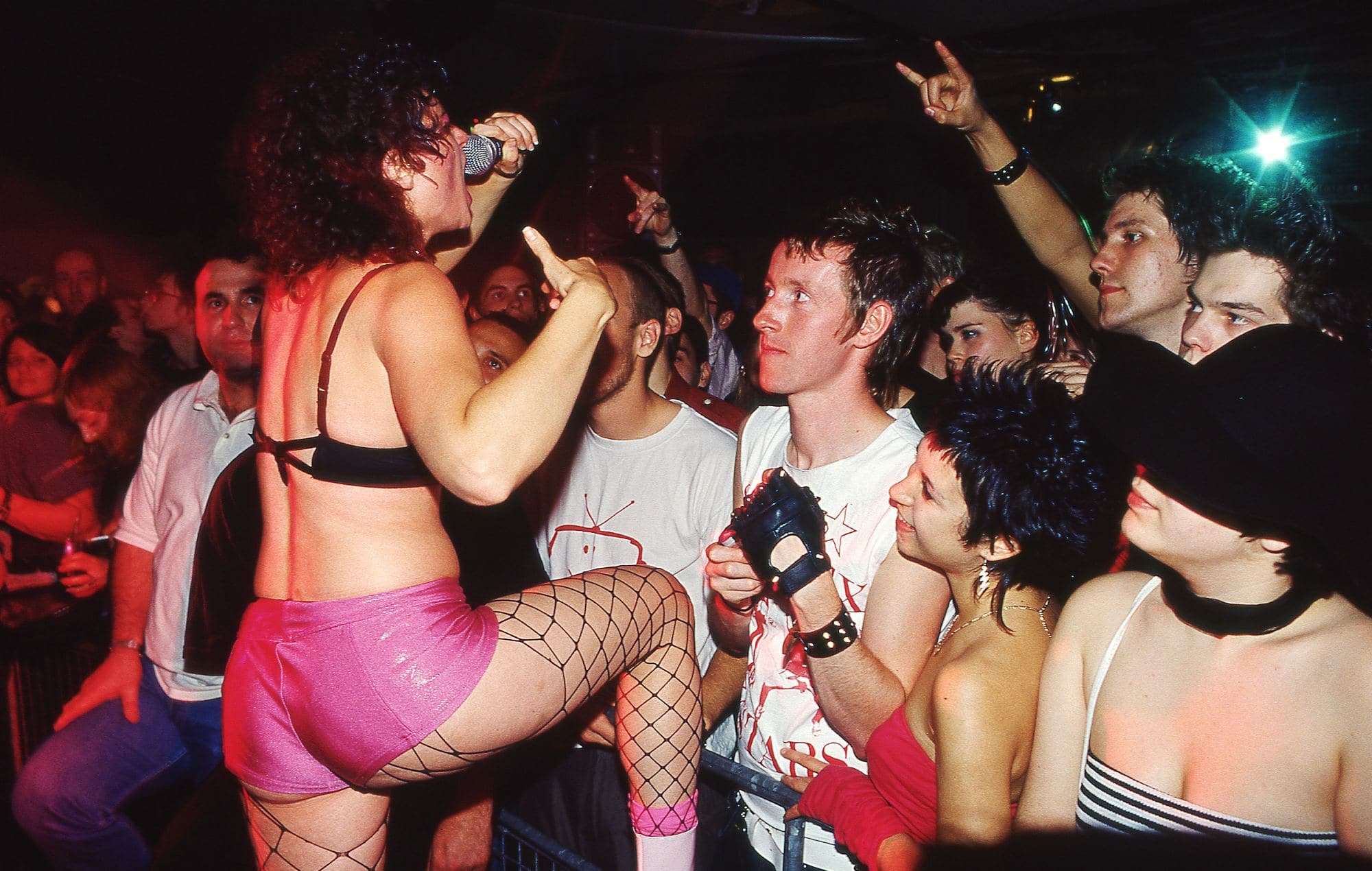
That distinction matters. Nostalgia often tidies up messy, complicated scenes and gives them a single color palette. The real club experience was louder, stranger and harder to categorize.
The Last Breath of an Analogue Night Out
One reason the 2000s continue to fascinate people is the sense that they represented the final stretch of nightlife before every moment became instantly shareable. Alkan remembers having a camera on his Nokia phone during the middle of the decade. The pictures were technically awful, but they had a certain charm precisely because they didn’t capture everything clearly.
Today, young people can feel watched by one another in clubs. A photo or video can travel across the world in seconds, with a person’s character judged from a single frozen moment. Alkan says he feels genuine sympathy for anyone trying to enjoy a night out under that pressure.
He isn’t romanticizing reckless behavior or encouraging people to misuse substances. His concern is privacy. Nobody should have their life interpreted by strangers because they happened to be caught on camera for a few seconds.
That is why phone-free events, covered camera lenses and pockets kept firmly zipped have become appealing to many people. Even in public, privacy still matters. The old paparazzi problem has effectively become part of everyday life, and the consequences can be wildly disproportionate to the original moment.
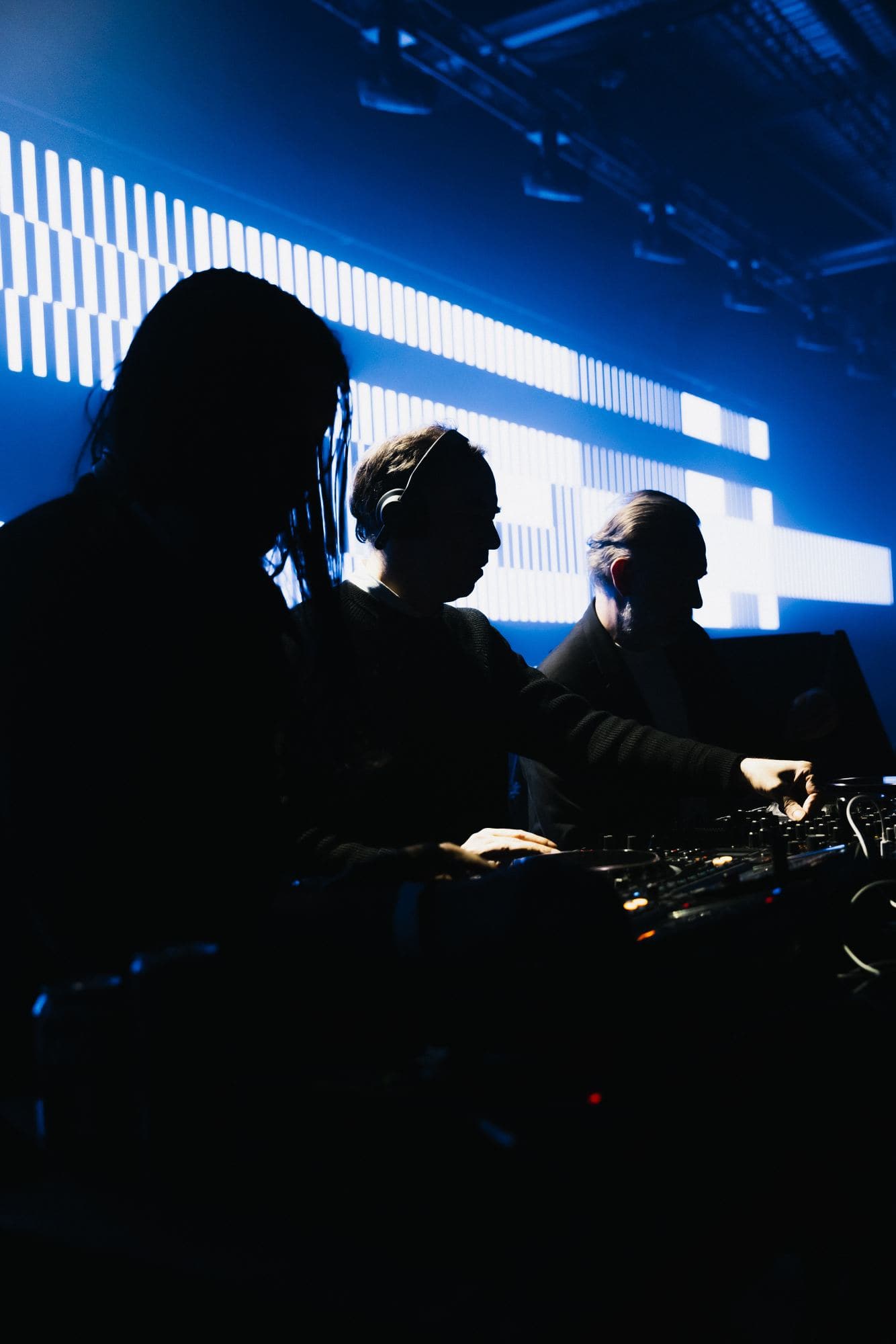
Still, Alkan sees younger audiences preserving some of that freedom. He appreciates that many people who attend his sets aren’t constantly holding phones in his face. Someone filming briefly doesn’t bother him; what matters is the atmosphere of mutual respect in the room.
Bugged Out Looks Forward, Not Just Back
Alkan’s upcoming appearance at Drumsheds forms part of Bugged Out’s “2001&On…” event, featuring 2ManyDJs, The Avalanches, Kittin & The Hacker, Felix Da Housecat, Friendly Fires and New Young Pony Club.
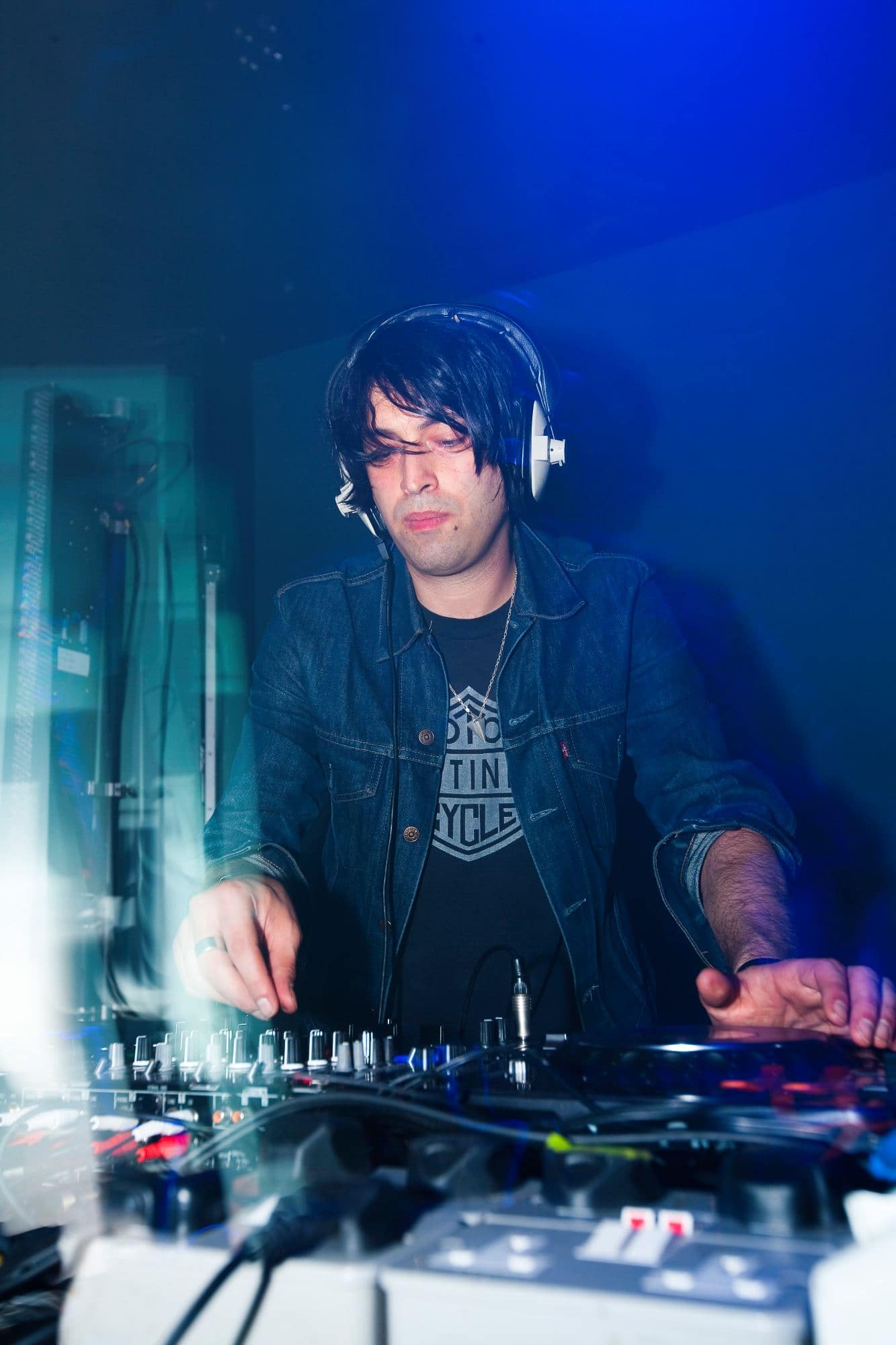
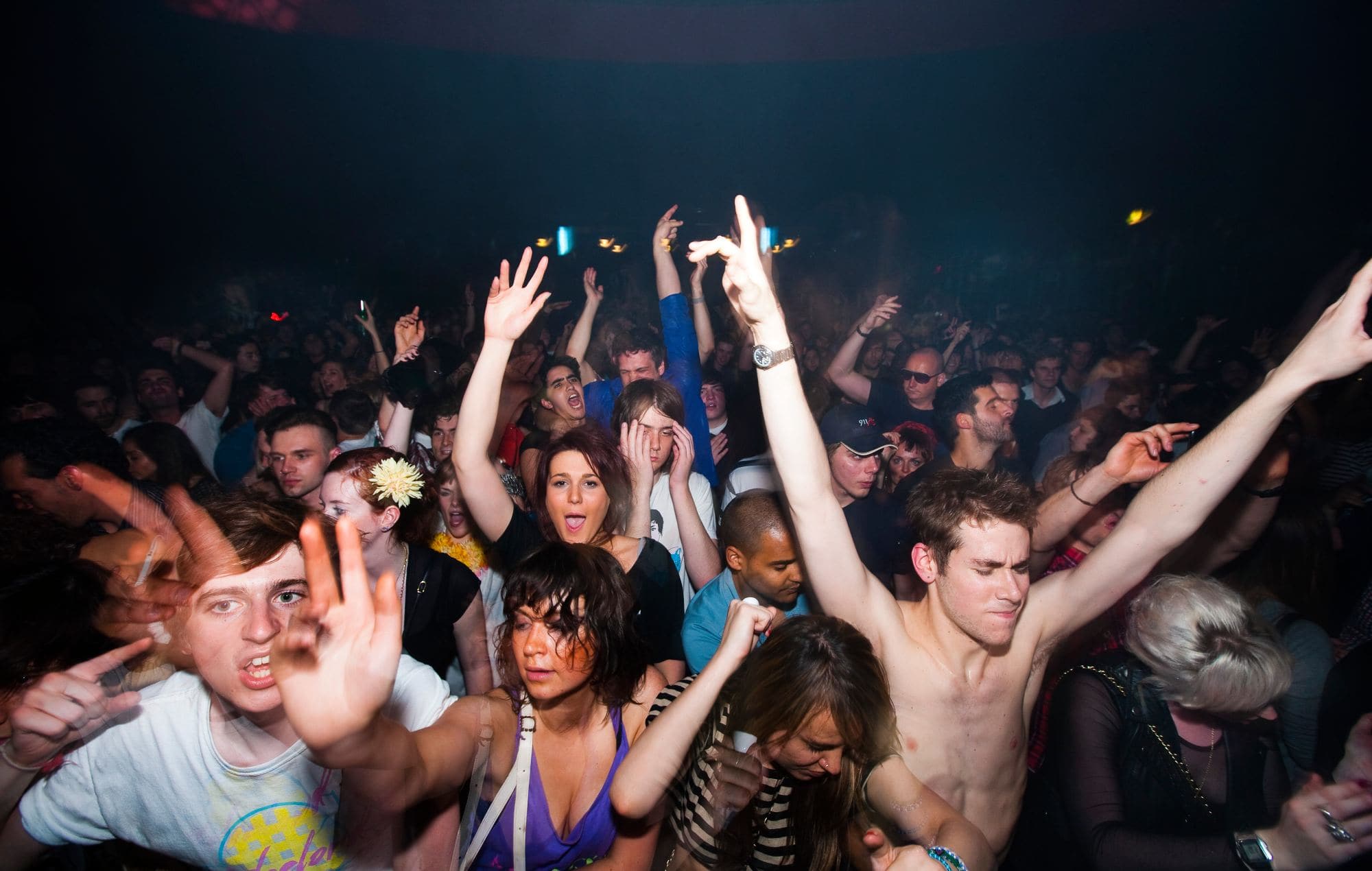
The event is tied to the music and artists prominent around 2001, but Alkan isn’t interested in recreating the past like a theme-park attraction. He doesn’t want to arrive with a rigid collection of old records and spend the night insisting that everything was better back then.
Instead, he plans to respond to the energy of the room. There will be nods to the period, naturally, but the set will depend on where he is in the night and who is standing in front of him. Some records from that time still sound fantastic. Just as importantly, newer music can capture the same urgency and electricity.
He is also eager to hear how the other performers approach the occasion. Many of them are longtime friends, but the common thread goes beyond friendship. They share a deep love of pop music and don’t appear interested in pretending they’ve never been fans themselves.
That openness is part of what Alkan values about Bugged Out. After decades of events, its continued relevance comes from staying alert rather than simply replaying its greatest memories. Alkan says the organization’s approach to dance events has been so important to his career that he wouldn’t be where he is without it.
Bugged Out’s “2001&On…” event is scheduled for Saturday, October 10, at London’s Drumsheds. Trash: A Club, A Sound, A Home is scheduled for publication by Faber on January 14, 2027.
The lasting appeal of 00s electroclash isn’t just the clothes, the flash photography or the thrill of hearing a guitar track collide with a machine-made beat. It’s the attitude behind it: stay curious, reject neat categories and trust the room enough to take a risk. Which Trash-era song still makes you want to run straight for the dancefloor?
FAQ
- What was Trash? Trash was a London club night founded and run by Erol Alkan from 1997 to 2007. It became known for blending indie, punk, rock, disco, electroclash and pop.
- Which artists performed at Trash? Early appearances included Yeah Yeah Yeahs, LCD Soundsystem, Peaches, Scissor Sisters, Bloc Party and Klaxons.
- What is Erol Alkan’s upcoming book called? The book is titled Trash: A Club, A Sound, A Home. It combines interviews with people connected to the club and Alkan’s own memories.
- How does Alkan describe his DJ style? He focuses on the character of each record and builds gradual connections between contrasting songs, allowing the set to move from indie and rock toward electronic music without feeling abrupt.
- Why does Alkan question the “indie sleaze” label? He understands why younger audiences use the term, but believes the alternative culture of the period was much wider, more diverse and more musically eclectic than the label suggests.
Bring a little of that fearless club spirit home with a favorite album cover poster from Architeg Prints. It’s a warm, stylish way to keep the soundtrack of your best nights on the wall.
 | DISCOUNTGET 30% OFF*Use code on your next order:
|
* This post may contain affiliate links, meaning we earn a commission if you make a purchase through these links, at no additional cost to you.