Andy Burnham Announces Business Rate Cuts for Music Venues, Clubs, and Pubs in England


 See more Architeg Prints stories on Google.
Andy Burnham Announces Business Rate Cuts for Music Venues, Clubs, and Pubs in England
Andy Burnham’s plan to reduce business rates for music venues, clubs, and pubs in England aims to boost local communities by shifting tax reliefs onto vape shops and other businesses.
A New Dawn for England’s Music Venues and Nightlife
If you've ever spent a night out dancing at your favorite club or enjoyed live music at a local pub, you know how much these places mean to our communities. Well, here's some exciting news: Andy Burnham, the new Prime Minister of the UK, has unveiled a bold plan to cut business rates by 20% for music venues, clubs, and pubs across England starting next year. This isn’t just a tax cut — it’s a lifeline to countless cherished local spaces that have been struggling to keep their doors open.
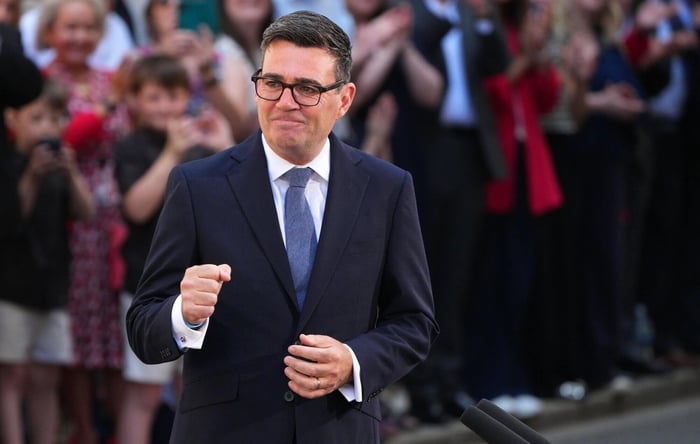
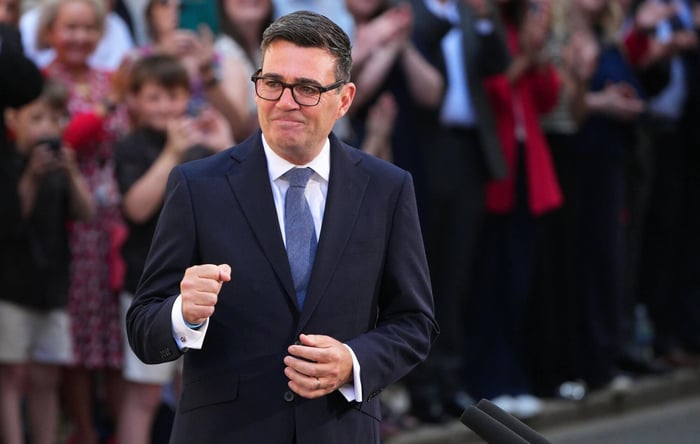
Andy Burnham, British Prime Minister and Labour Party Leader
This tax relief will save the typical pub around £1,100 annually, potentially helping 32,000 businesses that contribute to the vibrant nightlife and live music scene. The estimated cost? Around £100 million, which will be offset by revisiting tax reliefs granted to companies that arguably don’t enhance local communities – notably, vape shops.
Backing Local Businesses That Matter
Burnham’s commitment springs from a clear intention to “back the businesses that people want to see in their communities.” Many of us have witnessed the heartbreaking disappearance of beloved venues from our high streets — those friendly pubs, buzzing clubs, and intimate music spots that give towns their soul.
He’s not just cutting taxes willy-nilly. His government is also targeting companies that sell goods online but dodge their tax duties. Plus, Burnham hinted at raising the threshold for when business rates apply, possibly exempting many small local shops from paying altogether.
I’m giving thousands of pubs, clubs and music venues a 20% cut in business rates. I won’t stand by while these cherished local spaces disappear, replaced by boarded-up windows and ‘For Sale’ signs. They’re the heart of our communities and it’s time we backed them.
— Andy Burnham (@andyburnham)
What Industry Leaders Are Saying
The Music Venue Trust (MVT), a champion for grassroots music venues, greeted the announcement warmly. CEO Mark Davyd described the cut as “an encouraging first step” in restoring live music’s place at the heart of towns and cities. Yet, he also stressed the importance of ensuring all live music spaces, regardless of size, qualify for support. Smaller venues are the backbone of the music ecosystem — nurturing talent and energizing local economies.

Mark Davyd urges the government to include all live music venues in the relief plan.
Davyd also called on regional governments in Wales, Scotland, and Northern Ireland to match this support, creating a level playing field for touring artists across the UK.
Michael Kill, CEO of the Night Time Industries Association, echoed this enthusiasm. He highlighted the inclusion of clubs alongside pubs and live music venues as “particularly important,” recognizing their crucial role in the night-time economy. For businesses grappling with soaring costs, the business rate reduction offers “meaningful relief” and a fresh breath of optimism.
Kill also looked forward to the full details expected at the autumn Budget, particularly seeking clarity on why the largest live music venues will be excluded and pressing for the broadest possible support for the sector.
This reduction in business rates is a welcome move for all those who cherish the magic of nights out at venues like Oasis and Wolf Alice, whose live shows light up local scenes.
Other Early Moves by Burnham’s Government
This music-friendly tax cut is just one of several initiatives introduced since Burnham took office. Household electricity bills will see a VAT reduction starting October, easing the pinch on families. And from January 2027, bus journeys outside London will be capped at £2, making travel more affordable — a move that could indirectly help nightlife and music fans get out and about.
The Stakes for Grassroots Music Are High
The timing of this announcement couldn’t be better. The live music sector has endured a punishing run. The Music Venue Trust’s 2025 annual report painted a grim picture: between July 2024 and July 2025, 30 grassroots venues closed for good, and another 48 stopped hosting gigs. Nearly 54% of these venues reported no profits over the past year, with an average profit margin of just 2.5%. The sector also lost over 6,000 jobs annually — a blow that ripples through communities.

Many grassroots venues are struggling to survive, making this tax relief critical.
Against this backdrop, the government’s recently unveiled £45 million ‘Music Plan’ aims to support over 40,000 artists and businesses, fund 2,000 projects, and inspire millions of children through music over the next three years. This plan also hopes to make music opportunities more accessible to working-class communities, expanding the talent pipeline.
Andy Burnham himself is no stranger to music advocacy. Known for his passion for music, he has supported the idea of introducing a £1 ticket levy on large arena gigs, with the proceeds funneled back into grassroots venues to nurture emerging artists. Fans of The Smiths would appreciate the importance of such support for musical heritage and future talent.
The Road Ahead: Tackling Touring Barriers and Ticket Touts
While this tax cut is a welcome relief, the live music world still faces significant challenges. Among them are the high costs and red tape caused by post-Brexit touring complications—a notorious headache for UK artists trying to perform in Europe.
There’s also pressure on the government to tighten copyright exceptions related to artificial intelligence, ensuring artists’ works aren’t used without permission. And ticket touting remains a thorny issue. The government is actively working on legislation to ban secondary ticket sales by touts, aiming to keep every penny fans spend on tickets within the industry and out of scalpers' pockets.
Ian Murray MP, Minister for Creative Industries, Media and Arts, recently emphasized the government’s commitment to delivering this anti-tout legislation within the current parliamentary term.
We want to get this bill through, I am personally committed to it, the secretary of state is too, and it’s a great news story for fans. We need to make sure that every single penny that fans spend on tickets is going back into the industry and not into the pockets of touts.
— Ian Murray MP
FAQ
- How much will pubs and music venues save with the new business rate cut?
A typical UK pub is expected to save around £1,100 annually due to the 20% business rate reduction. - Will this tax cut apply to all music venues?
The cut will benefit most live music venues but excludes the largest venues such as arenas. - How is the government funding this business rate cut?
The £100 million cost will be offset by reviewing tax reliefs for companies that do not positively contribute to local communities, including vape shops. - Are other sectors benefiting from Burnham's policies?
Yes, other measures include cutting VAT on household electricity bills and capping bus fares outside London at £2 from January 2027. - What is the government doing about ticket touting?
Legislation is underway to ban secondary ticket sales by touts, with a commitment to pass this bill during the current term.
If you cherish the magic of live music and the warmth of local pubs, why not bring that vibe home? Shop your favorite album cover poster at our store here and keep the spirit of grassroots music alive.
 | DISCOUNTGET 30% OFF*Use code on your next order:
|
* This post may contain affiliate links, meaning we earn a commission if you make a purchase through these links, at no additional cost to you.