Apple Introduces Auto-Pairing for Third-Party Accessories Under EU Pressure


 See more Architeg Prints stories on Google.
Apple Introduces Auto-Pairing for Third-Party Accessories Under EU Pressure
Apple’s new automatic pairing feature for third-party accessories promises seamless connection—starting with Europe—changing the way we sync gadgets.
A Game-Changer for Apple Users and Accessory Makers
If you’re an Apple fan like me, you’ve probably reveled in that magical moment when your Apple AirPods instantly pop up on your iPhone, iPad, Mac, and other Apple devices without a hitch. It’s one of those sleek, behind-the-scenes features that makes Apple’s ecosystem feel like pure tech poetry.
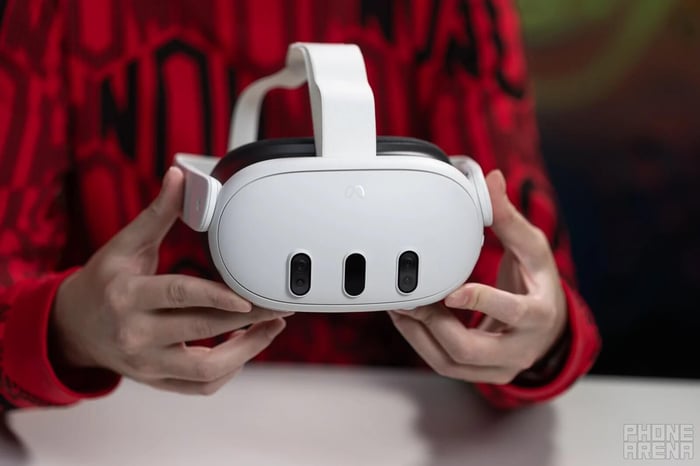
But here’s the kicker: until now, this automatic pairing was exclusively Apple’s playground. Third-party accessory makers—think smart glasses or Meta’s Quest headsets—were left out in the cold, forced to settle for clunky manual Bluetooth connections. That’s all about to change.
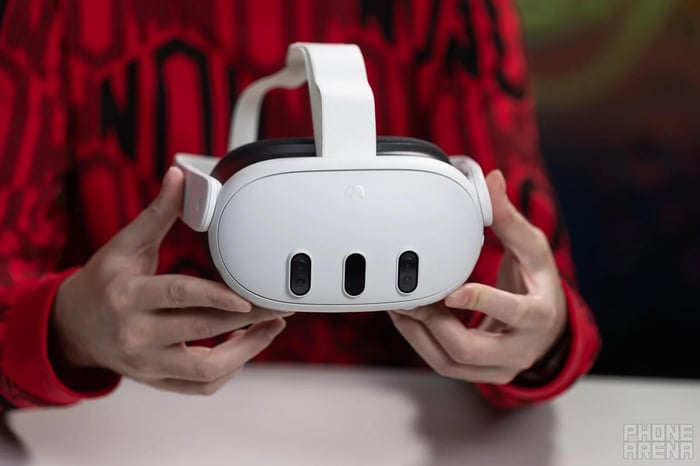
Apple is crafting a new system that will bring this fuss-free automatic pairing magic to third-party gadgets. Imagine smart Ray-Ban glasses or Meta Quest headsets syncing as effortlessly as your AirPods do today. This innovation isn’t just a tech upgrade—it’s the result of a months-long negotiation and regulatory pressure from the European Union that’s reshaping how Apple opens its ecosystem.
EU Regulatory Influence Sparks Innovation
The backstory here is as fascinating as the tech itself. In October 2025, Meta formally petitioned EU regulators for device compatibility, triggering a heated public debate among tech titans. The EU’s push for interoperability forced Apple to rethink its traditionally closed ecosystem.
This shift signals a new era where third-party accessories can enjoy the same seamless integration Apple’s own devices have relished for years.
Geographic Limits: Europe Gets First Dibs
Here’s where things get a little tricky—and a bit controversial.
Apple has made it clear that this automatic pairing feature will roll out only in European countries, strictly complying with EU’s 2025 compatibility mandates. Meanwhile, Meta isn’t thrilled about this geographic restriction; they want to maintain their current wireless pairing methods globally.
Apple, however, stands firm, noting that other developers have adapted smoothly to the new EU rules. This exclusivity hasn’t gone unnoticed by Apple fans worldwide, sparking debates on tech forums about whether this is just another way Apple keeps users locked inside its ecosystem, at least beyond Europe.
When Can We Expect the Change?
So, if you’re in Europe, hold tight—Apple engineers are targeting a spring 2027 finish line for the technical rollout of this feature. Updates will start hitting user devices soon after.
That means we won’t see this in iOS 27’s launch this fall alongside the new iPhone 18 series and the intriguing foldable iPhone Ultra. Instead, expect it to debut in the incremental software updates that follow.
What This Means for Buyers
Watch out for regional roadblocks: If you pick up a pair of smart glasses or headphones from a third-party brand hoping for that slick quick pairing, it won’t activate on Apple devices set up outside the EU. Instead, you’ll have to rely on traditional Bluetooth setups—far less seamless and a bit more of a hassle.
Bottom line: EU regulations are gently tearing down Apple’s walled garden, ushering in a more open future. But for now, this welcomed progress is tethered to legal mandates and limited regions. Most Apple users worldwide will still face artificial hurdles connecting non-Apple gear.
“The new system will ensure quick automatic pairing for smart glasses Ray-Ban and Quest headsets from Meta.” – paraphrased from original reports
Final Thoughts
This move by Apple is an exciting glimpse into a more connected future where your favorite gadgets just work together—no matter the brand. Yet, the patchy rollout and regional constraints serve as a reminder: tech progress often dances to the tune of regulation and corporate strategy.
What do you think? Would you welcome this automatic pairing feature worldwide, or do you see some value in keeping ecosystems tightly controlled? Let’s chat in the comments!
FAQ
- Will Apple’s automatic pairing for third-party accessories work outside Europe?
No, initially, this feature will be available only in European countries due to regulatory requirements. - Which accessories will benefit from the new automatic pairing?
Smart glasses like Ray-Ban and Meta Quest headsets are among the first to get this feature. - When is the rollout expected for Apple users?
Apple plans to complete development by spring 2027, with updates rolling out shortly after. - Will this feature be part of iOS 27?
No, it won’t appear at iOS 27’s launch but is expected in later updates. - Why is Apple limiting this feature geographically?
The limitation complies with EU regulations; Apple has chosen not to extend it beyond Europe yet.
Ready to celebrate your favorite music and tech moments? Shop your favorite album cover posters and more at our store to bring that tech nostalgia home with style. Explore the collection.
 | DISCOUNTGET 30% OFF*Use code on your next order:
|
* This post may contain affiliate links, meaning we earn a commission if you make a purchase through these links, at no additional cost to you.