BBC Funding Fight: Why Our BBC, Our Music Matters to UK Artists



BBC Funding Fight: Why Our BBC, Our Music Matters to UK Artists
BBC funding is under review, and music leaders say protecting it is essential for emerging artists, regional creativity, and the wider UK music economy.
A campaign built around music’s future
What happens when the platform that helps artists get heard is placed under financial pressure? For UK Music, the answer is clear: speak up before opportunity becomes another casualty of the budget spreadsheet.
The organization has launched the Our BBC: Our Music campaign, calling for the protection of the BBC’s government funding so it can continue creating opportunities for emerging talent across the country. The campaign was formally presented in Parliament on Monday, October 19, where MPs, music-industry leaders, broadcasters, and artists made the case that the BBC remains a crucial part of the UK’s creative infrastructure.
Their message was urgent. In what speakers described as “very challenging times,” the country cannot afford to lose its creative ambition. That argument sits at the heart of the BBC funding debate: this isn’t only about radio schedules or television budgets. It’s about who gets heard, where careers begin, and whether music fans can continue to encounter artists beyond the usual commercial lanes.
Why the BBC’s funding review matters
The campaign arrives as the UK Government carries out a two-year Royal Charter Review. The process examines the BBC’s funding model ahead of a new charter being granted in 2027.
At the same time, the corporation is dealing with continuing financial pressure. Those difficulties have already led to a 10 percent reduction in its workforce, raising fresh concerns about how much room will remain for specialist music programming, regional broadcasting, and artist development.
The people behind Our BBC: Our Music argue that ministers should invest in the BBC proportionately because its value reaches far beyond the corporation itself. The music sector contributes £8 billion to the UK economy and supports 220,000 jobs, according to BBC Director of Music Lorna Clarke. The BBC’s contribution, she said, represents a meaningful share of that wider creative ecosystem.
That ecosystem can be easy to overlook until you’ve experienced it firsthand. A song played on the radio may feel like a small moment—a few minutes between traffic updates and the next presenter link—but for an emerging artist, it can be the first crack of daylight through a very stubborn door.
Regional impact is more than a headline
Clarke used BBC Radio 1’s Big Weekend to show how music broadcasting can create economic activity outside London. When the event traveled to Dundee, Scotland, its impact was independently measured at £3.7 million in stimulated growth.
That figure matters because it turns an abstract cultural argument into something tangible. A major music event brings more than performances. It supports hospitality, transport, local businesses, production teams, venues, freelancers, and the communities that welcome the audience.
“When Radio 1 bring their [Big Weekend] event to town, it matters,” Clarke explained. “Dundee and Scotland was significant, and when independently measured, stimulated growth of £3.7million.”
The wider point is simple: BBC music initiatives can place regional talent and regional economies in the same frame. That matters in a country where opportunity is often concentrated in a handful of major cities.
A broader range of voices on the radio
Clarke also highlighted the changing role of BBC Radio 2. The number of commissions won and produced by independent companies has risen from 22 percent to 42 percent in less than a decade, she said. That increase has helped bring more recognition to talent working outside London.
The BBC’s support for emerging musicians was another central part of her remarks. According to Clarke, the number of different pieces of music played across BBC music platforms in seven days is comparable to what competitors play in 365 days.
That comparison gets to the heart of why public-service broadcasting remains important to artists and listeners alike. Commercial radio often has to focus on proven audience behavior. The BBC has a responsibility to make space for discovery, variety, and music that may not yet come with a familiar name attached.
Radio 1 still reaches 8 million people each week, Clarke noted, but scale also brings responsibility. As audiences change the way they listen to and watch music, the BBC has adapted while retaining its public purpose: offering value to everyone.
“We simply can’t lose our creative ambition… Radio 1 still reaches 8million people every week. But with scale comes responsibility.”
— Lorna Clarke
BBC Introducing gives new artists a starting line
Before performances by Newcastle-born alternative pop artist Imogen And The Knife and cellist Sheku Kanneh-Mason, UK Music chief executive Tom Kiehl spoke about the campaign’s central concern.
His argument was direct: the BBC is vital to music, and music is vital to the BBC.
Kiehl pointed to data from PRS showing that more than 140,000 pieces of music were played across BBC radio stations in 2025. Seventy-seven percent of those tracks, he said, were not played on other commercial radio stations.
That kind of reach can be career-changing. BBC Introducing, in particular, creates an environment where experimentation is encouraged, underserved genres receive support, and emerging artists can build audiences. It functions as a testing ground, a spotlight, and sometimes a lifeline—all at once.
The campaign is especially important because the next decision on the BBC’s Royal Charter is approaching. Kiehl urged supporters not to become complacent, warning that goodwill alone cannot protect the future of music during a period of economic uncertainty.
“We cannot solely provide goodwill in order to secure the beauty of music.”
— Tom Kiehl
He added that the campaign is intended to show the government why sustainable BBC funding matters not only to the UK economy and the 220,000 people working in the music industry, but also to every music fan.
Guy Garvey remembers the moment everything changed
The evening also featured performances from British singer-songwriter The Anchoress, while Guy Garvey reflected on the BBC’s impact on his own career.
Garvey recalled driving into Manchester when Elbow’s song “Powder Blue” began playing on the stereo. At first, he thought the cassette had somehow started. Then he realized the voice coming through the speakers was John Peel playing the band on the radio for the first time.
For Garvey, it was one of those tiny, cinematic moments that music fans never forget. A car, a song, a familiar voice—and suddenly the world feels slightly larger.
The airplay helped change Elbow’s trajectory. The band secured its first record deal with Island because of the BBC. Even after being dropped by the label, the group found its way back after BBC Radio 1 played the seven-minute “prog epic” “Newborn” every day for a week.
“It changed our lives. Things started moving for us, and we got our first record deal with Island because of the BBC.”
— Guy Garvey
Elbow were later nominated for the Mercury Prize, which was broadcast by the BBC, and found a growing audience through sessions on Radio 1, Radio 2, and 6 Music. Garvey has hosted a Sunday broadcast on BBC Radio 6 Music since 2007, describing the opportunity to work with the BBC as one of the greatest honors of his life.
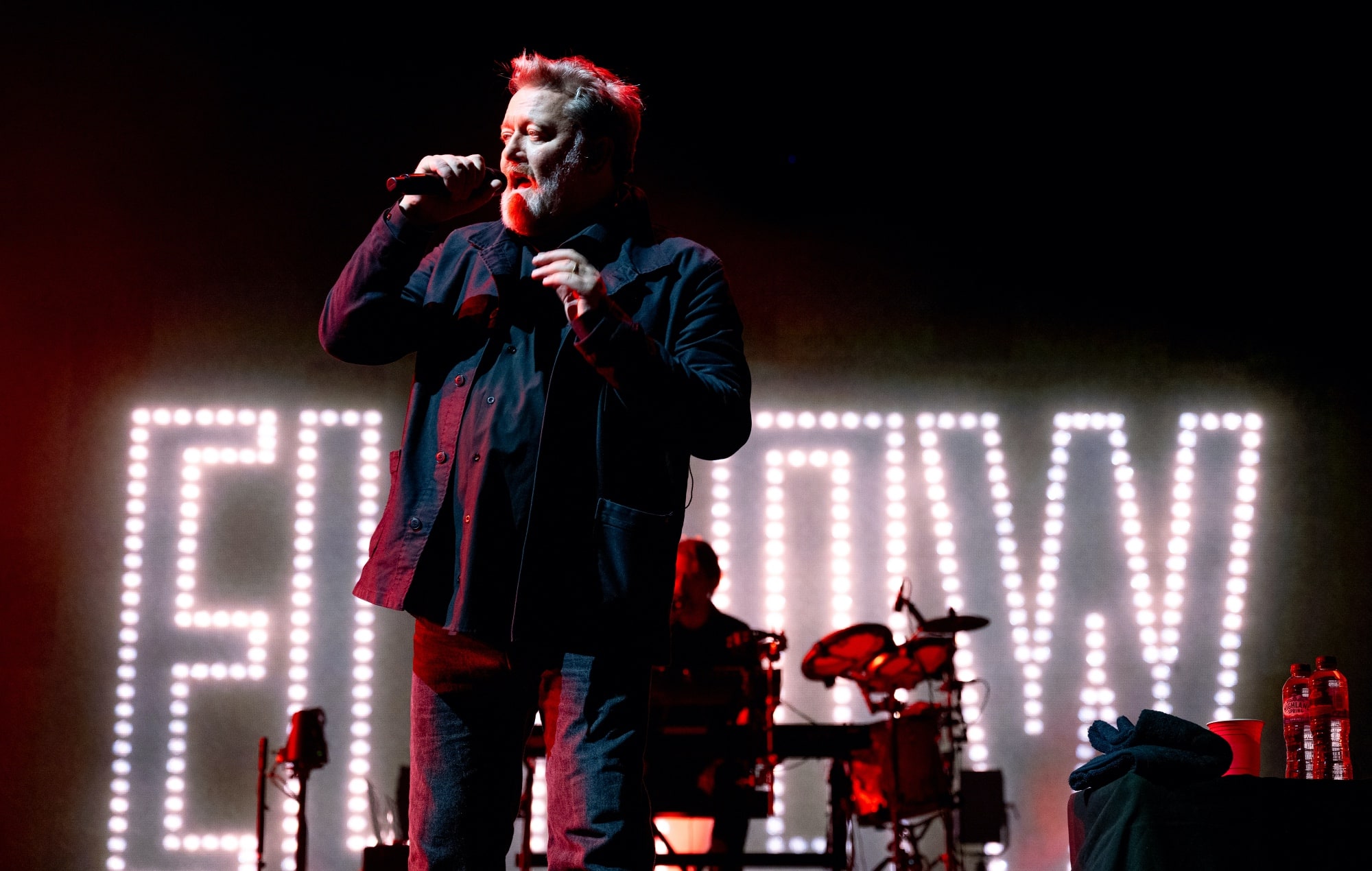
Garvey’s story gives the funding argument a human face. Before the records, the arenas, and the long-running radio career, there was a band hearing its song played by a trusted broadcaster. That first moment of recognition can be worth more than any neat industry forecast.
Government support must connect with grassroots music
Ian Murray MP, Minister of State in the Department for Digital, Culture, Media and Sport, said the campaign should align with wider government efforts to strengthen the music industry.
Those efforts include cracking down on secondary ticketing, removing barriers for artists trying to tour, and introducing a £1 ticket levy for venues at arena size and above. The proposed levy would help grassroots venues remain open and support the artists and communities that depend on them.
Murray described the parliamentary event as more than a celebration of an institution. For him, it was about backing the creators who write the soundtrack to national life and, in many cases, to the wider world.
Music is an economic engine, he said, but its deeper value lies in the way it binds communities together and creates regional pride. Talent exists everywhere, but opportunity does not always follow. A creative career should not be limited to people who are privileged, well-connected, or already living near the industry’s traditional centers.
His stated objective is a fair and sustainable funding model that protects the BBC, supports growth in every region of the UK, and gives the corporation a permanent charter. The goal, he emphasized, is not simply for the BBC to survive, but to thrive.
Murray also urged the government, the BBC, and the music industry to tell that story together. The decisions made in Parliament, he said, could influence whether a young songwriter working in a bedroom today can build a thriving career tomorrow.
Recent cuts have already changed the landscape
The concerns surrounding BBC funding follow significant changes to the BBC Introducing program in 2023. Local Introducing programs were merged, while the number of shows was reduced from 32 to 20. The changes left numerous presenters and production staff without work.
Artists and broadcasters, including Nile Rodgers and Elton John, spoke out against the cuts. Broadcaster Sophie Little also criticized the BBC’s regional radio reductions during her final show, calling them “unbelievably unfair.”
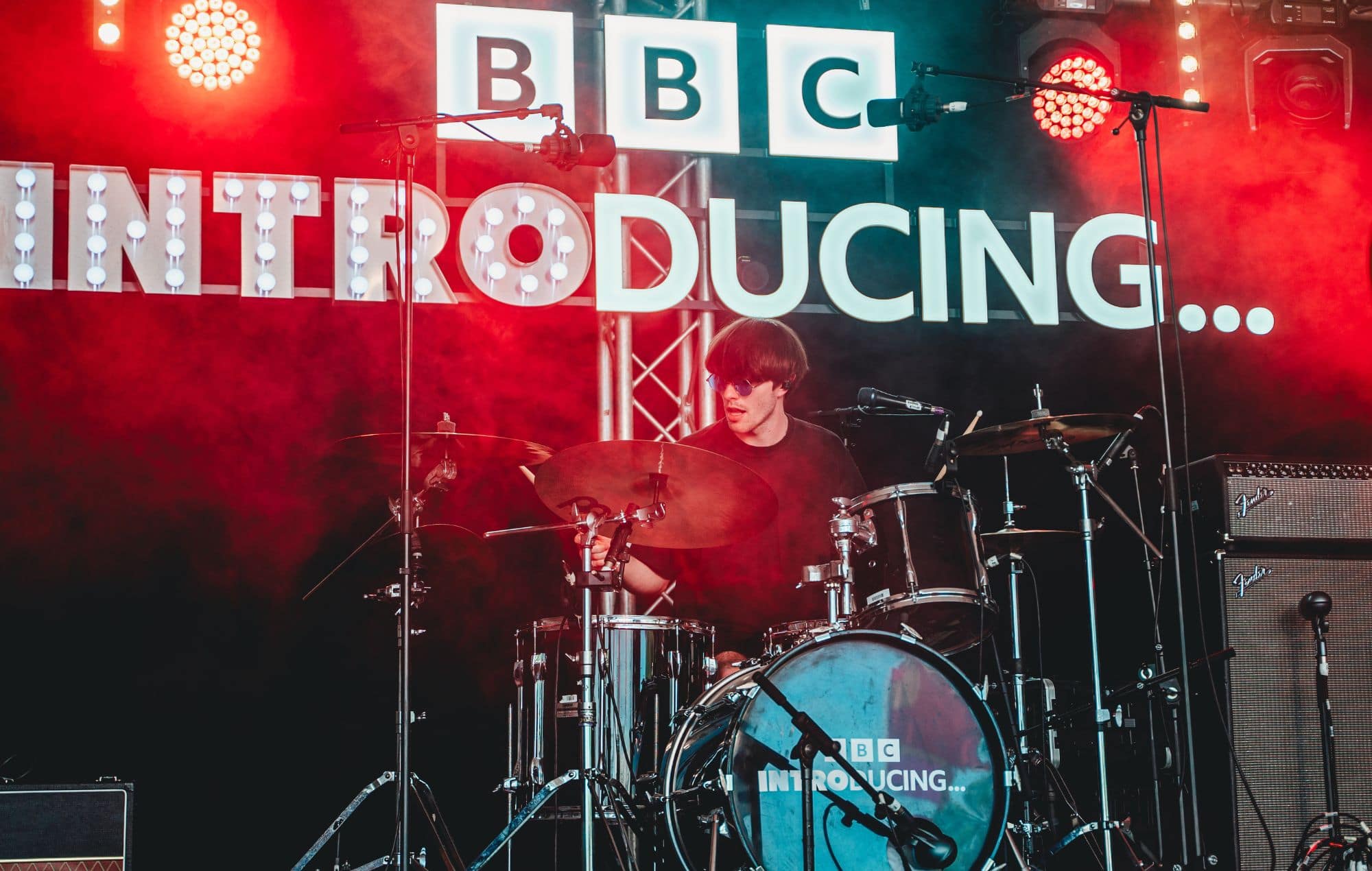
The pressure has also reached major festival platforms. Earlier this summer, it was confirmed that the BBC Introducing Stage at Reading & Leeds Festival would be discontinued after 18 years.
The stage launched in 2008 and became a familiar launchpad for young artists before they broke into the mainstream. Its past performers included Ed Sheeran, The 1975, Florence + The Machine, Charli XCX, Dave, and Raye.
For many fans, those stages are where the fun begins. You wander toward a smaller tent, perhaps because a friend heard something interesting or because the crowd is moving that way, and suddenly you’re watching an artist who may soon be everywhere. Removing those opportunities doesn’t erase talent—but it can make the path toward an audience much steeper.
FAQ
- What is the Our BBC: Our Music campaign? It is a UK Music campaign calling for the protection of BBC funding so the corporation can continue supporting emerging artists, regional music activity, and public-service broadcasting.
- Why is the BBC’s funding under review? The UK Government is conducting a two-year Royal Charter Review ahead of a new charter being granted in 2027. The review examines how the BBC should be funded in the future.
- How does the BBC support emerging musicians? Through platforms such as BBC Introducing, national radio, regional programming, live events, and festival stages, the BBC gives new artists opportunities to experiment, reach audiences, and gain industry recognition.
- What impact does BBC music activity have on the UK economy? The British music sector contributes £8 billion to the UK economy and supports 220,000 jobs. BBC events and programming also generate economic activity in towns and regions across the country.
- What changes have affected BBC Introducing? In 2023, local Introducing programs were merged and the number of shows was reduced from 32 to 20. The BBC Introducing Stage at Reading & Leeds Festival was also confirmed to be ending after 18 years.
If a favorite record, radio moment, or breakthrough artist has ever felt like part of your personal history, an album cover poster can keep that feeling on the wall. Browse the music-inspired collection at Architeg Prints.
 | DISCOUNTGET 30% OFF*Use code on your next order:
|
* This post may contain affiliate links, meaning we earn a commission if you make a purchase through these links, at no additional cost to you.