Billy Bragg: London March Sends Strong Message to Far Right “People Will Not Be Fooled by Such Shysters”



Billy Bragg: London March Sends Strong Message to Far Right “People Will Not Be Fooled by Such Shysters”
Billy Bragg reflects on London's massive anti-far-right march, emphasizing unity against hate and the resilience of British activism.
The Power of Unity on London’s Streets
There’s something electric about a city joined in purpose; the kind of energy that flows when half a million people flood the streets, standing shoulder to shoulder against division. That was London on Saturday, March 28, 2026, as a massive protest rallied against the growing threat of the far right in the UK—and beyond.
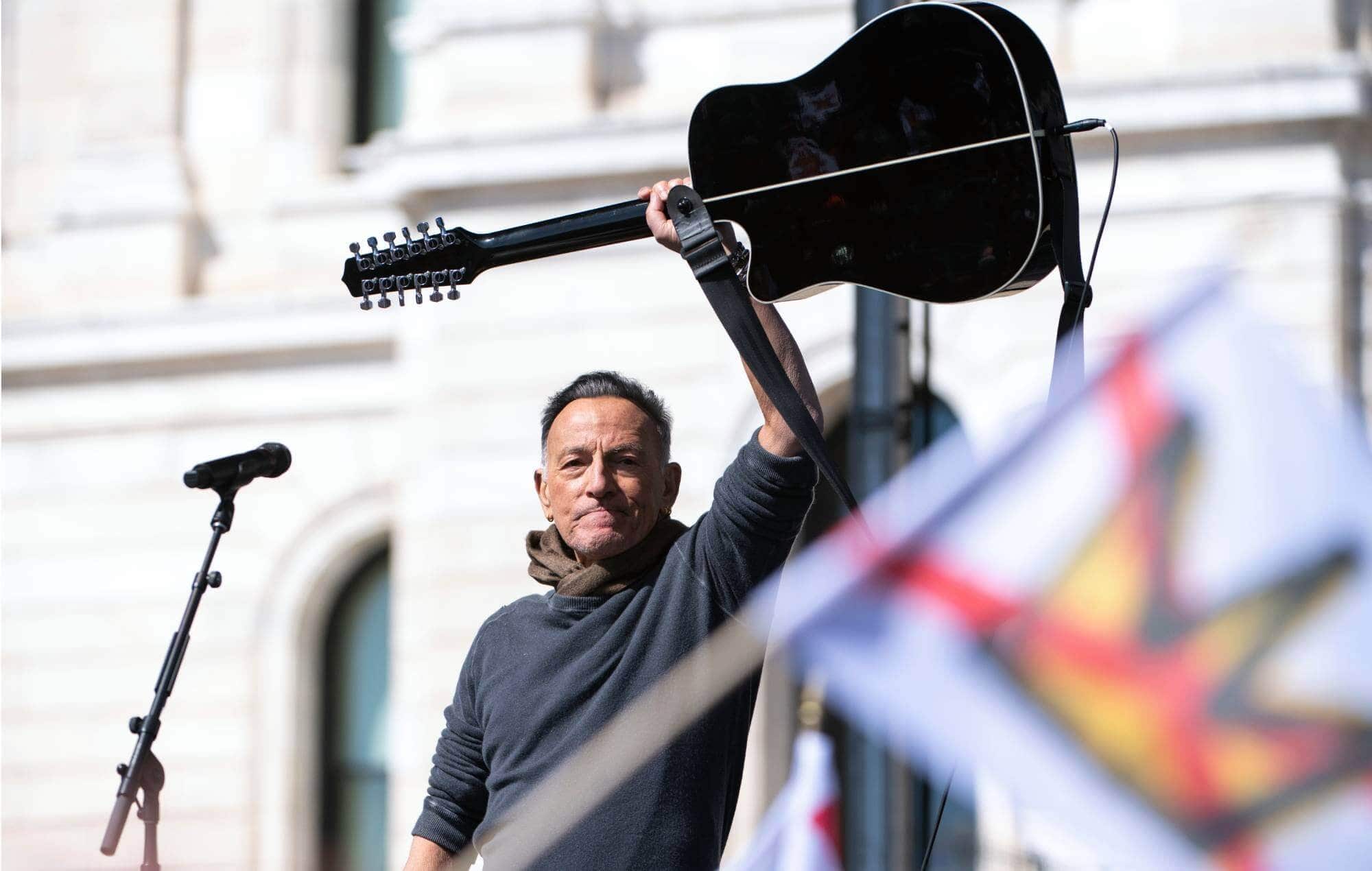
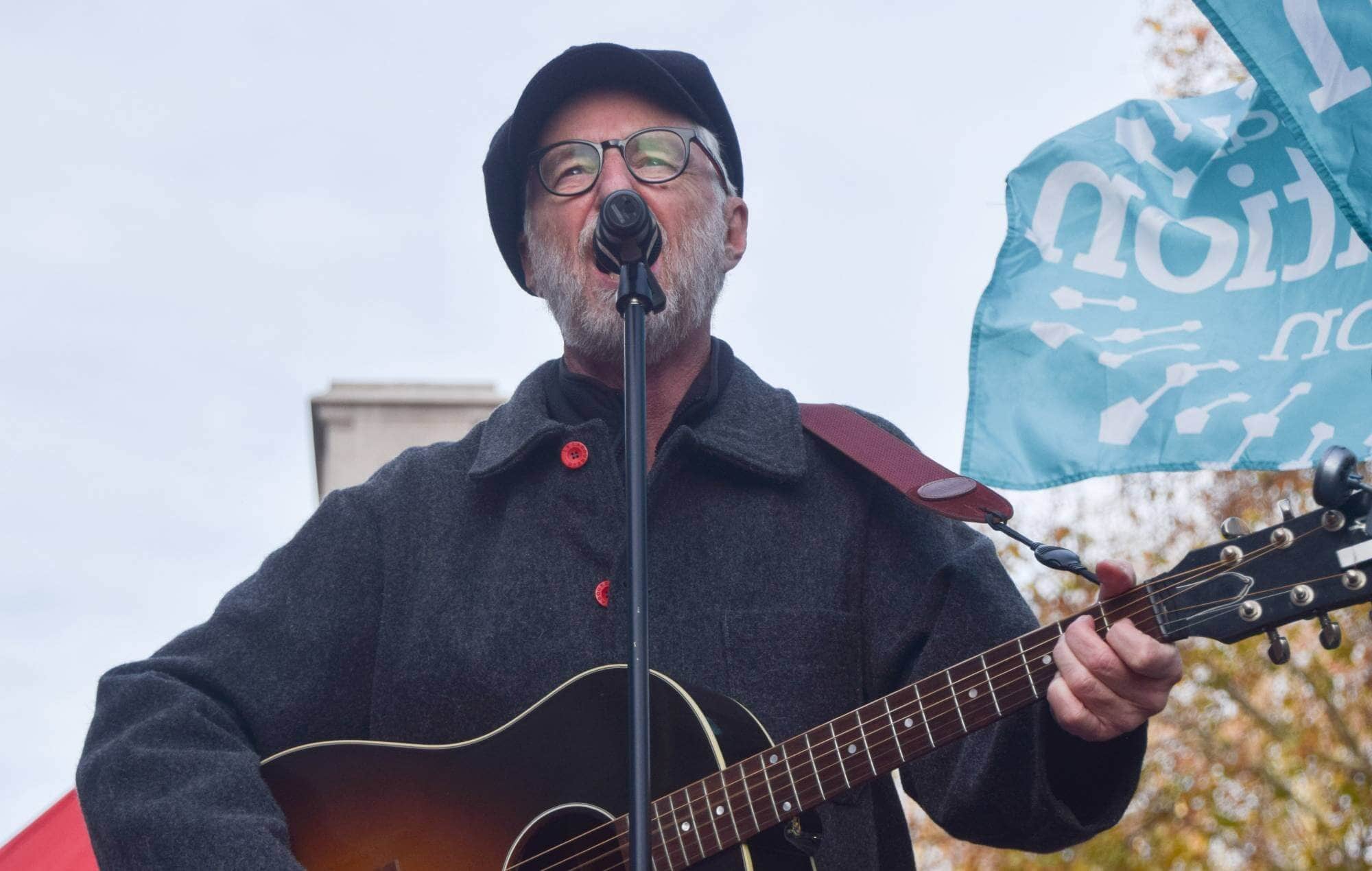
Among those leading this charge was none other than legendary musician and activist Billy Bragg, who didn’t just witness the protest but performed on the ‘House Against Hate’ stage in iconic Trafalgar Square. Sharing his thoughts afterwards, Bragg called the march a resounding message to the “shysters” of the far right: the people of Britain won’t be fooled or divided.
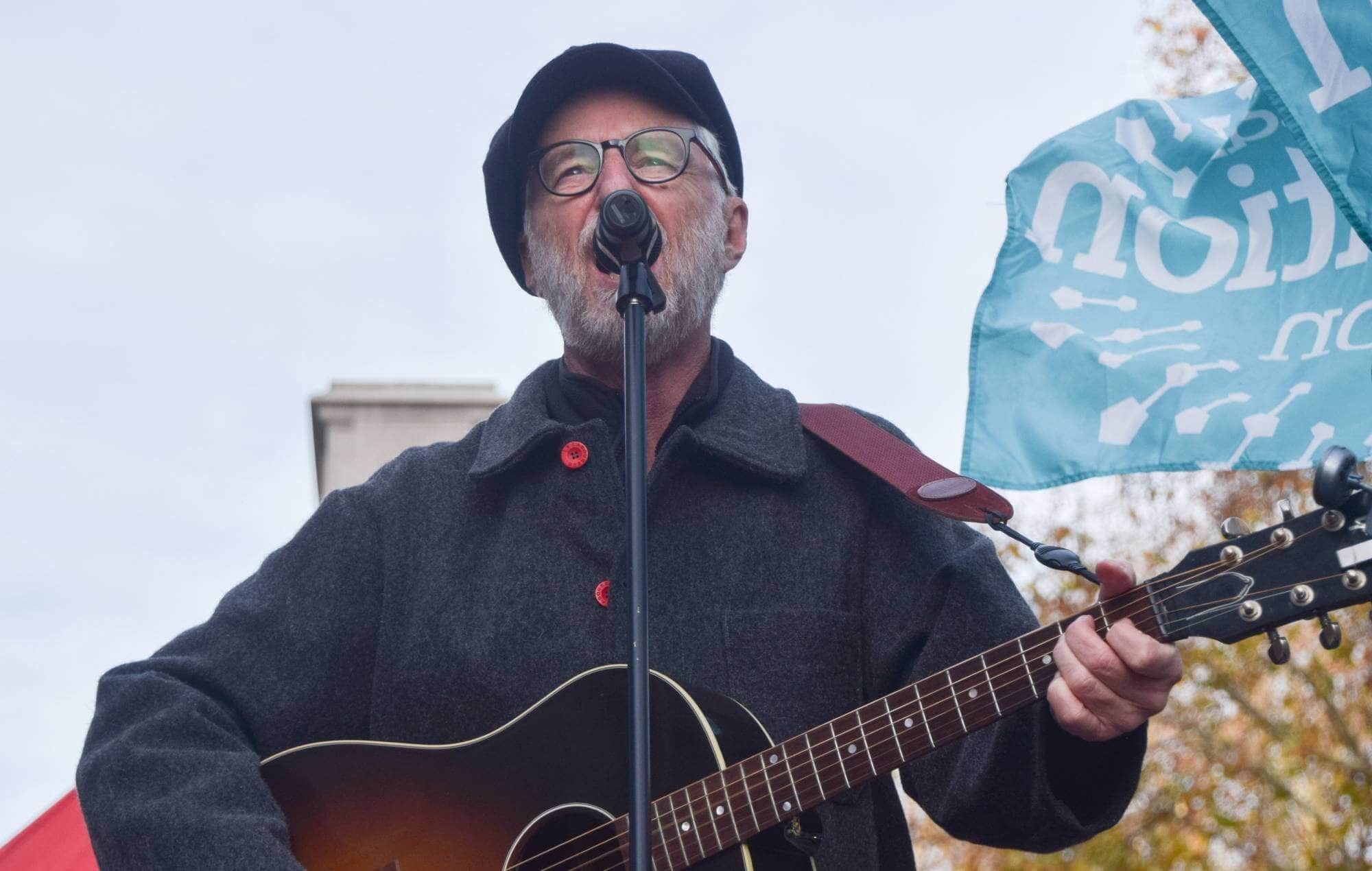
Billy Bragg energizing the crowd at the anti-far-right protest in London.
Tackling Real Issues, Rejecting Scapegoating
Bragg’s reflection cut to the heart of the matter. The challenges facing everyday Brits—rising living costs, shocking wealth inequality, a stretched NHS, scarce affordable housing, and the ever-looming climate crisis—are real, urgent, and demand solutions. But, as Bragg pointed out, these cannot be solved by scapegoating people of color or pushing harmful policies like forced “remigration.”
“The concerns that people have about rising cost of living, widening gaps between the rich and poor... cannot be solved by rounding up people of colour and forcing them to ‘remigrate’.” — Billy Bragg
He warned that far-right politicians, including some who openly champion “remigration,” hope to distract us from these true issues. But the sheer scale and spirit of Saturday’s march showed that Britain’s people are wise to these tactics and ready to resist.
A Legacy of Activism: From Cable Street to Today
Billy Bragg didn’t just see yesterday’s march as a moment; he saw it as part of a grand continuum of anti-fascist activism in Britain. He recalled the Rock Against Racism and Anti-Nazi League campaigns from the late 1970s—a time when musicians, artists, and everyday citizens united to stand against hate.
Sharing the stage with Bragg was Jerry Dammers of The Specials, a veteran of those earlier movements, bridging generations of passionate resistance.
“What I found most encouraging yesterday was the number of young people in attendance,” Bragg said. “I hope yesterday saw the introduction of a new generation of activists whose lives will be changed by what they saw and heard on the march. Because by being there, they have joined an anti-fascist tradition that stretches back... all the way back to the Battle of Cable Street in 1936.”
This message is powerful: activism is not just history; it’s a living, breathing force that newer generations are carrying forward with energy and hope.
Reflecting on Divisive Past Marches
During his set, Bragg addressed the crowd directly about the divisive “Unite the Kingdom” march held the previous year, organized by far-right figure Tommy Robinson. Calling it “the most divisive event in the country over the last ten years,” Bragg acknowledged that while participants might have had genuine concerns, their proposed solutions—particularly forced deportations—are unacceptable.
He drew a chilling parallel to what such policies have looked like in the United States, and called for courage to stand up if such dark days ever emerge in the UK.
“Remigration, the forced deportation of our fellow citizens... we’ve seen what that looks like in the USA. And if it does come to that in this country, then we will have to be as courageous as the people of Minneapolis.” — Billy Bragg
Voices of Hope and Community Power
The ‘House Against Hate' stage wasn’t just Bragg’s platform. The Green Party leader Zack Polanski and MP Hannah Spencer also spoke, urging attendees to take the energy and vision from the march back to their local communities.
Polanski’s words were a rallying cry for grassroots organization ahead of upcoming local elections:
“Go back to your communities, to the community centres, to your trade unions, to your friends, to your neighbours. We must organise in our communities. Local elections are coming in just a few weeks’ time.”
He reminded everyone that while dark times have tested people’s resolve, events like this march send a clear message to the far right and their apologists: hate will be defeated, and hope must become the new normal.
Celebrating Solidarity and Spirit
Actress and presenter Jameela Jamil, who also joined the protest, shared a heartfelt Instagram tribute that captures the vibe of the day. Candidly admitting her own struggles with hopelessness, she found renewed faith in the collective power of community.
“I have been really struggling lately... Sometimes I think protests don’t make a difference because the people at the top don’t care. But today reminded me of why they’re important. Because of MORALE for US not the people at the top... Everyone today was hot and cool and the vibes were immaculate.”
Her words perfectly sum up how moments like these are more than just demonstrations; they’re celebrations of unity, hope, and defiance against the noise of hate.
The Context Behind the Protest
This huge display of resistance didn’t come out of nowhere. The past two years have seen a rise in far-right protests across the UK, including the infamous “Unite the Kingdom” rally in London, which drew up to 150,000 attendees and featured controversial figures like Tommy Robinson. That day also saw thousands of anti-fascist counter-protesters standing firm.
In 2024, the UK witnessed thousands marching in anti-racism protests following anti-immigrant rallies tied to tragic events like the Southport killings. Musicians and activists including Billy Bragg, Nadine Shah, Tim Burgess, and Garbage lent their voices to those marches, underscoring how music and activism have long intertwined in the fight against hate.
A Rallying Call for the Future
The London march, powered by the Together Alliance, stands as a beacon of hope and a stern warning to the far right: the people of Britain are united, vigilant, and ready to defend the values of inclusion, justice, and solidarity.
Billy Bragg’s reflections remind us that beneath the headlines and political chaos lies a profound, ongoing story of resistance—one that stretches back decades and continues with fresh passion today.
FAQ
- What was the main message of Billy Bragg at the London protest?
Bragg emphasized that the people of Britain will not be fooled by far-right “shysters” who propose scapegoating minorities instead of addressing real societal issues. - How many people attended the London march?
Organizers from the Together Alliance estimated that around half a million people joined the streets in central London. - Which musicians performed at the ‘House Against Hate’ stage?
Performers included Billy Bragg, Self Esteem, Hot Chip, Jessie Ware, Katy B, and Jerry Dammers from The Specials. - What historical movements does the march connect to?
The protest is part of a long tradition of anti-fascist activism in the UK, tracing back to the Rock Against Racism campaigns and the Battle of Cable Street in 1936. - Who else spoke at the event besides musicians?
Political figures like Green Party leader Zack Polanski and MP Hannah Spencer also spoke, encouraging community organizing and local election participation.
If the spirit of the London march inspires you, why not bring that energy home? Shop your favorite album cover posters and celebrate music’s role in activism at Architeg Prints — a perfect way to keep the movement alive in your space.
 | DISCOUNTGET 30% OFF*Use code on your next order:
|
* This post may contain affiliate links, meaning we earn a commission if you make a purchase through these links, at no additional cost to you.