Billy Corgan Claims CIA and MTV 'Purposely Dialed Down' Rock From Late ’90s



Billy Corgan Claims CIA and MTV 'Purposely Dialed Down' Rock From Late ’90s
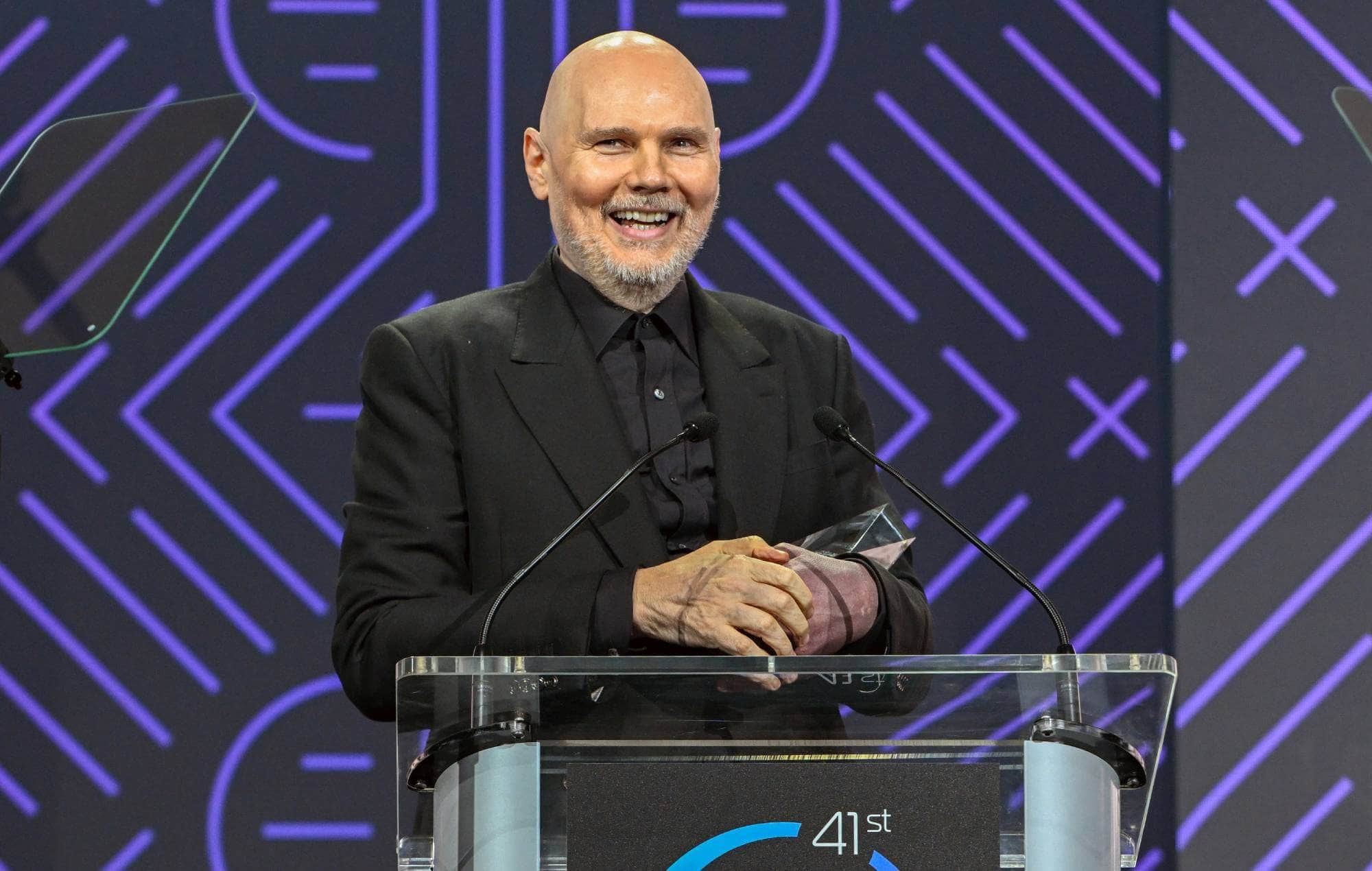
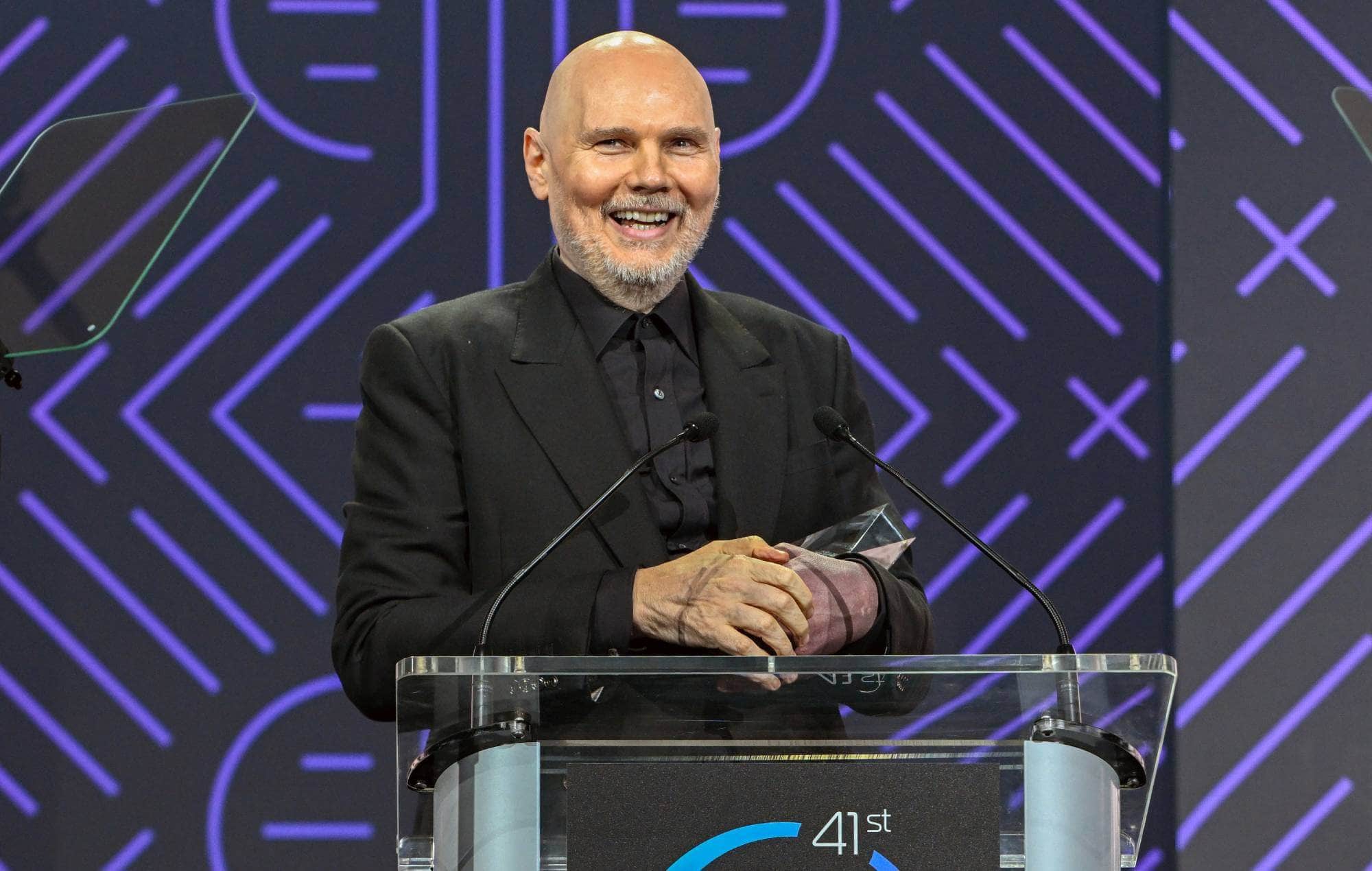
Billy Corgan shares his theory on how rock music's cultural presence was intentionally reduced, shaping today’s music landscape.
Rock’s Quiet Fade: A Fan’s Curious Theory
Ever wondered why rock music, once the undeniable heartbeat of youth culture, seems to have lost its loud, dominant voice over the past two decades? Smashing Pumpkins’ frontman Billy Corgan offered a striking theory that might just make you rethink the story behind rock’s decline in the mainstream spotlight.
In a recent episode of his podcast The Magnificent Others, Corgan opened up a conversation with cultural commentator Conrad Flynn that peeled back the curtain on rock’s shifting fate. He suggested that rock wasn’t just fading organically – it was “purposely dialed down” in the late ’90s, a move he believes involved powerful players like the CIA and MTV itself. Now, that’s a rock conspiracy theory with a twist.
The MTV Shift and The Rise of Rap
Corgan paints a vivid picture of the late ’90s music scene. He recalls how, around 1997-1998, if you were involved with MTV, you’d notice a sudden and sharp pivot: “rock was out” and rap surged onto the cultural throne. This wasn’t a subtle change – the network’s “standards and practices immediately shifted” to allow imagery and themes previously taboo, like waving guns on screen.
“If you were at MTV or around MTV in 1997 or 1998, suddenly they decided rock was out when rock was still very, very high up in the thing. And it was replaced by rap… Their standards and practices immediately shifted… Some people assert that the CIA was involved in all that.” – Billy Corgan
This rapid change puzzled many, and Corgan’s theory hints at a deeper agenda beyond just musical tastes. While he admits the CIA connection is “above my pay grade,” he witnessed the atmosphere change firsthand.
Yet, Corgan is quick to acknowledge the artistic merit in rap’s rise. He says it wasn't a barren wasteland but a transformation that brought fresh voices and energy. Still, the "overt shift" left rock stars with less cultural influence than before.
Where Did Rock Go? The Cultural Schism
Fast-forward to today, and Corgan sees a curious paradox. Rock remains wildly popular in terms of live shows and ticket sales – arguably the “most dominant ticket-selling thing in the Western world.” Yet, rock’s cultural visibility, especially in media and mainstream platforms, feels almost nonexistent.
Why is there such a disconnect between rock’s commercial success and its cultural representation? Corgan suggests deliberate suppression: "I think they purposely dialed down the ability of rock stars to have a voice in the culture."
This echoes the feeling many longtime fans share – that rock’s spirit is alive but kept behind a glass wall while other genres take center stage on television and radio.
The Soundtrack of the Shift: ‘Adore’ and The Smashing Pumpkins
Interestingly, this period of cultural upheaval coincided with a major shift in Corgan’s own band. The Smashing Pumpkins released Adore in 1998, which veered away from their signature rock sound into a more electronic and subdued style. Fans and critics alike noticed this change – it was their least rock-oriented album yet.
Could this shift have been influenced by the very currents sweeping through the music industry? While Corgan hasn’t said outright, Adore feels like a sonic reflection of the uncertain rock climate he describes.
Celebrating the Misunderstood Through ‘The Magnificent Others’
Corgan’s podcast isn’t just a platform for theories. He uses The Magnificent Others to highlight overlooked or misunderstood figures in culture. He aims to shed fresh light on artists and creators who deserve a better perspective than the mainstream narrative has given them.
"I want to celebrate people in the culture that I feel either are misunderstood, overlooked, or maybe don’t have the proper perspective from my position about what they’ve actually accomplished.” – Billy Corgan
He carefully chooses guests and topics that offer deeper dives into their lives, avoiding repetitive or surface-level conversations. For Corgan, it’s about uncovering those unexplored stories beneath the public image.
The Smashing Pumpkins: One of Rock’s Most Misunderstood Bands
Corgan has also reflected on his own band’s place in rock history. On the Joe Rogan podcast, he proclaimed The Smashing Pumpkins as “one of the most misunderstood bands in the history of rock ‘n’ roll.” That’s a bold statement from someone who’s lived the ups and downs of the industry firsthand.
He attributes some of this misunderstanding to his early interactions with the media, where he played a kind of “funny game,” channeling a mix of Andy Kaufman’s prankster spirit. He admits he was attracted to the darker, less glamorous side of fame – “lighting myself on fire” metaphorically and sometimes literally, rather than chasing the shiny parts of stardom.
Navigating the Changing Tides of Music Culture
The ’90s felt like a wild ride, with rapid changes ushering in Napster, music business upheaval, and the loss of key artists. Corgan describes hitting his 40s amid this chaos, expected to carry the flag for a generation that felt increasingly fragmented.
This sense of dislocation is something many Gen X rock fans can relate to – the feeling of watching the cultural ground shift beneath your feet while trying to hold onto the sound that defined your youth.
Honoring Post-Punk Legacy: Joy Division’s Lasting Impact
Beyond his own band’s story, Corgan has paid tribute to other influential acts. He named Manchester’s post-punk legends Joy Division as the second most influential band of the 20th century (right after The Beatles, of course).
He praised Joy Division for crystallizing the post-punk sound in a way few others have, creating pop music that wasn’t made for the typical pop market – which is why their music still resonates decades later.
“They had what, one big song, maybe, which is ‘Love Will Tear Us Apart.’ But I just think they’re one of the greatest bands of all-time.” – Billy Corgan
Billy Corgan’s reflections open a powerful conversation about how rock music’s cultural influence has ebbed and flowed, shaped by forces beyond just artistic trends. Whether you agree with his CIA theory or not, his firsthand observations remind us that the music we love often swims against currents we don’t fully see.
FAQ
- How did Billy Corgan describe rock music’s cultural presence shifting in the late ’90s?
He believes rock was deliberately “dialed down” starting around 1997-1998, replaced by rap music as the dominant cultural expression on platforms like MTV. - What role does Corgan attribute to MTV in the decline of rock’s mainstream influence?
MTV suddenly changed its "standards and practices," favoring rap and allowing imagery previously banned in rock videos, signaling a cultural shift away from rock. - Did Corgan see any positive outcomes from rap’s rise during this period?
Yes, he acknowledged that great music and artists emerged from rap, making the change not a barren wasteland but a transformation of the musical landscape. - Why does Corgan think rock remains popular live yet less visible culturally?
He suggests there was a purposeful effort to reduce rock stars’ voices in mainstream culture despite rock’s ongoing success in ticket sales and live shows. - What band does Corgan consider the second most influential of the 20th century after The Beatles?
He named Joy Division, praising their lasting impact on post-punk and alternative music.
If you’re inspired by iconic rock legends and want to bring that energy into your space, consider shopping for your favorite album cover poster at our store. Celebrate the spirit of rock with art that keeps the music alive on your walls. Shop now.
 | DISCOUNTGET 30% OFF*Use code on your next order:
|
* This post may contain affiliate links, meaning we earn a commission if you make a purchase through these links, at no additional cost to you.