Black Music Powers 80% of UK Music Industry, Driving £24.5 Billion Market



Black Music Powers 80% of UK Music Industry, Driving £24.5 Billion Market
Black music is a powerhouse in the UK music scene, contributing 80% and £24.5 billion to the industry’s £30 billion market.
Black music isn’t just a cultural force—it’s the beating heart of the UK’s music industry. A groundbreaking new report reveals that Black music has powered an astonishing 80% of the UK music market, generating a staggering £24.5 billion out of the £30 billion total over the past 30 years. As a longtime music fan, it’s thrilling to see this vital contribution finally quantified and celebrated.
The Report That Shook the Industry
The report, titled Black Music Means Business: Driving Economic Growth In The UK, was commissioned by UK Music and initiated by the UK Music Diversity Taskforce. Spanning three decades of recorded music from 1994 to 2023, it’s the first study of its kind in Europe to analyze the unique commercial, cultural, and community impact of Black music.
Ammo Talwar, Chair of the UK Music Diversity Taskforce, described the report as a “rallying cry” to spark ongoing growth, representation, equity, and collaboration within the industry. The goal? To build confidence in Black music as an undeniable powerhouse.

Black Music: What Does It Mean?
The report offers a clear definition of ‘Black Music’: it’s “music that has its roots and inspiration derived from the culture, beliefs, traditions, and history of Black people and the African diaspora.” This encompasses a rich variety of genres and styles born from the African diaspora, created by musicians of any ethnicity, but always deeply connected to Black cultural heritage.
The hope is that this definition will become a standard across industries as awareness grows. Furthermore, Black music genres are described as being “characterised by distinct rhythmic melodies and harmonic structures rooted in African musical traditions,” with storytelling that reflects the cultural, political, and social experiences of Black communities worldwide.

Breaking Down the Numbers
The sheer scale of Black music’s impact is mind-blowing:
- 29 Black British genres contributed over £1.24 billion to the UK music market during the past 30 years.
- 27 Core Black music genres generated £4.83 billion in sales.
- A total of 72 Black music-origin genres have contributed approximately £11.94 billion—almost 40% of the market.
This kind of financial muscle highlights just how much Black music has shaped the UK’s cultural landscape. But it’s not just about numbers—this influence pulses through every beat and lyric of the music we know and love.
Success Stories vs. Industry Inequities
While Black music’s commercial success has soared, the report also sheds light on a persistent gap in equity and representation. Despite powerhouse artists like Little Simz, Central Cee, Dave, RAYE, Stormzy, Sault, Ezra Collective, and Michael Kiwanuka dominating charts and stages globally, Black creators and executives still face obstacles.
Only 22% of senior roles in the UK music industry are held by Black, Asian, or minority ethnic individuals, a stark contrast to London’s 46% BAME population. Moreover, Black artists and professionals often encounter disparities in contracts, pay, funding, and support—with an alarming documented 20% pay gap.
“Black Music has shaped the sound and global success of British music for decades, yet its true commercial value has never been fully recognised.”
— Paulette Long OBE, Vice Chair UK Music Diversity Taskforce
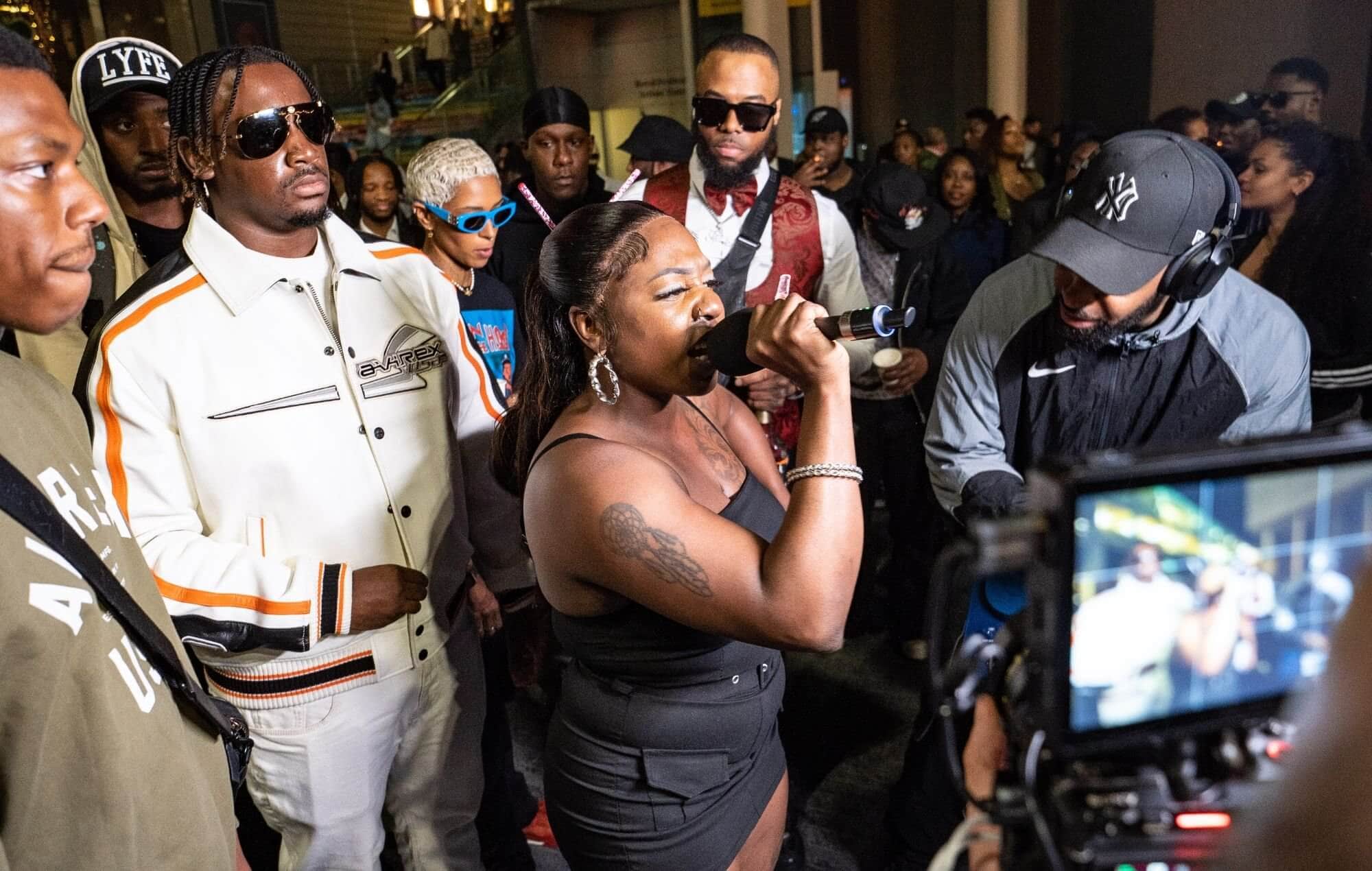
Paulette Long emphasized that while Black music is undeniably a commercial driver, there’s a clear “opportunity gap” that must be addressed. Investing in infrastructure, talent, and leadership is essential to sustain growth and maintain the UK’s competitive edge on the world stage.
Tom Kiehl, CEO of UK Music, expressed hope that the report would serve not just as a benchmark but as a catalyst for real change. Eunice Obianagha, Head of Diversity at UK Music, echoed this sentiment—stressing collaboration to close inequities and ensure the industry better reflects the diversity of the talent fueling it.
Steps Toward Fair Representation
The report doesn’t just celebrate Black music’s significance—it maps out a practical path forward, recommending eight key steps to level the playing field:
- Institutional Funding & Co-Design – Support Black music spaces like performance venues, recording studios, archives, and cultural landmarks with funding designed alongside government.
- Language & Genre Authenticity – Promote the collective use and acceptance of the term “Black Music” as a unifying descriptor.
- Revamping Music Education – Integrate Black music genres fully into school and tertiary curricula to foster understanding from a young age.
- Growth Investment – Allocate a portion of the government’s £30 million Music Growth Package specifically for Black-led organizations and genres.
- Export Development – Encourage the Department for Business and Trade to promote Black music internationally.
- Inclusive Community Access – Embed Black music into local regeneration and cultural plans.
- Robust Data Collection – Invest in comprehensive research to provide ongoing evidence-based insights into Black music.
- Equitable Industry Partnerships – Build fair and supportive collaborations between the music industry and Black music creators and practitioners.

Echoes of Industry Challenges
These findings sit alongside similar reports, like Being Black in the Music Industry by Black Lives In Music, which found that 86% of Black musicians faced barriers to career progression. Furthermore, 63% of Black creators experienced racism, and 71% reported racial microaggressions.
Efforts have been made to tackle these issues head-on, such as Black Lives In Music’s survey on bullying and harassment, backed by artists like Nova Twins and V V Brown, who has also explored Black British identity in her recent work.

Black music’s remarkable contribution to the UK music industry is crystal clear—both in its economic muscle and cultural richness. Yet, the road to true equity is still a work in progress. What will it take for the UK music scene to fully embrace and support the talent that powers it?
FAQ
- What percentage of the UK music market is driven by Black music? Black music contributes approximately 80% to the UK music market, amounting to £24.5 billion out of £30 billion.
- How is ‘Black Music’ defined in the report? It’s music rooted in the culture, beliefs, traditions, and history of Black people and the African diaspora, spanning diverse genres regardless of the musician’s ethnicity.
- What are some challenges faced by Black music professionals? Despite success, they face underrepresentation in senior roles, pay gaps, disparities in contracts and funding, and experiences of racism and microaggressions.
- What educational changes does the report recommend? It calls for Black music genres to be recognized as core components of school and tertiary music curricula.
- How can government funding support Black music? By allocating a portion of music growth funds to Black-led organizations, supporting venues, studios, archives, and promoting international export efforts.
If you’re inspired by the legacy and impact of Black music, why not bring that passion home? Shop your favorite album cover posters and celebrate the culture at our store—a perfect tribute to the sounds that power the UK music industry.
 | DISCOUNTGET 30% OFF*Use code on your next order:
|
* This post may contain affiliate links, meaning we earn a commission if you make a purchase through these links, at no additional cost to you.