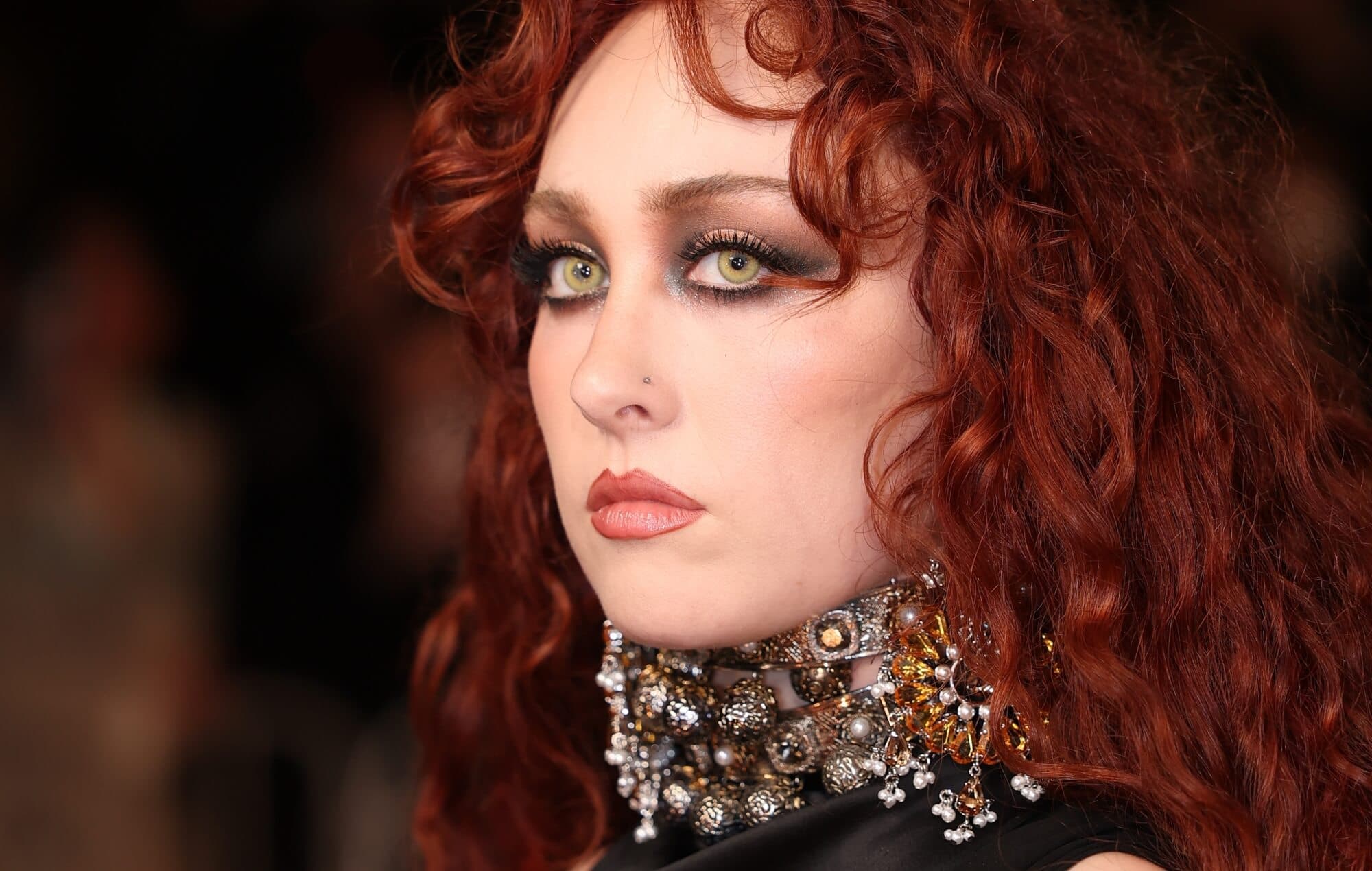
Chappell Roan Security Guard Incident Backlash Fueled by Bot-Driven Smear Campaign


Chappell Roan Security Guard Incident Backlash Fueled by Bot-Driven Smear Campaign
Amid controversy over a security guard's encounter with a young fan, data reveals much of the backlash against Chappell Roan was amplified by bots.
When a Morning Breakfast Incident Became a Viral Storm
If you’ve been following the whirlwind around Chappell Roan recently, you know that what started as a tense moment between a security guard and an 11-year-old fan quickly spiraled into a viral frenzy. The incident occurred at a São Paulo hotel during Lollapalooza Brasil on March 22, 2026, drawing sharp criticism not just towards the singer but her security detail as well.
The young fan, Ada Law, stepdaughter of footballer Jorginho—himself known for stints at Chelsea and Arsenal—was reportedly left in tears after an encounter with the security guard. Jorginho claimed that Ada, a big admirer of Roan, had simply walked past her table when the security guard allegedly acted aggressively towards the family. The footballer didn’t hold back on social media, sharing the incident with strong words that ignited a firestorm of public opinion.
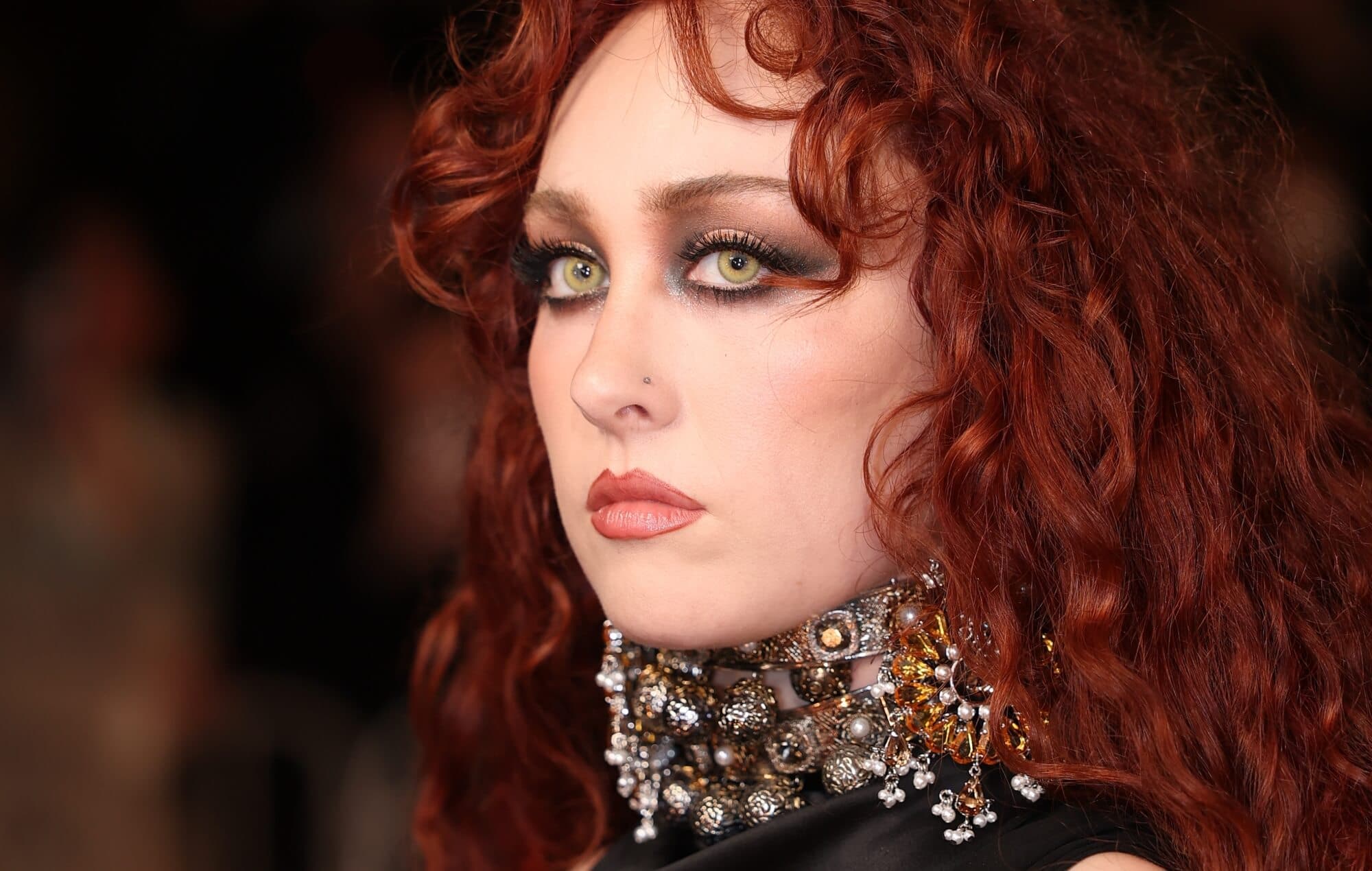
Roan’s Response and the Complex Web of Responsibility
Chappell Roan herself soon addressed the situation, clarifying that she did not witness the confrontation firsthand and that the security guard involved was not officially employed by her. This was an important detail that some missed in the rush to judgment.
Catherine Harding, Ada’s mother and Jorginho’s wife, stepped forward with her own statement. While she confirmed that the guard wasn’t part of Roan’s personal security team, she also revealed that he was not employed by the hotel either. This muddied the waters considerably.
“Did she send him to do it? Again, I don’t know,” Harding said. “Look, I would like to hope not, but at the same time, I think that you have a responsibility when you are a celebrity to make sure... that the people that work for you and that act on your behalf are acting on your behalf.”
Harding emphasized the intimidating nature of the guard, Pascal Duvier, describing him as “quite large,” and said that she felt the situation crossed a line. She also shared a touching detail: Ada traveled to São Paulo especially to see Roan perform after receiving tickets for her birthday, adding layers of emotional complexity to the incident.
Security Guard Speaks Up
Pascal Duvier, the security guard at the center of the controversy, publically responded to the backlash. He firmly denied the accusations, calling them “false” and a case of defamation. Duvier explained that his actions were based on information from the hotel and observations of heightened security risks at the venue.
“My sole interaction with the mother was calm and with good intentions, and the outcome of the encounter is regretful,” he stated.
This pushback added yet more nuance to an already complicated story, revealing a clash of perspectives that was quickly lost amid the online uproar.
The Bot Factor: How Social Media Fueled the Fire
What really stoked the flames behind this controversy? A data analytics company called GUDEA discovered that a significant portion of the backlash was not purely organic—it was bot-driven.
Analyzing over 100,000 social media posts related to the incident between March 20 and 22, GUDEA identified that around 4.2% of users (roughly 2,282 accounts) were likely bots. But these bots accounted for over 23% of the posts—more than 23,000 messages pushing a wide range of sentiments and misinformation.
The company’s report highlighted a spectrum of discourse, from genuine fan debates about celebrity privacy and fan treatment, to coordinated attack campaigns and satirical content that blurred the lines between humor and misinformation.
This revelation might explain the intensity and speed at which the backlash escalated—turning a moment of misunderstanding into a widespread digital confrontation.
A Pattern of Online Manipulation
GUDEA’s findings aren’t isolated. Last year, the company flagged similar bot-driven activity around a bizarre conspiracy theory that claimed Taylor Swift had Nazi connections. The same network was also implicated in coordinated smear campaigns against other celebrities, including Blake Lively.
This persistent bot army seems to weaponize social media narratives, amplifying controversies that might otherwise blow over or remain nuanced.
Chappell Roan’s Past Battles with Fame and Fans
For those who know Roan’s trajectory, this incident fits into a larger pattern of her outspoken stance on fame and fan interactions. A former cover star of a major music magazine, she has never shied away from calling out uncomfortable truths about the industry and fan culture.
In 2024, she drew headlines by comparing fame to “an abusive ex-husband,” a raw metaphor that struck a chord with many. Roan has consistently spoken against “weird” and “creepy” fan behavior, condemning the “predatory behavior” of so-called superfans—those overzealous followers who cross personal boundaries with “nonconsensual physical and social interactions.”
She’s also famously stood her ground against media figures, once snapping back at photographers on the VMAs red carpet who tried to silence her.
All this makes it clear that Roan is a complex figure—one who demands respect not only for her music but for her boundaries and humanity.
Looking Beyond the Headlines
This incident, with all its layers—from an upset young fan to bot-fueled social media storms—reminds us how quickly narratives can spiral out of control in today’s digital landscape.
It poses a challenge for fans and followers alike: how do we separate genuine concerns from manufactured outrage? And how do celebrities navigate these tricky waters without losing their authentic voice?
FAQ
- What exactly happened between Chappell Roan’s security guard and the young fan?
The guard allegedly acted aggressively towards Ada Law, the 11-year-old stepdaughter of footballer Jorginho, leaving her upset during breakfast at a hotel in São Paulo. - Did Chappell Roan’s team confirm the security guard was hers?
No, Roan clarified the guard was not employed by her, and the guard was also not hotel security, creating some confusion about his role. - What did the security guard say about the accusations?
Pascal Duvier denied the allegations and called them defamatory, stating his actions were based on safety concerns and prior information. - How did bots influence the social media response?
A data analytics report found that over 23% of the posts about the incident were generated by likely bots, amplifying the controversy and misinformation. - Has Chappell Roan spoken out about fan behavior before?
Yes, she has publicly criticized inappropriate fan behavior and the pressures of fame, likening fame to "an abusive ex-husband" and condemning predatory superfans.
Feeling inspired by Chappell Roan’s bold artistry and complex story? Celebrate your love for music legends by shopping our collection of iconic album cover posters at Architeg Prints. Perfect for any true fan’s space!
 | DISCOUNTGET 30% OFF*Use code on your next order:
|
* This post may contain affiliate links, meaning we earn a commission if you make a purchase through these links, at no additional cost to you.