Cutting the Cord: LG and Dolby Introduce Wireless Dolby Atmos with a Catch


 See more Architeg Prints stories on Google.
Cutting the Cord: LG and Dolby Introduce Wireless Dolby Atmos with a Catch
Experience next-level wireless Dolby Atmos sound, but there's one major limitation with LG's new FlexConnect technology.
Welcome to the Future of Dolby Atmos Sound
If you’ve ever tried setting up a Dolby Atmos home theater system at home, you know the drill: it’s part technical challenge, part patience test, and often part wrestling match with cables. To truly enjoy that immersive, three-dimensional sound, you needed a compatible TV, a soundbar or AV receiver capable of decoding Dolby Atmos, and of course, the all-important HDMI cables connecting everything.
Well, those frustrating cable runs might soon be a thing of the past.
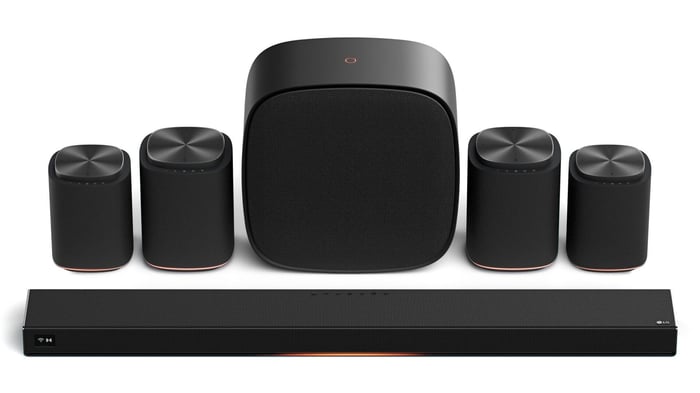
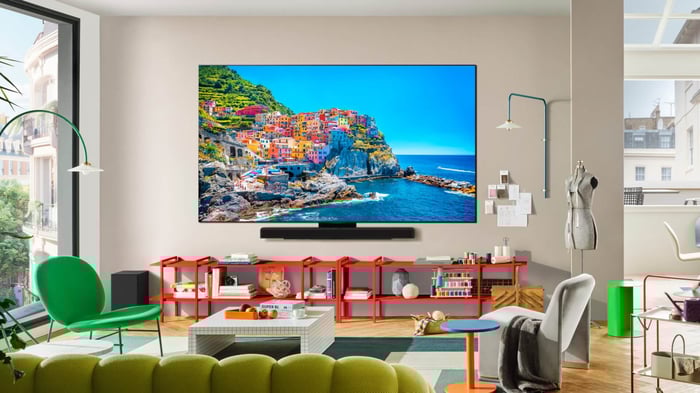
Right before CES 2026, LG unveiled its Sound Suite soundbar — the world's first soundbar supporting Dolby Atmos FlexConnect. Imagine connecting up to four speakers, a soundbar, and a subwoofer wirelessly to your TV in a 13.1.7 speaker setup. Yes, you read that right: wireless Dolby Atmos at home, no strings attached.
Spatial Sound Without the Wire Hassle
Building a home theater has always been a bit like a blend of art and trial-and-error. You measure cables, hide them behind furniture, and just when you think you’re done, you realize you’re a few inches short. Dolby Atmos made things easier by reducing the mess to a single HDMI cable between your TV and soundbar, but even that can be tricky in some living rooms.
That’s where LG’s FlexConnect steps in to clear the last hurdle: wireless connectivity for a full Dolby Atmos setup.
However, there’s a catch (isn’t there always?). For this wireless magic to work, both your TV and soundbar have to support the new FlexConnect standard. As of now, the LG Sound Suite soundbar is the only soundbar compatible, and only upcoming LG 2026 TV models can transmit the signal. Some 2025 models may receive updates, but the spotlight is clearly on LG’s fresh ecosystem.
An extra perk? The system includes smart calibration. No flat shelf for those rear speakers? No worries. The Sound Suite analyzes your room and adjusts the sound automatically so it fits your space perfectly, making setup a breeze.
Why LG OLEDs Might Be the Next Must-Have
You might be wondering if this is really groundbreaking. After all, LG isn’t the first to dabble in wireless Dolby Atmos. The TCL Z100 wireless speakers were actually the early adopters of FlexConnect. But what makes LG’s approach stand out is the seamless integration within a single ecosystem.
Though LG hasn’t spilled the beans on which exact TVs will debut in 2026, it’s a safe bet their successors to the popular LG C5 OLED TV and G5 OLED TV lines will be among them. Just picture unpacking that new LG C6 OLED TV and instantly enjoying a wireless 13.1.7 Dolby Atmos setup — it’s the kind of home theater dream many cinephiles and audiophiles have waited years for.
Unfortunately, specific release dates and pricing remain under wraps for now. We’ll have to keep our ears open for announcements at CES 2026 in January.
A Quick Look Back and What’s Next
If your mind’s racing thinking about all the possibilities, you’re not alone. Wireless Dolby Atmos could redefine the way we experience home cinema, making setups cleaner and more accessible.
Here’s a quick rundown of what LG’s FlexConnect brings to the table:
- Wireless connection of up to four rear speakers, a soundbar, and a subwoofer in a 13.1.7 configuration.
- Intelligent room calibration to optimize sound without manual fiddling.
- Exclusive compatibility currently limited to LG Sound Suite soundbar and new LG 2026 TVs.
- Potential upgrades for select 2025 LG models.
The Bottom Line
Wireless Dolby Atmos via LG and Dolby’s FlexConnect sounds like a dream come true, especially for those who dread cable clutter. The technology shines brightest in its ability to deliver a high-end, multi-speaker Dolby Atmos configuration without a single wire in sight and to smartly adapt to any room.
The big limitation? It’s locked into a very specific hardware ecosystem, starting with one soundbar and future LG TVs. But with LG’s track record of pushing OLED and home theater tech forward, this could signal a beautiful new era for immersive audio at home.
The main advantage of FlexConnect is not just the absence of wires but the smart calibration that adapts sound perfectly to the room.
– Industry Insight
Are you ready to cut the cords and dive into wireless Dolby Atmos bliss? Or does the hardware exclusivity make you pause? Share your thoughts below!
FAQ
- What is Dolby Atmos FlexConnect? It’s a new LG technology that enables a fully wireless Dolby Atmos setup, connecting multiple speakers, a soundbar, and a subwoofer without cables.
- Which devices support FlexConnect? Currently, only the LG Sound Suite soundbar and upcoming LG 2026 TVs support this wireless protocol, with some 2025 models possibly receiving updates.
- How does the wireless system handle room acoustics? The system features smart calibration that analyzes your room and optimizes sound output for the best immersive experience.
- Can I use FlexConnect with any TV or soundbar? No, both your TV and soundbar must be compatible with FlexConnect, limiting the ecosystem to specific LG devices for now.
- When will LG’s new wireless Dolby Atmos products be available? Release dates and prices haven’t been announced yet, but details are expected at CES 2026 in January.
Ready to bring home the magic of wireless Dolby Atmos? Shop your favorite album cover posters and gear up your entertainment space with style at Architeg Prints. Your walls deserve as much personality as your sound system!
 | DISCOUNTGET 30% OFF*Use code on your next order:
|
* This post may contain affiliate links, meaning we earn a commission if you make a purchase through these links, at no additional cost to you.