DALI Opticon 8 Loudspeaker Review: A Deep Dive into Danish Audio Excellence



DALI Opticon 8 Loudspeaker Review: A Deep Dive into Danish Audio Excellence
Experience the brilliance of DALI Opticon 8 loudspeaker, a powerful 3½-way floorstander built for large rooms and audiophile precision.
A Danish Audio Gem That Commands Attention
If you’ve ever found yourself captivated by the magic of Danish Audiophile Loudspeaker Industries—better known as DALI—you’re in for a treat. Nestled in Denmark, a quietly buzzing hub for high-end audio craftsmanship, DALI has been crafting speakers that blend innovation and old-school precision. Back in 2019, I got hooked on their Callisto 2C loudspeaker, a compact 2½-way powered bookshelf speaker that felt like a tiny titan with its wireless high-res streaming and built-in amplification.
But now, it’s time to go big or go home. Enter the Opticon 8 Mk 2, the crown jewel of DALI’s Opticon line. This is a serious passive speaker designed for the audiophile who demands both size and soul. With DALI’s signature hybrid tweeter technology and a cabinet that screams quality, the Opticon 8 is here to shake up your listening space—and your expectations.
Design and Technical Wizardry: Where Craft Meets Innovation
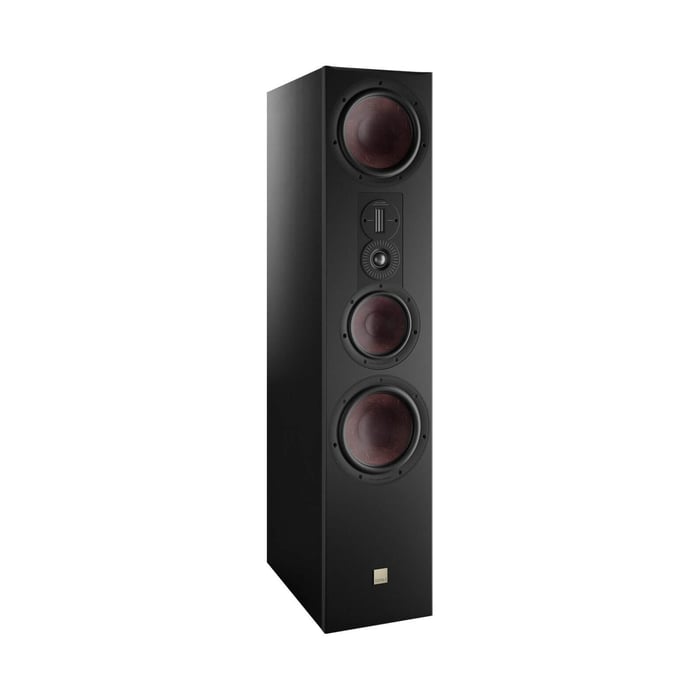
Priced at $6,000 per pair, these speakers are hand-assembled in Denmark by a dedicated technician, combining DALI’s expertise with specialized components. The Opticon 8 steps up the game with its 3½-way design featuring:
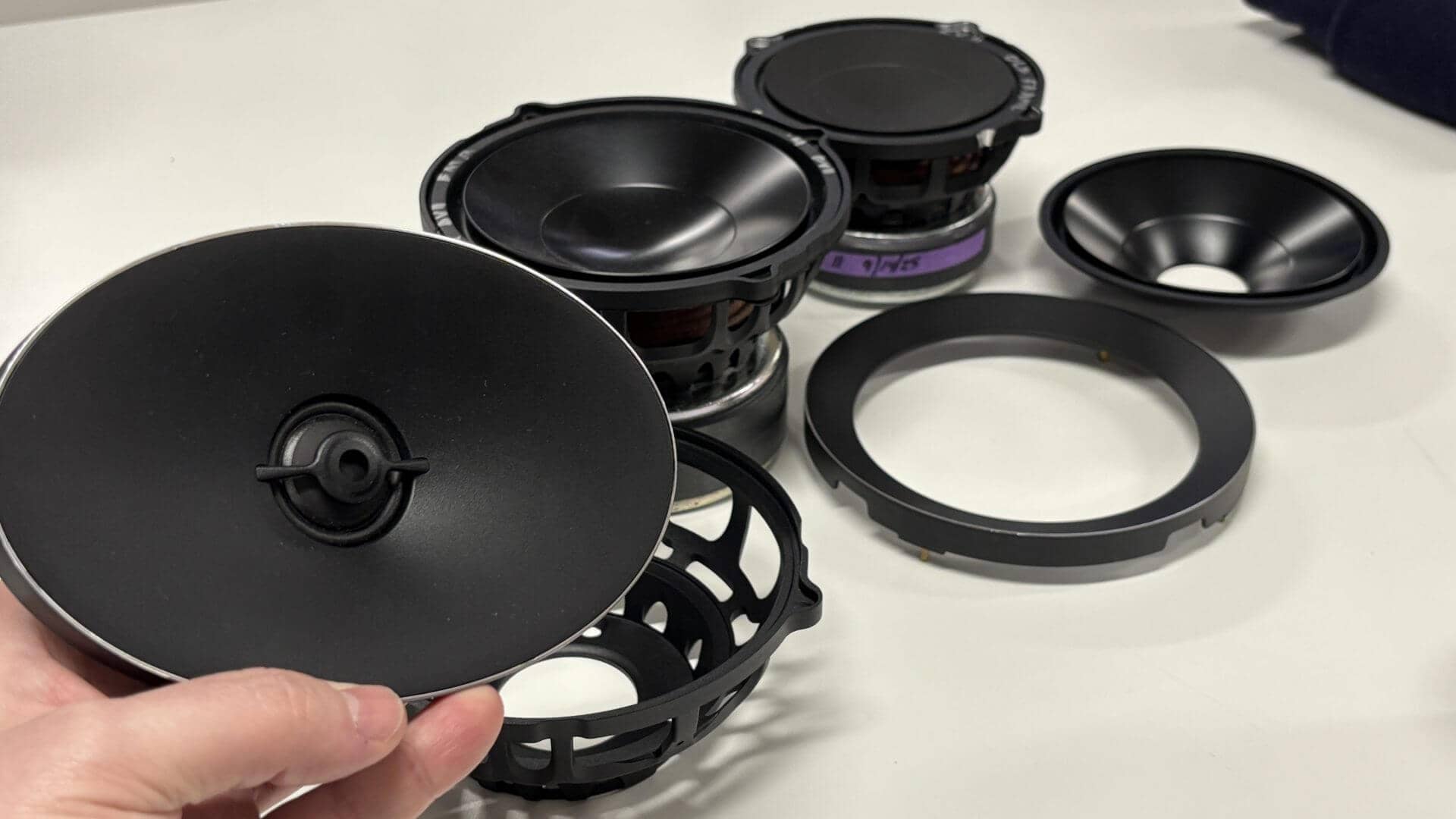
- Two 8-inch wood-fiber bass drivers
- One 6.5-inch wood-fiber midrange driver
- A 1.25-inch soft dome tweeter
- A ⅔” x 1¾” planar-magnetic supertweeter
That last bit is the +½ in the 3½-way formula. The cabinet is reflex-loaded with dual large ports in the back, each bass driver housed in its own chamber thanks to non-parallel dividing panels—a clear nod to controlling resonance and enhancing clarity.
DALI’s “Hybrid Tweeter” is their trademark combo: the dome and the supertweeter work together to deliver a wide horizontal dispersion and extend frequency response from 2.2kHz all the way up to an astonishing 30kHz. I was skeptical at first—my hearing tops out well below 15kHz these days—but the supertweeter isn’t just about hitting those ultrasonic notes. It allows the dome tweeter to focus on slightly lower frequencies, easing the load on the midrange driver and reducing distortion.
Another standout is DALI's innovative driver magnet system. It uses a ferrite ring magnet paired with a pole piece made from their patented Soft Magnetic Composite (SMC) material. This tech reduces distortion by limiting hysteresis and eddy currents, especially in the midrange and bass drivers. Bottom line: cleaner sound that’s truer to the source.
The Opticon 8 comes with cast-aluminum feet, plus adjustable black spikes or floor pads, helping with stability though not absorbing vibrations. This setup is minimalist but effective for a speaker built to impress.
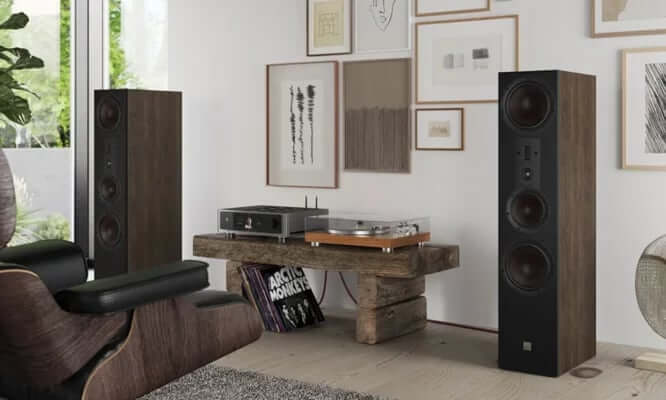
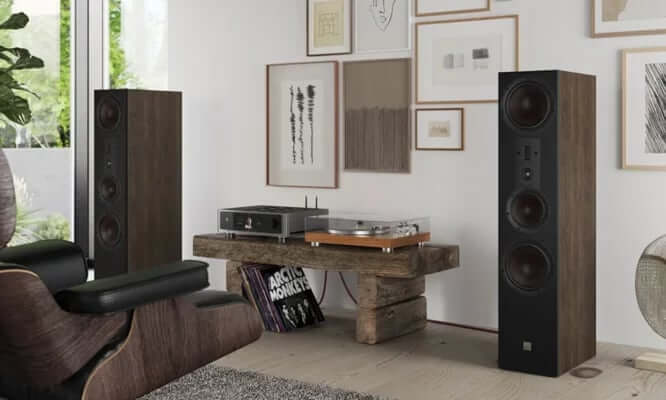
Opticon 8 Mk 2 in a spacious living room, perfect for its powerful performance.
Making the Most of Big Sound in a Big Room
DALI’s quick-start guide advises zero toe-in, and I found that advice spot-on in my large 20′ x 21′ living room. For smaller spaces, a little toe-in can help balance the sound but beware overdoing it—too much toe-in can make the dome tweeter beam too narrowly, disrupting the balance with the supertweeter.
With my ears aligned perfectly on the supertweeter’s axis, the frequency response felt smooth and natural. If you sit higher, tilting the speakers back slightly should do the trick to maintain that sweet spot.
I kicked off my listening sessions with the Cambridge Audio CXN V2 network player and EXN100 integrated amplifier, wiring through AudioQuest Rocket 88 bi-wire cables. The bass had that classic big-room “oomph,” a bit lush and boomy near walls, so I moved my seat closer to the room’s center and the sound settled into a balanced groove as recommended by DALI: at least 12 inches from the rear wall.
On Simple Minds’ Real Life (16/44 Qobuz), Jim Kerr’s voice came through with startling clarity and drama, the ambience and reverb painting a lush, expansive sonic landscape. The bass was tight and extended, proving the Opticon’s prowess down low, while the overall driver integration held up well.
Swapping in the Dan D’Agostino Pendulum integrated amplifier, the highs became silkier and the midrange less dominant but more natural and pleasant for rock music. This amp brought a velvet touch to the sound, enriching the experience on The Police’s Synchronicity Super Deluxe Edition (16/44 Tidal), with its expansive soundstage and crisp live versions. Truly, a delightful way to revisit one of rock’s greatest trios.
“The Opticon 8 is a very revealing speaker, and that’s how I like them.”
— Audio Enthusiast
Scaling Down: How the Opticon 8 Performs in a Cozy Listening Room
Switching gears to my smaller 10′ x 16′ dedicated listening space, outfitted with carpet and angled ceilings, I explored the Opticon 8 with my low-powered Stamina SE Class A MOSFET amplifier and Pass Bride of Zen preamplifier—some of the finest home amps I’ve heard.
A quick PSA: those bi-wire jumpers that often come with high-end speakers? Toss them. They usually have steel cores that kill sound quality despite gold plating. Better to use quality bi-wire cables or jumpers like AudioQuest’s Bare Naked for pure performance.
I tested the Opticon 8 against the Paradigm Founder 80F using Craig Hella Johnson’s Considering Matthew Shepard (24/88 Qobuz)—an incredibly detailed and emotionally stirring choral-orchestral piece, freshly performed live by Coro Lux.
At just 6.5 feet from the speakers, the Opticon 8 struggled a bit with driver integration. For this model, a minimum of 8-9 feet listening distance is ideal to really gel the sound. There was a touch more cabinet coloration than with the Paradigms, and the sensitivity was slightly lower, but the Opticons still sang beautifully.
The Opticon’s ample bass balanced low male voices wonderfully, while solo piano and trumpet were rendered with finesse. Voices felt slightly less lifelike compared to the Paradigms, but the spaciousness and air around instruments created an immersive soundstage that was larger and richer, if less pinpoint-perfect.
The arrival of the Audio Research I/70 integrated amplifier brought new life to the setup, especially on Brian Eno and David Byrne’s My Life in the Bush of Ghosts. The ARC’s tube warmth highlighted midrange textures, and the Opticon’s clarity separated the myriad synths, samples, and percussion with ease—though the top octave detail was a touch subdued until I swapped cables.
Final Thoughts: Scandinavian Soundscaping at Its Best
The DALI Opticon 8 Mk 2 is more than just a bass powerhouse; it delivers a full-range, refined listening experience that sings in medium to large rooms. The speaker’s treble is forgiving and smooth, making it approachable for long listening sessions without fatigue.
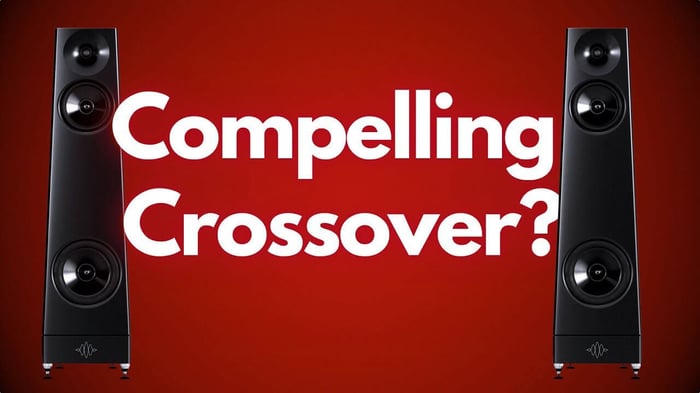
I was initially wary of the complex crossover network—three low-pass and three high-pass circuits, totaling six, which is double what you find in simpler 2½-way designs. But the payoff is a coherent and engaging soundstage that justifies the complexity.
If you have a smaller room, the Opticon 6 might be a better fit, but for those craving full-bodied sound with muscular bass and graceful highs, the Opticon 8 stands tall and proud.
At $6,000 a pair, the Opticon 8 performs like a champion and pairs beautifully with high-end amplification. For music lovers who like to feel every note resonate, this speaker is a joyous companion.
DALI Opticon 8 Specifications & Pricing
- System Type: 5-driver, 3½-way floorstanding loudspeaker, ported enclosure
- Drivers: 29mm soft dome tweeter, 17 x 45mm ribbon supertweeter, 6½” midrange, two 8″ woofers
- Frequency Response: 38Hz–30kHz ±3dB
- Sensitivity: 88.5dB, 2.83V/1m
- Nominal Impedance: 4 ohms
- Recommended Amplifier Power: 40W–300W
- Minimum Distance to Rear Wall: 12″
- Bass Port Tuning Frequency: 29.5Hz
- Dimensions: 9.5″ (W) x 44.9″ (H) x 18.1″ (D)
- Weight: 74.9 lbs
- Price: $6,000 per pair
Associated Equipment Used
- Sources: Cambridge Audio CXC CD transport, EXN100 and CXN v2 streamer/DACs
- Amplifiers: Cambridge Audio EXA100 integrated amplifier, Dan D’Agostino Pendulum integrated amplifier, Stamina SE Class A MOSFET integrated monoblocks, Audio Research I/70 integrated amplifier
- Loudspeakers: Paradigm Founder F80, Bowers & Wilkins 702 S3 Signature
- Digital Cables: Shunyata Research Alpha V2 and Theta, AudioQuest Vodka Ethernet; Shunyata Theta SPDIF
- Analog Cables: Shunyata Theta and AudioQuest Yukon interconnects; Shunyata Theta bi-wire speaker, AudioQuest Rocket 88 speaker
- A/C Power: AudioQuest NRG-Z3, NRG-Y3 and Blizzard, Shunyata Theta NR cables; AudioQuest Niagara 3000 and 1200 conditioners, AudioQuest Fog Lifter spacers
FAQ
- What type of tweeters does the DALI Opticon 8 use? It features a hybrid tweeter design combining a 1.25" soft dome tweeter with a planar-magnetic supertweeter for extended high-frequency response.
- Is the Opticon 8 suitable for small listening rooms? It performs best in medium to large rooms; for smaller spaces, models like the Opticon 6 might be more appropriate.
- What’s unique about DALI’s driver magnet system? It uses Soft Magnetic Composite (SMC) material to reduce distortion by limiting hysteresis and eddy currents in the drivers.
- How deep should the Opticon 8 be placed from the rear wall? At least 12 inches to avoid bass boominess and maintain balanced sound.
- Can the Opticon 8 be used with low-powered amplifiers? Yes, though it has a nominal impedance of 4 ohms and sensitivity of 88.5dB, it can work well with amplifiers starting around 40W.
If you love iconic album artwork as much as the sound that brings it to life, consider shopping for your favorite album cover poster at Architeg Prints—a perfect way to complement your audio sanctuary.
 | DISCOUNTGET 30% OFF*Use code on your next order:
|
* This post may contain affiliate links, meaning we earn a commission if you make a purchase through these links, at no additional cost to you.