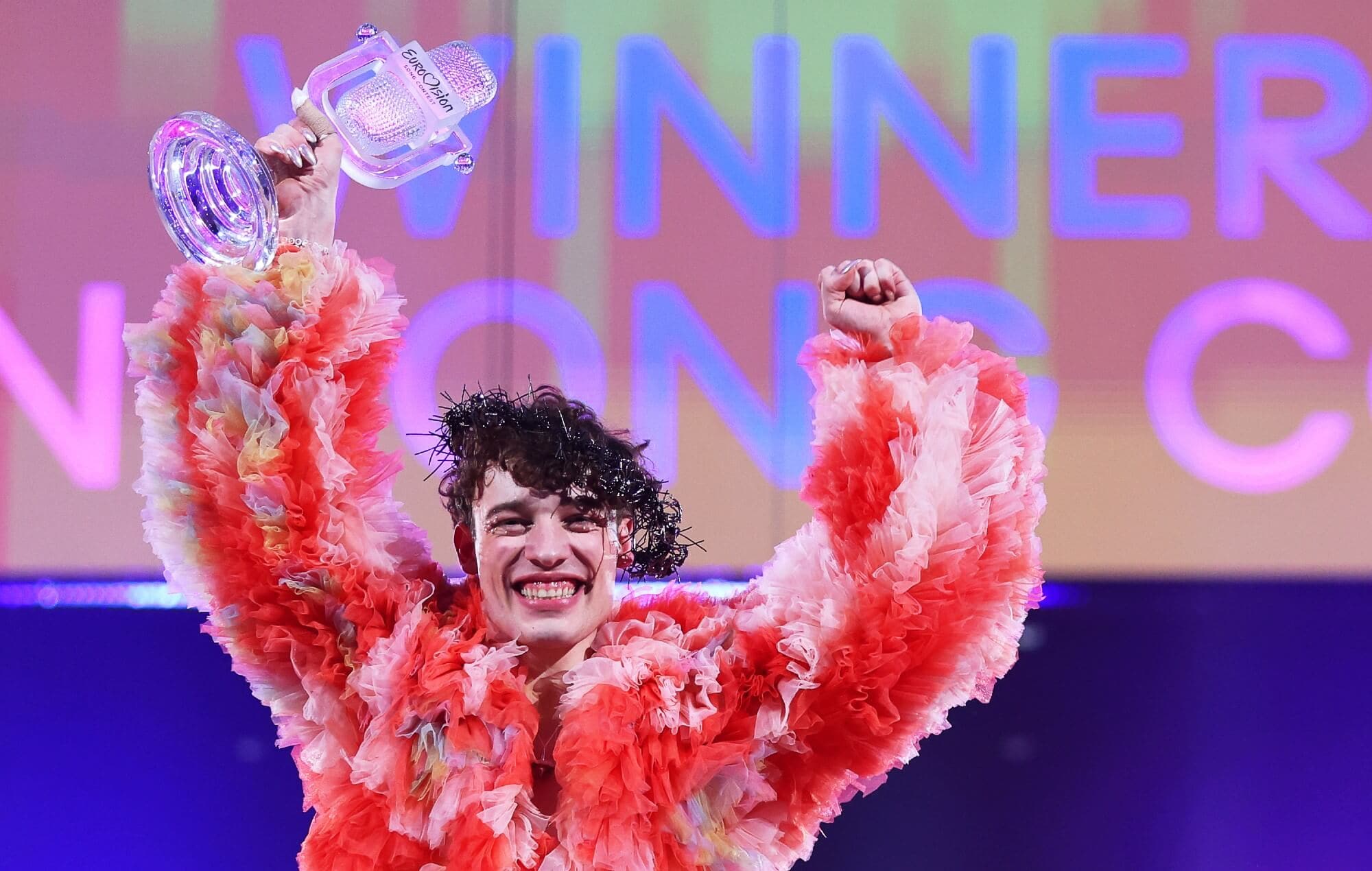
Eurovision Winner Nemo Returns Trophy in Protest Over Israel’s Participation



Eurovision Winner Nemo Returns Trophy in Protest Over Israel’s Participation
Swiss star Nemo returns Eurovision trophy amid controversy over Israel's spot in 2026 contest, sparking debate on music, politics, and justice.
When Music Meets Protest: Nemo’s Bold Stand
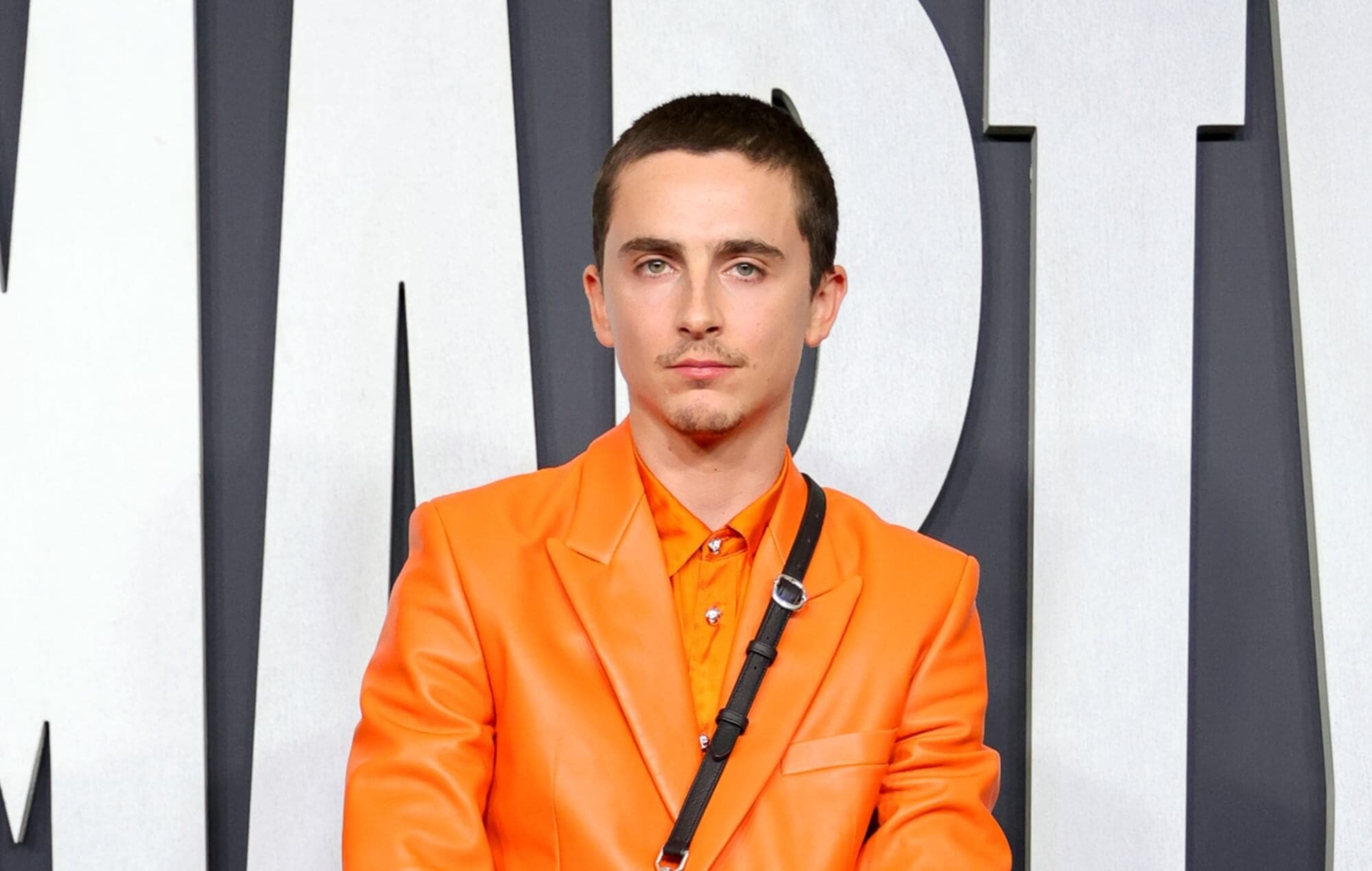
Eurovision has always been more than just a dazzling display of glittering performances and catchy tunes. It’s a cultural phenomenon that brings nations together, celebrates diversity, and gives artists a massive platform to shine. But sometimes, the spotlight reveals more than just talent—it uncovers deep-rooted tensions and political fault lines. That’s exactly what happened when Nemo, the 2024 Eurovision Song Contest winner, made headlines by returning their trophy in protest over Israel's continued participation in the 2026 contest.
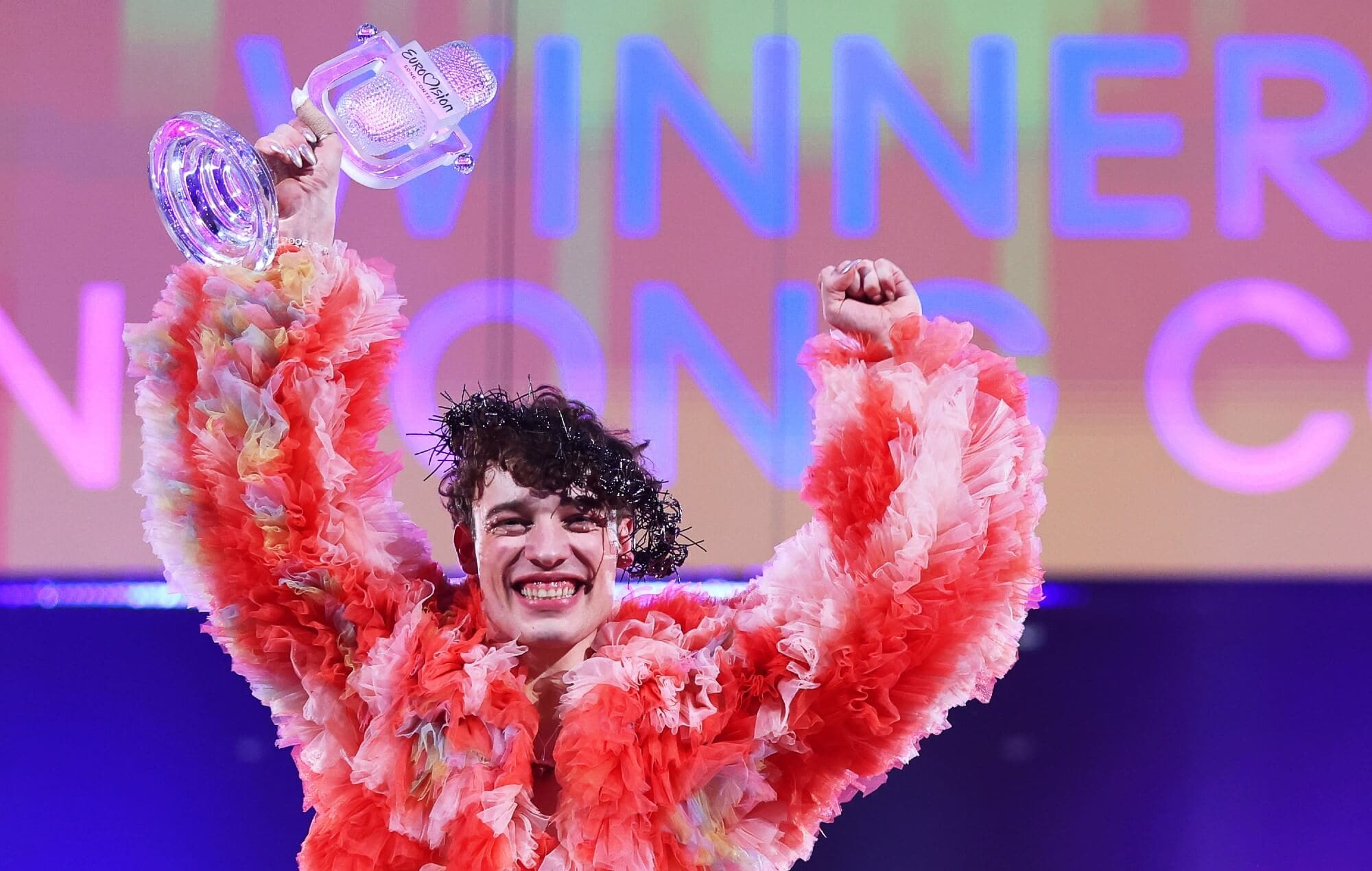
Nemo, who snagged the 2024 title representing Switzerland with their song "The Code", not only made history as the first openly non-binary performer to win the contest but also as an artist unafraid to challenge the status quo. Their decision to send back the trophy was a powerful gesture, criticizing the European Broadcasting Union (EBU) for allowing Israel to compete despite ongoing conflict concerns.
The Controversial Vote: Israel's Participation Confirmed
On December 4, the EBU members voted decisively on Israel’s role in the upcoming Eurovision competition. Despite the ongoing conflict in Gaza and previous controversies surrounding Israel’s voting influence in last year’s contest, 65% of delegates supported the rule change that ensured Israel’s participation would continue without further debate.
This decision means Eurovision 2026 will be held in Vienna on May 16, following Austria’s JJ and their hit “Wasted Love” winning the 2025 contest.
With 23% of votes against the decision and 10% abstaining, the vote wasn’t unanimous but was firm enough to silence any official discussions on excluding Israel.
Israel’s president, Isaac Herzog, expressed pride in his country’s involvement, stating it “deserves to be represented on every stage around the world” and emphasizing Eurovision’s ideals of culture, music, and friendship.
A Growing Wave of Boycotts
The decision didn’t sit well with everyone. On the very day Israel’s participation was confirmed, four countries—Ireland, the Netherlands, Slovenia, and Spain—announced they would boycott Eurovision 2026. Iceland soon followed suit, marking five countries withdrawing from the competition in protest.
Even in Portugal, uncertainty loomed as 11 out of 16 entrants in their national contest vowed to refuse performing if they win the chance to represent their country at Eurovision next year.
Meanwhile, broadcasters in the UK and Germany have taken a different route. The BBC affirmed plans to air the contest, supporting the EBU’s inclusive approach, while German broadcaster SWR confirmed their participation as well.
Nemo’s Heartfelt Message: The Trophy Is Returning
Nemo’s protest was shared on Instagram, where they expressed a mix of gratitude and disappointment. They acknowledged the positive impact Eurovision had on them personally and artistically but made it clear that the trophy no longer felt right to keep.
“Eurovision says it stands for unity, inclusion, and dignity for all. Those values made this contest meaningful to me. But Israel’s continued participation, during what the UN’s Independent International Commission of Inquiry has concluded to be a genocide, shows a clear conflict between those ideals and the decisions made by the EBU.” — Nemo
They emphasized that their protest was not aimed at individuals or artists but at the larger political use of the contest’s platform, which they argue softens the image of a state accused of severe wrongdoing. Nemo pointed out that when entire countries withdraw over this contradiction, it signals a serious problem that cannot be ignored.
With a clear and poignant tone, Nemo concluded:
“That’s why I’ve decided that I’m sending my trophy back to the EBU headquarters in Geneva. With gratitude and with a clear message: Live what you claim. I’m waiting for the moment those words and actions align. Until then, this trophy is yours.”
Voices from Within: Eurovision Director Responds
The Eurovision director Martin Green addressed fans with an open letter acknowledging the complex feelings stirred by the decision to include Israel. He recognized the strong emotions surrounding the Middle East’s conflict and its intersection with Eurovision.
However, Green urged fans to respect the contest’s rules and neutrality:
“The only way the Eurovision Song Contest can continue to bring people together is by ensuring we are guided by our rules first and foremost.”
He assured that any breaches of rules by competing countries would not be tolerated and that the broadcasters who chose to withdraw acted with dignity and respect. Green reaffirmed the EBU’s commitment to maintaining friendships and collaborations with all members, hoping the boycotting countries would return in the future.
Addressing Controversy: Changes to Eurovision Rules
Before the December vote, the EBU announced changes to the voting and promotion rules, aiming to address concerns raised during the last contest. Israel’s 2023 entry, performed by Yuval Raphael with the song “New Day Will Rise", had sparked debates due to an unusual surge in public votes contrasting with low jury points.
New rules include:
- Reduced influence of public voting.
- Reintroduction of juries in the semi-finals.
- Increasing the jury panel to seven members (two more than usual).
These adjustments seek to balance fairness and transparency in the contest, though the political debates surrounding participation remain unresolved.
A Cultural Clash or a Call for Change?
Eurovision, at its best, is a celebration of diversity and unity through music. But as Nemo’s protest shows, it can also become a stage for political expression and ethical dilemmas. When the ideals of inclusion and dignity clash with real-world conflicts, the contest’s organizers, participants, and fans face hard questions about where to draw the line.
Will the EBU’s commitment to neutrality and inclusiveness hold firm, or will the calls for greater accountability grow louder? Nemo’s symbolic gift of returning their trophy has opened a new chapter in Eurovision’s long and colorful history.
FAQ
- Why did Nemo return their Eurovision trophy? Nemo returned their trophy to protest Israel’s continued participation in Eurovision amid ongoing conflict, which they feel conflicts with the contest’s values of unity and dignity.
- Which countries have boycotted Eurovision 2026? Ireland, the Netherlands, Slovenia, Spain, and Iceland have officially withdrawn from the 2026 contest in protest against Israel’s inclusion.
- Has the EBU changed any rules following controversy? Yes, the EBU revised voting and promotion rules, decreasing public vote weight and reintroducing juries in semi-finals to improve fairness.
- What is the EBU’s stance on the political controversy? The EBU maintains Eurovision must remain non-political and guided by its rules to continue uniting people through music.
- Will the boycotting countries return to Eurovision? EBU hopes so; they respect the broadcasters' decisions and aim to maintain friendly ties for possible future returns.
If you’re moved by the spirit of Eurovision and want a lasting reminder of iconic moments in music history, why not check out our collection of favorite album cover posters? Celebrate the artists and messages that inspire us all at Architeg Prints.
 | DISCOUNTGET 30% OFF*Use code on your next order:
|
* This post may contain affiliate links, meaning we earn a commission if you make a purchase through these links, at no additional cost to you.