Every Dinosaur Jr. Album, Ranked: A Fan’s Guide to the Indie Rock Legacy


 See more Architeg Prints stories on Google.
Every Dinosaur Jr. Album, Ranked: A Fan’s Guide to the Indie Rock Legacy
Dinosaur Jr. albums rank the band’s sprawling indie rock journey, from raw beginnings to timeless guitar anthems.
There's something undeniably magnetic about Dinosaur Jr. – that loud, raucous roar of guitars, the raw emotion of J Mascis’s drawling vocals, and a spirit that blends punk grit with classic rock bravado. As a longtime fan, watching their evolution feels like flipping through the pages of indie rock’s wildest chapters. Let’s dive deep and rank every Dinosaur Jr. album, celebrating the highs, the lows, and the sheer noise they brought to the scene.
The Origins of a Dinosaur: How It All Began
Before J Mascis became a guitar hero, he was a drummer in a school jazz band and a hardcore group called Deep Wound. In 1984, he teamed up with drummer Emmett Jefferson Murphy III (Murph) and bassist Lou Barlow—both Amherst teenagers like Mascis—to form Dinosaur Jr. They quickly became notorious for playing so loud that venues across Massachusetts banned them. Yet, their blend of punk energy and guitar solo fireworks earned nods from prominent bands like Big Black and Sonic Youth.
Their landmark second album, You’re Living All over Me (1987), dropped on SST Records, an indie label that was a pillar of the ‘80s alternative scene. It announced their arrival with a thunderous mix of noise, melody, and emotion.
A funny twist came when a San Francisco supergroup named Dinosaurs sued them over their band name, leading to the now-iconic “Jr.” addition on their album covers. It’s almost poetic: Dinosaur Jr. embodied a younger, fiercer beast—three unassuming Massachusetts kids who sounded like giants when they unleashed their sound.
12. Dinosaur (1985)
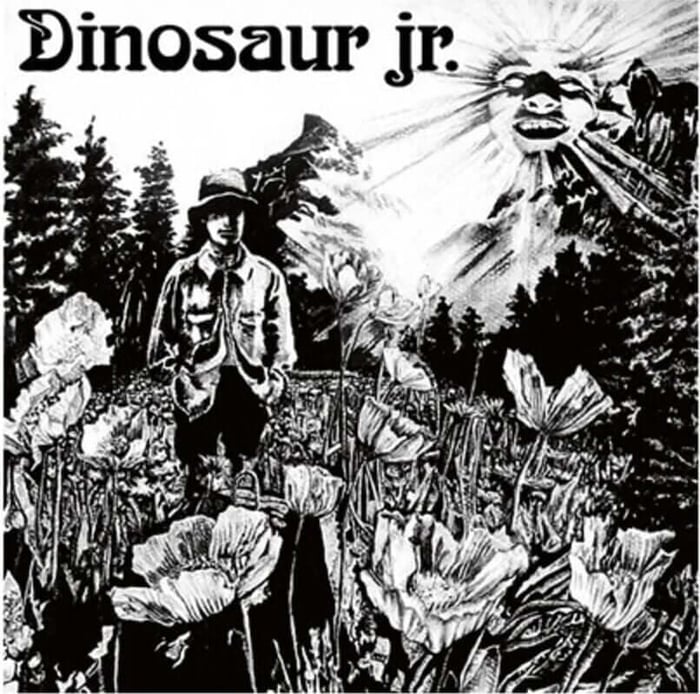
Their self-titled debut was a cautious experiment, moving away from hardcore into more folky and eclectic territory. Recorded in a home studio, Dinosaur sold only around 1,500 copies its first year but contained the seeds of their signature sound. Tracks like “Repulsion” showcased their noisy, guitar-driven style, though the production was tinny and rough around the edges. This album is unique because it features Lou Barlow and Murph taking lead vocals on a couple of tracks—a rarity in later releases.
11. Give a Glimpse of What Yer Not (2016)
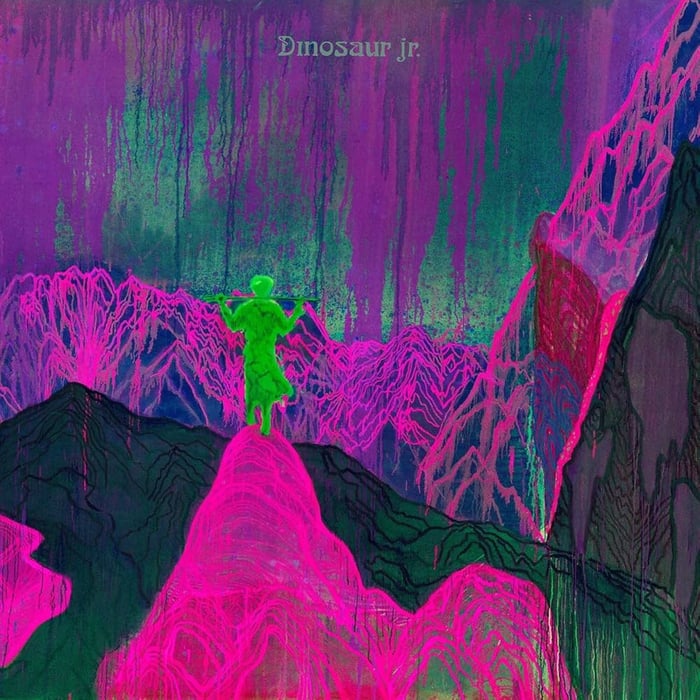
Produced mostly by Mascis himself, this album shows a mature band still exploring its sound. While the guitar sometimes overwhelms other elements, songs like “Knocked Around” echo the vibe of their seminal You’re Living All over Me era, breaking the mold of conventional song structure. Tracks like “I Walk for Miles” and “Be a Part” expertly balance fuzzed-out familiarity with fresh punchy energy. It’s not their tightest record, but it’s a testament to their enduring creativity.
10. Without a Sound (1994)
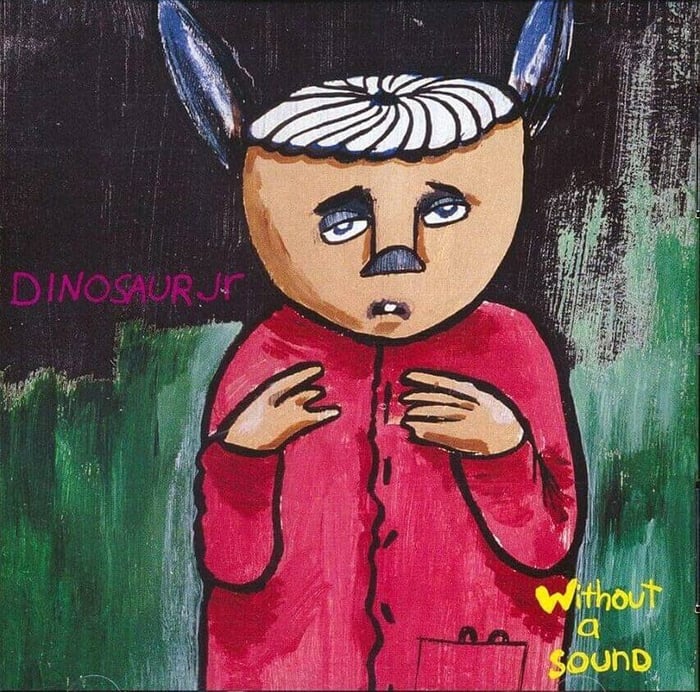
The lead single “Feel the Pain” from Without a Sound became Dinosaur Jr.’s only hit on the Billboard Hot 100, buoyed by a memorable Spike Jonze-directed video that enjoyed heavy MTV rotation. While the album doesn’t quite match that track’s brilliance throughout, it remains a vital part of their catalog. Thalia Zedek’s backing vocals add a textured depth to songs like “Get Out of This,” and despite its occasional sonic heaviness, the album captures a poignant period for Mascis, who was grappling with his father’s passing during recording.
9. Bug (1988)
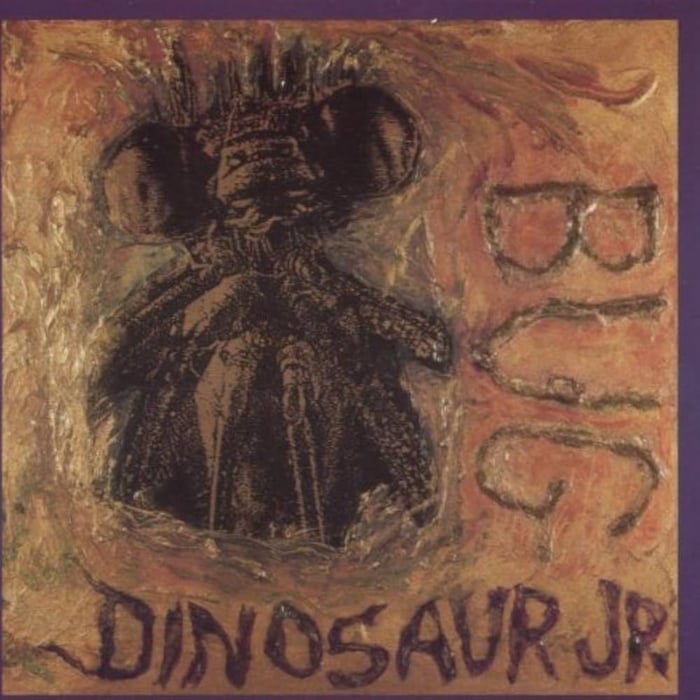
Bug is where Dinosaur Jr. cemented their indie rock anthem status. Mascis’s track “Freak Scene” became one of the decade’s defining songs, shaping the sound of alternative rock and inspiring bands like Sonic Youth. However, tension simmered beneath the surface—Lou Barlow’s anguished vocal on “Don’t” (“Why don’t you like me?”) revealed the strain that would soon lead to his exit. Despite the internal drama, Bug remains an essential album that captures the band at a creative peak.
8. Sweep It into Space (2021)
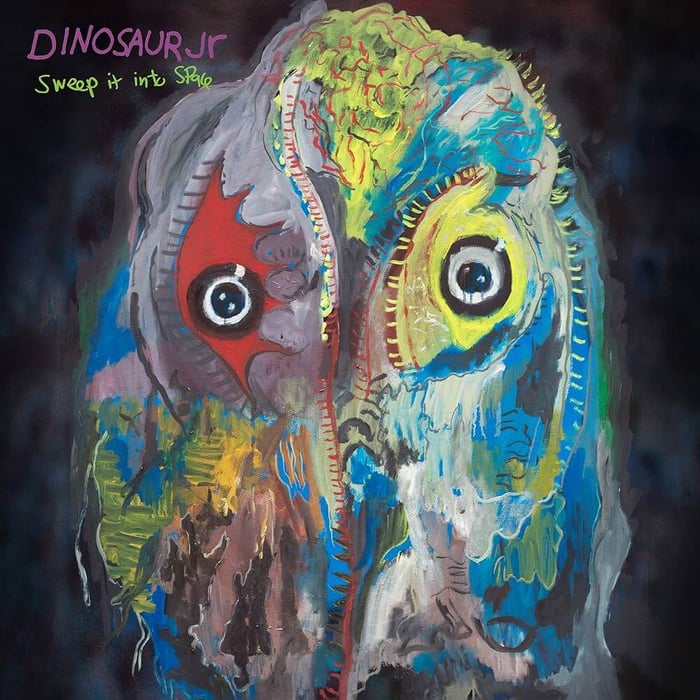
Even after decades, Dinosaur Jr. hasn’t lost their volume or edge. Sweep It into Space proves they still pack a punch, with jangly midtempo gems like “I Ran Away” and “Garden” showcasing the melodic talents of Mascis and Barlow. This album confirms Dinosaur Jr. as one of the rare bands with compelling releases spanning five decades—a remarkable feat in the music world.
7. I Bet on Sky (2012)
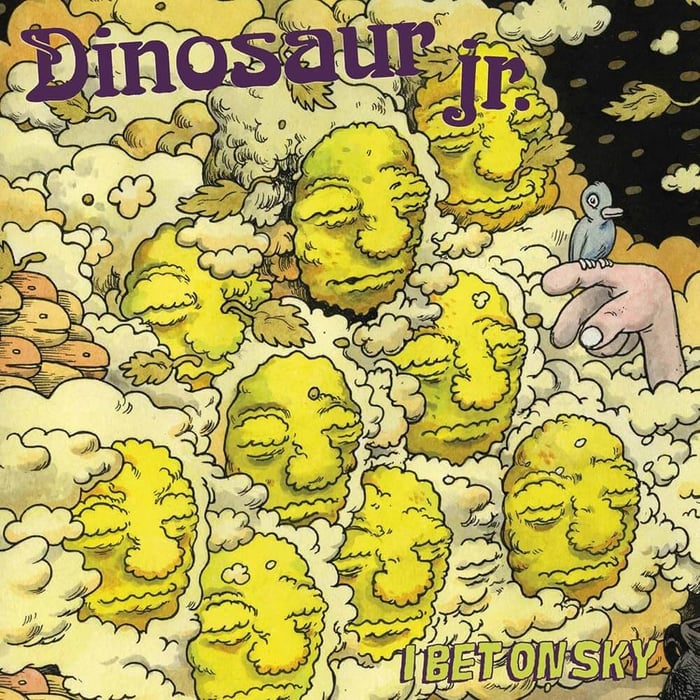
It’s hard to peg Dinosaur Jr. as “funky,” but I Bet on Sky brings a groovy texture to their usual sonic sludge. The playful cowbell and guitar on “I Know It Oh So Well” and Barlow’s relaxed “Recognition” add a fresh layer to their sound. After two reunion albums that leaned heavily on raw power, this one features lush keyboard and acoustic overdubs, adding a psychedelic gloss that rewards repeated listens.
6. Where You Been (1993)
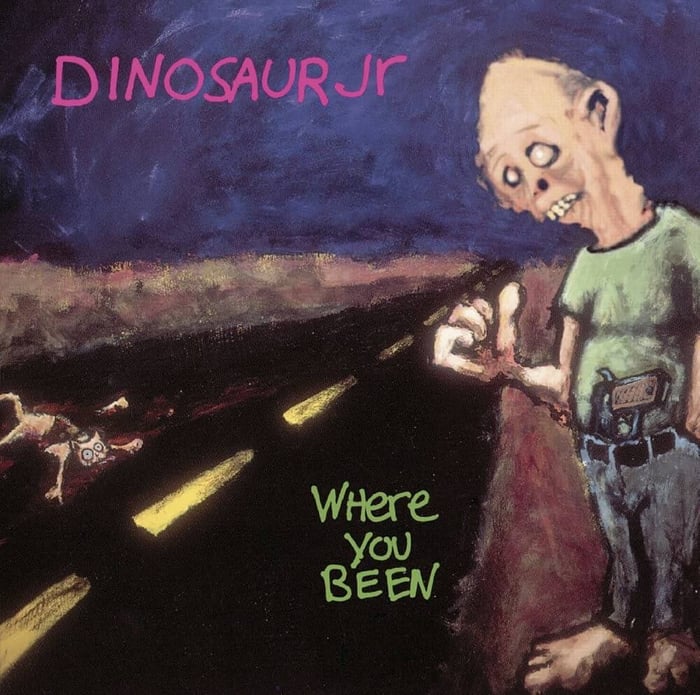
1993 was the year Dinosaur Jr. broke into a wider audience, with “Start Choppin’” becoming a mainstream radio hit and the band playing Lollapalooza’s main stage. This album perfectly balances folkier moments like “Goin Home” with crunching rockers like “Hide.” Mascis’s guitar and vocals intertwine in a way that turns raw self-pity into haunting sadness.
“Somehow his axe and his voice sing the same tune, momentarily transmuting his self-pity into simple sadness.”
— Robert Christgau
5. Beyond (2007)
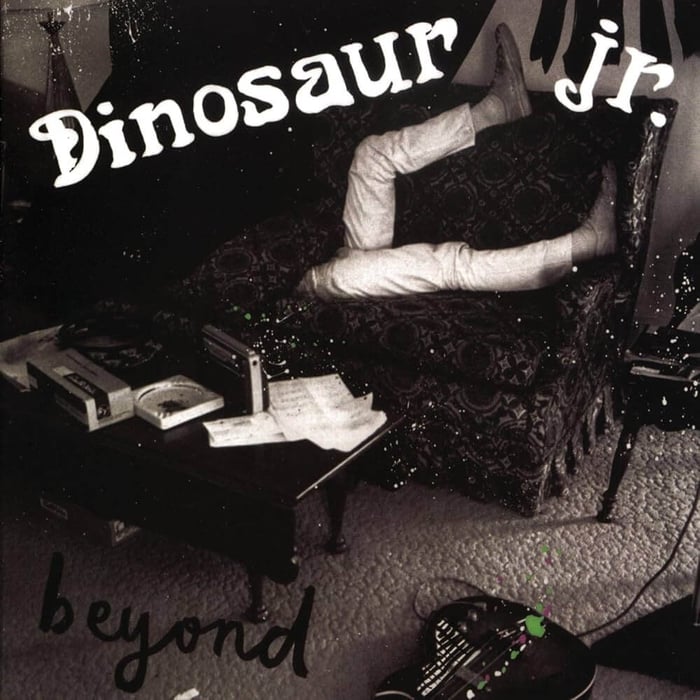
When Dinosaur Jr.’s original lineup reunited for Beyond, it felt like no time had passed. The chemistry was electric, with Barlow contributing songs that melded his Sebadoh style with Mascis’s fiery guitar solos. Murph’s drumming was energetic and explosive, reminiscent of a young Keith Moon. Mascis’s experimentation with effects pedals added new sonic layers that made this album a fresh yet familiar ride.
4. Green Mind (1991)
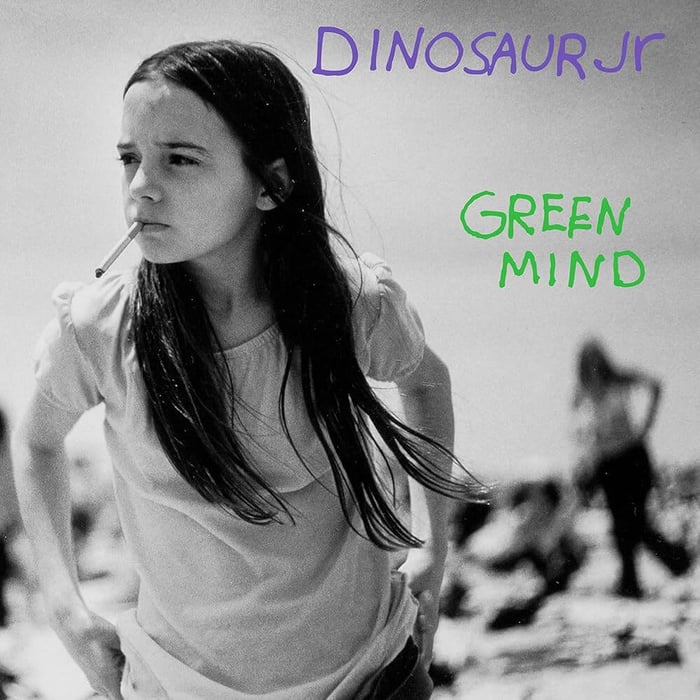
After Barlow’s departure, Mascis took on nearly every instrument for Green Mind, turning Dinosaur Jr. almost into a solo project. The album still had Murph on drums for a few tracks, including the catchy opener “The Wagon.” Mascis’s ability to channel grunge’s slacker ethos with vulnerability in songs like “Puke + Cry” helped the album resonate in the early ‘90s alternative explosion. In fact, Kurt Cobain reached out to Mascis multiple times, citing him as a major influence during Nirvana’s rise.
3. Farm (2009)
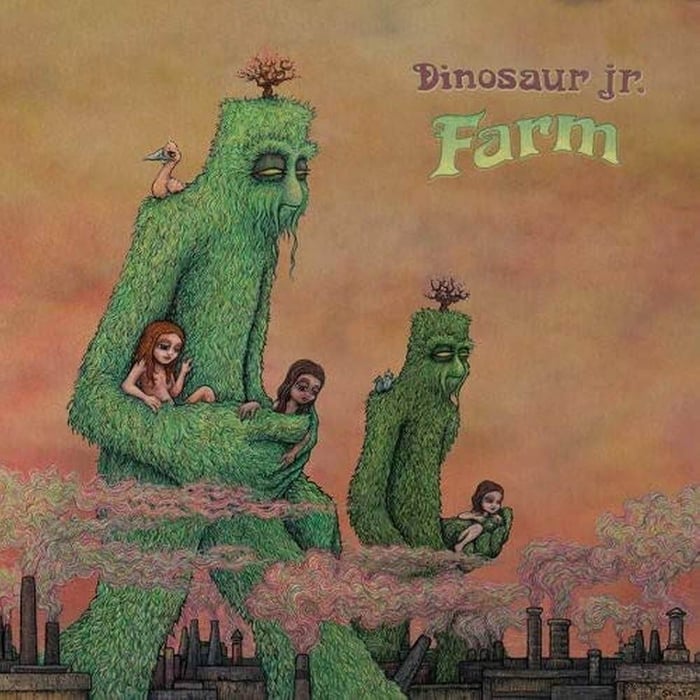
While many bands struggle to recapture magic after a reunion, Dinosaur Jr. defied expectations with Farm. It debuted at No. 29 on the Billboard 200, their highest chart position ever. At a comfortable 60 minutes, it’s their longest album, but the energy never flags. Tracks like “I Don’t Wanna Go There” and “Said the People” are expansive guitar journeys that keep the listener hooked from start to finish.
2. Hand It Over (1997)
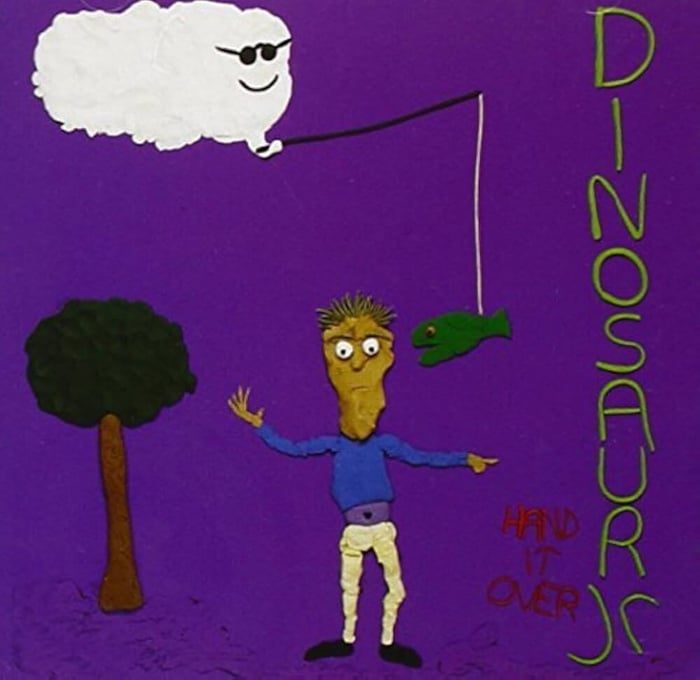
In a surprising confession, Mascis ranked Hand It Over as Dinosaur Jr.’s second-best album. Despite its commercial flop and marking the band’s temporary end, it deserves a deep listen. Mascis delivers his best drumming on this record, especially on “Can’t We Move This” and “Loaded.” The songwriting is filled with bittersweet warmth, with “Sure Not Over You” standing out as a heart-wrenching breakup ballad. Though rarely performed live, it’s an underrated gem in their discography.
1. You’re Living All over Me (1987)
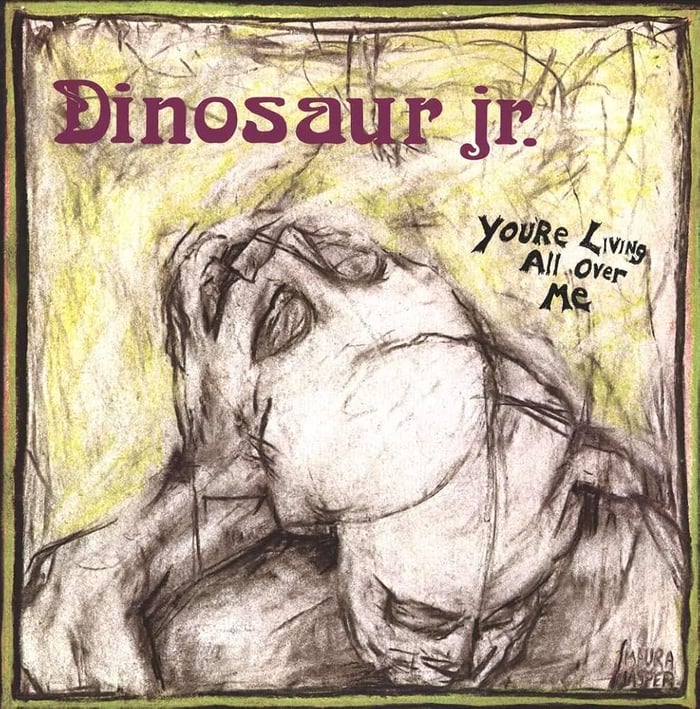
This album remains Dinosaur Jr.’s crowning achievement. Produced by Wharton Tiers, it’s packed with inventive riffs and unpredictable tempo shifts that defy conventional pop structures but hit with unforgettable hooks. Tracks like “The Lung” and “Little Fury Things” showcase Mascis’s brilliance and raw emotion. The album closes with Barlow’s experimental “Poledo,” hinting at his future as a lo-fi pioneer. You’re Living All over Me solidified their place in indie rock history and continues to inspire generations.
FAQ
- What was Dinosaur Jr.’s first album?
Their debut was the self-titled Dinosaur released in 1985. - Why was Lou Barlow kicked out of the band?
Creative and personal tensions culminated after the Bug tour in 1989, leading to Barlow’s dismissal. - Which Dinosaur Jr. album had their biggest commercial hit?
Where You Been (1993) featured “Start Choppin’,” their most successful mainstream single. - Has the original lineup reunited?
Yes, Mascis, Barlow, and Murph reunited in 2005 and have recorded several albums since. - What makes You’re Living All over Me so special?
It’s a groundbreaking album that melded punk, noise, and melody in a way that shaped indie rock’s future.
If you’re inspired by the raw energy and timeless riffs of Dinosaur Jr., why not bring their iconic album covers to life on your walls? Shop your favorite album cover poster at our store and celebrate the legacy every day.
 | DISCOUNTGET 30% OFF*Use code on your next order:
|
* This post may contain affiliate links, meaning we earn a commission if you make a purchase through these links, at no additional cost to you.