Every Steely Dan Album, Ranked: A Deep Dive Into Their Timeless Craft


 See more Architeg Prints stories on Google.
Every Steely Dan Album, Ranked: A Deep Dive Into Their Timeless Craft
Explore the legacy of Steely Dan’s albums, from jazzy classics to studio masterpieces, with every release ranked for fans and newcomers alike.
The Beginning of a Legendary Partnership
Walter Becker and Donald Fagen’s story starts in 1967 at Bard College, upstate New York. Two teenagers bonded over their shared passion for ’50s jazz and beat poetry, a combo that instantly set them apart from their peers. After cutting their teeth in the Brill Building's waning days—the famed Manhattan songwriting factory—they caught the eye of ABC Records producer Gary Katz. Katz urged them to move to Los Angeles and form a band, and thus, Steely Dan was born.
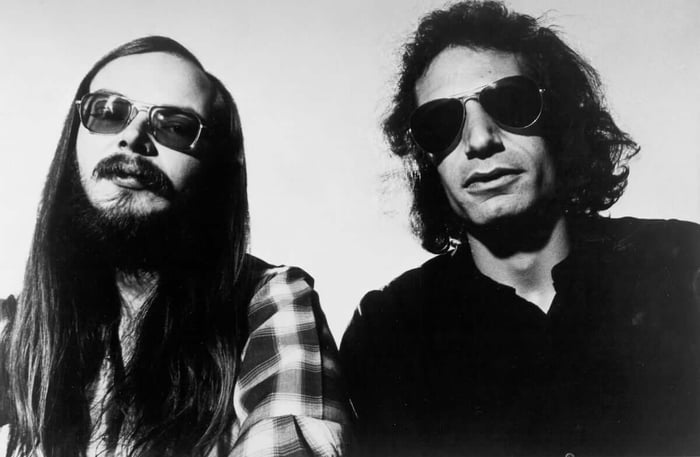
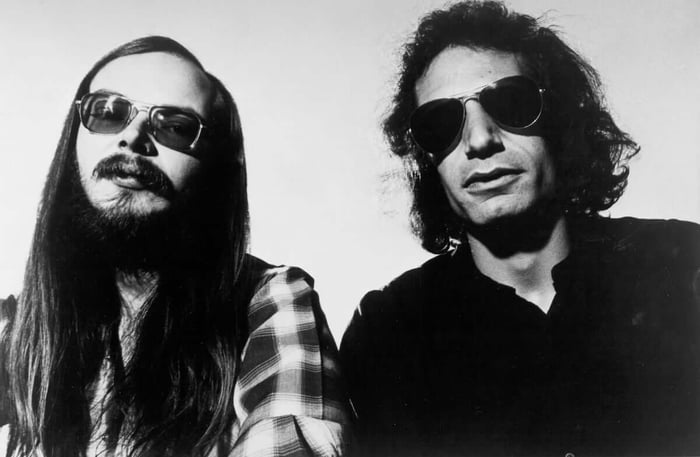
Walter Becker and Donald Fagen of Steely Dan in 1978.
Early Years: Touring, Hits, and a Shift to Studio Magic
From 1972 to 1974, Steely Dan hit the road hard, supporting their first three albums. They scored hits like “Do It Again” and “Rikki Don’t Lose That Number” while opening for the likes of the Kinks and Elton John. But the relentless touring grind soon wore them down. They made a bold choice to become a studio-only band, stepping away from the road to focus on crafting increasingly sophisticated albums with Katz producing and Roger Nichols engineering.
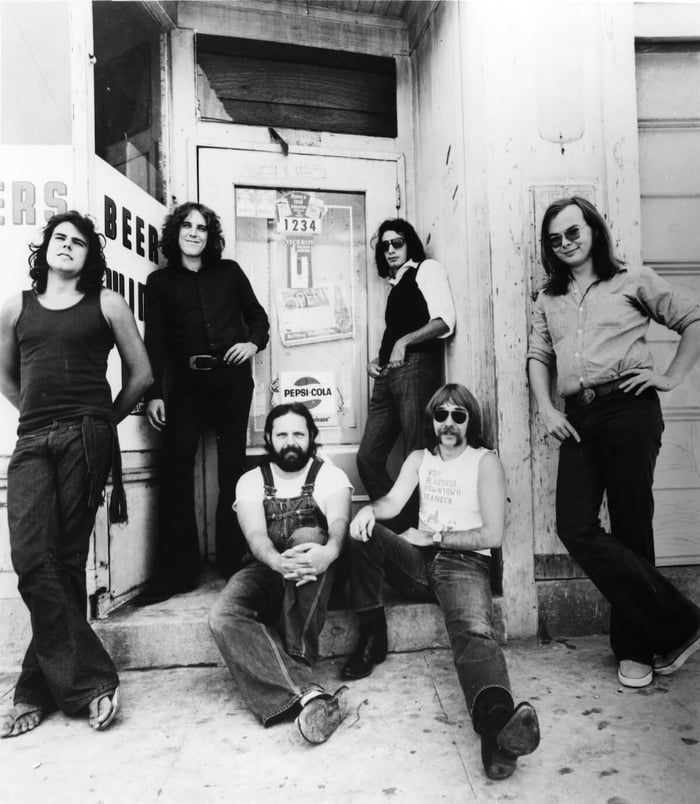
L-R: Jim Hodder, David Palmer, Denny Dias, Donald Fagen, Jeff “Skunk” Baxter, and Walter Becker of Steely Dan in 1972.
Steely Dan’s Rise: Jazz Fusion and Critical Acclaim
Defying the cultural trends and industry norms, Steely Dan’s popularity soared as they leaned into jazzier, complex arrangements. Their string of platinum albums peaked with 1977’s Aja and 1980’s Gaucho—both Grammy Album of the Year nominees. But after disbanding in 1981, Becker and Fagen pursued solo careers, only to reunite in 1993 and continue touring and recording.
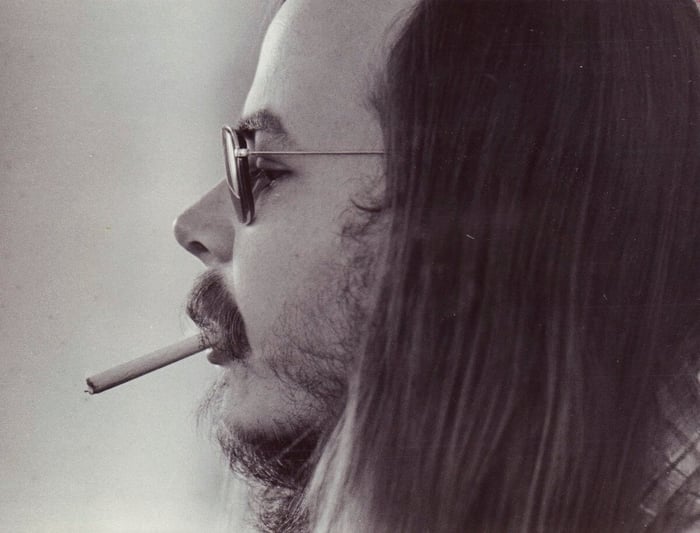
Walter Becker, band leader, in 1976.
Fast forward to the 21st century, the duo released two more studio albums, snagging an Album of the Year Grammy win with 2000’s Two Against Nature. Following Becker’s passing in 2017, Fagen has continued to tour under the Steely Dan name, though the band has been on hiatus since 2024, with Fagen’s stepdaughter calling him “retired.” Let’s explore all their albums, from the highs to the hidden gems.
15. Everything Must Go (2003)
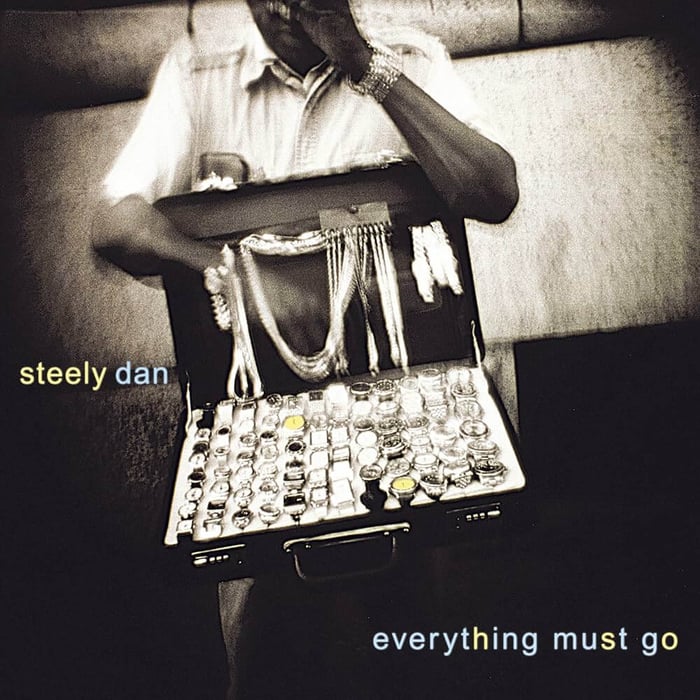
Coming off their Grammy success, Everything Must Go was meant to be just another step forward. But in hindsight, it feels like a farewell note. Tracks like “The Last Mall” and the title song carry a wistful air of finality. Fagen’s sharp lyricism shines on “Godwhacker,” the album’s liveliest cut, where he muses about “the start of the end of history.” Musically, it’s less groundbreaking than previous albums, though “Lunch with Gina” features an unexpected skronky synth solo from Fagen that adds a quirky charm.
14. Donald Fagen’s Morph the Cat (2006)
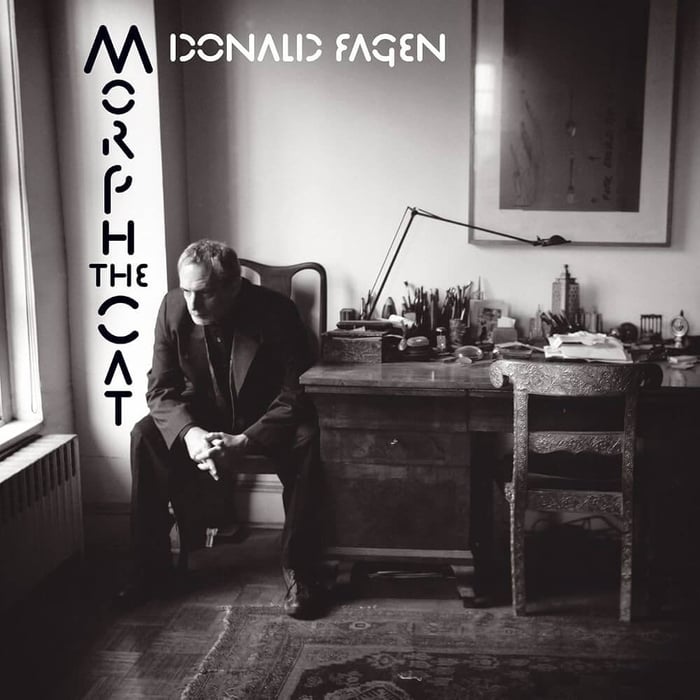
Fagen’s solo work unfolds as a narrative trilogy, with Morph the Cat as the final chapter—his “death album," though playfully so. Picture a shape-shifting cat drifting over Manhattan, and Fagen chatting with Ray Charles’ ghost on “What I Do.” Fagen even credited himself under three pseudonyms for different instruments, adding a whimsical touch to the dense session musician lineup. It’s an album that blends melancholy with sly humor, offering a unique peek into Fagen’s creative mind.
13. Walter Becker’s 11 Tracks of Whack (1994)
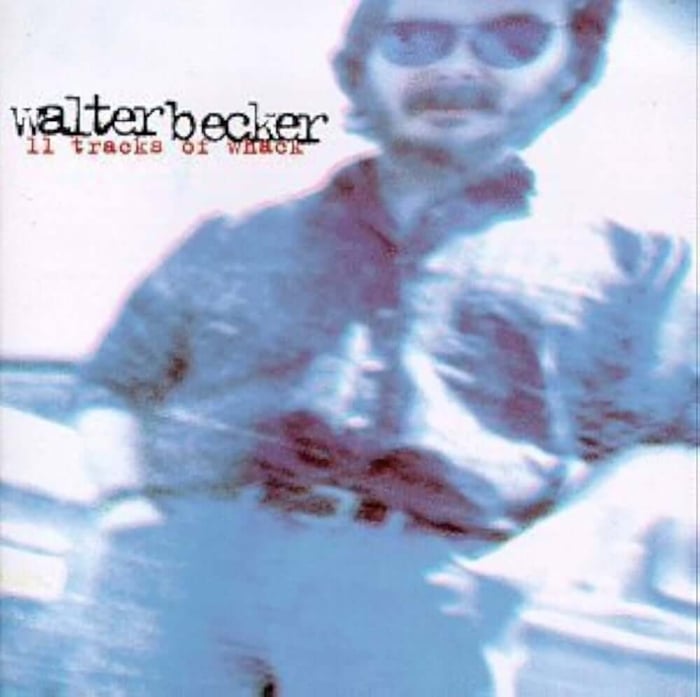
Becker’s solo debut stands apart for its rawness, a refreshing break from Steely Dan’s polished sound. Tracks like “Girlfriend” and “Hat Too Flat” could easily fit into today’s indie bedroom pop scene. His voice, reminiscent of a gruff Warren Zevon, adds a rugged edge to the lo-fi vibe. Despite this rough-around-the-edges feel, Becker’s occasional high notes in “Lucky Henry” reveal his comfort and range as a vocalist.
12. Donald Fagen’s Sunken Condos (2012)
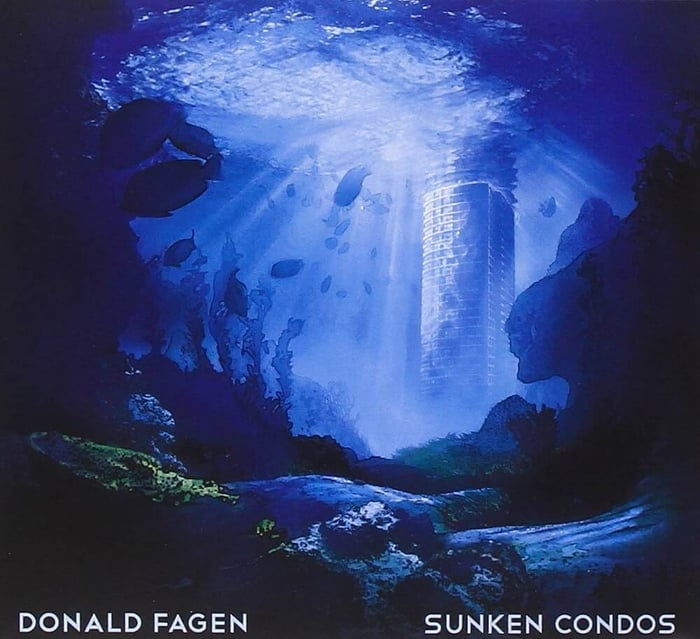
Fagen’s fourth solo album, Sunken Condos, breaks from the Nightfly Trilogy and is also his only solo record without Grammy nods. Yet songs like “I’m Not the Same Without You” and “Weather in My Head” stand strong, showcasing Fagen’s signature sophisticated songwriting. The curious choice to cover Isaac Hayes’ “Out of the Ghetto” feels like a strange detour, but the album overall maintains Fagen’s smooth, jazzy aesthetic.
11. Donald Fagen’s Kamakiriad (1993)
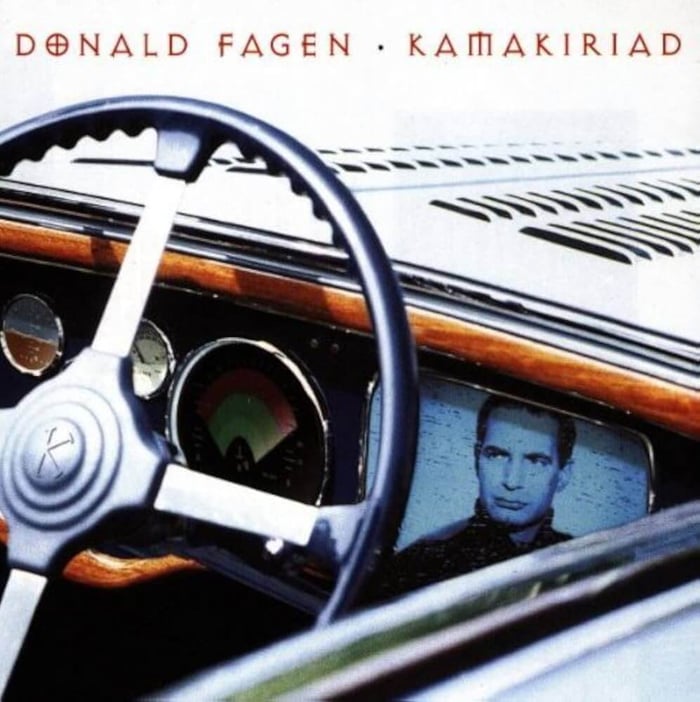
I vividly remember my Dad’s excitement when Kamakiriad dropped in ‘93. Back then, I was all about Pearl Jam and had no clue about Fagen or his polished, plush sound. This album, with its sci-fi themes and utopian visions (think countermoons and thermasuits), stands out in his catalog. It’s a futuristic journey wrapped in smooth jazz-rock, showcasing a different side of Fagen’s storytelling.
10. Two Against Nature (2000)
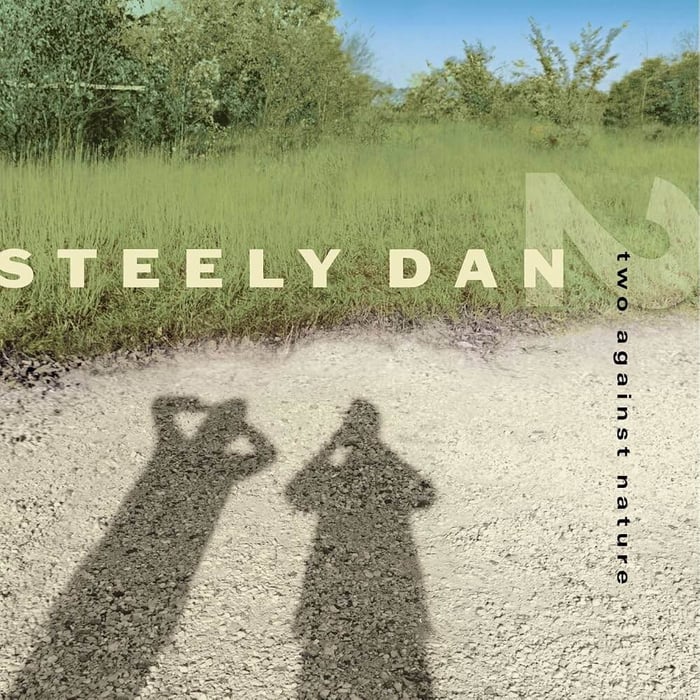
Two Against Nature was the soundtrack to my Dad’s 50th birthday celebration. Boomers were grooving like it was the turn of the millennium’s ultimate party album. The song “Jack of Speed” is a standout masterpiece, yet the album’s sleek, antiseptic production is an acquired taste for many. Winning four Grammys in 2001 felt like overdue recognition for a band that had long defined jazz-rock fusion. Fans still wonder what became of tour-only songs like “Wet Side Story” and “Cash Only Island,” which never saw official releases. Critic Richard Cromelin once described the album's themes as “dreamy decadence” mixed with desperation and depravity—a complex emotional landscape indeed.
9. Walter Becker’s Circus Money (2008)
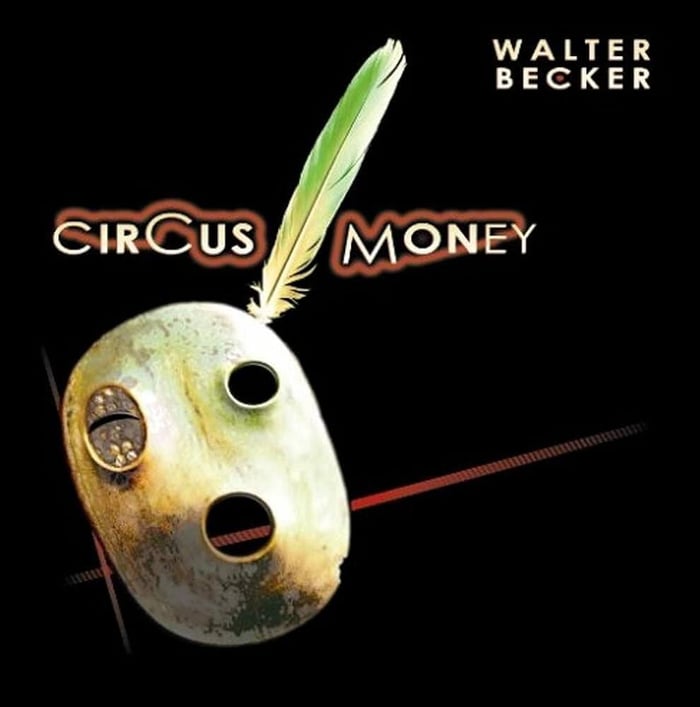
For those who found Steely Dan’s later records a bit too sterile, Becker’s Circus Money offers a warm, groove-heavy retreat. Co-produced with Larry Klein (known for his work with Joni Mitchell and Tracy Chapman), this album features deep reggae rhythms and booming percussion that invite you to sink into its laid-back vibe. The woodwind passages, all played by Roger Rosenberg, add a rich texture, especially on “God’s Eye View.”
8. Donald Fagen’s The Nightfly (1982)
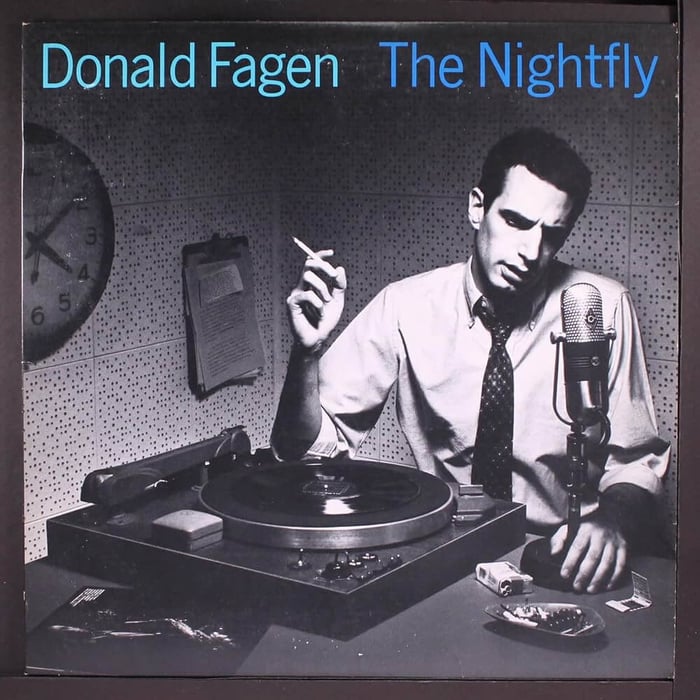
After Steely Dan’s quiet breakup, Fagen’s The Nightfly reflected on his youth with a bittersweet blend of nostalgia and Cold War tension. Songs like “New Frontier” even found early MTV rotation, bridging the gap from classic rock to the emerging pop scene. This album continued Fagen’s streak of Grammy Album of the Year nominations but didn’t launch a full-blown solo career immediately, as Fagen mostly stayed away from the spotlight afterward.
7. Gaucho (1980)
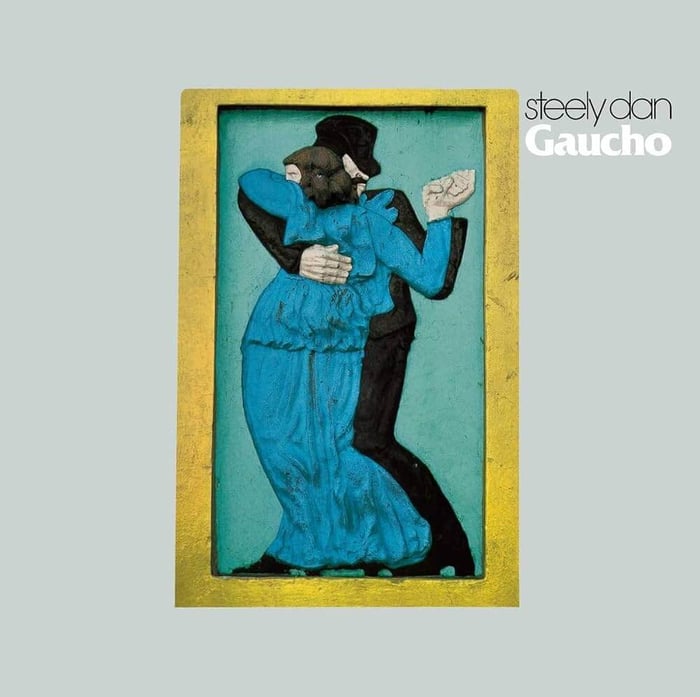
Gaucho was the last album of Steely Dan’s first era, with Becker stepping back to a quieter role. The opener “Babylon Sisters” reportedly went through 278 mixes, resulting in a pristine, hypnotic groove driven by a small army of session musicians. While the rest of the album doesn’t quite reach that peak, the tension between the perfect music and flawed, human lyrics adds a haunting quality that’s quintessential Steely Dan.
6. Katy Lied (1975)
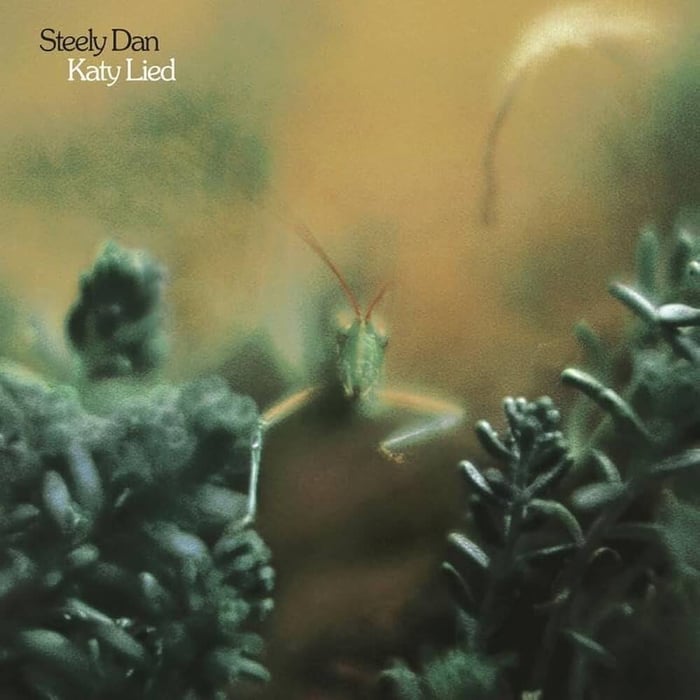
With Becker and Fagen retiring from touring, key players Jeff “Skunk” Baxter and Michael McDonald left to gig with the Doobie Brothers. Yet McDonald’s distinctive vocals remained a crucial part of Steely Dan’s sound on Katy Lied. Classics like “Bad Sneakers” and “Any World (That I’m Welcome To)” feature his lush harmonies, alongside Becker’s fiery guitar solos on “Black Friday” and “Daddy Don’t Live in that New York City No More.” Critic Robert Christgau highlighted the album’s emotional depth, especially in its nostalgic and lyrical first side.
5. Can’t Buy a Thrill (1972)
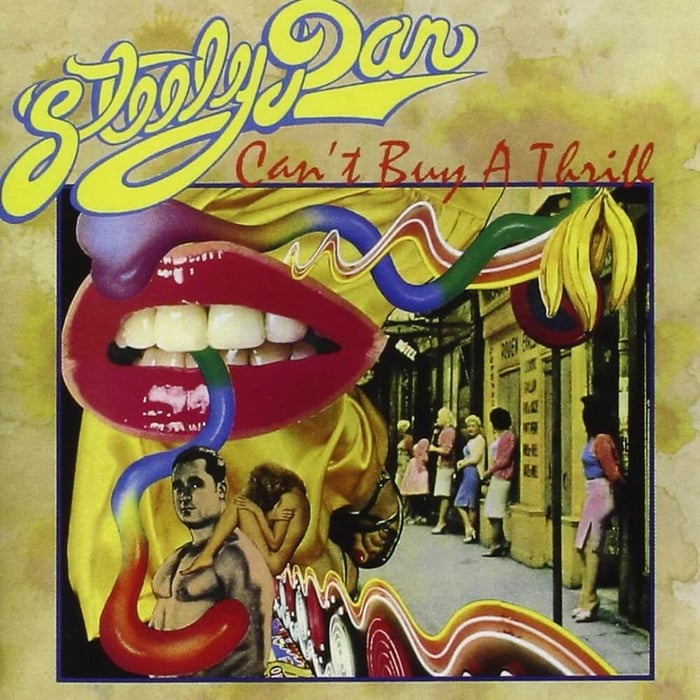
Fagen was initially reluctant to take center stage, sharing lead vocals with David Palmer and drummer Jim Hodder, which gives Can’t Buy a Thrill an uneven but charming feel. Yet it boasts undeniable classics like “Do It Again” and “Reelin’ in the Years.” Palmer’s “Dirty Work” remains a fan favorite. In the streaming era, this debut reigns supreme, being the only Steely Dan album to surpass a billion streams on Spotify—tripling the plays of even *Aja*, their best-selling physical album.
4. Pretzel Logic (1974)

Pretzel Logic might be Steely Dan’s most tightly packed album, delivering the band’s biggest hit, “Rikki Don’t Lose That Number,” and a slew of short, jazzy, and catchy tunes. Before they dove into jazz fusion complexity, Steely Dan was a pop band with a deep love for jazz— evident in the Horace Silver lick on “Rikki” and their cover of Duke Ellington’s “East St. Louis Toodle-Oo.” Growing up, this was the Steely Dan album I heard most, and songs like “Night by Night” and “Barrytown” still hold up beautifully.
3. The Royal Scam (1976)
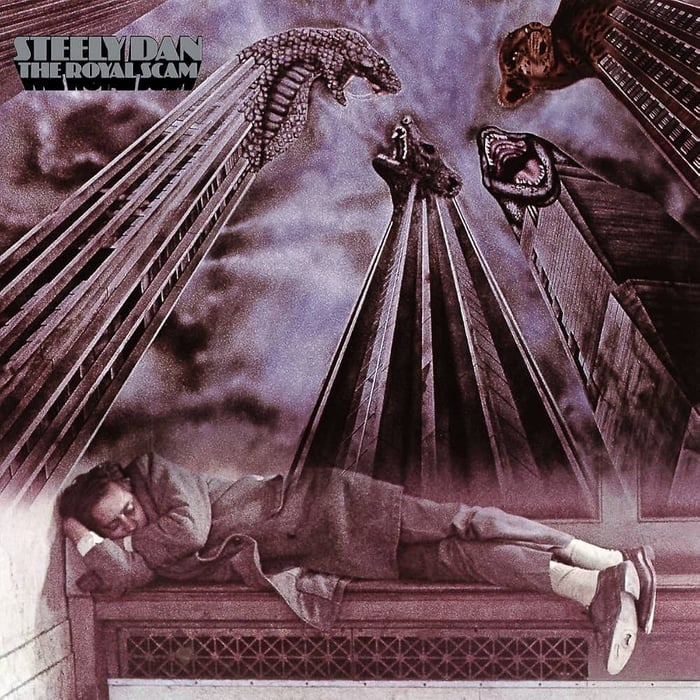
If you want to hear Steely Dan at their funkiest, The Royal Scam is the album—packed with clavinets, Fender Rhodes, and talk box guitars, propelled by the legendary Bernard “Pretty” Purdie’s drumming. “Haitian Divorce” was a top hit in the UK but remains a lesser-known gem in the US. Critic Kenneth Tucker dubbed it “the ultimate ‘outlaw’ album,” where most songs tell stories of evading crimes or sins, creating a darkly cinematic world unlike anything from Southern rock outlaws.
2. Countdown to Ecstasy (1973)
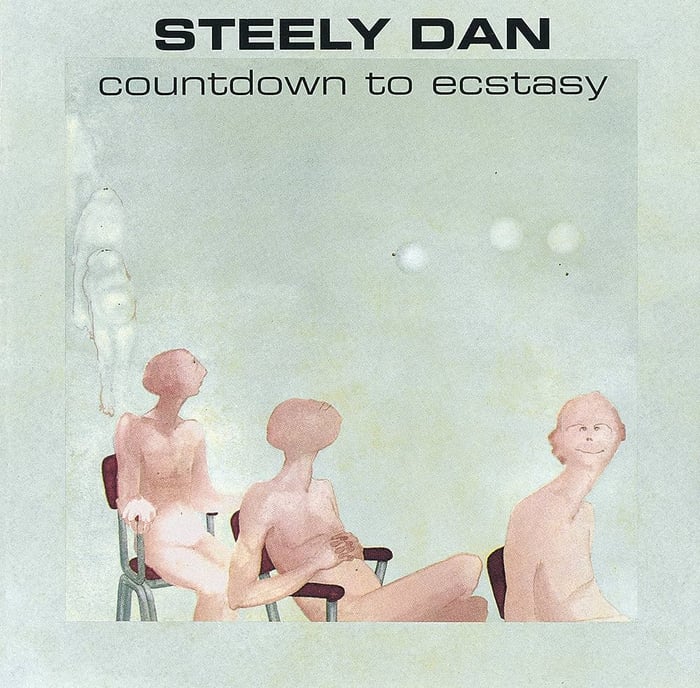
It feels almost unfair that Countdown to Ecstasy was Steely Dan’s lowest-charting album, and it remained their worst seller until *Everything Must Go*. Yet for many, it’s a classic rock staple, loaded with crowd-pleasers like “Show Biz Kids,” “Bodhisattva,” and the sarcastic “My Old School.” Baxter’s guitar work on “The Boston Rag” shines, and the pedal steel guitar adds a pastoral charm to “Razor Boy” and “Pearl of the Quarter.” The ominous closer “King of the World” perfectly caps the album’s cinematic flair.
1. Aja (1977)
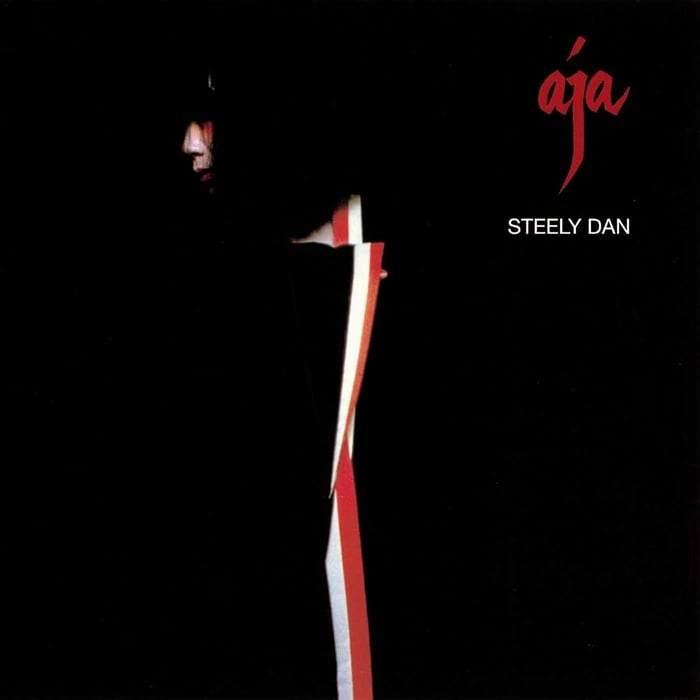
Ah, Aja—the audiophile’s gold standard. I’ve been behind countless sound desks as Steely Dan’s Aja warmed up the room, and it never fails to impress. But it’s not just about high fidelity—the album’s songs like “Peg,” “Black Cow,” and “Deacon Blues” have been endlessly sampled, sung along to, and air-drummed over decades. Steve Gadd’s drum solo on the title track alone is iconic. While “soft rock” once got a bad rap, Aja showed that smooth, intricate pop-rock was very much in the creative vanguard, even if it lost Album of the Year that year to Fleetwood Mac’s *Rumours*.
“Whether packing it in or grasping at straws, the characters in these stories have hurdled directly from the dreamy decadence of the Gaucho days to a narrow ledge.” —Richard Cromelin
Steely Dan's career is a masterclass in blending jazz sophistication with rock’s storytelling, all wrapped in dark humor and impeccable musicianship. Their journey from college kids with a passion for jazz to Grammy-winning legends is a testament to their unique vision.
FAQ
- What made Steely Dan stop touring in the 70s?
They found touring exhausting and demoralizing, choosing instead to focus on creating meticulous studio albums. - Which Steely Dan album won a Grammy for Album of the Year?
Two Against Nature won the Grammy for Album of the Year in 2001. - How did Donald Fagen and Walter Becker meet?
They met as teenagers at Bard College in 1967, bonding over jazz and poetry. - What is unique about the album Aja?
It’s widely regarded as a high-fidelity audiophile classic and features a blend of jazz and rock with exceptional musicianship. - Did Steely Dan continue after Walter Becker’s death?
Yes, Donald Fagen continued touring under the Steely Dan name but the band has been inactive since 2024.
Feeling inspired by Steely Dan’s timeless art? Bring a piece of that magic into your space by shopping your favorite album cover posters at our store Architeg Prints. Perfect for every true fan’s collection!
 | DISCOUNTGET 30% OFF*Use code on your next order:
|
* This post may contain affiliate links, meaning we earn a commission if you make a purchase through these links, at no additional cost to you.