FiiO Snowsky MAGE Sound Card Brings Gamepad Controls to Audio


FiiO Snowsky MAGE Sound Card Brings Gamepad Controls to Audio
The FiiO Snowsky MAGE turns a tiny USB sound card into a playful desk companion with tactile controls, wired audio, and gaming-focused features.
A Sound Card With a Familiar Silhouette
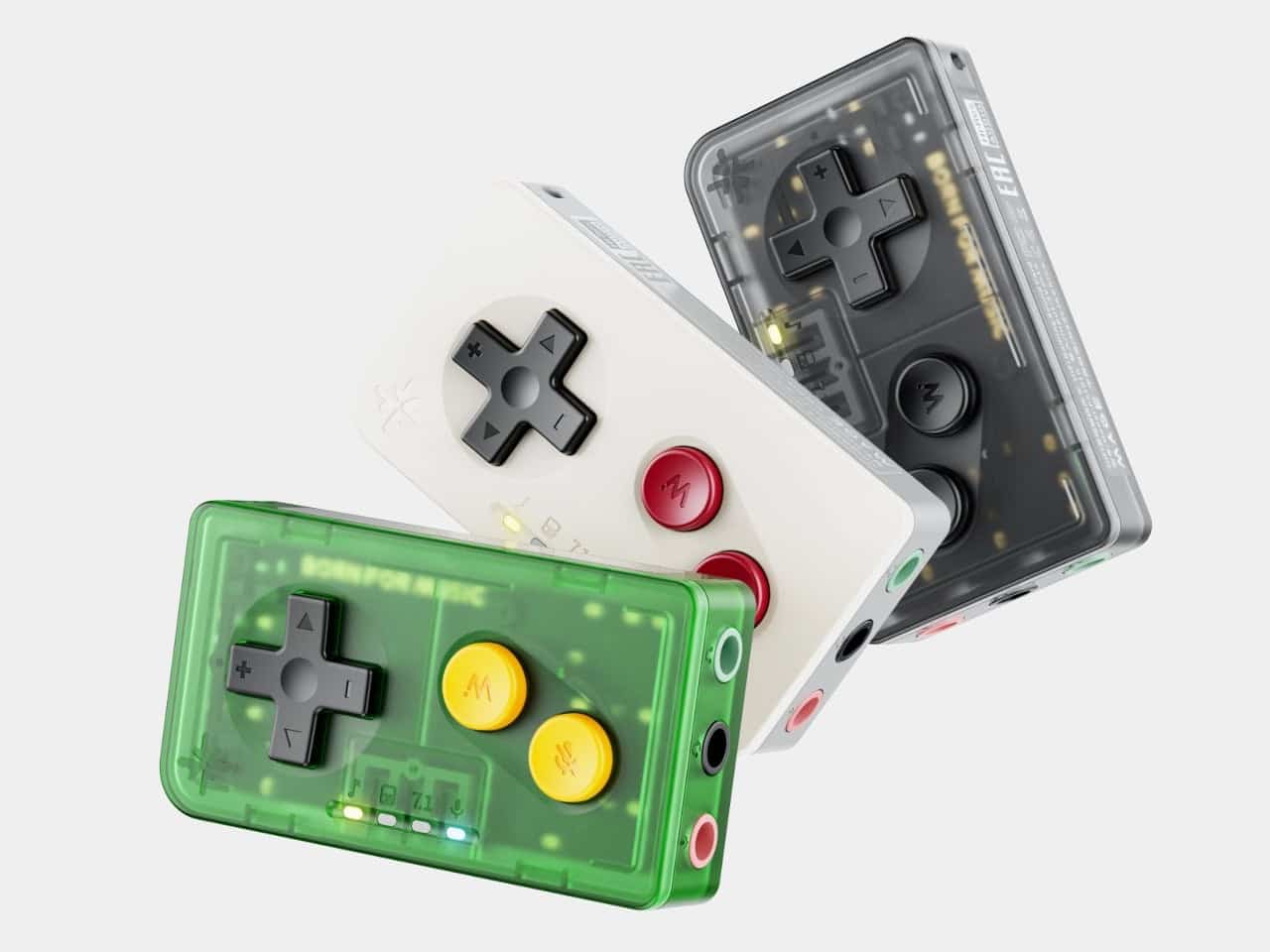
Some gadgets look instantly recognizable before you even know what they do. The FiiO Snowsky MAGE is one of those little devices. With a directional pad and two round buttons, it seems ready to launch a pixelated adventure—but this miniature controller is actually a USB sound card and headphone amplifier.
That familiar layout gives the MAGE a personality most compact audio adapters lack. Instead of disappearing behind a laptop or sitting anonymously beside a desktop monitor, it invites your hand to reach for it. It brings wired audio connections and physical playback controls to your desk while borrowing just enough visual language from classic gaming hardware to spark a bit of nostalgia.

The shape is a flat, rounded rectangle rather than a modern gamepad with sculpted grips. That keeps the device compact and practical, while the button arrangement does the visual heavy lifting. It’s the sort of product that might make you pause mid-playlist and think, “Wait, what exactly is that?”
Three Finishes, Three Different Personalities
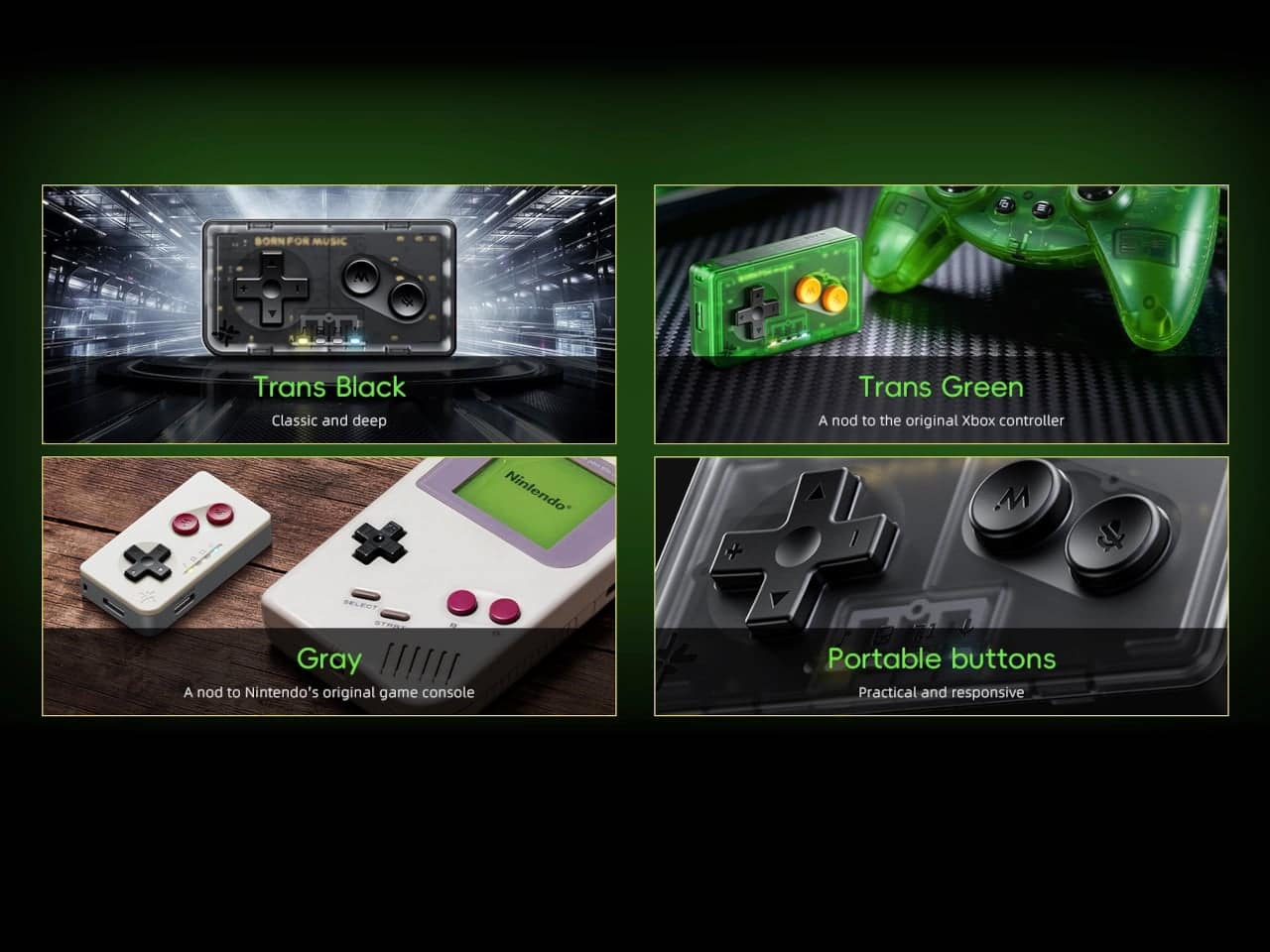
The playful design continues through the available color options. The Gray version combines a light-colored shell with dark red buttons, an arrangement that recalls the original Game Boy without copying it outright. It has the strongest retro flavor, the kind of color combination that feels like it belongs beside an old cartridge case.
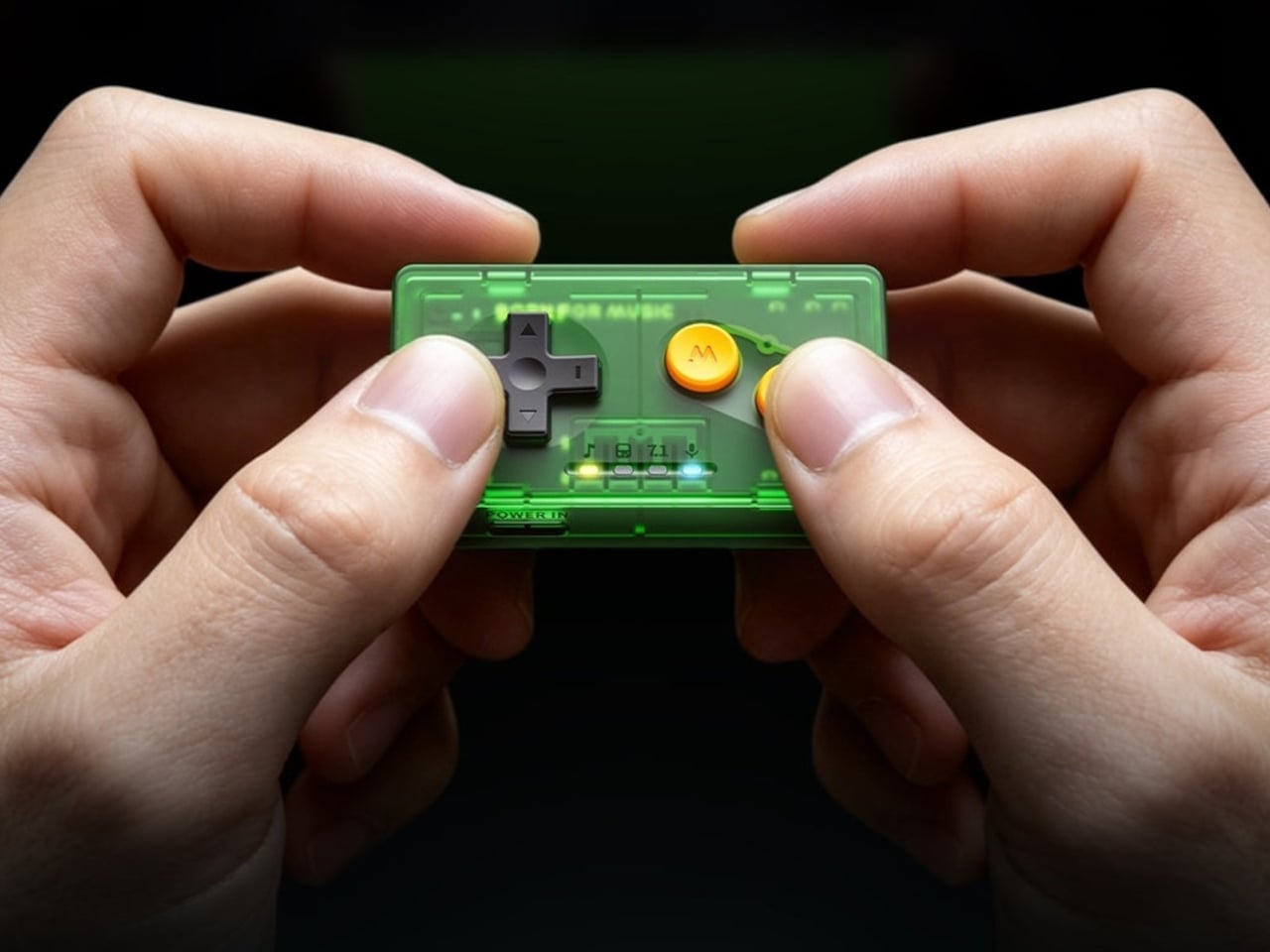
Transparent Green takes a much louder approach. Its yellow buttons and visible internal circuitry make the sound card feel almost like a piece of electronics turned inside out. Rather than hiding the components beneath an opaque shell, this version makes the circuitry part of the decoration.

Transparent Black is the more restrained option. It still reveals the technology inside, but with a darker and less attention-grabbing presentation. Whether you prefer subtle desktop equipment or a bright retro accent, the three finishes give the same compact hardware noticeably different moods.
The transparent shells are especially effective because they don’t treat the electronics as something to conceal. In a world full of small black adapters, showing the circuitry helps the MAGE feel more intentional. It looks less like a forgotten dongle and more like a tiny object designed to be seen.
The D-Pad Actually Does Something
Of course, a gamepad-inspired sound card would feel like a missed opportunity if the controls were merely decorative. Fortunately, the MAGE’s directional pad is functional. It handles volume adjustments and track changes, giving your thumb a more tactile way to control listening than a thin row of barely distinguishable buttons.
That makes a difference when the device is sitting within easy reach. You don’t have to search for a tiny control on your computer screen or reach for your phone just to skip a song. The D-pad turns those everyday actions into simple physical gestures.
The two round buttons take on different jobs. One mutes the microphone, which is particularly useful during gaming sessions or voice chats. The other manages playback, mode switching, and virtual surround depending on how it’s pressed. In other words, the controls are compact but not one-dimensional.
There are four indicator lights to help communicate what’s happening. They show the current listening mode, surround setting, and microphone status without adding a screen to the device. That keeps the body clean and small, although users will still need to remember which button press triggers which function. The MAGE may look instantly familiar, but its control scheme still has a small learning curve.
Three Audio Connections for Different Setups
The controls are only half of the MAGE’s usefulness. Along one edge, three 3.5mm audio jacks support several wired listening arrangements.
There’s a dedicated microphone input, a headset connection that supports an attached microphone, and a separate headphone output. That gives you the option to connect a gaming headset or pair separate headphones with a standalone microphone. It’s a flexible approach for a small sound card, particularly for people who switch between gaming and regular music listening.

The microphone mute button becomes especially handy here. Maybe someone walks into the room while you’re in a team conversation, or perhaps the dog has decided that silence is unacceptable. A quick physical press can keep those background moments from becoming part of everyone else’s evening.
That balance between audio playback and communication is central to the MAGE’s design. It isn’t limited to being a headphone amplifier for music, nor is it only a gaming accessory. Its layout is built around moving between both uses without requiring a different adapter every time.
From HiFi Listening to Game Night
The MAGE can switch between HiFi and Game modes, allowing the same compact unit to follow you from a playlist to a multiplayer session. That transition is reflected in its sound profiles. There are seven music profiles and four gaming presets, with options designed around shooters, MOBAs, role-playing games, and rhythm games.
Those categories suggest a device aimed at different listening priorities. A shooter may benefit from a presentation focused on directional cues, while a role-playing game might call for a broader, more atmospheric sound. Rhythm games, meanwhile, place their own demands on timing and clarity. The presets provide a starting point without asking you to adjust everything manually.
For users who want more control, the FiiO Control Android app adds a 10-band parametric equalizer. That means you can shape the output for different headphones instead of accepting the tuning chosen by the headphone manufacturer. It’s a useful option for anyone who likes to fine-tune bass, mids, and treble—or who owns several pairs that each need a slightly different approach.
The app-based adjustment also gives the MAGE more flexibility than its tiny body might suggest. The physical controls keep everyday tasks quick, while the app handles deeper customization in the background.
Virtual Surround and High-Resolution Support
Inside the MAGE, a 400MHz processor accepts eight audio channels and applies virtual 7.1 surround processing for stereo headphones. The goal is to create a stronger sense of where sounds are coming from without requiring a special surround headset.
That can be useful in games where positioning matters. The processing is intended to suggest whether a sound is coming from one direction or another, giving stereo headphones a wider and more directional presentation. Still, the specifications shouldn’t be mistaken for a guarantee of perfect awareness in every match. Hardware features can support the experience, but they can’t replace a player’s ears, settings, or reactions.
The MAGE also supports PCM audio up to 384kHz and native DSD256 music files. Those are impressive format specifications for such a small product, especially for listeners who keep high-resolution files in their libraries. At the same time, a higher number on a specification sheet doesn’t automatically mean better sound, and it certainly doesn’t guarantee that you’ll hear an opponent rounding the corner.
That distinction is worth keeping in mind. The MAGE offers plenty of flexibility on paper, but the real appeal is the combination of useful controls, multiple connections, and a personality-filled design. The experience is more than any single audio number.
Two USB-C Ports Add a Practical Twist
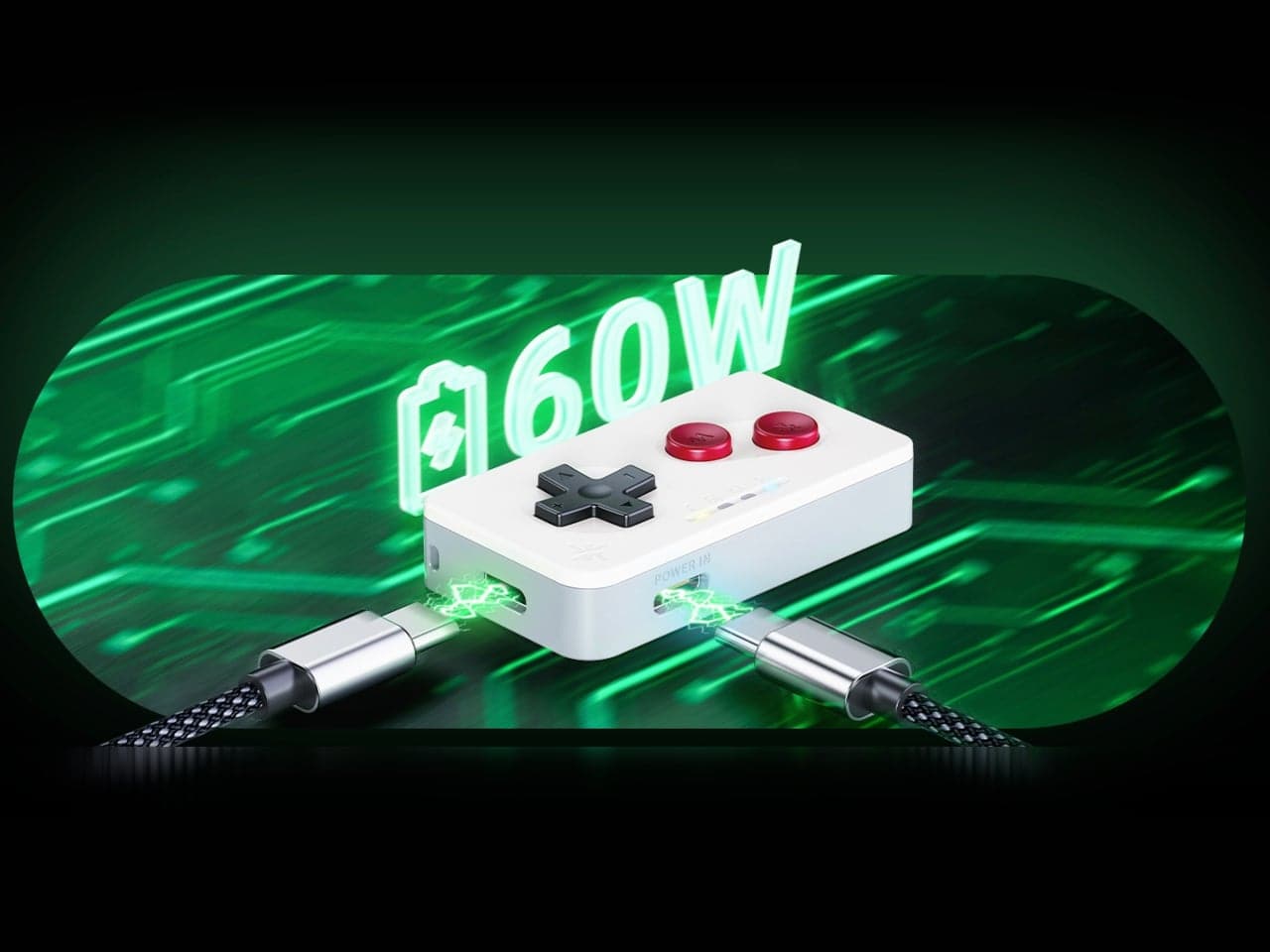
There’s one more detail tucked around the edges: the MAGE has two USB-C ports. One handles the audio connection, while the other serves as a power input.
That separation allows a compatible phone to charge while your wired headphones remain connected. FiiO specifies support for up to 60W PD charging, although the actual result depends on the connected device and cable compatibility. You’ll still need an external charger, but the arrangement means you don’t necessarily have to choose between listening to music and keeping your phone’s battery alive.

It’s a surprisingly thoughtful feature for a device this small. The MAGE isn’t just trying to look like a miniature console accessory; it’s also solving a common modern annoyance. One port keeps the audio setup in place, while the other helps support the phone connected to it.
Small Enough to Disappear, Fun Enough to Notice
The MAGE measures roughly 2.17 inches long and weighs about 0.53 ounces. That makes it smaller than the button layout might lead you to expect. It has the visual presence of a little game controller, but the physical footprint of an accessory you could easily carry between a desk, laptop bag, and gaming setup.
Apos lists the MAGE at $19.99 in the United States, although it’s currently sold out there. At that price, its appeal comes not only from its audio functions but also from the sense of character it brings to a very ordinary category.
You won’t be using the D-pad to steer a character, naturally. You’ll be changing volume, skipping tracks, muting a microphone, switching modes, and controlling playback. And yes, you’ll need to remember which press does what. Nostalgia can make a device feel instantly familiar, but it doesn’t completely erase the learning curve.
Still, that’s part of the charm. The FiiO Snowsky MAGE takes a familiar gaming shape and repurposes it for the rituals of modern listening. It’s a tiny sound card with a little attitude—compact, tactile, and just playful enough to make wired audio feel exciting again.
Conclusion
The FiiO Snowsky MAGE stands out by making a practical USB sound card feel personal. Its D-pad controls, microphone mute button, multiple audio jacks, HiFi and Game modes, app-based equalizer, virtual surround processing, high-resolution support, and dual USB-C ports give it plenty of utility. The retro-inspired shell simply makes those features more fun to use.
Would you keep a gamepad-shaped sound card on your desk, or do you prefer your audio gear to stay invisible?
FAQ
- What is the FiiO Snowsky MAGE?
The FiiO Snowsky MAGE is a USB sound card and headphone amplifier with physical controls inspired by a compact gamepad. - What does the D-pad control?
The directional pad manages volume and track changes, giving users tactile control over everyday playback functions. - Can the MAGE work with a gaming headset and microphone?
Yes. It includes a headset connection that supports an attached microphone, along with separate microphone and headphone outputs for more flexible setups. - Does the MAGE support virtual surround sound?
Yes. Its 400MHz processor applies virtual 7.1 surround processing for stereo headphones. - How much does the FiiO Snowsky MAGE cost?
It is listed at $19.99 in the United States, although it is currently sold out there.
If the FiiO Snowsky MAGE’s playful design brings back memories of favorite consoles and late-night listening sessions, you can carry that same feeling into your space with a favorite album cover poster from Architeg Prints.
 | DISCOUNTGET 30% OFF*Use code on your next order:
|
* This post may contain affiliate links, meaning we earn a commission if you make a purchase through these links, at no additional cost to you.