Four Countries Announce Eurovision 2026 Boycott After Israel Cleared to Compete



Four Countries Announce Eurovision 2026 Boycott After Israel Cleared to Compete
Ireland, the Netherlands, Slovenia, and Spain are set to boycott Eurovision 2026 after Israel’s participation was confirmed.
The Eurovision Storm Brewing for 2026
Eurovision fans, brace yourselves. The beloved song contest is heading into stormy waters as four countries—Ireland, the Netherlands, Slovenia, and Spain—have announced their boycott of the 2026 edition. Why? Because Israel has been given the green light to compete despite rising calls from some broadcasters demanding its exclusion.
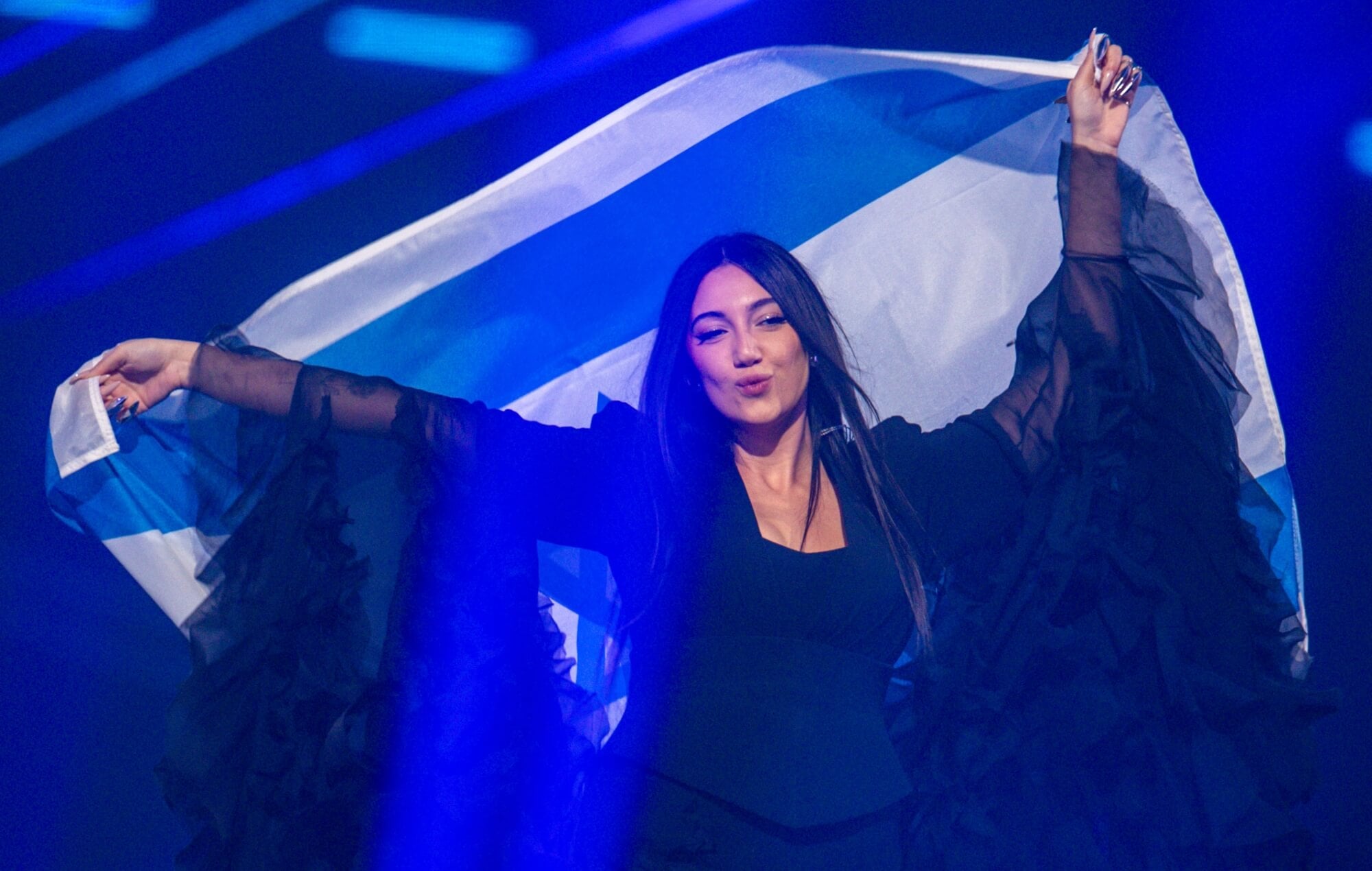
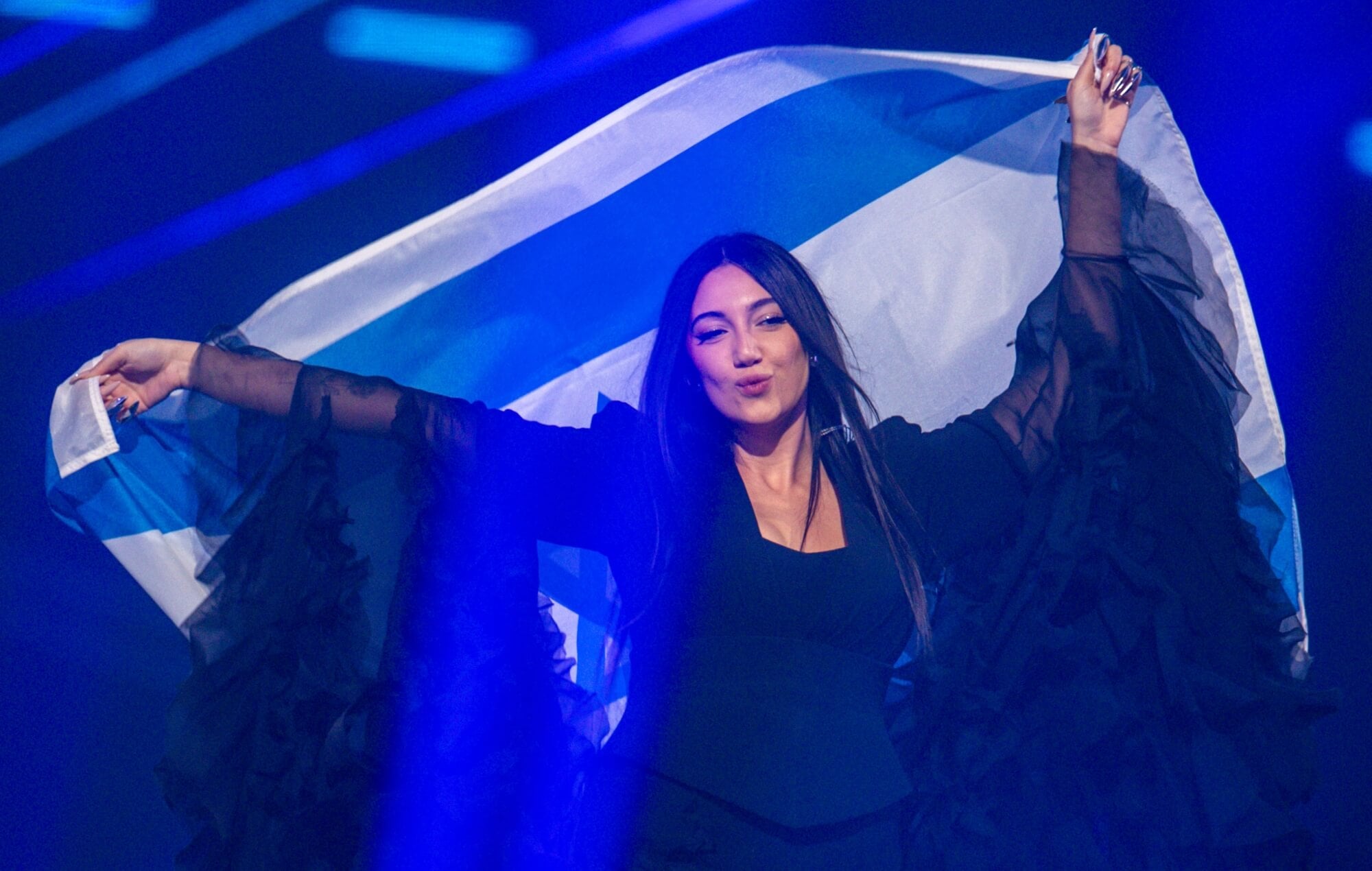
Yuval Raphael representing Eurovision in 2025
The 2026 contest marks a milestone: the 70th anniversary of Eurovision. It will take place on May 16 in Vienna, following Austria’s triumphant win this year thanks to singer JJ and his heartfelt tune “Wasted Love.”
The European Broadcasting Union's Decision and Its Fallout
At the European Broadcasting Union's (EBU) general assembly on December 4, the topic of Israel’s participation was a hot button issue. Interestingly, no formal vote was held. According to the EBU, “a large majority of members agreed that there was no need for a further vote on participation and that the Eurovision Song Contest 2026 should proceed as planned, with the additional safeguards in place.”
This statement might sound straightforward, but it sent shockwaves through some broadcasters. Ireland’s RTÉ made its stance crystal clear, saying that participating “remains unconscionable given the appalling loss of lives in Gaza and the humanitarian crisis there, which continues to put the lives of so many civilians at risk.”
Spain’s RTVE went a step further, declaring they would not broadcast the contest or semi-finals, labeling the decision-making process “insufficient.” Along with broadcasters from seven other countries, RTVE had formally requested a secret ballot at the Geneva summit, expressing deep distrust over what they called “political pressure” influencing Eurovision's organization.
Spain's Stand: A Boycott Rooted in Principles
Spain hasn't shied away from taking a strong position. This will be the country’s first Eurovision absence since 1961. The boycott even has the backing of Spain’s culture minister, Ernest Urtasun, who proudly stated that RTVE “puts human rights before any economic interest.”
The Spanish Prime Minister Pedro Sánchez fueled the debate earlier this year by calling for Israel’s ban. Sánchez drew parallels with Russia’s exclusion following its invasion of Ukraine, underscoring the need to avoid “double standards in culture.”
This controversial stance has sparked heated discussions across Europe, with some broadcasters aligning firmly against Israel’s participation.
Other Boycotting Broadcasters: Netherlands and Slovenia Join the Fray
Dutch broadcaster Avrotros weighed in, concluding that “under the current circumstances, participation cannot be reconciled with the public values that are fundamental to our organisation.” Similarly, Slovenia’s RTVSLO emphasized that taking part “would conflict with its values of peace, equality and respect.”
This growing chorus of dissent highlights how deeply the Eurovision contest, traditionally a celebration of unity and diversity through music, is being caught up in geopolitical tensions.
Voices from the Eurovision Community and Wider Implications
The calls to exclude Israel aren’t coming out of nowhere. Over 70 former Eurovision contestants penned an open letter urging Israel and its broadcaster KAN to be barred from the 2025 contest. Even this year’s winner, JJ, has voiced support for Israel’s ban in 2026.
These moves are heavily tied to findings from an independent United Nations inquiry that labeled the situation in Gaza a genocide—a charge Israel firmly denies.
New Rules, New Challenges: The EBU's Response to Controversy
Besides the boycott talks, the EBU also discussed new rules aimed at curbing government and third-party influence on voting. This is particularly relevant following allegations that Israel’s 2025 entry benefited from unfair promotion after winning the public vote but finishing second overall.
This year, 65% of delegates voted in favor of these rule changes and rejected further discussion on Israel’s participation. About 23% voted against, and 10% abstained. Countries like Norway, Sweden, Finland, Denmark, and Iceland, while supporting the new rules, vowed to continue backing the contest.
In a joint statement, these Nordic nations expressed their commitment to “maintain an ongoing dialogue about how we safeguard the credibility of the EBU and the Eurovision song contest moving forward.”
Israel’s President Responds with Hope
Israel’s president, Isaac Herzog, responded by emphasizing the country’s right to be “represented on every stage around the world.” He expressed hope that Eurovision “will remain one that champions culture, music, friendship between nations, and cross-border cultural understanding.”
The UK and Germany’s Position: Broadcasting Continues
Not all broadcasters are on the boycott bandwagon. The BBC confirmed it will broadcast the contest next year, supporting “the collective decision made by members of the EBU” and emphasizing inclusivity and rule enforcement.
Similarly, Germany’s SWR has also confirmed its participation in Eurovision 2026.
Eurovision 2026: A Contest at a Crossroads
The Eurovision Song Contest has always been a dazzling spectacle of music, culture, and unity across nations. But as the 70th edition approaches, it is clear that this celebration is wrestling with complex political realities. The boycott by Ireland, the Netherlands, Slovenia, and Spain sends a powerful message about where they believe the contest’s values should stand.
Will Eurovision maintain its apolitical spirit, or is the stage set for a new era where cultural events become battlegrounds for global debates? Only time will tell.
FAQ
- Which countries are boycotting Eurovision 2026?
Ireland, the Netherlands, Slovenia, and Spain have publicly announced they will boycott the contest. - Why are these countries boycotting?
They oppose Israel’s participation due to the ongoing humanitarian crisis in Gaza and believe it conflicts with their values. - Has Israel participated in previous Eurovision contests?
Yes, Israel has been a regular participant, but this year’s geopolitical context has sparked controversy. - What new rules did the EBU introduce?
The EBU implemented rules to prevent governments and third parties from unfairly promoting songs to influence voting. - Will the UK and Germany participate in Eurovision 2026?
Yes, both the BBC and Germany’s SWR have confirmed they will broadcast and participate in the contest.
If you love the vibrant culture and iconic moments Eurovision brings, why not celebrate it every day? Shop your favorite album cover poster at our store to bring the magic home: Architeg Prints.
 | DISCOUNTGET 30% OFF*Use code on your next order:
|
* This post may contain affiliate links, meaning we earn a commission if you make a purchase through these links, at no additional cost to you.