France Recognizes Electronic Music as Intangible Cultural Heritage



France Recognizes Electronic Music as Intangible Cultural Heritage
Electronic music’s unique French touch earns a spot on France’s Intangible Cultural Heritage list, marking a milestone in preserving this iconic sound.
A Milestone for French Electronic Music
If you’ve ever been swept away by the hypnotic beats of Daft Punk or the atmospheric soundscapes of Air, then you know French electronic music is something truly special. Recently, France has taken a monumental step by adding electronic music to its Intangible Cultural Heritage list — a move that celebrates the genre’s profound impact on the country’s cultural identity and opens doors for UNESCO heritage status.
Electronic music, often hailed as the "French touch," has been shaped by legendary artists like Daft Punk, Justice, Air, Cassius, Phoenix, Étienne de Crécy, M83, and Alan Braxe. This official recognition is a nod not just to the music but to the entire culture surrounding it — clubs, performances, and the vibrant scenes that keep this art form alive.
What Does the Intangible Cultural Heritage List Mean?
This French list aligns with the UNESCO Convention’s goals, which encourage signatory countries to protect and celebrate “practices, representations, expressions, knowledge and skills that communities recognize as part of their cultural heritage.” It’s not just about monuments or physical art—this includes everything from traditional dance and culinary skills to music genres and craftsmanship.
By placing electronic music on this list, France affirms that this modern art form is woven into the nation’s cultural fabric. French Culture Minister Rachida Dati emphasized this, highlighting the newly labeled clubs as “places of artistic expression and celebration.”
Jean-Michel Jarre: The Pioneer of French Electronic Music
Before the French touch became a household name, Jean-Michel Jarre was pioneering the scene. His groundbreaking 1976 album Oxygène—crafted with early synthesizers and no vocals—set a sonic blueprint for what would become the French electronic scene.
Jarre’s influence is monumental; his work inspired a generation of French artists and helped define the genre’s distinctive sound. In recognition, he received the French Legion of Honour in 2021 and has served as a UNESCO Ambassador since 1993, championing intangible cultural heritage worldwide.
Reflecting on this honor, Jarre shared,
“I’m glad to see that electronic music is finally taking its place within world heritage, especially after more than three decades of commitment as a UNESCO Ambassador and spokesperson for intangible culture.”
French President Macron’s Vision for Electronic Music
This official recognition follows French President Emmanuel Macron’s public call earlier in the year for French electronic music to gain UNESCO cultural heritage status. Macron, ever proud of France’s cultural exports, sees electronic music as a vital part of the nation’s legacy.
He’s not alone in this vision—UNESCO has previously recognized other influential music genres like Jamaican reggae, Mexican mariachi, Cuban rumba, and even Berlin techno (added in 2023). Now, Macron is pushing for the French touch to join these ranks, underscoring France's role as an innovator in electronic music.
In a recent interview, Macron confidently declared:
“We’re going to do that too. I love Germany – you know how pro-European I am. But we don’t have to take lessons from anyone. We are inventors of electro. We have that French touch.”
The Legacy of French Touch and Its Global Impact
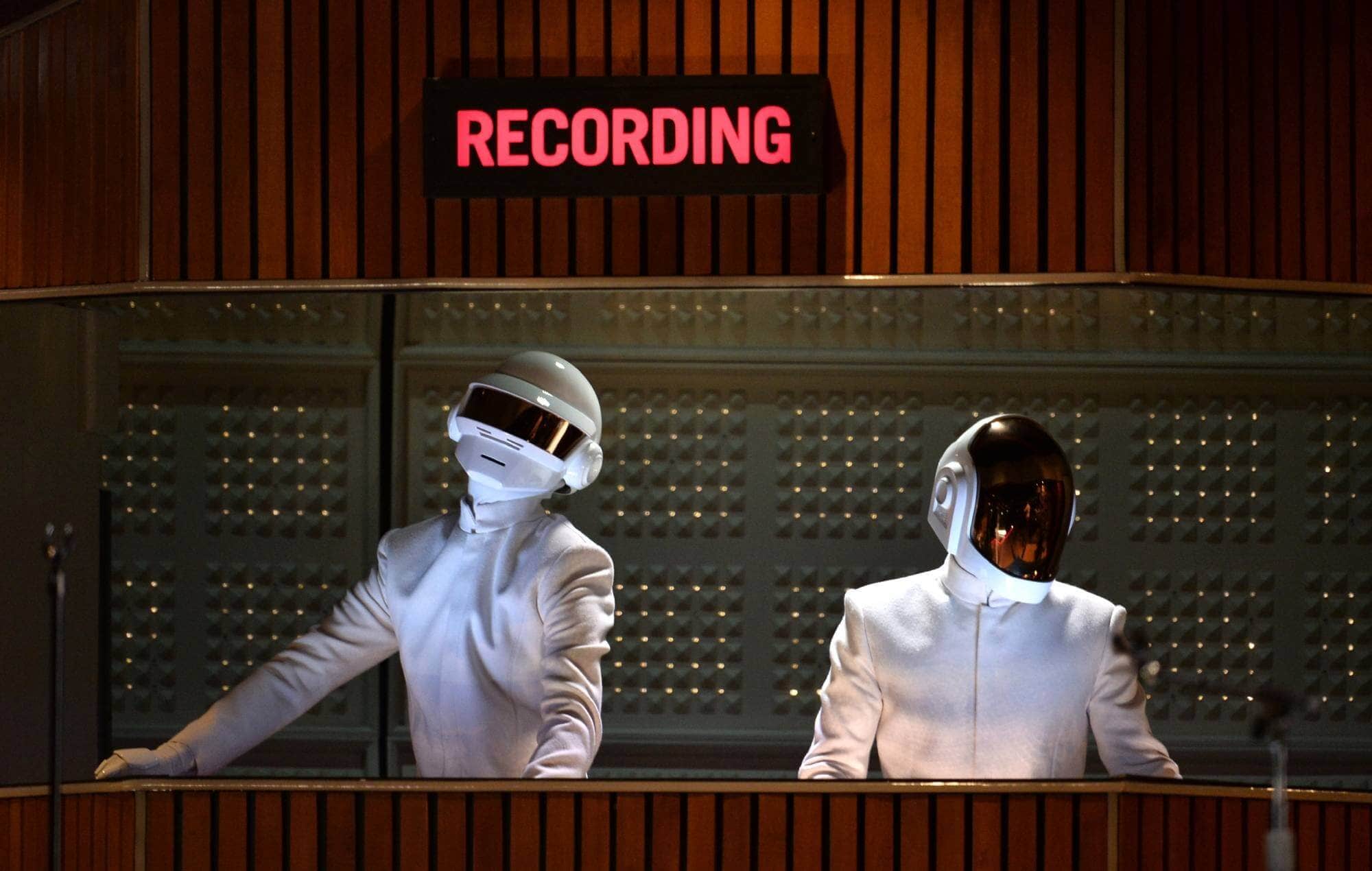
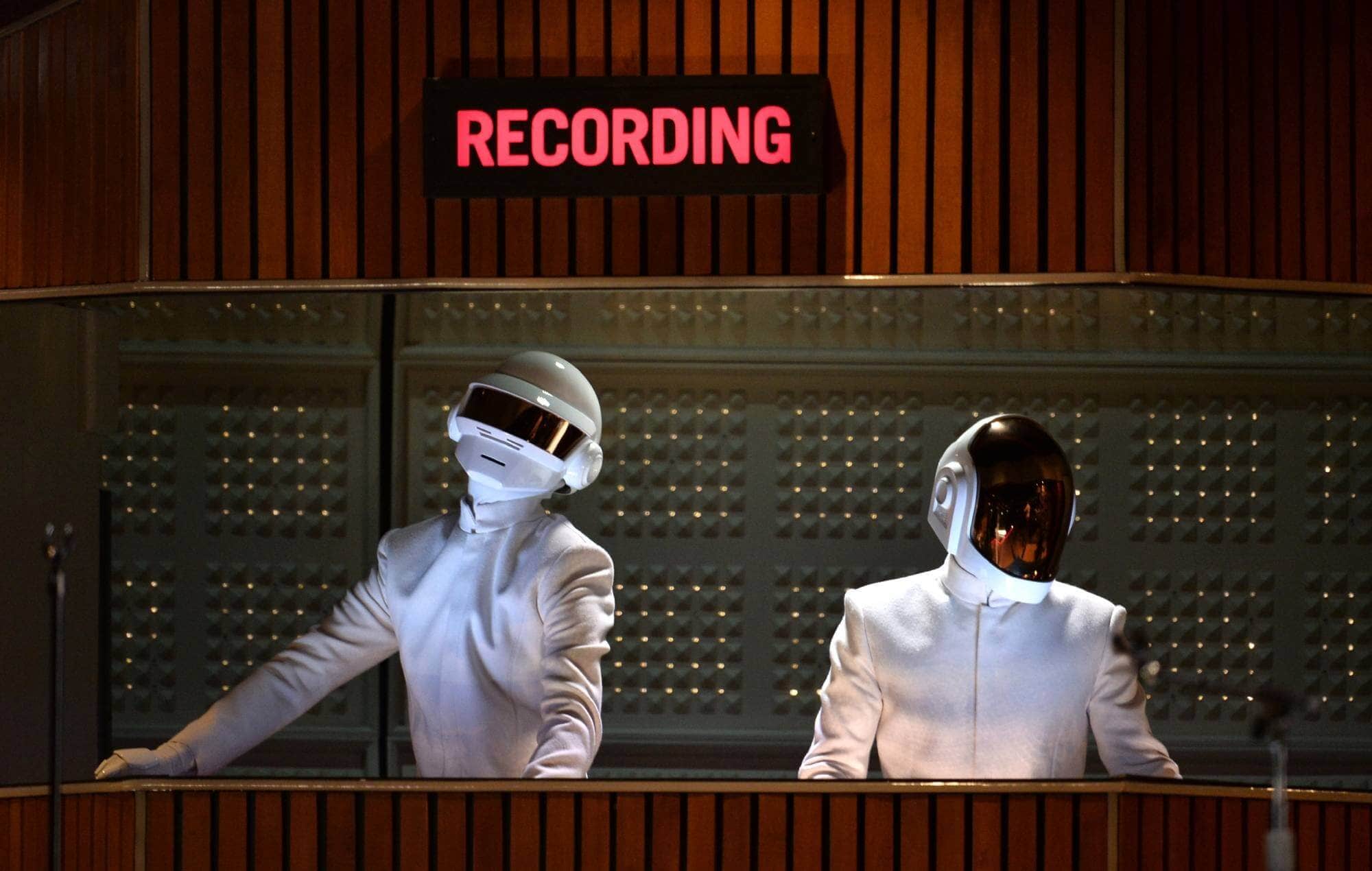
French touch isn’t just a genre; it’s a vibe, a movement, and a cultural statement that blends house, funk, techno, synth-pop, and disco into something unmistakably French. At the forefront were Daft Punk's Thomas Bangalter and Guy-Manuel de Homem-Christo, who formed the duo in 1993 and changed the global dance music scene forever.
Albums like Homework (1997) and Discovery (2001) became dancefloor staples and are widely regarded as classics. Their final album, Random Access Memories (2013), brought them even more fame with the smash hit “Get Lucky.”
In February 2021, Daft Punk announced their split through a poignant video titled Epilogue, where one robot self-destructs and the other walks away into the desert—symbolizing the end of an era.
More Than Just Music: A Cultural Movement
French electronic music’s recognition isn’t only about the tunes. It honors the entire ecosystem—clubs, DJs, producers, and fans—that has fueled this culture for decades. The recognition also shines a light on other traditional French musical styles listed by UNESCO, such as Gwoka from Guadeloupe and the horn players’ breathing techniques.
This broad cultural appreciation ensures that electronic music, with its cutting-edge technology meets artistic expression, remains a living, evolving heritage that continues to inspire worldwide.
A Soundtrack to Our Times
For those of us who have danced through nights powered by French electronic beats, this recognition feels like a long-overdue celebration. It’s a confirmation that our late-night memories, the rush of concerts, and the pulse of synths aren’t just fleeting fun—they’re part of something enduring.
And as the sound of the French touch continues to ripple across global dance floors, it’s exciting to imagine what new chapters this genre will write in music history.
FAQ
- What is the French Intangible Cultural Heritage list? It’s an official list recognizing cultural practices and expressions that are valuable to national identity but not physical objects, like music, dance, or culinary traditions.
- Who are some key artists in French electronic music? Daft Punk, Justice, Air, Cassius, Phoenix, Étienne de Crécy, M83, Alan Braxe, and Jean-Michel Jarre are among the pivotal figures.
- Why is Jean-Michel Jarre important to electronic music? Jarre was a pioneer with his 1976 album Oxygène, using early synthesizers and influencing the French electronic sound that followed.
- Has electronic music been recognized by UNESCO before? Yes, genres like Jamaican reggae, Mexican mariachi, Cuban rumba, and Berlin techno have been added to UNESCO’s intangible cultural heritage list.
- What does this recognition mean for the future of French electronic music? It helps preserve and promote the genre culturally and may lead to wider UNESCO recognition, ensuring the legacy and influence of the French touch endure.
Celebrate your love for French electronic music by shopping for your favorite album cover posters to bring those iconic beats to your walls. Browse our curated collection and relive the magic every day at Architeg Prints.
 | DISCOUNTGET 30% OFF*Use code on your next order:
|
* This post may contain affiliate links, meaning we earn a commission if you make a purchase through these links, at no additional cost to you.