Gabi Hartmann’s Soothing, Sonic Fantasy: A Journey Through Her Dreamy Soundscape



Gabi Hartmann’s Soothing, Sonic Fantasy: A Journey Through Her Dreamy Soundscape
Immerse yourself in Gabi Hartmann’s soothing sonic fantasy, where dreamy rhythms and warm vintage tones create a transcendent musical experience.
Walking Through Paris with Gabi Hartmann
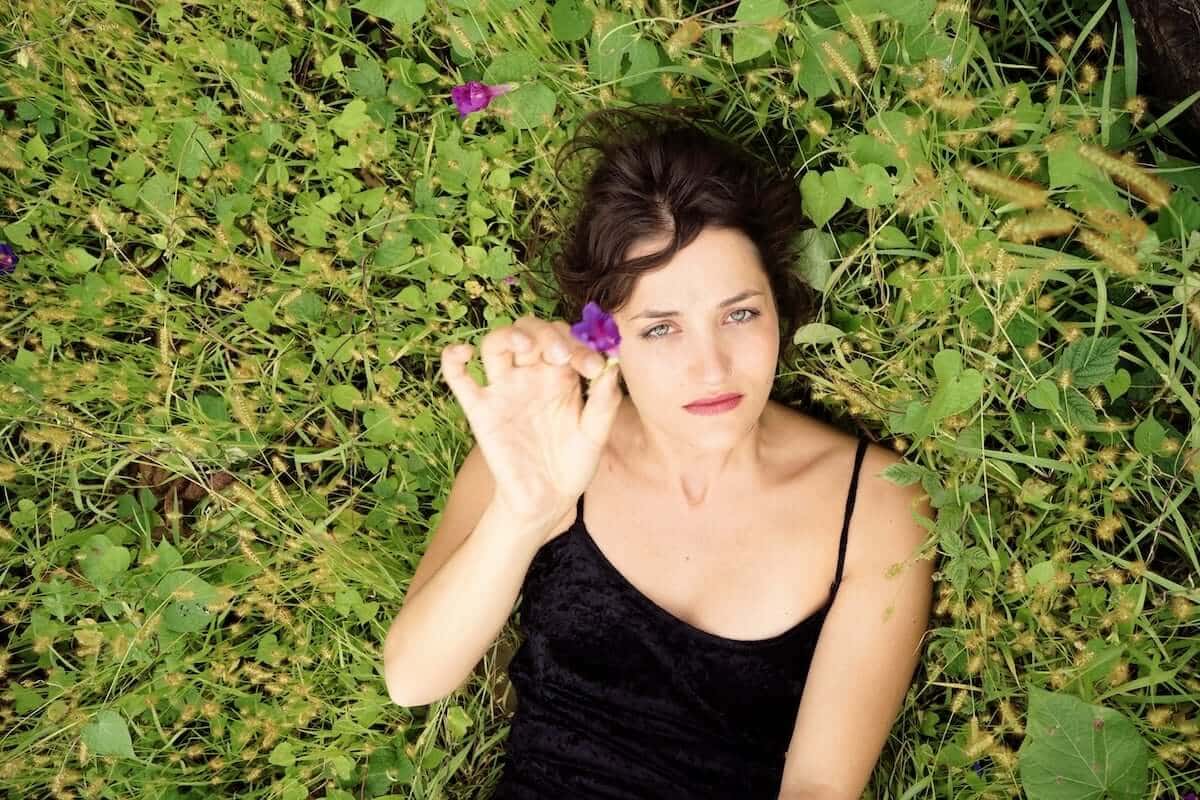
Imagine strolling through the chilly streets of Paris, wrapped up tight in a cozy red snood, the cold nipping at your cheeks. That’s exactly the scene when I first met Gabi Hartmann. Even under a biting wind and sudden rain, her face glowed with warmth and openness—a soft pink flush that perfectly matched the gentle aura of her music. As she ducked into a cozy café, phone camera flickering on and off, the conversation instantly lightened, much like the mood her songs effortlessly create.
Her music works like a balm for the soul. Just a night before, I was tangled in worry and despair over the harsh realities unfolding in the world. But when I pressed play on Gabi’s album, La Femme Aux Yeux De Sel (Le Long Voyage), her voice and the subtle, globe-spanning rhythms carried me away from that storm of emotions. Halfway through, I was utterly melted into my bed, my spirit buoyed even as my body sank deeper into rest. By the final note, I was comforted, calmer, and surprisingly uplifted.
An International Sound Rooted in Personal History
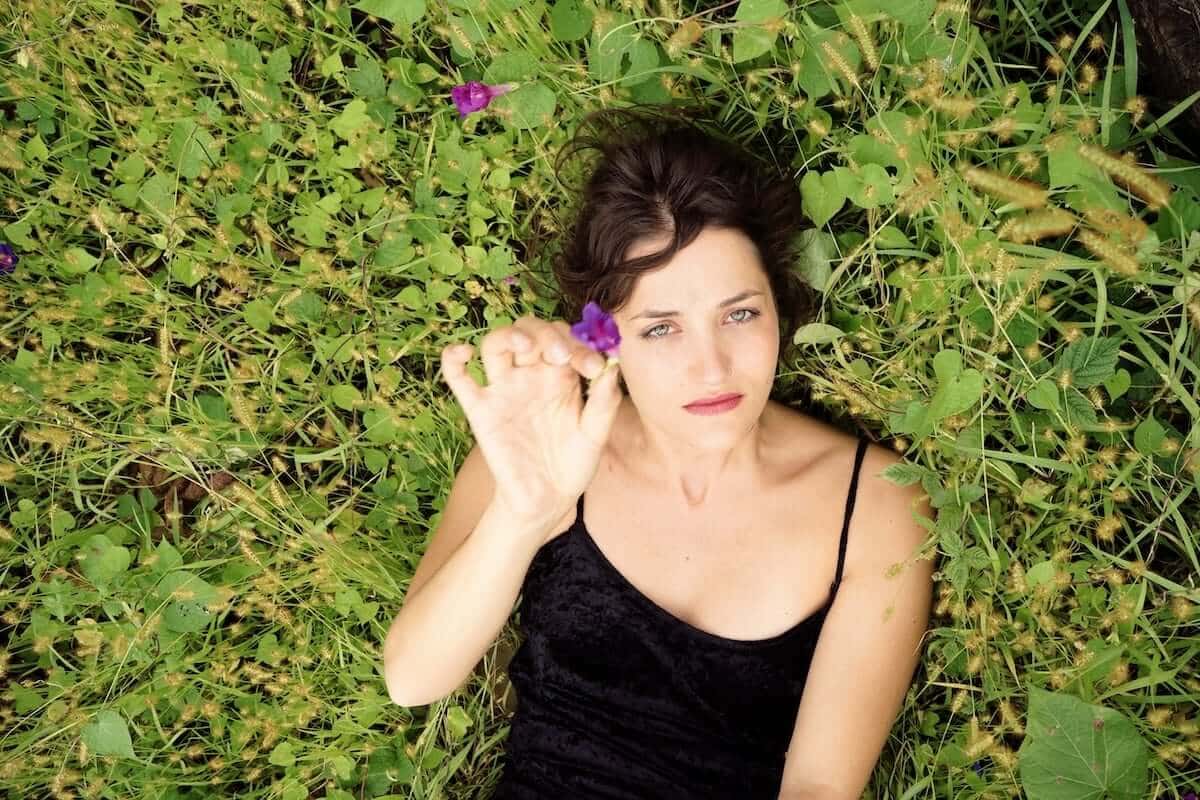
Gabi’s music reflects her international upbringing. Born and raised in Paris, she grew up in a household open to the world, thanks largely to her mother, a doctor with Doctors Without Borders. Her childhood was peppered with refugees and visitors from far-flung places, shaping her global outlook. Music was always a passion, initially just a hobby during high school. But during a study-abroad year in Brazil, her interest deepened into a serious pursuit.
She later earned a master’s in ethnomusicology, focusing on African music, and conducted fieldwork in Brazil, South Africa, Mozambique, and Guinea. Returning to Paris, she began writing seriously, collaborating with an eclectic range of musicians. “I wanted to have something that represented all the styles of music I was influenced by and listening to,” she explains. “Paris was the best place for me, because I could meet so many different musicians.”
A Vintage-Inspired Sonic Fantasy
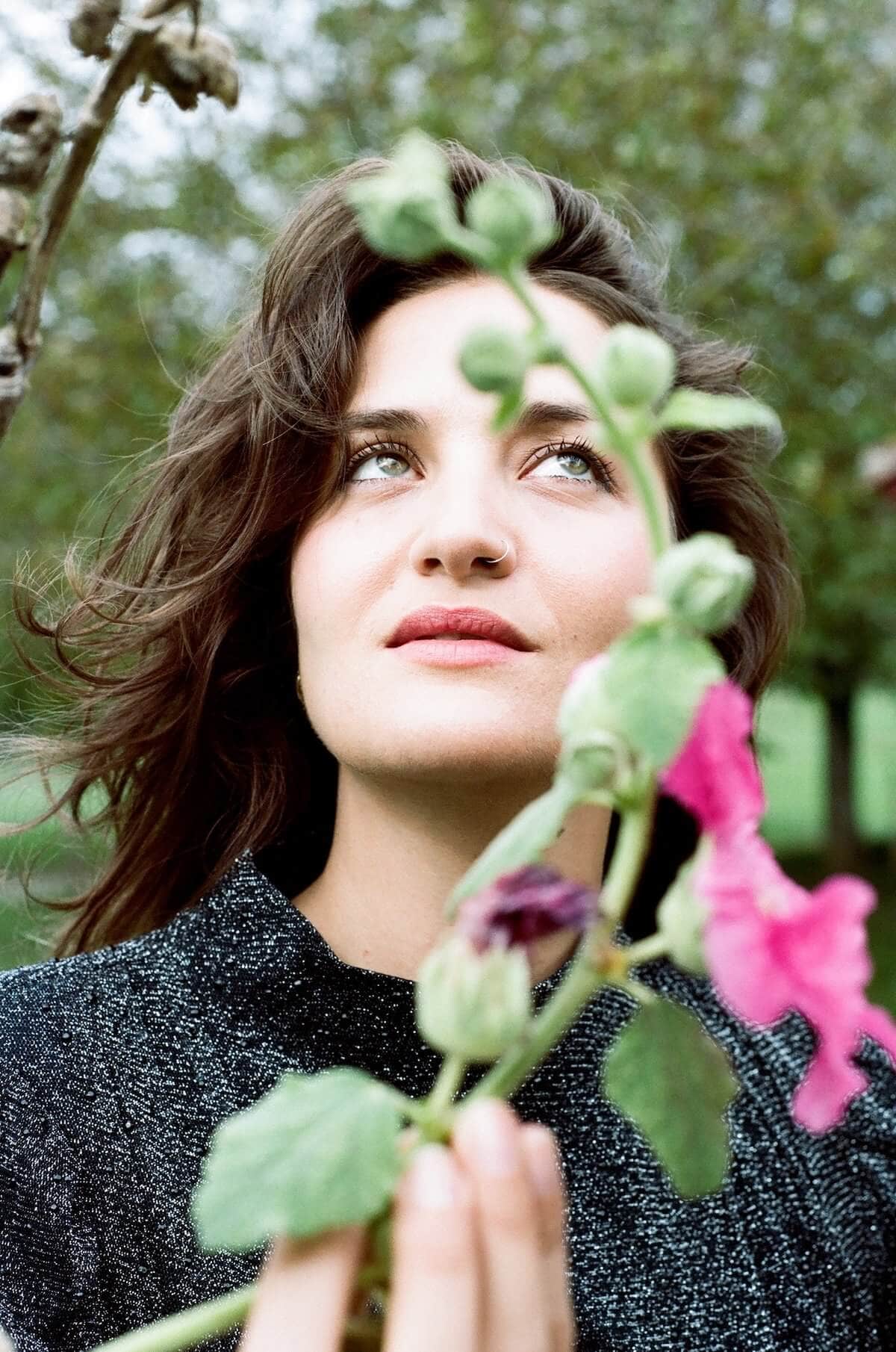
Gabi’s inspiration doesn’t just come from places—it also comes from eras. She’s drawn more to the feeling of certain decades than to specific indigenous musical traditions. The 1950s, ’60s, and ’70s—the years after folk music was first recorded—are her happy place. For La Femme, she crafted what she calls a “protected sonic fantasy world,” drawing heavily from ’60s exotica. She even cites the dreamy “Rumba des îles” by Marguerite Duras with Jeanne Moreau as a touchstone.
“All the albums I’ve been listening to from the ’60s and ’70s influenced my sound, my writing, my everything,” she says. “I really like this very warm sound that they were making in that time. That’s what I’m always looking to get in my sound. Today, we try to have everything right—voice, production, perfect cleanliness— but I’m kind of against that. I listen to many indie artists who also seek a more organic, warmer vintage sound.”
Collaborations and Musical Chemistry
In New York, Gabi met Jesse Harris—renowned for working with Norah Jones, Maya Hawke, and Madeleine Peyroux—who was looking for a French singer. Though they were strangers at first, a creative spark ignited immediately. Their early collaborations appeared on Gabi’s 2023 self-titled debut album. Later, they went back to Brazil for recording sessions and eventually brought the work to Paris to continue developing their sound.
“We share this common thing of liking to write songs that sound like jazz standards,” Gabi reveals. “The first album has more traditional songs; this one has more pop influences, and I wanted to experiment more with writing, arrangements, and production.”
French saxophonist and composer Laurent Bardainne added a folk-jazz vibe to tracks like “Love High,” while Syrian flutist Naïssam Jalal lent her haunting melodies to “Le lever du soleil.” The French indie band Oracle Sisters also feature on “Drink the Ocean,” blending indie textures into this lush soundscape.
A Narrative Journey Across Three Chapters
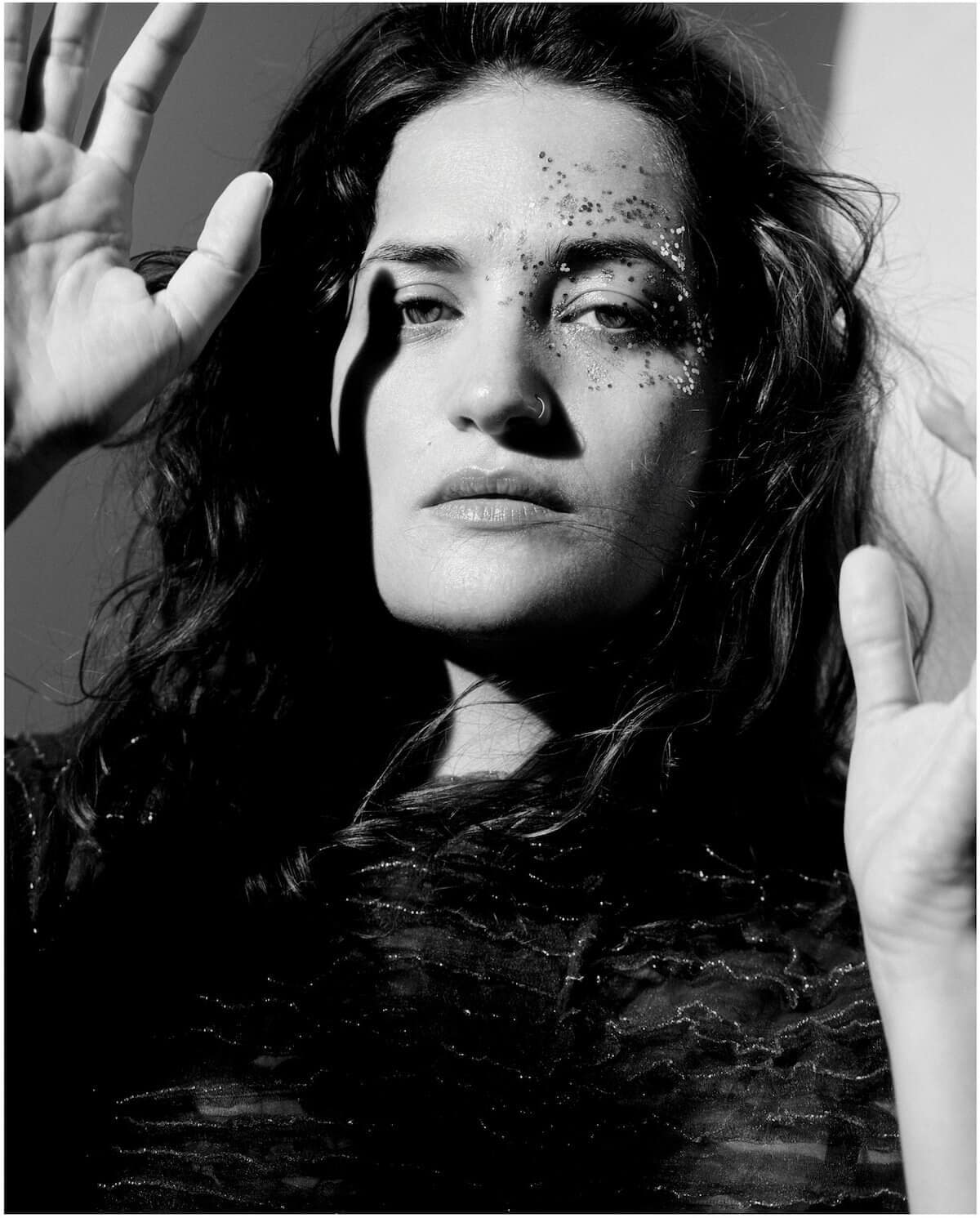
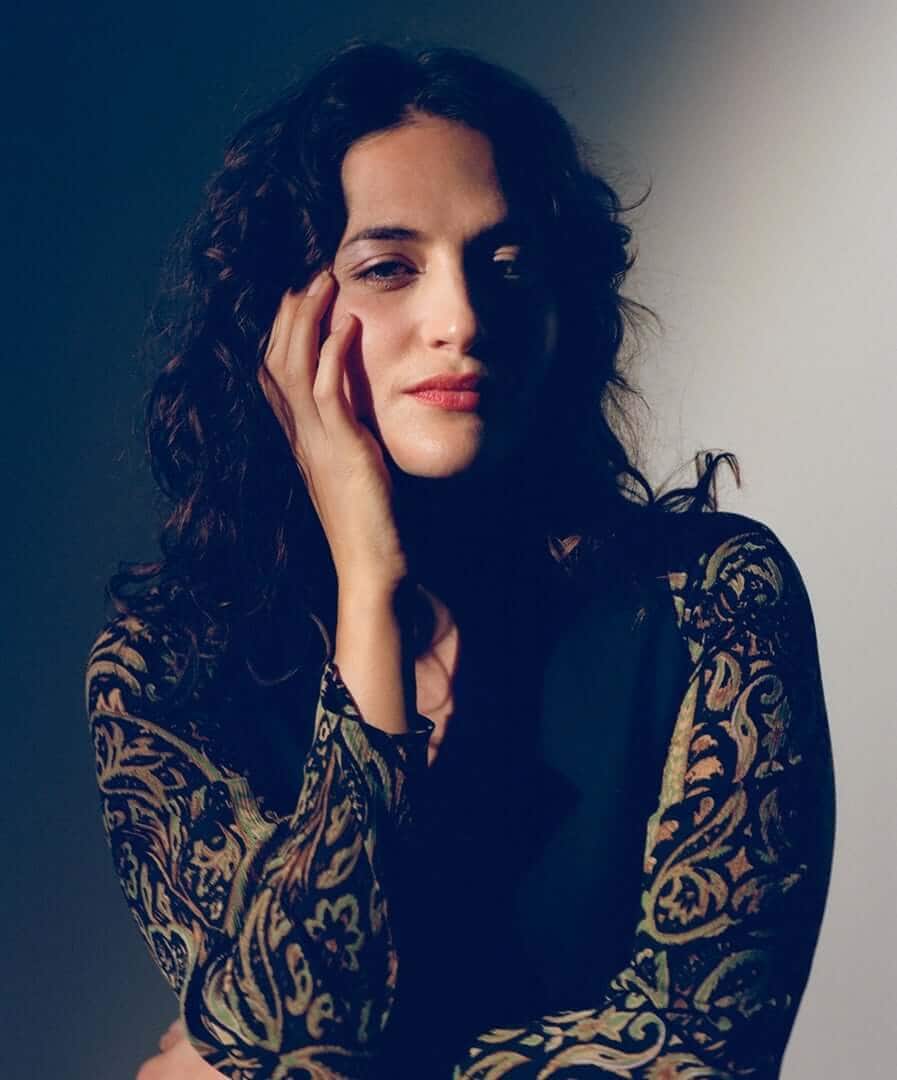
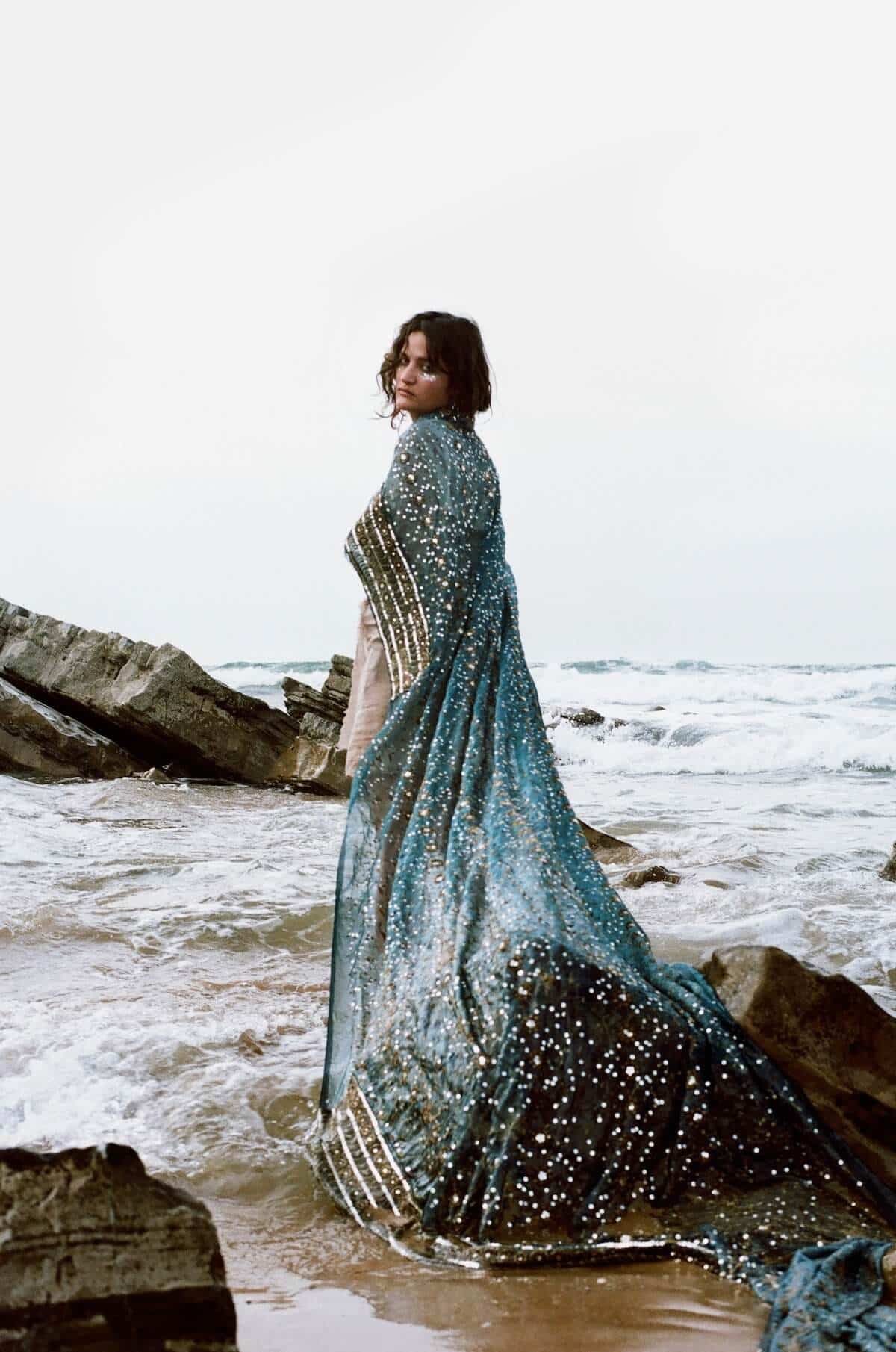
La Femme Aux Yeux De Sel (Le Long Voyage) isn’t just an album—it’s a story. It unfolds in three chapters, centered on Salinda, a fictional character who inhabits a tropical island within Gabi’s sonic fantasy. Salinda’s eyes are made of salt, and as she travels the world seeking a cure, every tear she sheds steals a bit of her sight. “She tries not to cry, but she can’t help it,” Gabi explains. “She’s melancholic. She has a lot of pain. She needs to cry.”
That metaphor hit home for me. Just a day before speaking with her, I had cried so much that my skin burned from the salt in my tears—a raw, physical reminder of pain and healing.
A Vision Inspired by Serge Gainsbourg
Gabi credits Serge Gainsbourg’s concept album L’Homme à tête de chou as a major influence. Gainsbourg’s imagined love affair inspired her to create her own world, a narrative universe where she could explore her emotions from a distance, with more freedom and honesty.
“I felt like maybe it was the moment for me to create a world and get a narrative, an avatar of myself, or something I could create where I could look at myself from outside. For that second album, it really helped me go further.” — Gabi Hartmann
Singing Across Languages: A Multicultural Identity
One of the most striking features of La Femme is how Gabi sings in multiple languages—English, French, and Spanish—each opening a unique emotional doorway. She explains, “I’m not sure if it’s easier. I’ve been singing and talking in so many different languages, it’s very hard to choose only one. By creating that character, I felt I could show all my faces.”
Her multicultural upbringing and travels make it impossible to pin her down to a single cultural identity. “I don’t really belong to one cultural identity. I feel comfortable traveling between identities.”
Interestingly, she began singing in English before French, influenced by the jazz and soul artists of her youth. While she proudly identifies as Parisian, she doesn’t necessarily feel musically French. “It wouldn’t make sense for me to do an album wholly in French, even if I am French,” she says. “My album should have many sounds and influences by people in Paris or in countries I’ve visited and people I’ve met there. It’s a more honest reflection of where I’ve been.”
Final Thoughts
Gabi Hartmann’s La Femme Aux Yeux De Sel (Le Long Voyage) is a masterful blend of personal story, vintage inspiration, and global sounds. It’s more than music—it’s a comforting sonic fantasy that invites listeners to travel through pain, beauty, and healing in a world uniquely her own.
Isn’t it amazing how music can be both a refuge and a journey at once? What’s your favorite track from Gabi’s album, or which vintage artist’s influence do you hear most in her work?
FAQ
- What languages does Gabi Hartmann sing in?
Gabi sings in English, French, and Spanish, each language expressing different facets of her identity. - What inspired the concept behind La Femme Aux Yeux De Sel?
The album follows Salinda, a fictional character whose salt-made eyes symbolize melancholy and the pain of shedding tears. - Who are some notable collaborators on the album?
Jesse Harris, Laurent Bardainne, Syrian flutist Naïssam Jalal, and French indie band Oracle Sisters all contributed to the rich sonic palette. - What eras influence Gabi’s music style?
She draws heavily from the 1950s to 1970s, especially the warm, organic sounds of ’60s exotica and jazz. - How does Gabi’s upbringing affect her music?
Growing up in a globally conscious, multicultural Parisian household exposed her to diverse sounds and cultures, shaping her international approach.
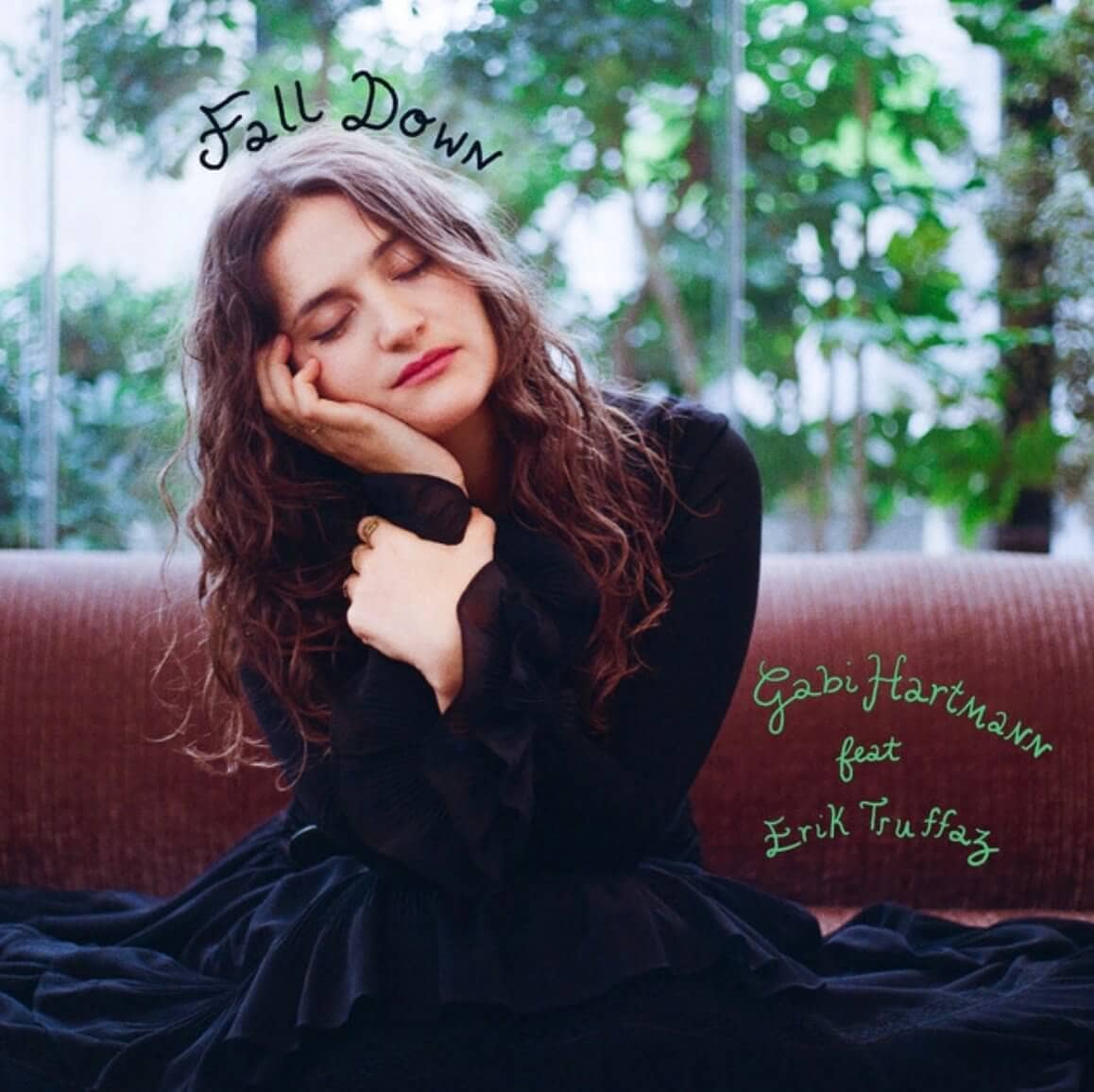
Feel inspired to bring Gabi Hartmann’s enchanting vibes into your space? Shop your favorite album cover poster and celebrate her unique sonic fantasy with us at Architeg Prints. It’s a beautiful way to keep her music close, visually and emotionally.
 | DISCOUNTGET 30% OFF*Use code on your next order:
|
* This post may contain affiliate links, meaning we earn a commission if you make a purchase through these links, at no additional cost to you.