Garbage in Mexico City: Mariachi Bangers, Solidarity and 90,000 Fans


Garbage in Mexico City: Mariachi Bangers, Solidarity and 90,000 Fans
Garbage in Mexico City delivered a free, career-spanning spectacle with Mariachi flair, a surprise guest, and a powerful message of solidarity.
A Night Mexico City Won’t Forget
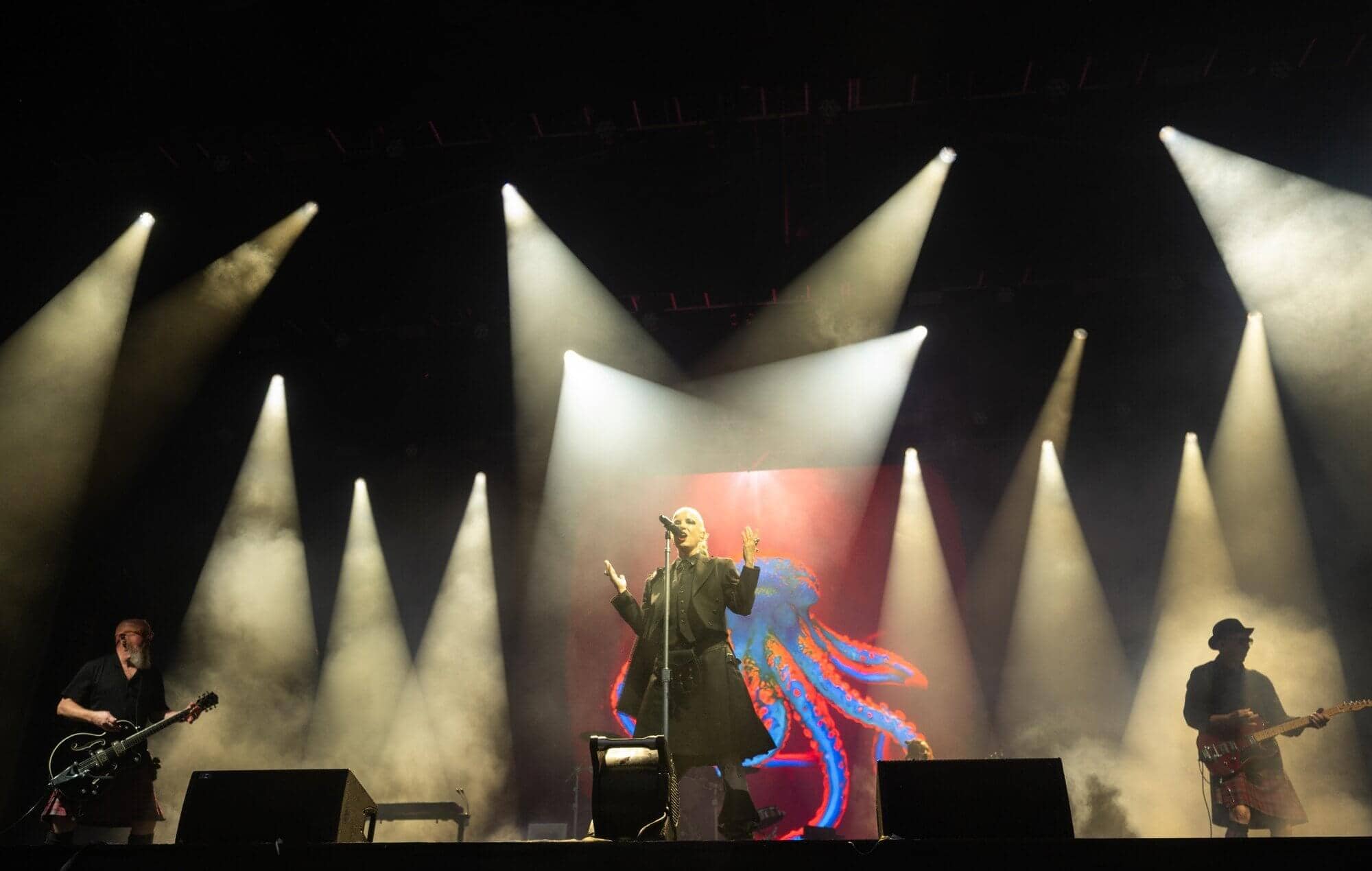
Some concerts feel big. Others feel like they’ve temporarily turned an entire city into one enormous, singing room. Garbage’s performance at Mexico City’s Zócalo belonged firmly in the second category, drawing an estimated 90,000 fans for a free outdoor celebration packed with rock classics, emotional speeches, and a wonderfully unexpected Mariachi twist.
The Scottish-American band played the historic public square on Saturday, November 14, bringing together songs from across their catalog and giving longtime fans the kind of setlist that makes you glance around and think, “Wait, they’re playing this one too?” From moody anthems to full-volume crowd favorites, it was a generous, career-spanning evening.
Garbage Turned the Zócalo Into a Giant Rock Club
The show opened the door to Garbage’s wide-ranging history, with the band performing staples including “Only Happy When It Rains,” “Stupid Girl,” and “Cherry Lips (Go Baby Go!).” These are songs that have lived in headphones, cars, bedrooms, and late-night music-video memories for decades, so hearing them roar across the Zócalo must have felt like watching several eras of alternative rock collide in one place.
The free entry made the event even more remarkable. Fans weren’t simply attending a regular tour stop; they were gathering for a public celebration in one of Mexico City’s most recognizable spaces. The scale was massive, but the emotional texture stayed personal. Garbage’s music has always had that trick up its sleeve—large enough for a festival crowd, intimate enough to feel like Shirley Manson is singing directly to the person standing beside you.
“The World Is Not Enough” Got a Mariachi Reimagining
Then came the evening’s most dazzling musical left turn. Garbage performed “The World Is Not Enough,” their James Bond theme, with Mariachi Fiesta de México joining them onstage.
The new arrangement was created by sound sculptor Héctor Ruiz, who reshaped the song’s familiar orchestral character into something that nodded directly to Mexican musical traditions. Instead of simply reproducing the cinematic sweep of the original, the performance gave the track a fresh color and a different kind of drama—less secret-agent grandeur, more moonlit plaza with the whole city watching.
That’s the joy of a great reinterpretation: it doesn’t erase what came before. It lets the song put on a new jacket.
A Surprise Guest Joins “I Think I’m Paranoid”
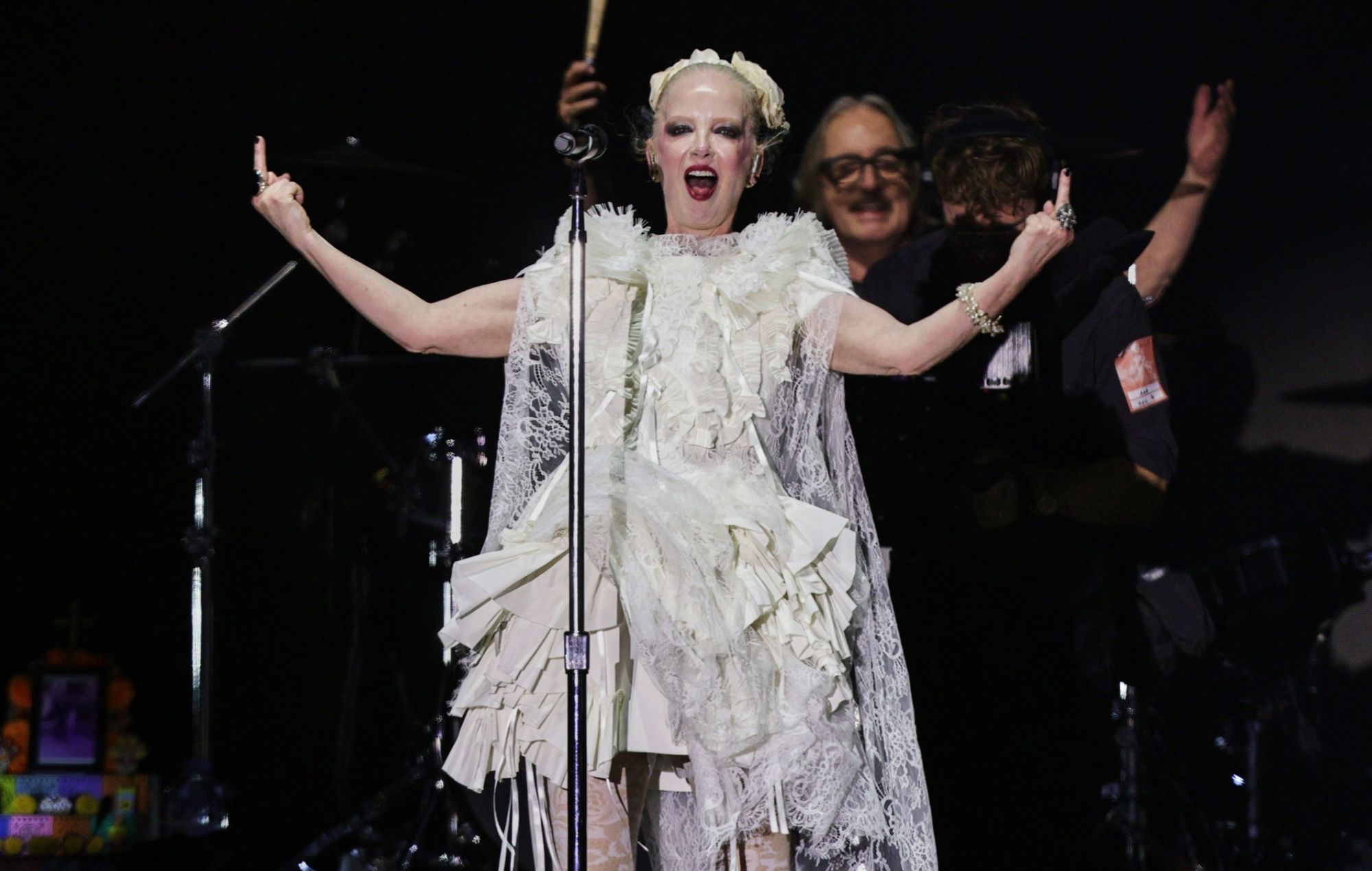
The surprises didn’t stop with the Mariachi collaboration. Garbage also welcomed Paulina Villarreal of The Warning to the stage for “I Think I’m Paranoid,” one of the band’s most beloved tracks.
Villarreal’s appearance gave the song another jolt of electricity. “I Think I’m Paranoid” already has that tightly wound, ready-to-explode energy, and the unexpected pairing made it feel even more alive. For fans, it was the kind of guest appearance that turns an excellent concert memory into a story they’ll keep retelling.
Garbage also performed “Lovesong,” a cover of The Cure’s fan favorite. That choice fit neatly into the band’s darkly romantic musical universe, connecting their own catalog to one of the groups that helped shape the emotional landscape of alternative rock.
Shirley Manson Speaks About Palestinian Solidarity
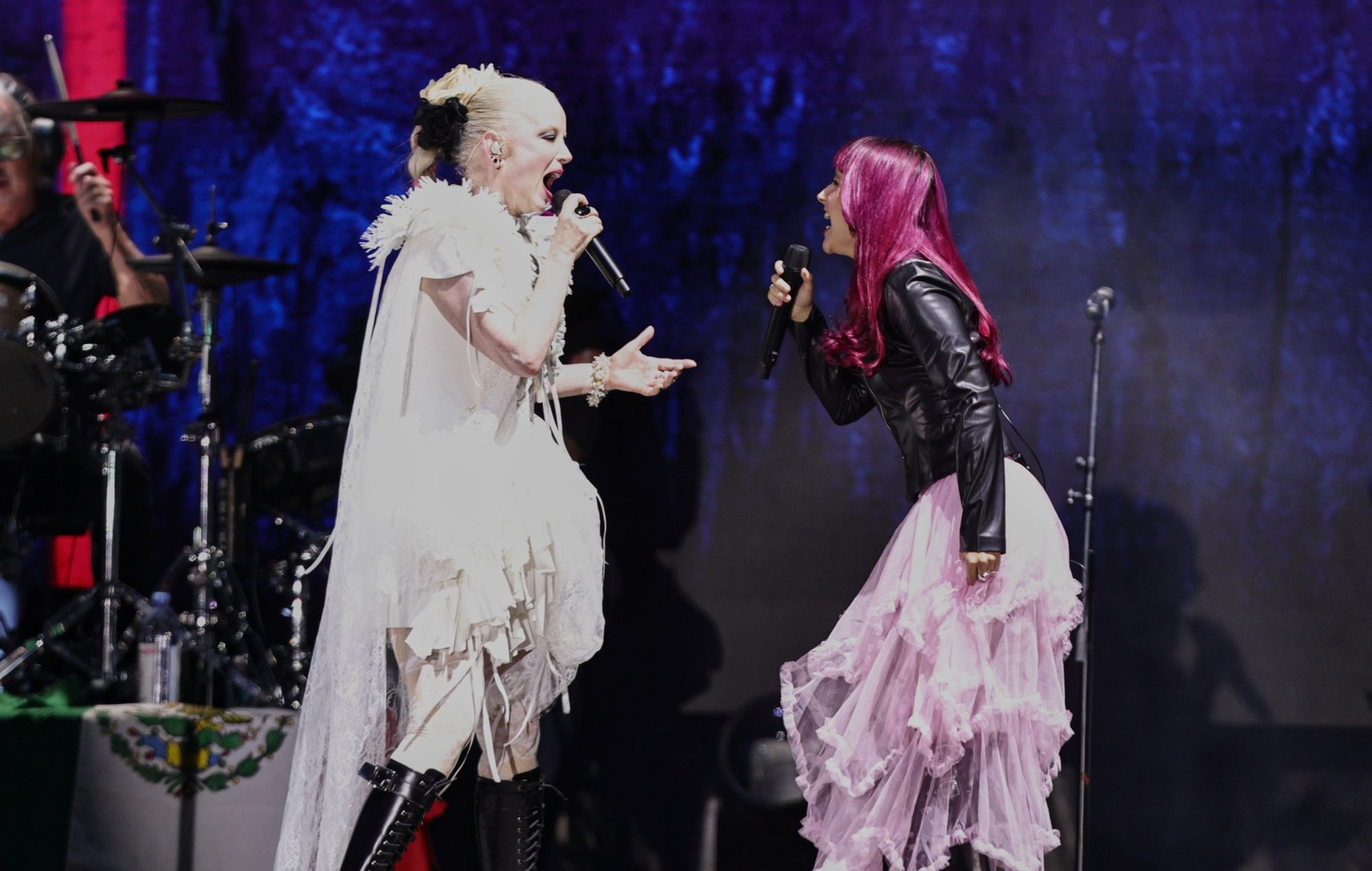
Between the songs, Shirley Manson addressed Palestinian flags visible in the audience. Her comments focused on solidarity with people in Gaza and on the basic human need for protection, dignity, and compassion.
“I want to say, I see those Palestinian Flags in the audience tonight, and it makes me really happy,” Shirley Manson said. “It makes me happy that people are fighting for those who don’t have very much in life and who are in need of protection and who are struggling against a power that is threatening to completely destroy them.”
She continued by emphasizing the common humanity shared by people across borders and cultures:
“The important thing I think to remember is that we’re all absolutely exactly the same,” Manson added. “Doesn’t matter if you come from fucking Palestine, whether you come from Mexico City, whether you come from Edinburgh, Scotland, or Madison, Wisconsin, or from Boston, Massachusetts. We’re all the fucking same.”
It was a direct, emotional moment in a concert already built around connection. The crowd’s flags became part of the visual story of the evening, standing among the lights, instruments, and thousands of raised hands.

A Historic Zócalo Headline Performance
The night also carried historical significance for Manson. She became the first non-Hispanic woman to headline the Zócalo, following major performances in the space by artists including Rosalía and Shakira.
For Garbage, the appearance represented far more than a prestigious booking. Manson described it as one of the biggest honors of the band’s career and connected the moment to their long relationship with Mexico City.
“It’s one of the biggest honors of our entire career, and the whole band is very excited,” Manson said. “Really, we’re all really emotional, and we’re so proud to be here tonight, and it’s extraordinary… It’s a culmination of 30 years of coming to Mexico and playing in this amazing city.”
Thirty years is a long musical road. There are changing trends, shifting lineups around the wider industry, new formats, and more than a few questionable fashion choices along the way. Still, Garbage arrived at the Zócalo with the songs intact—and with the confidence of a band that knows exactly how much its music means to people.
A Visual Nod to Mexican Culture
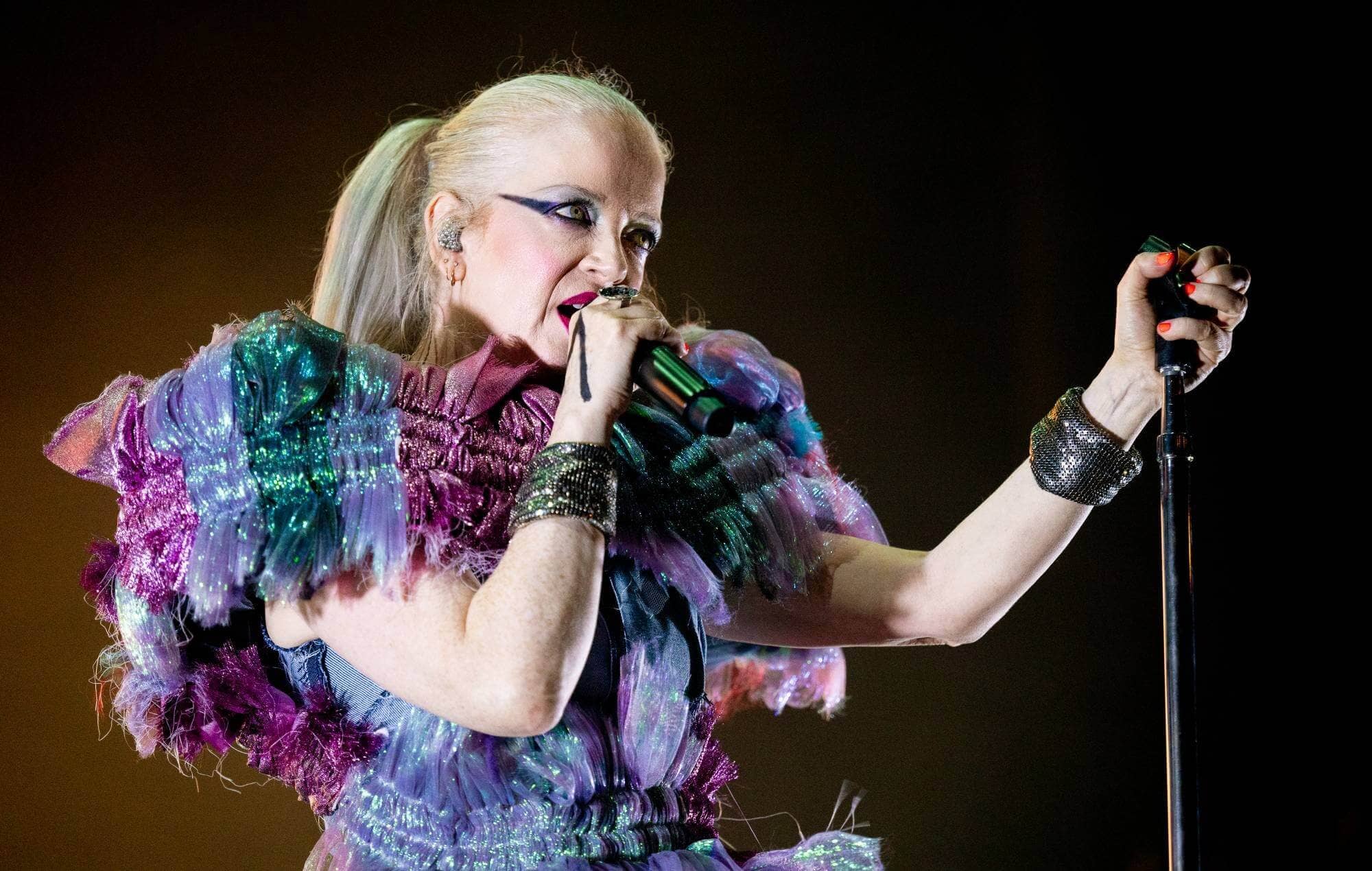
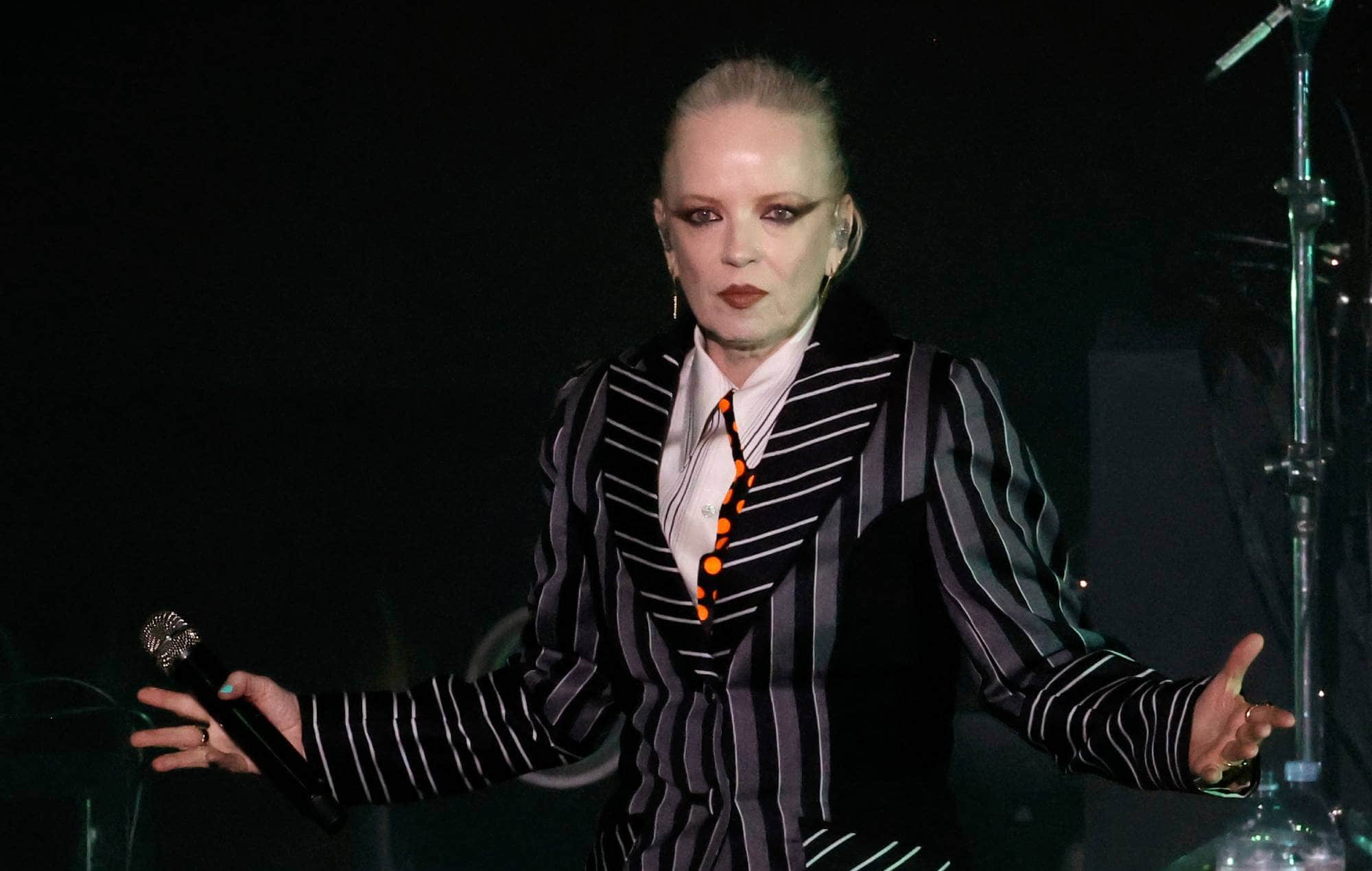
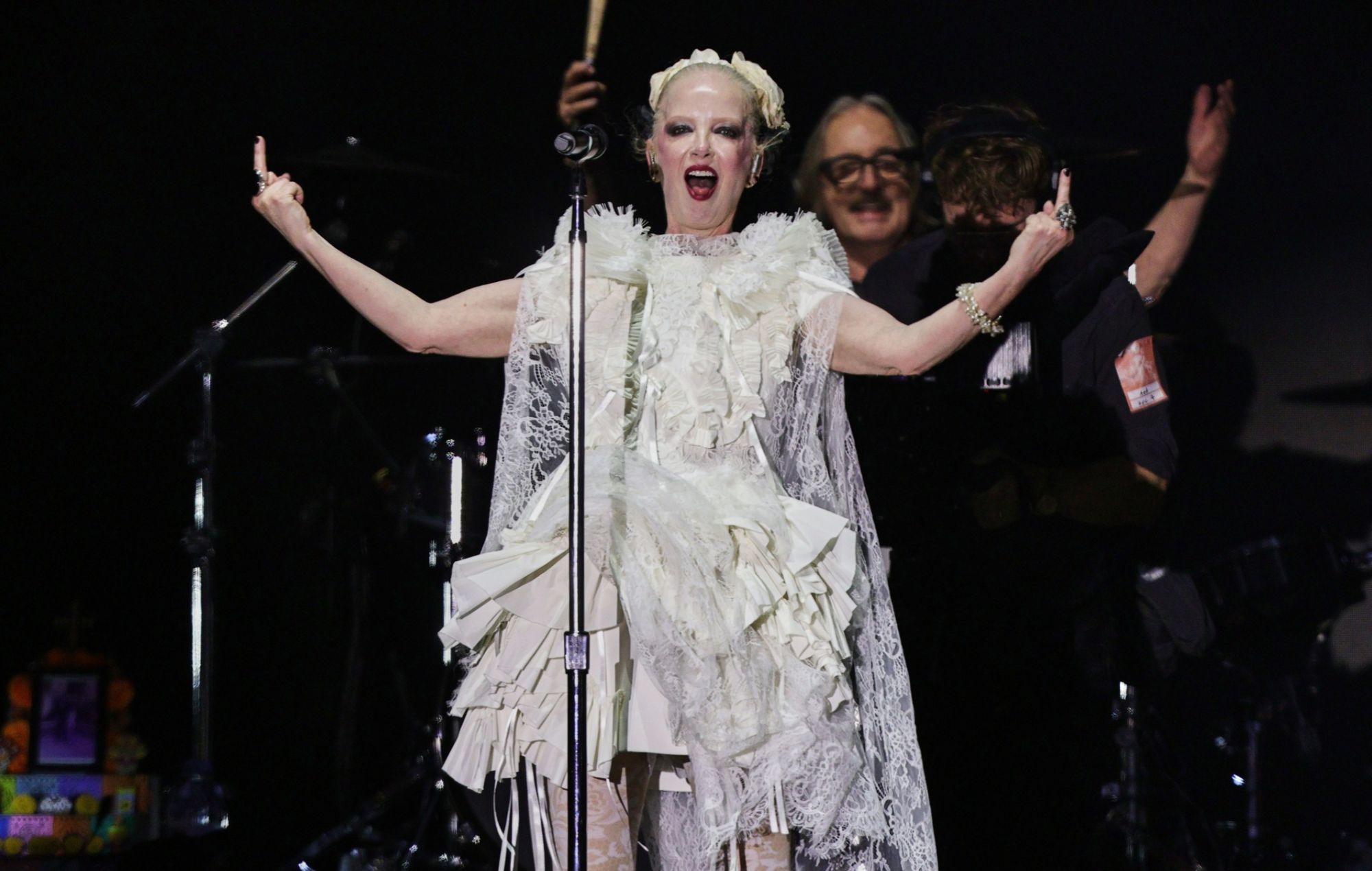
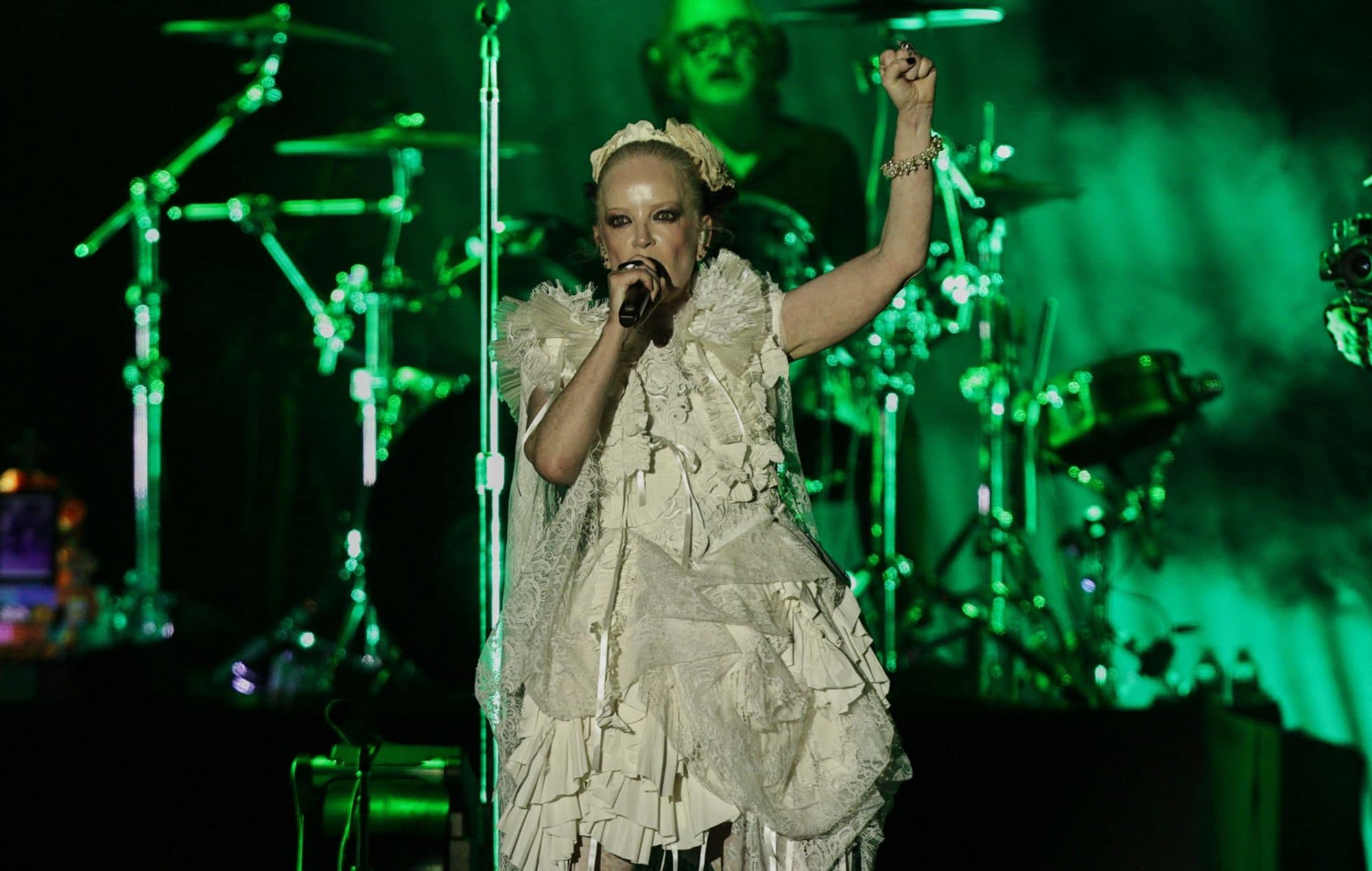
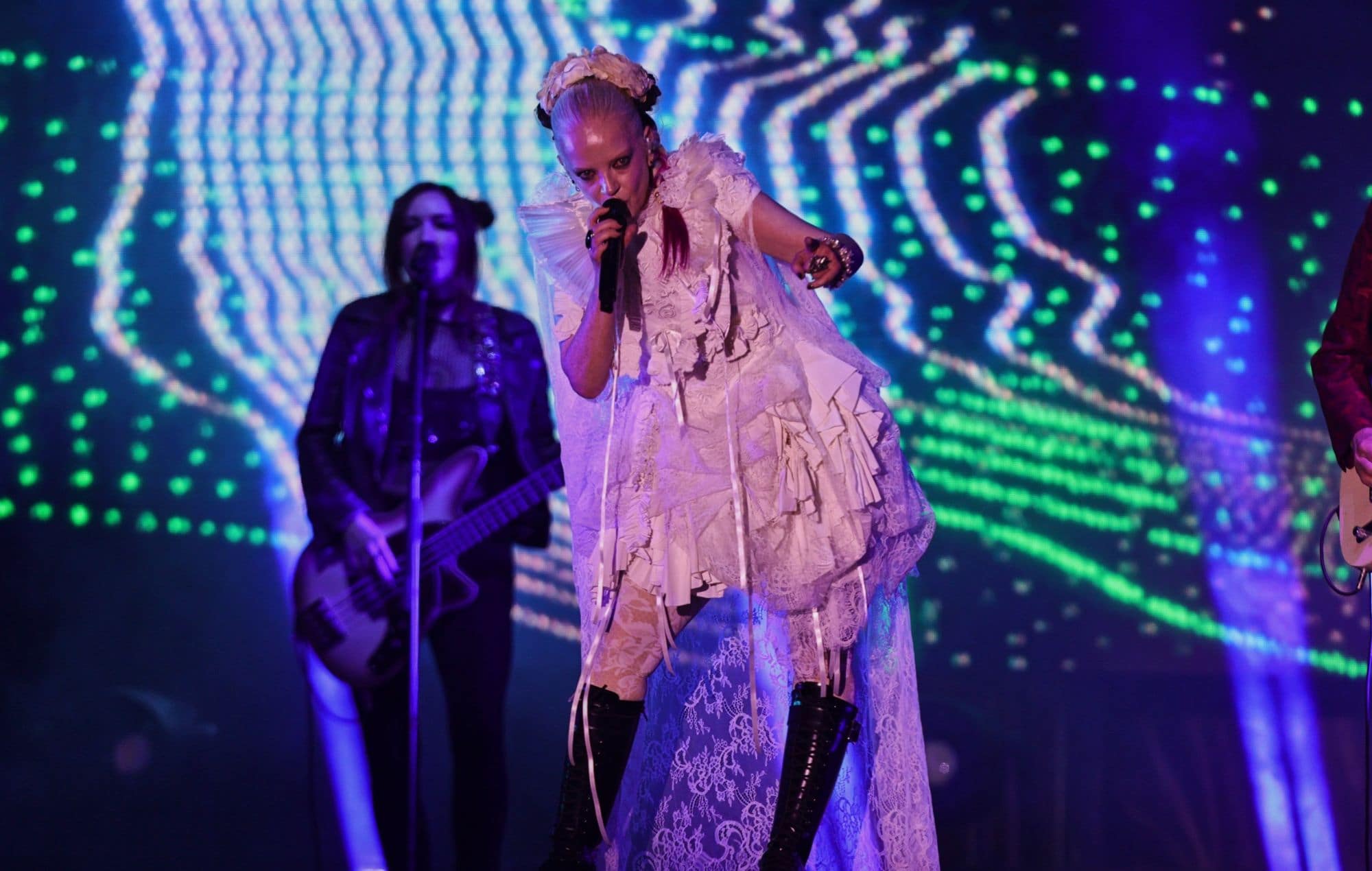
Manson’s stage styling also paid tribute to Mexico. She wore a floral tricolor headdress and styled her hair in a braid, creating a look that nodded to Mexican culture and, more specifically, to the visual legacy of artist Frida Kahlo.
The gesture complemented the music without turning the performance into a costume parade. It was part of the evening’s larger exchange: Garbage brought its songs, Mexico City answered with an enormous audience, and the stage reflected that meeting through sound, clothing, and symbolism.
The Complete Garbage Zócalo Setlist
- “There’s No Future in Optimism”
- “Hold”
- “Have We Met (The Void)”
- “Vow”
- “The Men Who Rule the World”
- “Chinese Fire Horse”
- “Run Baby Run”
- “Why Do You Love Me”
- “The Day That I Met God”
- “Control”
- “Fix Me Now”
- “I Think I’m Paranoid” with Paulina Villarreal
- “Special”
- “Lovesong” — The Cure cover
- “Stupid Girl”
- “Cherry Lips (Go Baby Go!)”
- “When I Grow Up”
- “Push It”
- “Only Happy When It Rains”
- “The World Is Not Enough” with Mariachi Fiesta de México
That’s a setlist with very little interest in playing it safe. It moved from the band’s newer songs through foundational favorites before finishing with “The World Is Not Enough” in its Mariachi-infused form—a suitably cinematic finale for a truly cinematic night.
Garbage’s Next Chapter: Touring Differently
The Zócalo performance arrived after Garbage released their latest album, Let All That We Imagine Be the Light, the previous year. The band has also been confirmed to support Foo Fighters for two upcoming UK and European dates in London and Edinburgh next September.
Dave Grohl explained the connection between the two bands by pointing to their shared history. Both groups released their early records around the same period, creating what he described as a kind of “Class of ’95, ’96” camaraderie. For him, the relationship goes beyond musical lineups and festival bills.
“We both released our early records at the same time, so there was that Class of ‘95, ‘96 or whatever it was,” Dave Grohl said. “There’s a camaraderie there that was formed a long time ago, and in a way we kind of grown up with each other.”
“We have these shared experiences, we cross paths every now and then, and they’re real reunions when you get your bands together again. It’s about more than music. It’s people. Lives have changed and we’re the wise old grunge bands now, and we get to hang out with each other and do it again.”
Manson has also discussed how Garbage plans to approach touring in the future. Although the band completed what was described as its final North American headline tour, she clarified that Garbage isn’t stopping live performances altogether. Instead, the group is moving toward a different touring model.
The financial reality was blunt. The band played around 40 North American shows, but calculations made by Manson’s husband, Billy Bush, suggested they could have earned roughly the same amount from only 10 dates—approximately five on the East Coast and five on the West Coast.
That meant the longer tour carried a personal purpose. Garbage traveled through the middle of North America partly to say farewell to places they might not be able to visit again because the economics no longer work.
“So we would have earned the same amount of 10 shows as 40,” Manson said. “Let that sink in. I don’t think the world has yet fully grasped how insane the economics are.”
As for another Garbage album, fans may need to be patient. Manson said her bandmates are “very ponderous and slow,” though she remains happy to be part of the group and described herself as a “band member for life.”
That spirit was visible in Mexico City: no frantic sense of closure, no farewell curtain call—just a veteran band playing boldly, experimenting freely, and finding new ways to make its songs feel immediate.
Garbage’s Zócalo performance brought together everything that makes the band compelling: sharp-edged rock songs, theatrical instincts, emotional honesty, cultural exchange, and a willingness to say something meaningful between the noise. With Mariachi musicians, Paulina Villarreal, 90,000 fans, and Manson’s message of solidarity all sharing the same stage, it became much more than a greatest-hits concert. What Garbage moment would you most want to see reimagined live?
FAQ
- What songs did Garbage perform in Mexico City? The set included “Only Happy When It Rains,” “Stupid Girl,” “Cherry Lips (Go Baby Go!),” “I Think I’m Paranoid,” “Lovesong,” “Push It,” and “The World Is Not Enough,” among others.
- Who joined Garbage during the Zócalo show? Paulina Villarreal of The Warning joined Garbage for “I Think I’m Paranoid.”
- Which Garbage song featured a Mariachi band? “The World Is Not Enough” was performed with Mariachi Fiesta de México in an arrangement created by Héctor Ruiz.
- What did Shirley Manson say about the Palestinian flags? Manson said she was happy to see the flags and spoke in support of people facing hardship, danger, and a lack of protection.
- What is next for Garbage? Garbage is scheduled to support Foo Fighters for two UK and European dates in London and Edinburgh next September. Manson has also said the band will continue performing through a different touring model.
If Garbage’s Mexico City spectacle left you craving a little more rock-history atmosphere, take a look at the favorite album cover posters at Architeg Prints. A great print can keep that concert-night feeling alive long after the final encore.
 | DISCOUNTGET 30% OFF*Use code on your next order:
|
* This post may contain affiliate links, meaning we earn a commission if you make a purchase through these links, at no additional cost to you.