Gasometer Stockholm Venue: Inside Its Ambitious Cultural Opening


Gasometer Stockholm Venue: Inside Its Ambitious Cultural Opening
Gasometer Stockholm venue is transforming a historic gas holder into a landmark for orchestral concerts, immersive events, fine dining, and bold new performances.
A New Chapter for a Historic Landmark
There’s something wonderfully cinematic about turning an old industrial giant into a stage for music, light, and movement. In Stockholm, the historic Gasometer is preparing to do exactly that—and its opening lineup already feels less like a standard concert series and more like a cultural statement.
FKA twigs, Marina Abramović, and Patti Smith are among the latest names announced for the grand opening of the Gasometer Stockholm venue. Their involvement adds even more artistic weight to a project being positioned as a new cultural landmark for Northern Europe.
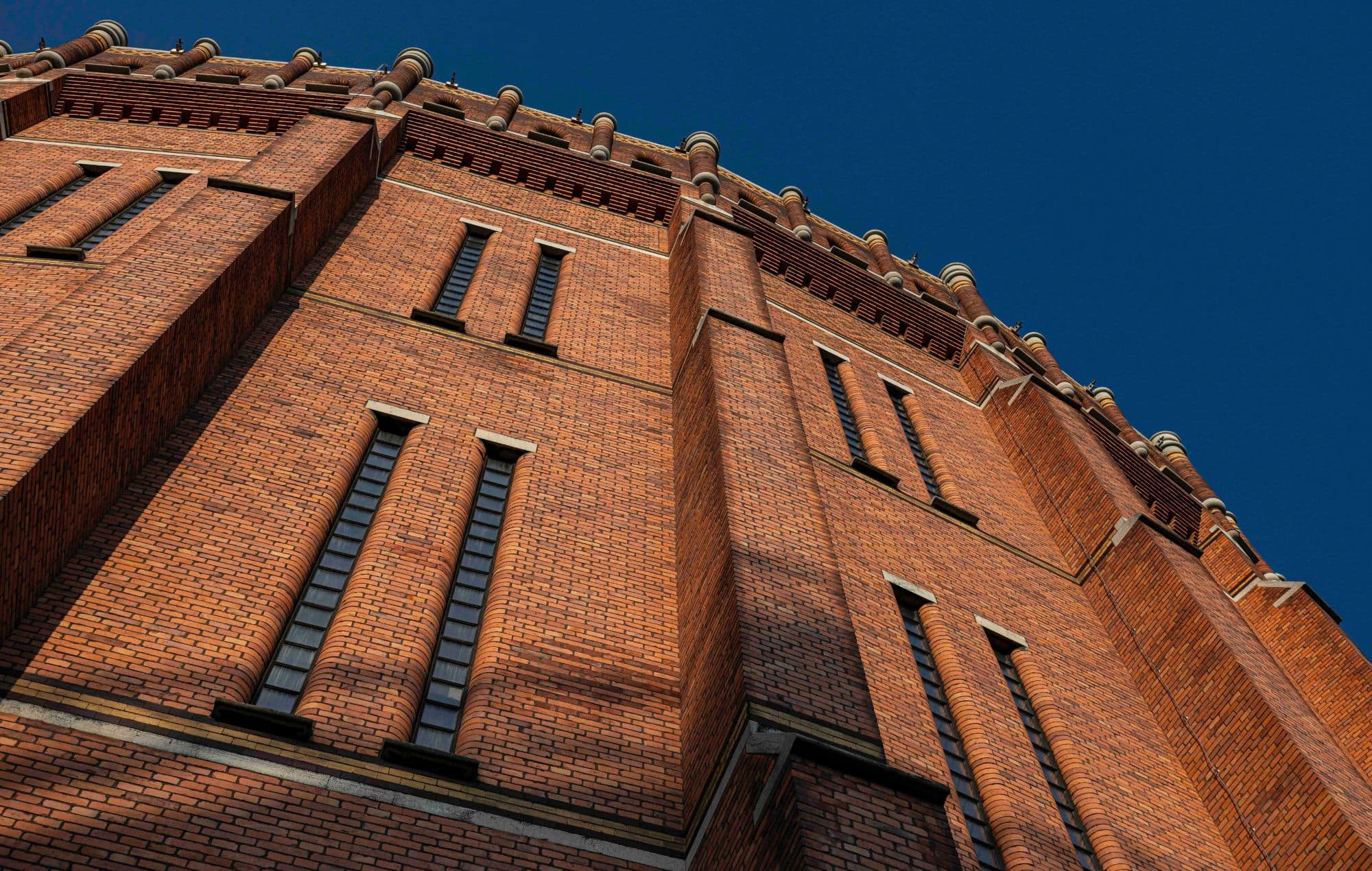
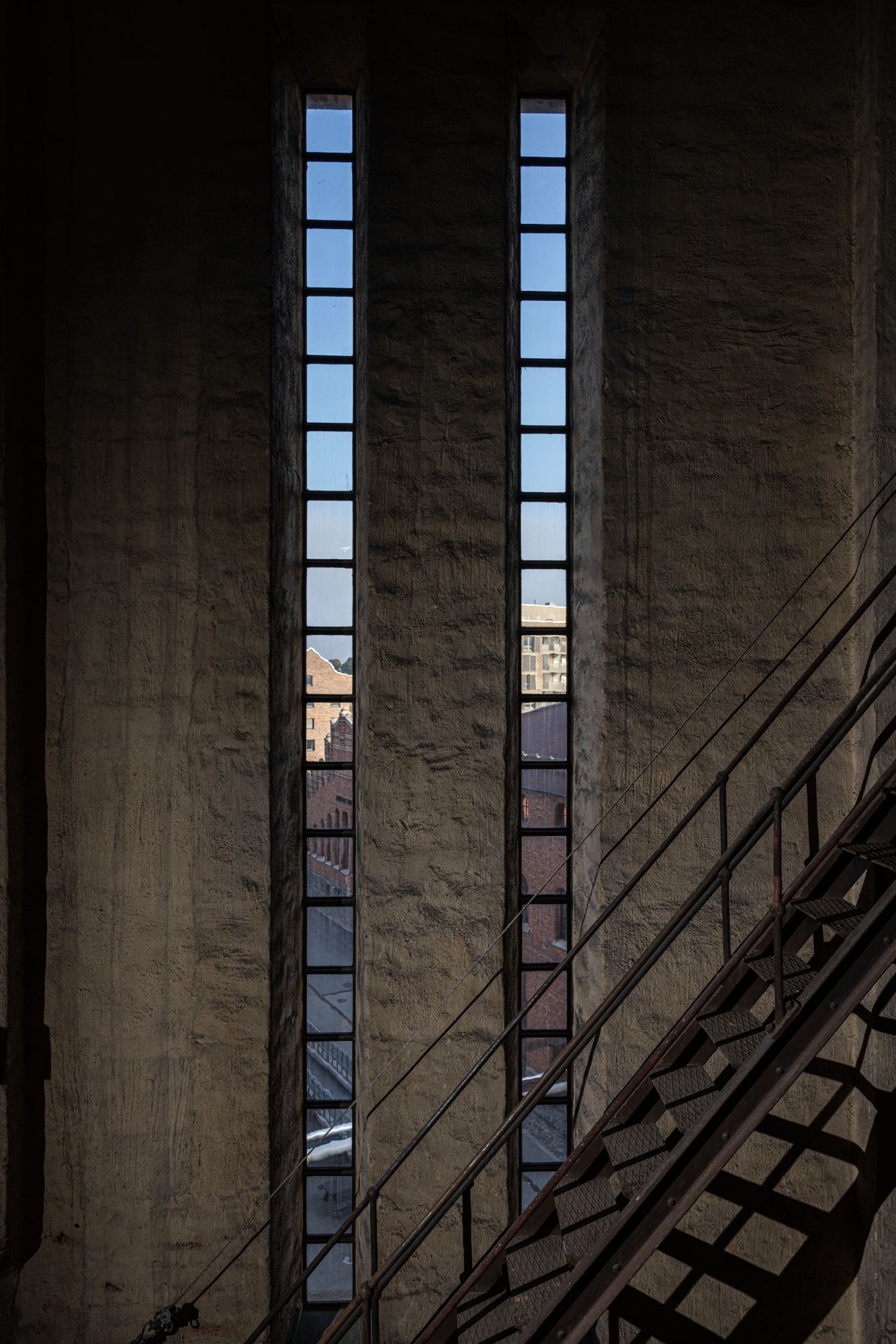
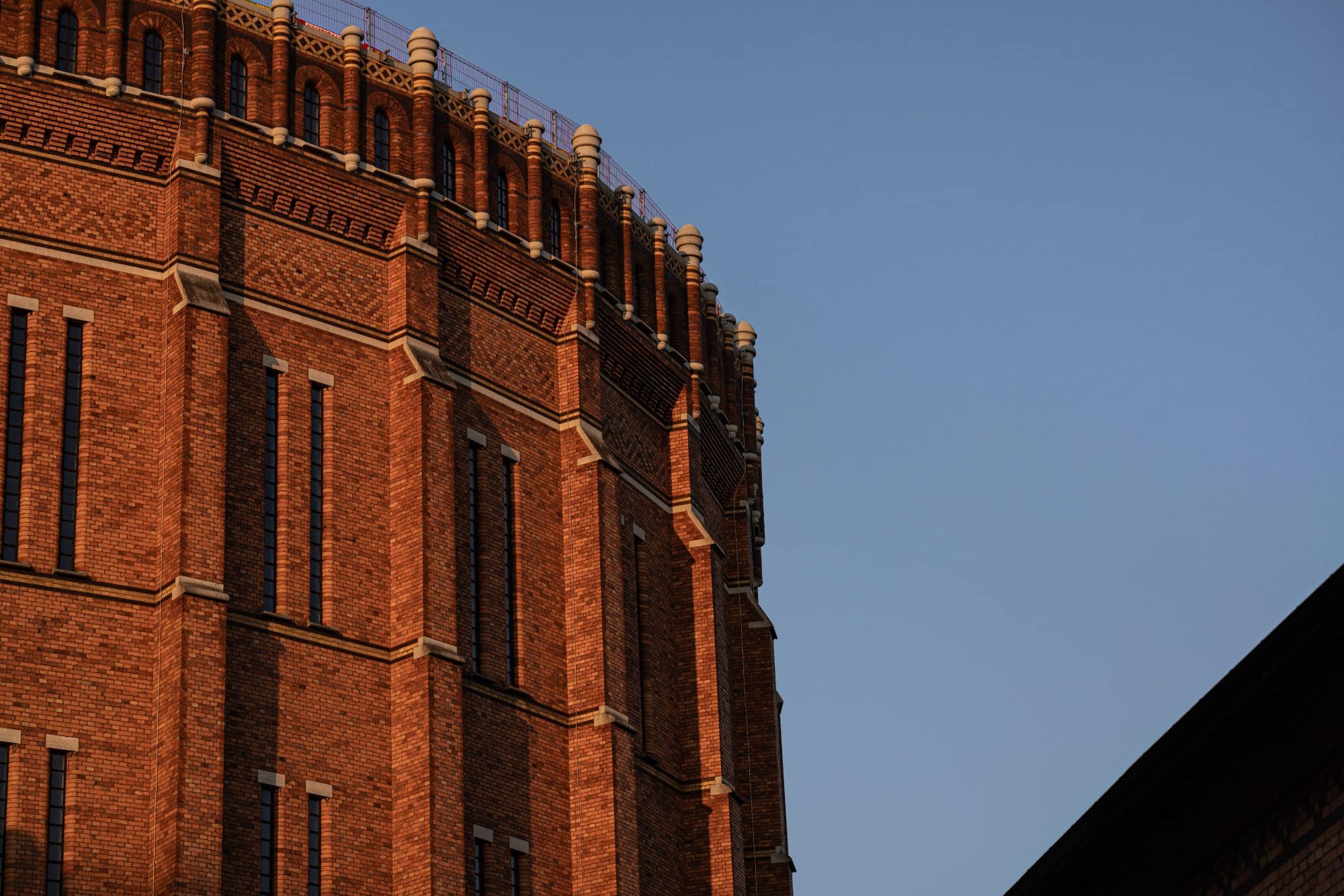
The venue is scheduled to open on Wednesday, March 17, 2027. It occupies a towering former gas holder designed by prominent architect Ferdinand Boberg and constructed in 1899. Now, that imposing structure is being renovated as part of a much wider urban regeneration project, with an investment of around €100 million, or approximately $91 million.
The ambition is enormous. Gasometer will combine architecture, live entertainment, advanced audio and visual technology, and a flexible program designed to move comfortably between opera, contemporary music, performance art, dining, and immersive events. In other words, it won’t simply be a place where audiences sit down and watch a show. It’s being built as an experience from the ground up.
Two Spaces, One Vast Vision
The building’s central attractions will be two main performance spaces, each with its own personality.
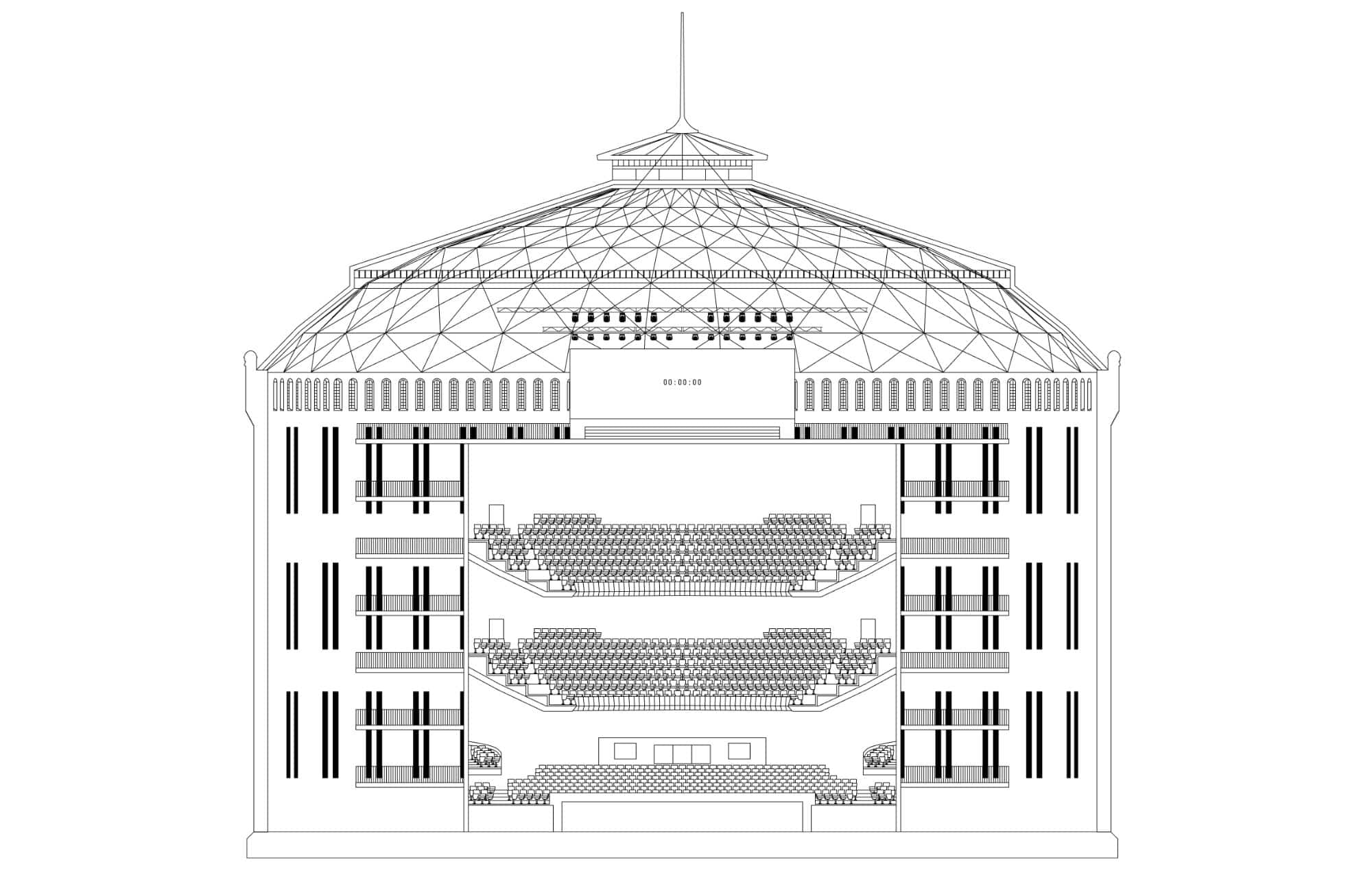
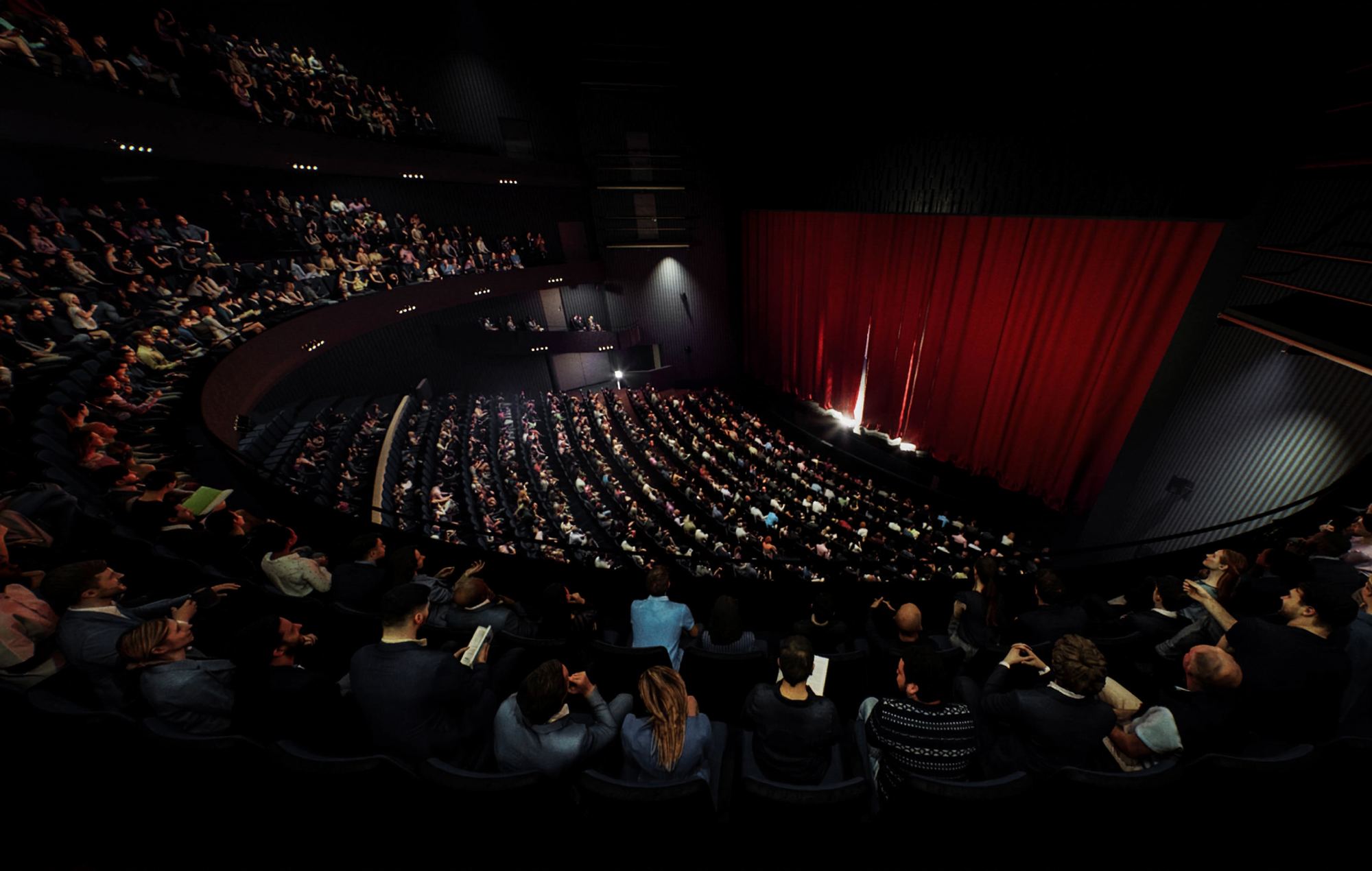
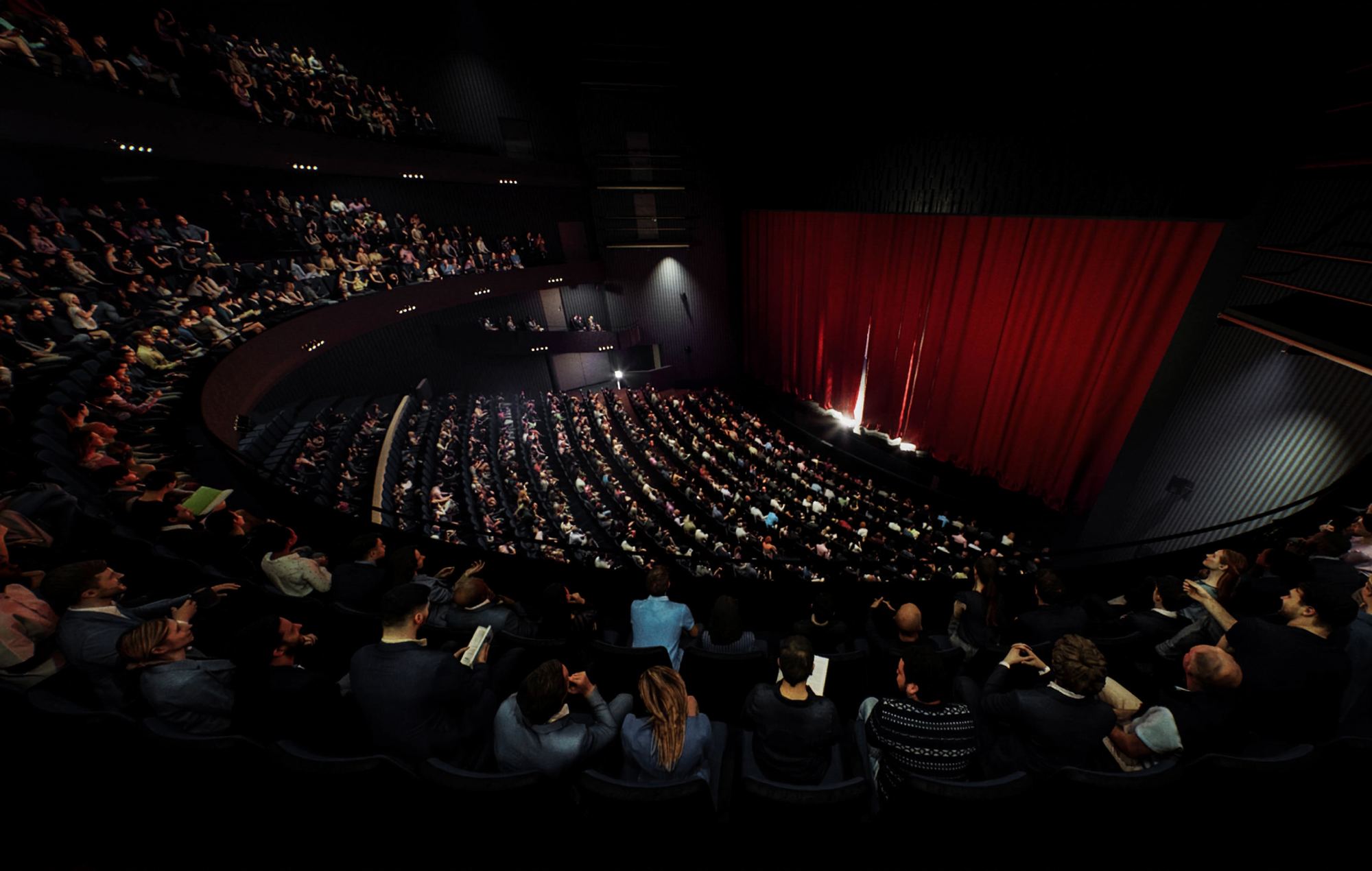
The pillar-free main theater will hold between 1,700 and 2,300 people. Its design is intended to provide clear sightlines across nine levels, along with advanced sound technology, adaptable floor configurations, and an acoustic reverberation system.
Above it sits The Dome, a more intimate but equally ambitious space for up to 1,000 guests. This setting will host live performances, fine dining, exhibitions, screenings, and immersive events. The contrast is appealing: downstairs, a grand theatrical auditorium; upstairs, a flexible gathering place with room for experimentation.
The first events will take place between March 17 and March 20, 2027. Composer Jacob Mühlrad and visual artist and creative director Alexander Wessely will lead the opening program, with a production titled ALEPH at its center.
ALEPH Brings Music, Movement, and Visual Art Together
The opening production is designed to echo the transformation of Gasometer itself—from industrial structure to cultural powerhouse.

ALEPH will unfold across four acts, bringing together classical and contemporary music, performance, choreography, movement, and visual art. Mühlrad has composed, arranged, and curated the music in collaboration with Wessely, whose visual work will help turn the building into part of the performance.
FKA twigs and Patti Smith will perform their own music with new orchestral arrangements by Mühlrad. He has also written a new piece for Marina Abramović, while the wider production will feature work by Sir Wayne McGregor, Resident Choreographer of the United Kingdom’s Royal Ballet, and Celeste.
The concept centers on resurrection and transformation. Gasometer’s industrial past won’t be hidden or smoothed away; instead, it will become part of the show’s identity, with power reimagined as sound, light, and movement.
“Marina Abramović, Patti Smith and FKA twigs are artistic pioneers who have moved me deeply. My idea is to bring them together in a tapestry woven through my compositions. It is unlike anything I have created before.”
— Jacob Mühlrad
Wessely has described the audience experience in almost spiritual terms. He wants visitors to feel small when they enter the gasholder, much as they might inside a church. In ALEPH, music, choreography, light, and sculpture will surround the audience from every direction, creating something closer to a ritual than a conventional concert.
That’s a bold promise, but the building certainly seems ready for it.
From Opera House to Global Music Destination
The Gasometer project is a collaboration between the City of Stockholm and entertainment company Miramis, backed by Qarlbo AB. Miramis also operates the city’s Cirkus venue, while its wider entertainment connections include the team behind the ABBA Voyage production in London.
Julien Planté, formerly associated with London’s KOKO, will oversee programming at Gasometer. The venue will also become the temporary home of the Royal Swedish Opera from 2027 through 2032 while its main building undergoes renovation.
During that residency, Miramis plans to present ten nights of its own programming each year, alongside ten co-produced nights. That arrangement gives Gasometer a built-in artistic foundation while leaving plenty of room for the venue to establish its own identity.
Planté sees the building as far more than a renovated landmark. He believes its history gives it a rare kind of emotional and architectural force.
“I feel humbled and a lot of respect for what it means to transform this industrial landmark into a cultural landmark. The architect had a vision when he built this gas reservoir. What a fantastic architect he was.”
— Julien Planté
He also imagines the thick walls and vast interior carrying the building into a completely new era—one in which the former gas reservoir becomes an acoustic cathedral. The structure’s original purpose may have been practical, but its next chapter is intended to be expressive, communal, and lasting.
Why the Venue Wants Every Concert to Matter
Launching a major new venue is a brave move at a time when many established spaces are struggling. Planté believes that creating Gasometer required long-term thinking rather than short-term caution.
His goal is to create a European cultural institution that can move naturally from opera to live music and entertainment for decades to come. He describes the project as reaching well beyond Stockholm or Sweden, with ambitions for a global audience.
The programming philosophy is simple but demanding: make every concert count.
Planté hopes Gasometer can offer artists the chance to perform alongside an orchestra, creating special arrangements that wouldn’t necessarily be possible in a standard tour setting. He points to the possibility of inviting Bruce Springsteen, while acknowledging that not every performer needs an orchestral backdrop.
His strongest reference point is Little Simz’s performance with Chineke Orchestra at the Royal Festival Hall in 2025. Planté would like to create similarly ambitious collaborations at Gasometer, where contemporary artists can hear their music expanded into something symphonic and cinematic.
He has also expressed interest in inviting Loyle Carner for an orchestral performance. Over time, the hope is for these concerts to grow into a world-renowned series rather than isolated one-off events.
The Intimacy Behind the Grandeur
For all its scale, Gasometer isn’t trying to compete directly with the largest arenas. Its appeal lies in offering something more focused: the drama of a huge architectural setting without the emotional distance that can come with a crowd of tens of thousands.
Planté recalls listening to Portishead’s “NYC Live” as a child and says those live-recorded moments stayed with him. He would love to create a similar legacy through a series of “Live At Gasometer” albums recorded with orchestras.
Nick Cave is also on his personal wish list of potential performers. The theatrical intensity of Cave’s work seems like a natural fit for a venue built around shadows, height, atmosphere, and architectural drama.
The idea is not to treat performers like distant figures on a gigantic stage. Instead, Gasometer wants artists to feel confident, present, and connected to the room.
“We need to programme moments. I’m looking for historic moments.”
— Julien Planté
That sense of occasion may become the venue’s defining quality. A huge concert can be thrilling, of course, but there’s a particular magic in watching an artist take over a space that feels made for one unforgettable evening.
Inside The Dome
The Dome offers a second route into Gasometer’s future. Creative Technology is serving as the technical partner, providing the stage, audio systems, and a 21-square-meter mobile LED screen that can operate through the opening of the gas dome.
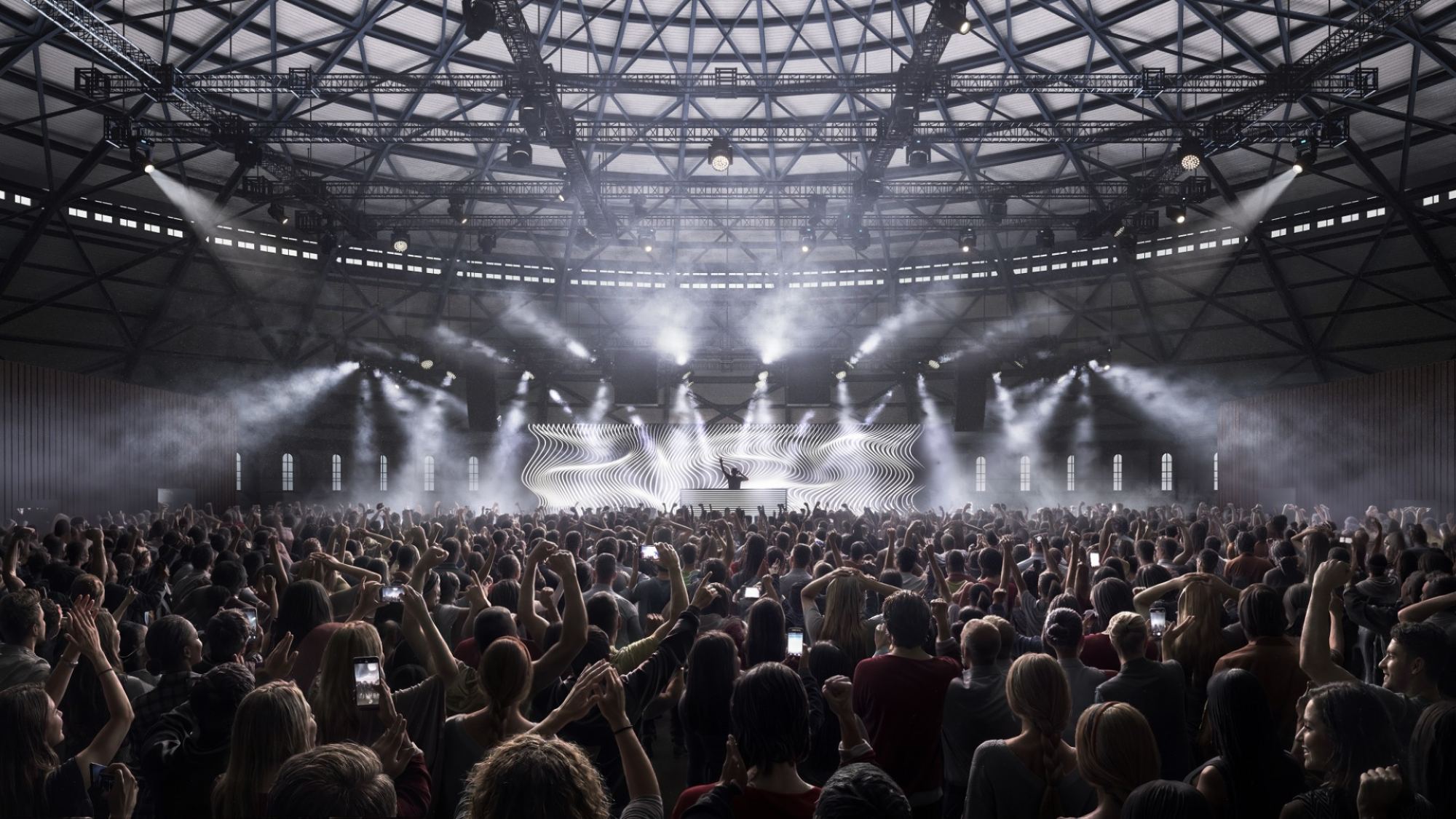
The screen will fill the space beneath a 17-meter-high ceiling, giving performances and events a striking visual scale without removing the flexibility of the room.
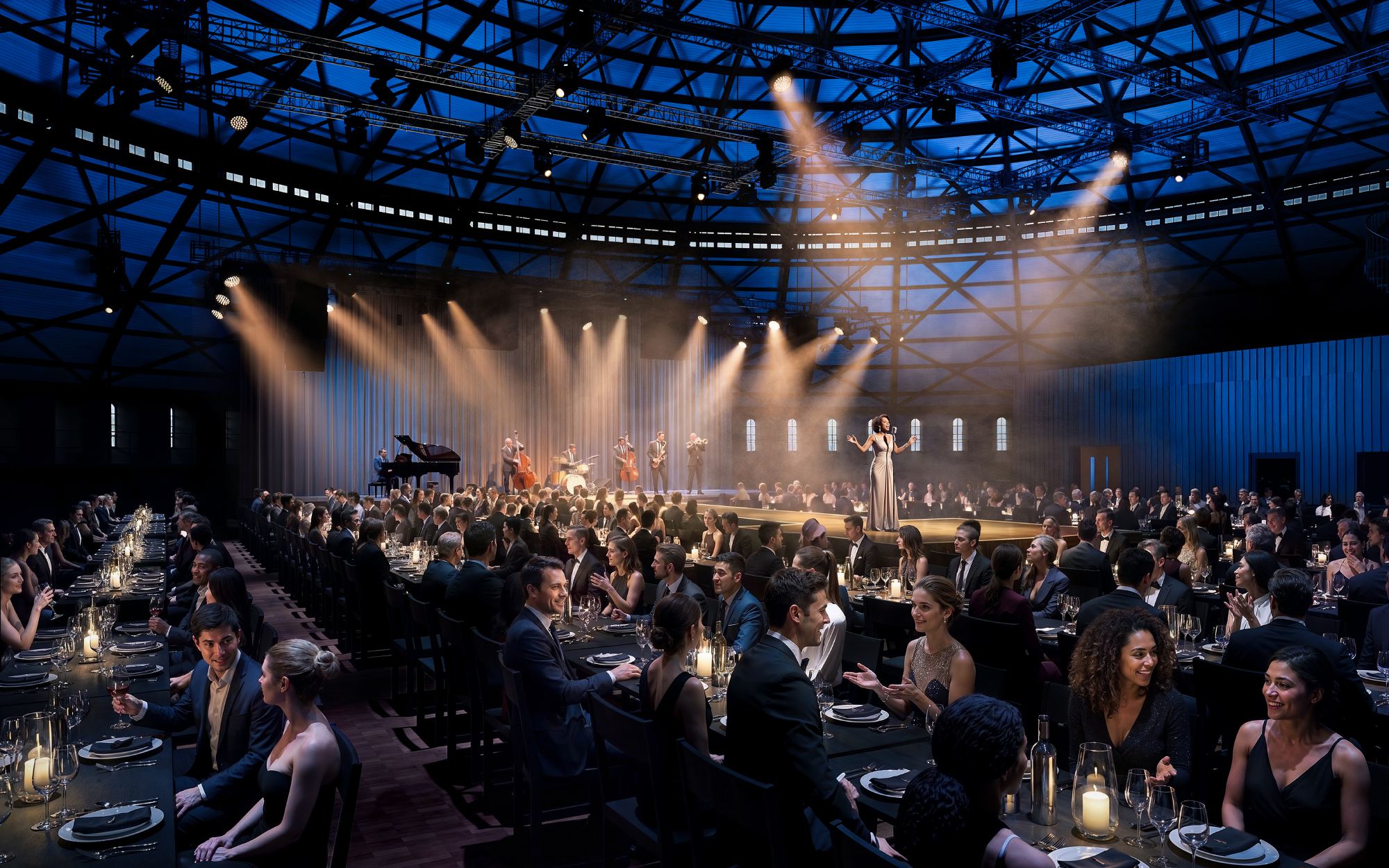
The Dome will include a modular stage, two large bars, a kitchen, and an L-Acoustics sound system described as among the finest available. It can be configured for concerts, exhibitions, screenings, private events, and dining experiences.
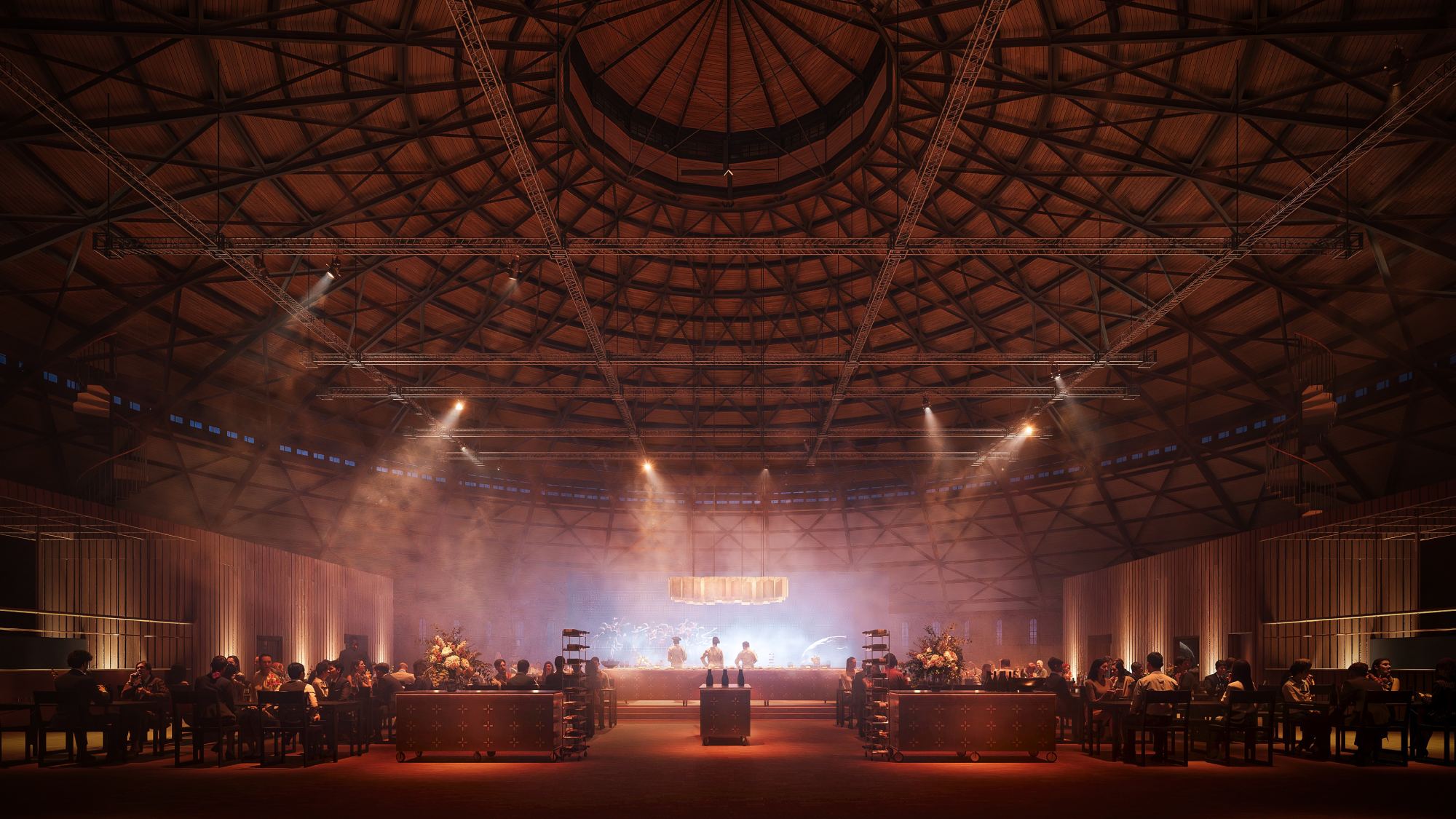
Renowned chef Stefan Eriksson will create a curated menu for the space, adding another layer to the venue’s mix of culture and hospitality. The idea is that guests might come for a performance, stay for dinner, and experience the architecture as part of both.
The Dome’s acoustics will also support a wide variety of programming, including acoustic music, piano performances, electronica, and wellness events. Planté has spoken enthusiastically about the possibilities for electronic music, particularly when the sound can be tailored to the building’s unusual shape and materials.
Jon Hopkins is among the artists he would love to bring into that world, although no additional names have been confirmed for those future events.
“Working with people like L-Acoustics up there, we can have tailored, bespoke performances when you think about architecture, sound and how it travels.”
— Julien Planté
The opening itself is expected to be a major production, with Planté promising a suitably dramatic launch.
“Starting with the opening in March, it will be quite special already. It’s a big production and very ambitious. We’re going to launch with a big bang.”
— Julien Planté
Opening Dates and Tickets

Tickets for the four inaugural performances, taking place from March 17 through March 20, 2027, are scheduled to go on sale at 9 a.m. GMT on Wednesday, November 25.
With orchestral reinterpretations, major performance artists, a temporary opera residency, and two radically different spaces under one historic roof, Gasometer is arriving with a clear sense of purpose. It isn’t merely reopening an old building. It’s trying to give that building a new voice.
Conclusion
The Gasometer Stockholm venue has all the ingredients of a genuinely memorable cultural project: industrial history, ambitious technology, intimate programming, and artists who thrive when the ordinary rules are bent. Would you travel to Stockholm for an orchestral performance, a major artistic collaboration, or one of the venue’s future “historic moments”?
FAQ
- What is the Gasometer Stockholm venue?
Gasometer is a renovated former gas holder in Stockholm being transformed into a multi-purpose cultural and entertainment venue. - When will Gasometer open?
The venue is scheduled to open on March 17, 2027, with inaugural performances running through March 20. - Who is performing during the opening program?
The opening program includes FKA twigs, Patti Smith, Marina Abramović, Celeste, and work connected to Sir Wayne McGregor, with orchestral music by Jacob Mühlrad. - How many people can the main theater and The Dome hold?
The main theater will accommodate approximately 1,700 to 2,300 guests, while The Dome will hold up to 1,000 people. - What kinds of events will Gasometer host?
The venue will present opera, live music, orchestral performances, electronic music, exhibitions, screenings, immersive events, fine dining, and wellness programming.
If Gasometer’s mix of architecture, music, and visual spectacle speaks to you, bring that atmosphere home with a favorite album cover poster from Architeg Prints. It’s a warm, stylish way to keep the concert-hall feeling alive long after the encore.
 | DISCOUNTGET 30% OFF*Use code on your next order:
|
* This post may contain affiliate links, meaning we earn a commission if you make a purchase through these links, at no additional cost to you.