‘God Bless America’ and Why Bad Bunny’s Super Bowl Moment Matters


‘God Bless America’ and Why Bad Bunny’s Super Bowl Moment Matters
Bad Bunny’s Super Bowl halftime performance made history with millions tuning in, spotlighting the power of music beyond language and culture.
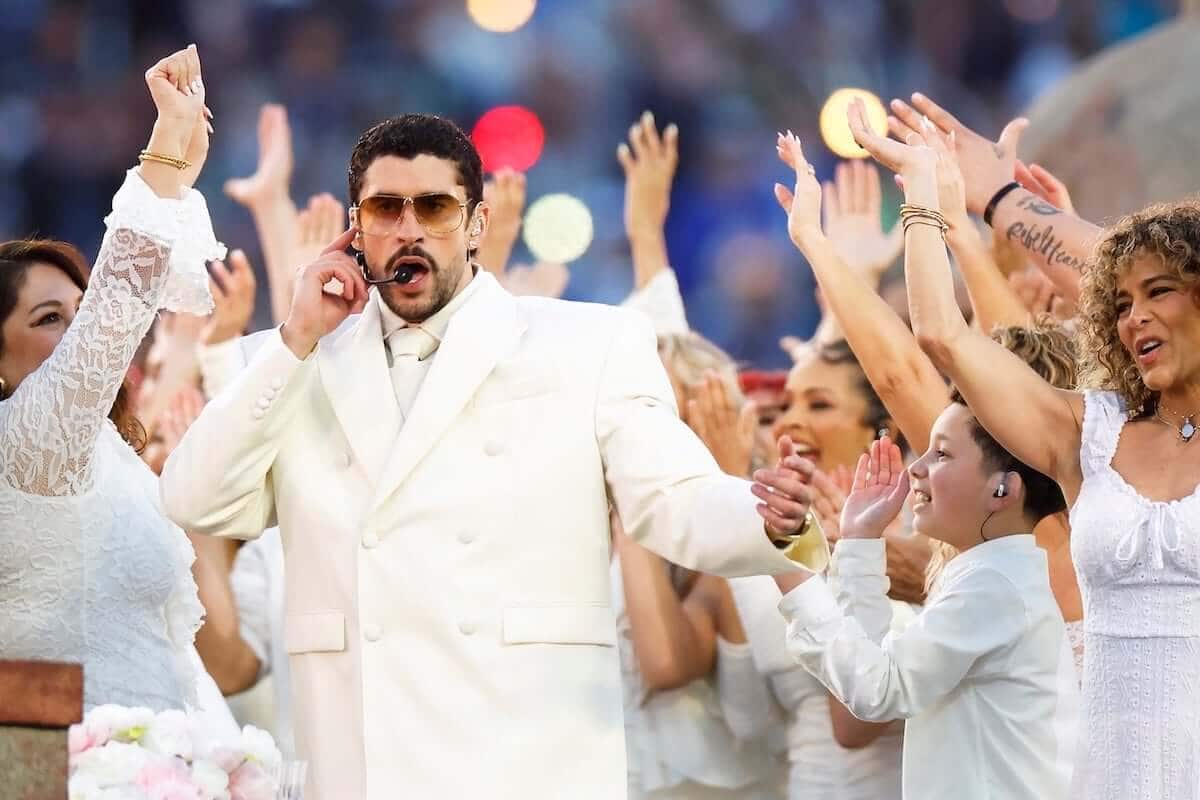
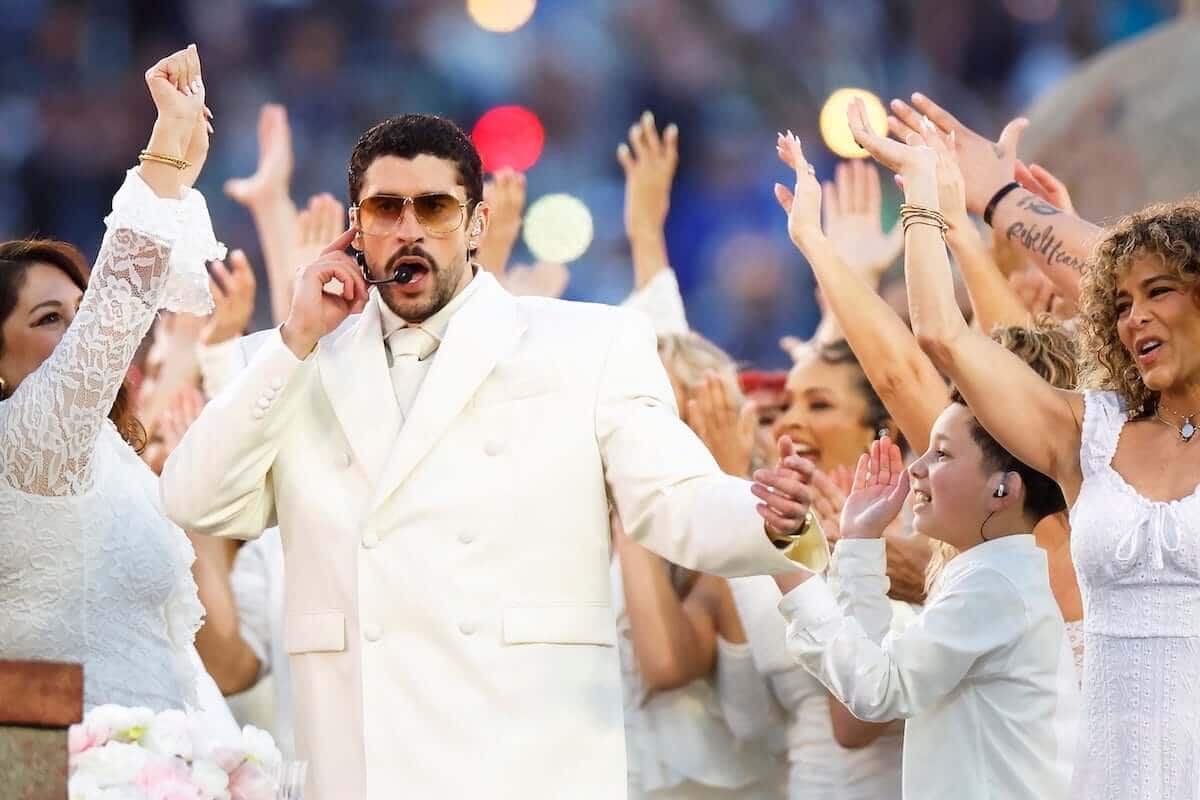
If you caught the Super Bowl LX halftime show in Santa Clara this year, you witnessed something historic and, frankly, a little magical. Bad Bunny, the Puerto Rican global superstar, took the stage and captivated a massive audience—not just with his music, but with a performance that transcended language barriers and cultural divides.
Bad Bunny: The Unstoppable Global Phenomenon
Spotify’s Wrapped data for 2025 confirmed what many fans already knew: Bad Bunny is a titan of the music world. With a staggering 19.8 billion streams, his global reach more than doubles the entire population of Earth. He’s no stranger to this top spot, having claimed it in 2020, 2021, and 2022 as well—cementing his place as one of the most influential artists of this generation.
The NFL, always eyeing global expansion, plans nine international games in 2026 after hosting seven in 2025. The league's global ambitions are clear, and the fact that all seven international games last year nearly sold out signals the massive worldwide appetite for American football.
When the Biggest Game Meets the Biggest Artist
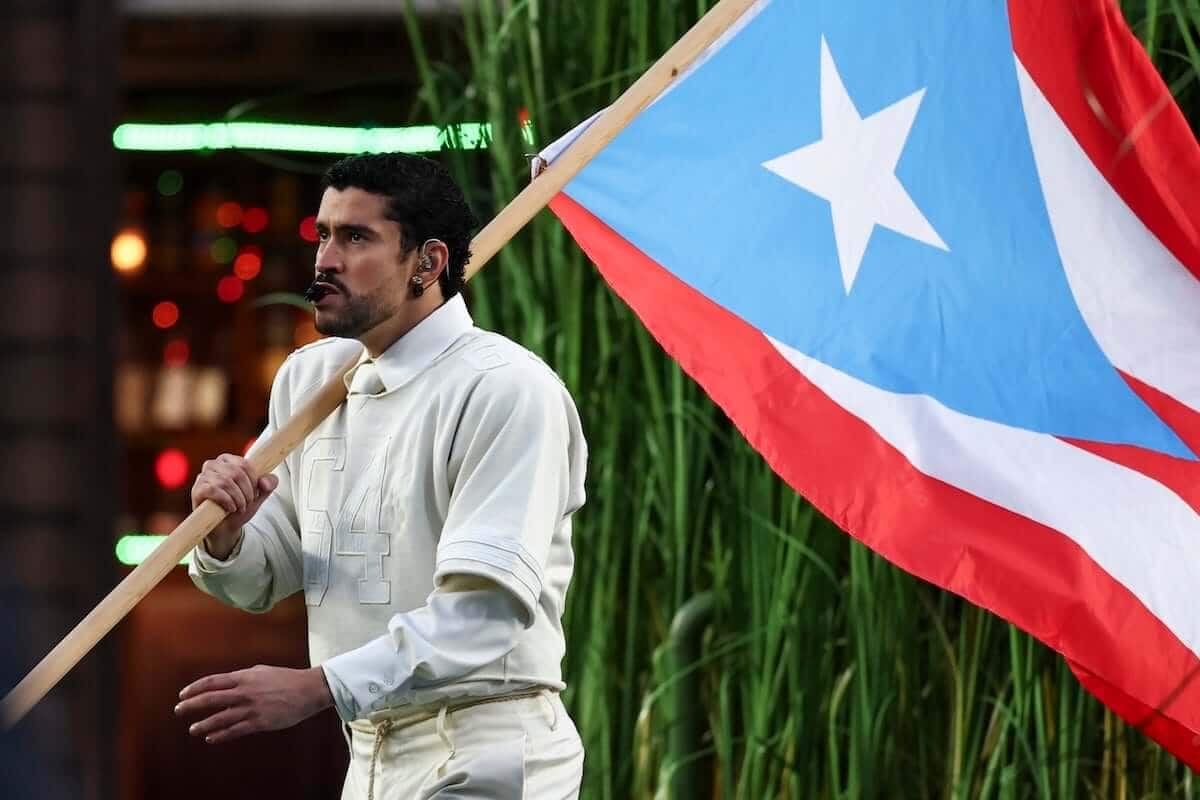
Pairing America’s most popular sport with one of the most streamed artists on the planet was a bold and, in hindsight, brilliant move. Bad Bunny is an American citizen, singing in Spanish—a language spoken by over 42 million people in the U.S. alone. Yet, despite this, some viewers voiced their displeasure, many without even tuning in. The complaints? That America should only use English and that television shouldn’t broadcast performances in languages some don’t understand.
It’s a curious stance when you consider music’s universal nature. Beethoven’s “Moonlight Sonata,” an instrumental masterpiece by a German composer who never spoke English, has moved generations across the world without a single word sung. No one batted an eye when that played at a recital or in a movie. So why is it an issue now?
The Power of Music Beyond Words
Here’s the thing: not understanding every word in a Bad Bunny track isn’t a problem with the music; it’s a missed opportunity to feel the music. Listening isn’t just about comprehension; it’s about connection.
If last night’s show left you unsettled or you skipped it entirely, ask yourself—why? Is it just a matter of personal taste? That’s totally valid. Pop music has historically rattled the older generations. Many elders once dismissed rock ‘n’ roll and the Beatles as fleeting fads. But if you’re genuinely upset because the music resonates with younger audiences and you don’t get it anymore, that’s more about cultural shifts than the artist himself.
“You don’t have to like it; it’s okay to admit that the world has passed you by and that you no longer recognize the sounds you hear on the radio.”
Society’s changing tides mean we all get sunglasses from different eras of culture. Sometimes, it’s our turn to step back and let new voices lead. That’s not a loss; it’s evolution.
When Criticism Turns to Prejudice
However, if your frustration stems from anything deeper—if it’s about race, language, or cultural identity—that’s where things get uncomfortable. It’s easier to dismiss someone’s music because “it doesn’t sound like me,” but that truth reveals more about the critic than the artist.
Bad Bunny challenges what some people believe America should look and sound like—and that can feel threatening. But isn’t the real America a vibrant mosaic of voices, stories, and languages?
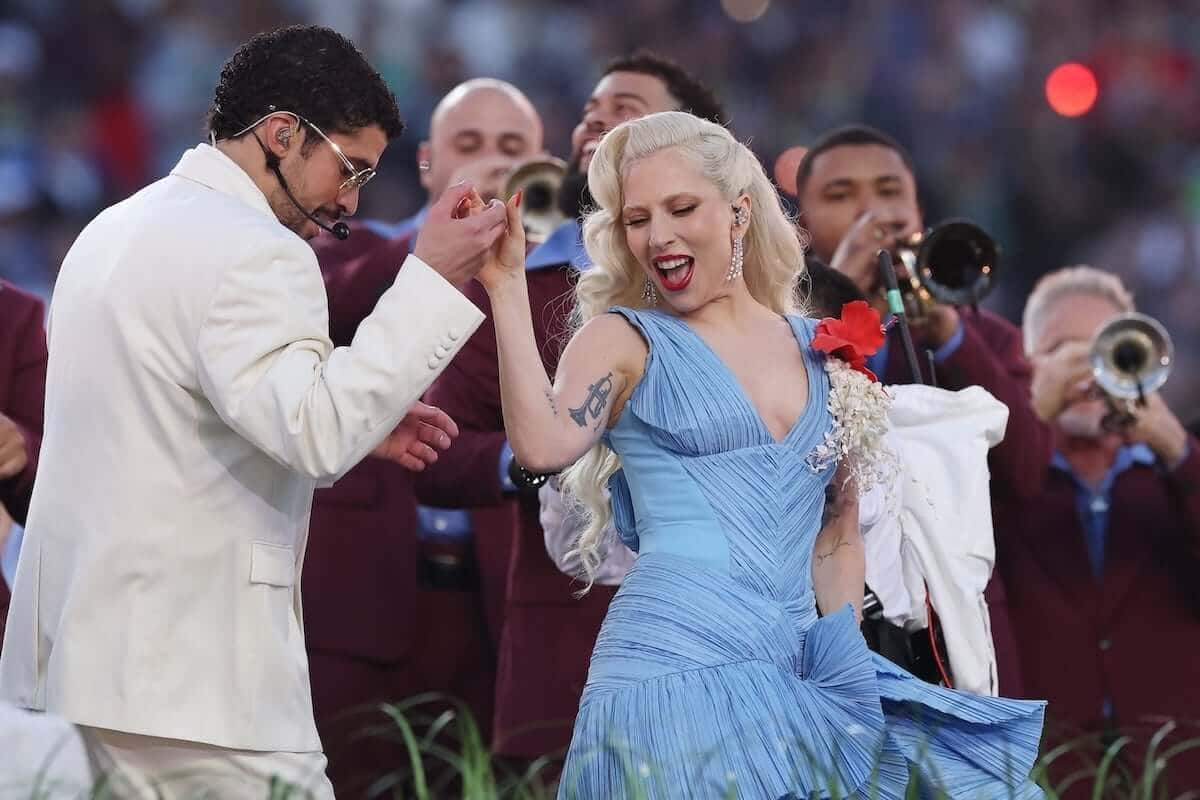
Watching the Super Bowl halftime show in Santa Clara—a city whose very name nods to its diverse heritage—was a reminder of that mosaic. The show celebrated music and culture, bringing people together to dance and enjoy a shared moment. The jumbotron's closing message said it all: “The Only Thing More Powerful Than Hate Is Love.”
If that sentiment doesn’t resonate, it begs the question: what values are you holding onto?
The Alternative Halftime Show and What It Missed
Meanwhile, Turning Point USA, a conservative group known for promoting Christian values, organized a counter-halftime event. Surprisingly, the message of love over hate was absent there, possibly because it wasn't coming from the “right” voice in their eyes.
Music and culture should be about inclusivity, not exclusion. We don’t want to live in a world where we only hear one kind of voice or see only one kind of face. To grow, we need to embrace new sounds, new stories, and yes, new languages.
America’s Rich Musical Heritage Is a Blend of Cultures
The roots of American music are a tapestry woven from diverse traditions. Jazz and blues, quintessentially American genres, emerged from a fusion of African rhythms and European melodies—shaped by people who didn’t “look like” many of us today. Acknowledging that history is uncomfortable for some because it challenges their narrow view of what America is.
But it’s true—and it’s beautiful.
Democracy, Choice, and What the Numbers Say
The halftime show wasn't selected by a national vote, but by popular acclaim. Nearly 135 million people tuned in on NBC alone, dwarfing the alternative shows’ viewership numbers. The message? The public chooses what moves them, regardless of language.
Puerto Rico, an American territory, is home to Bad Bunny, an American citizen with the world’s most streamed music. The NFL, America’s biggest sport, showcased him on the biggest stage.
The math is clear: the people have spoken—and they did it in Spanish.
A Moment to Celebrate Unity in Diversity
Bad Bunny’s Super Bowl performance was more than a show—it was a cultural milestone. It reminded us that even when we look and sound different, our shared hope for love over hate unites us all.
So here’s to embracing the new, the different, and the vibrant. As Bad Bunny showed us, what makes America truly great is its ability to welcome and celebrate all voices.
Adios, and hasta luego.
FAQ
- What record did Bad Bunny achieve in 2025?
Bad Bunny was the most-streamed artist globally with 19.8 billion streams according to Spotify’s Wrapped. - Why was there controversy over Bad Bunny’s Super Bowl halftime show?
Some viewers objected because he performed primarily in Spanish, a language they don’t understand, sparking debates about language and culture in America. - How many people watched the Super Bowl halftime show featuring Bad Bunny?
Approximately 135 million viewers tuned in on NBC alone, making it one of the most-watched halftime shows ever. - What message was displayed at the end of the halftime show?
The jumbotron showed the message: “The Only Thing More Powerful Than Hate Is Love,” emphasizing unity and acceptance. - How does Bad Bunny’s music represent American culture?
His music highlights the multicultural and multilingual reality of America, showcasing the country’s diverse and evolving identity.
Looking to bring some of that Super Bowl halftime magic into your space? Shop your favorite album cover posters at our store here and celebrate the artistry that moves the world.
 | DISCOUNTGET 30% OFF*Use code on your next order:
|
* This post may contain affiliate links, meaning we earn a commission if you make a purchase through these links, at no additional cost to you.