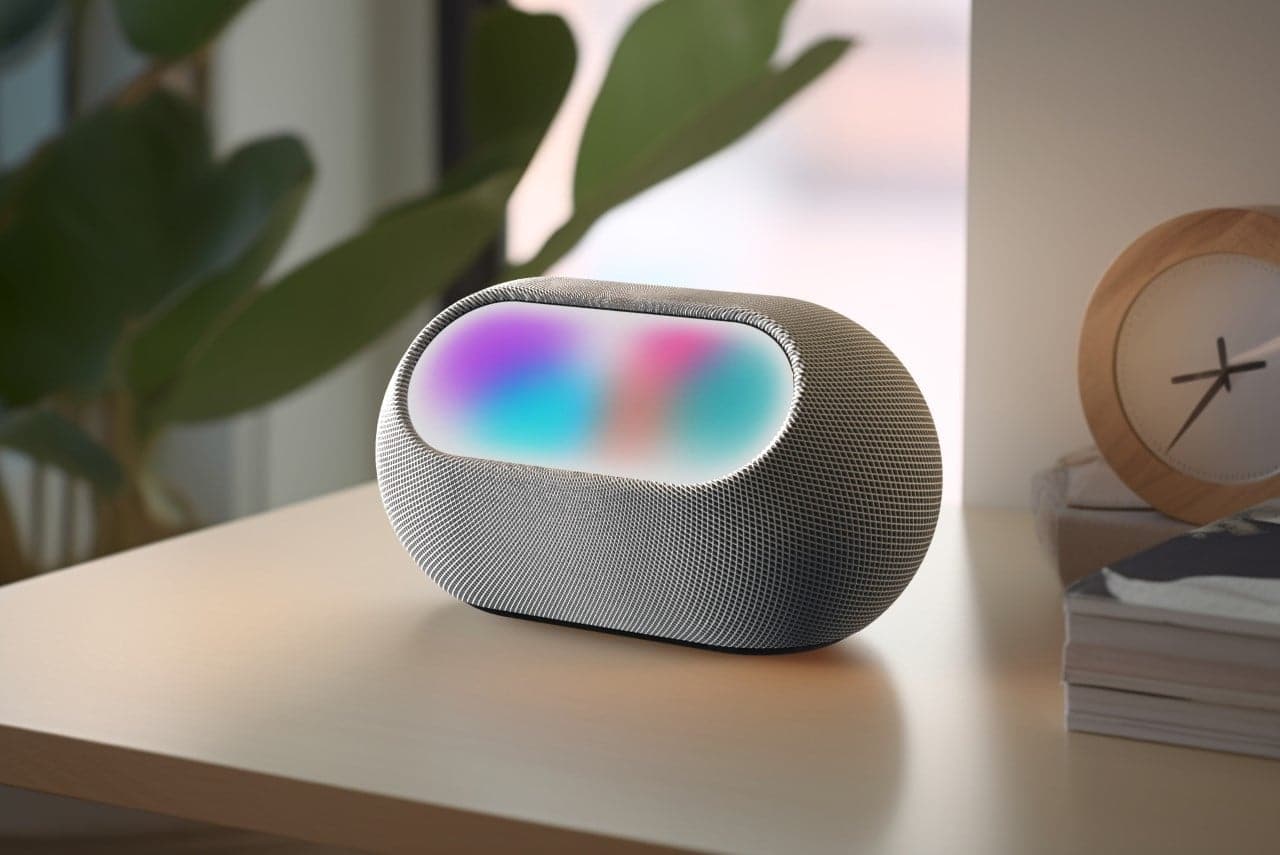
HomePod Screen Rumors: Apple’s Smart Home Push Arrives October 13



HomePod Screen Rumors: Apple’s Smart Home Push Arrives October 13
HomePod screen rumors point to a stylish smart home hub, a robotic arm, new Apple TV hardware, and a smarter Siri arriving October 13.
Apple’s “Welcome Home” Event Sets the Scene
Apple event titles often sound like luxury fragrances: Wonderlust, Scary Fast, and It’s Glowtime. So when the company announced an October 13 event called “Welcome home,” the directness felt almost charmingly old-fashioned.
Welcome home.
It’s a doormat phrase. A warm greeting. A tiny bit of domestic theater.
Behind that invitation, Apple is reportedly preparing its biggest home-focused hardware push in years. The headline product is expected to be a smart home hub unofficially known as the HomePad, bringing a display to the HomePod family for the first time. A new Apple TV 4K and a second-generation HomePod mini are also expected to join the lineup.
Press attendees are reportedly being invited to an “Apple Experience” in Tribeca, suggesting that the event may include hands-on demonstrations rather than a purely stage-bound presentation. For Apple fans, that detail matters. A living-room device can sound abstract in a keynote, but put it on a kitchen counter and suddenly the whole idea becomes much easier to picture.
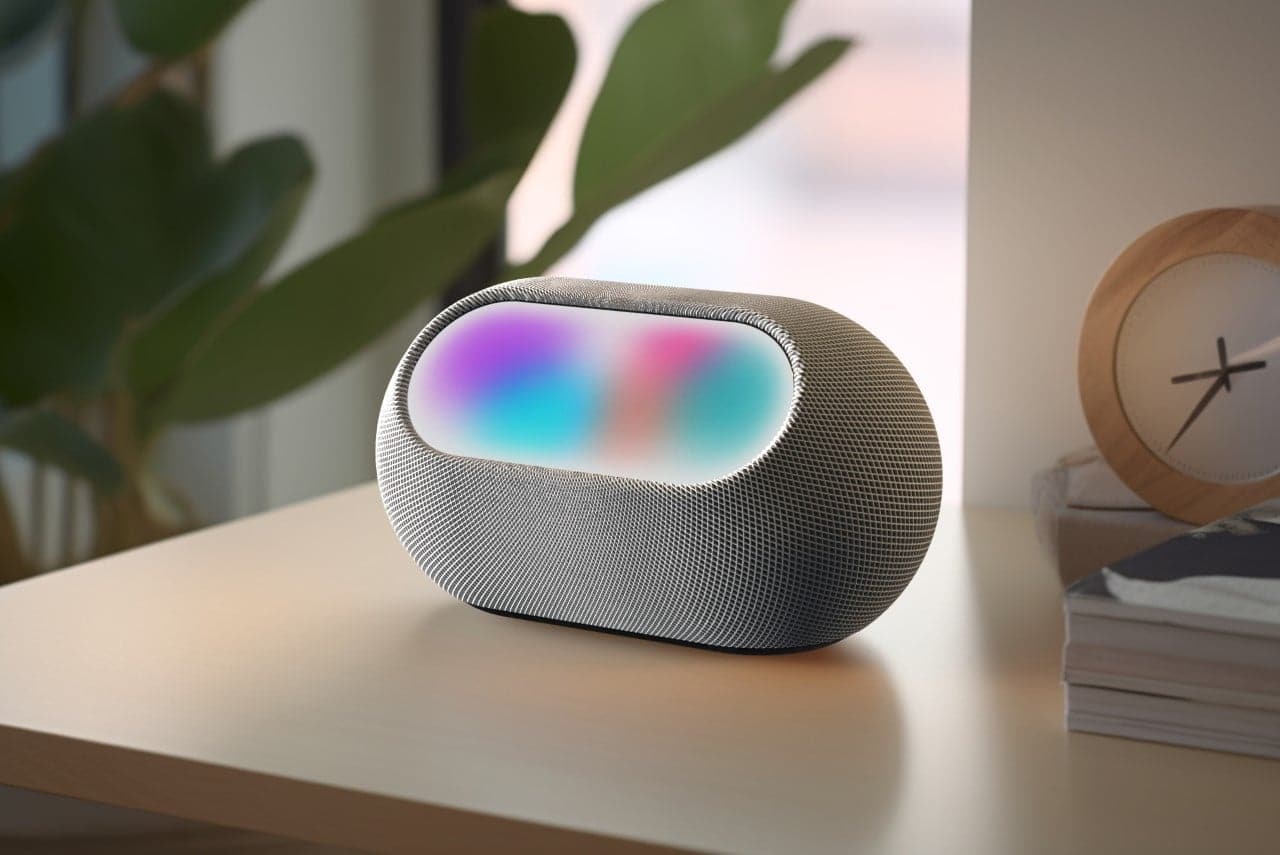
The HomePod Finally Gets a Face
The HomePod has spent nine years being the speaker you admire but rarely interrogate. It sounds excellent, fills a room with music, and sits quietly in the corner like a very expensive ceramic sculpture. But the missing screen has always limited what it can show, explain, or control.
That’s why HomePod screen rumors have lingered for so long. The idea first gained serious attention around October 2023, when reports floated a larger HomePod Max with a 7-inch display. Now, the rumored design appears to be more compact and, frankly, more visually intriguing.
The reported HomePad would feature a roughly 6-inch square screen mounted on a polished metal arm above a rounded, perforated speaker base. The silhouette immediately recalls the iMac G4, the famous “sunflower” desktop computer with its floating display and distinctive stainless-steel neck.
Apple may be raiding its own design attic, and I’m not mad about it.
For years, competing smart displays have looked like tablets awkwardly balanced on chunky speakers. A small dose of desk-lamp personality could help Apple’s version feel less like a phone glued to a can and more like a considered piece of furniture. It’s the kind of throwback that works because it isn’t a straight remake. The old iMac shape is being translated into a device meant to live beside fruit bowls, coffee mugs, and the occasional pile of unopened mail.
Two HomePad Versions Could Serve Different Rooms
The design story gets more interesting when the hardware splits into two reported versions. One tabletop model, codenamed J490, is said to sit on a rounded speaker base with its screen held aloft by the metal arm.
A second version, known as J491, is reportedly designed for wall mounting. It would remove the arm and circular base, replacing them with a thin square enclosure that places the speakers and microphones beneath the display. Both versions are expected to require a power outlet, so this won’t be a device you casually carry from room to room like an iPad.
That distinction makes sense. The tabletop model sounds like a companion for a kitchen island, nightstand, or desk. The wall-mounted edition could function more like a central household control panel, quietly waiting near an entryway or in a busy family room.
Both models are reportedly intended for shared household use. They may recognize who is speaking, display that person’s information, and conceal private content when a visitor is present. That last feature could be especially useful in a home where calendars, messages, photos, and personal reminders are constantly crossing paths.
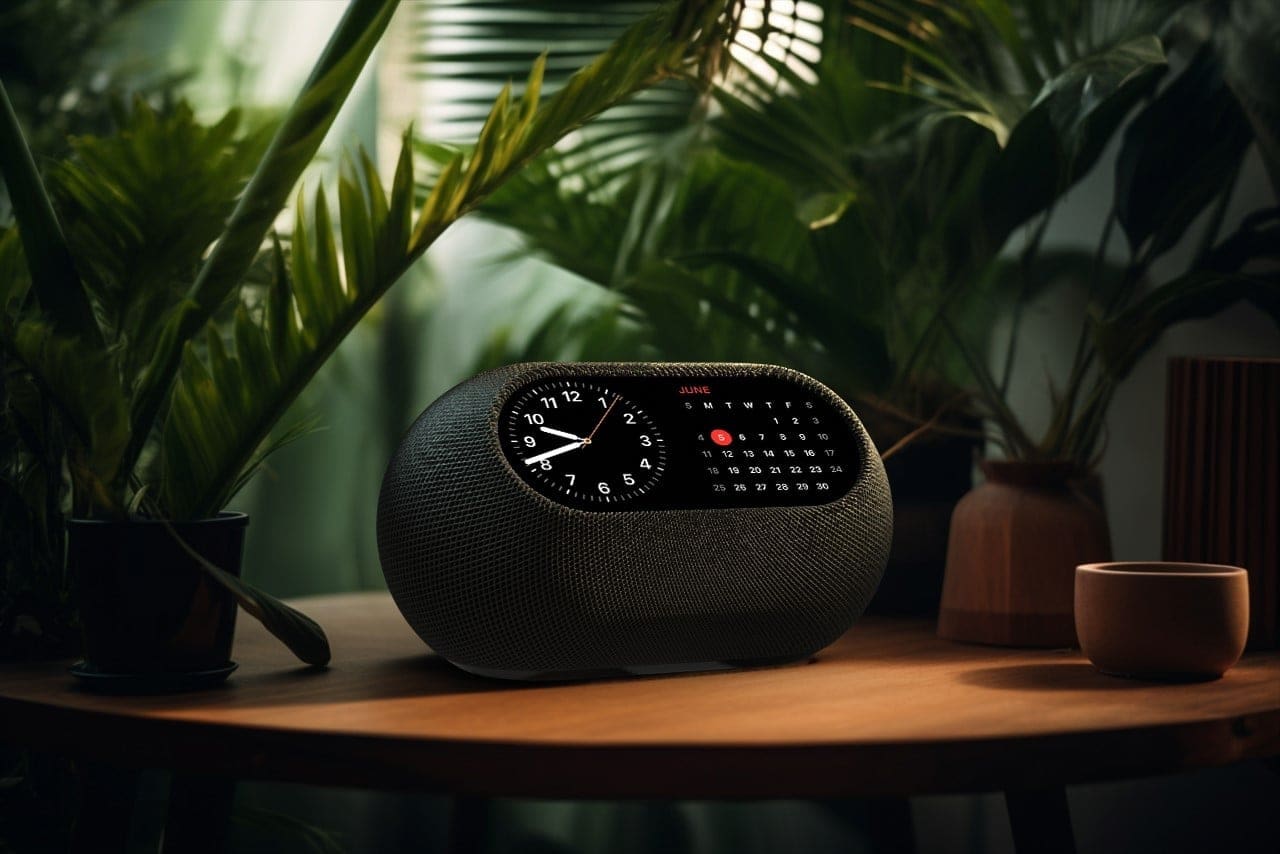
The interface is expected to borrow visual ideas from the Apple Watch and the iPhone’s StandBy mode. Widgets could appear on the screen, while a single front-facing camera would support FaceTime. Setup would still require an iPhone, though, so the HomePad doesn’t represent a clean break from Apple’s ecosystem. It’s more like another polished doorway into it.
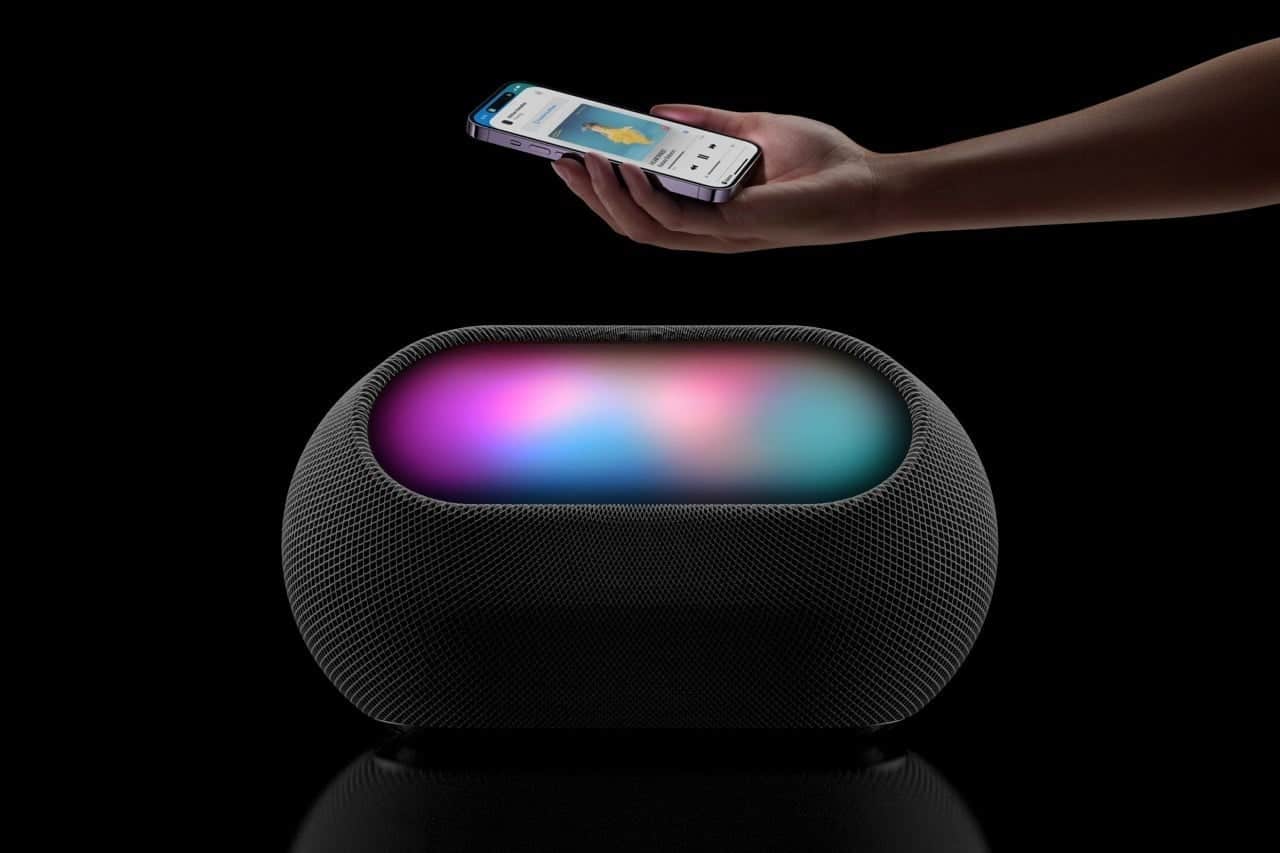
The Robotic Arm Takes the Retro Idea Further
Apple’s history with articulated displays adds another layer to the story. During the development of the iMac G4, the company explored several ways to attach the screen before settling on a single stainless-steel arm. Steve Jobs was listed as the primary inventor on one of the product’s design patents, making that elegant neck more than a visual flourish; it was part of the machine’s identity.
Now, a third HomePad model is reportedly in development with a larger 9-inch display mounted on a robotic arm capable of rotating 360 degrees.
That sounds delightfully over-engineered in the best possible way. Picture a small screen turning toward whoever is speaking, tracking activity across a room, or swiveling between a recipe on the counter and a video call near the table. The comparison to Pixar’s little Luxo Jr. lamp is hard to avoid. Give the thing a personality and a tiny pair of eyes, and we’ll all be emotionally attached by lunchtime.
The rumored robotic version follows earlier reports about Apple’s broader home software plans, including a magnetic mounting system and an adaptive display. One odd visual choice is the presence of relatively thick bezels. Apple has spent years trimming borders from its screens, so seeing them return here may seem unusual.
Still, context matters. A display designed to be glanced at from several feet away doesn’t necessarily need the razor-thin edges of a phone. Those bezels might make it feel more like a framed household object than a miniature television.
A New Apple TV 4K Could Bring More Power to the Living Room
The HomePad may be the most visually distinctive product in the group, but the Apple TV 4K is reportedly getting a meaningful internal upgrade as well.
The current Apple TV 4K uses the 2021 A15 Bionic chip. Rumors point toward either an A19 with 8GB of memory or an A19 Pro with 12GB, matching the level of hardware used in Apple’s higher-end smartphone line. That would give the streaming box plenty of headroom for games, demanding apps, and more advanced Siri features.
A new N1 wireless chip is also rumored. It could bring support for Wi-Fi 7, Bluetooth 6, and Thread, the low-power networking standard designed to help smart home devices communicate without overwhelming a household router.
That may sound like technical housekeeping, but Thread is one of those invisible details that can determine whether a connected home feels smooth or maddening. When lights, locks, sensors, speakers, and thermostats all need to talk, the plumbing matters.
Code reportedly found in tvOS 27.2 suggests that as many as four HomePods could pair with the Apple TV for surround sound. Those speakers may also relay Siri requests, allowing responses to appear on the television. Imagine asking for the weather from across the room and seeing the answer appear directly on the screen rather than hearing a vague voice response vanish into the air.
A revised Siri Remote is also expected. Siri AI, however, may remain exclusive to the new Apple TV hardware, leaving older models to carry on with their existing capabilities. Technology moves quickly; yesterday’s premium streaming box can suddenly feel like it’s sitting in the audience watching the new kid take the spotlight.
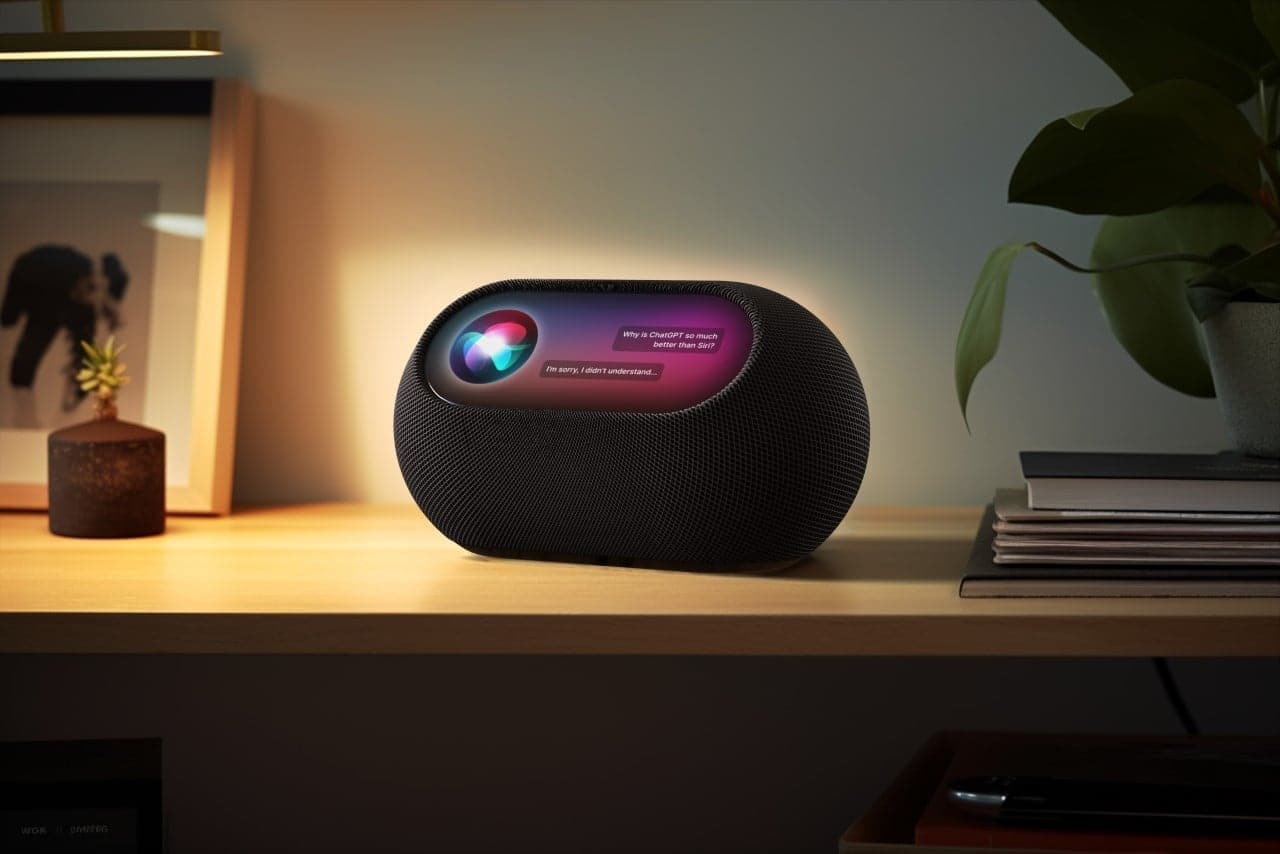
HomePod Mini 2 May Finally Make Siri Feel Smarter
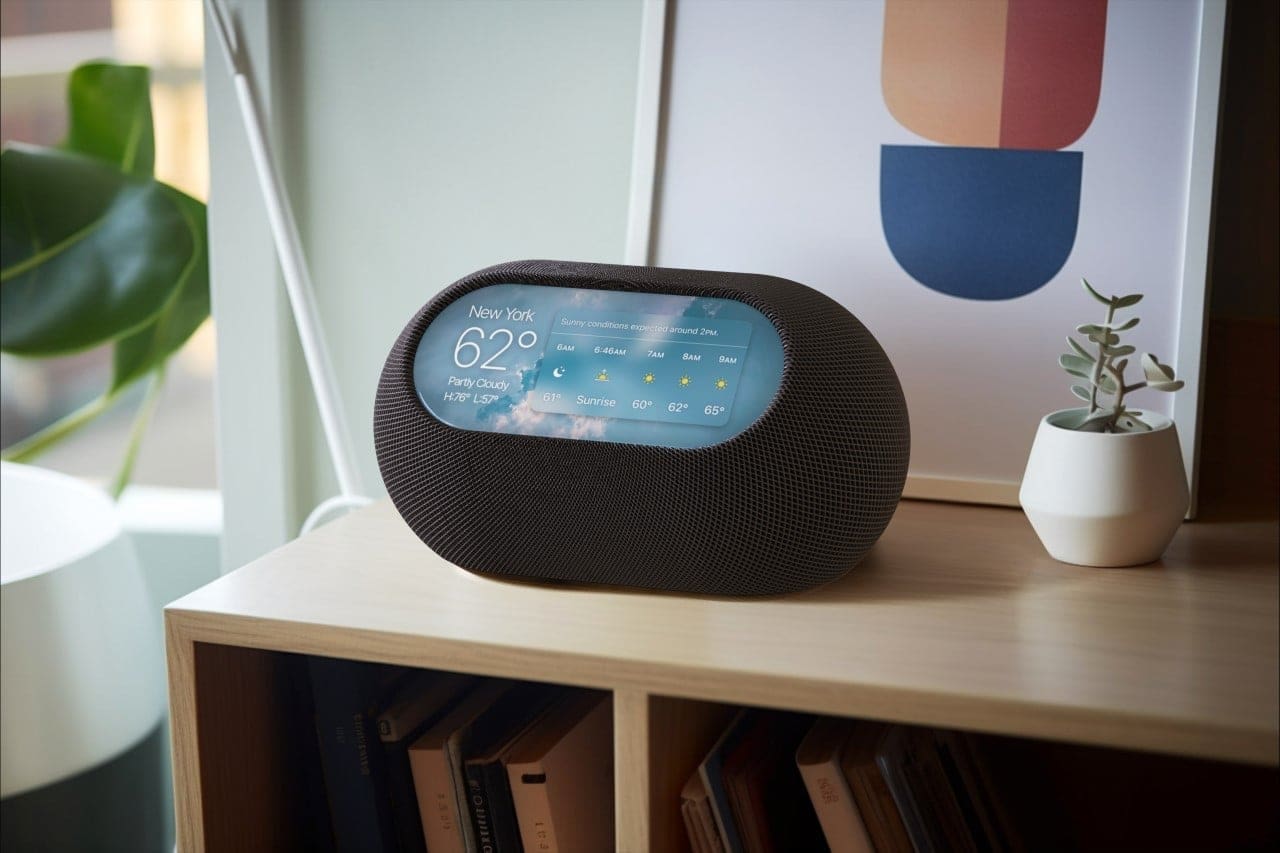
The original HomePod mini arrived in October 2020 at $99 and still runs on the S5 chip, first introduced in the Apple Watch Series 5. For the sequel, reports point to an S9 processor, the N1 wireless chip, and a new Ultra Wideband chip.
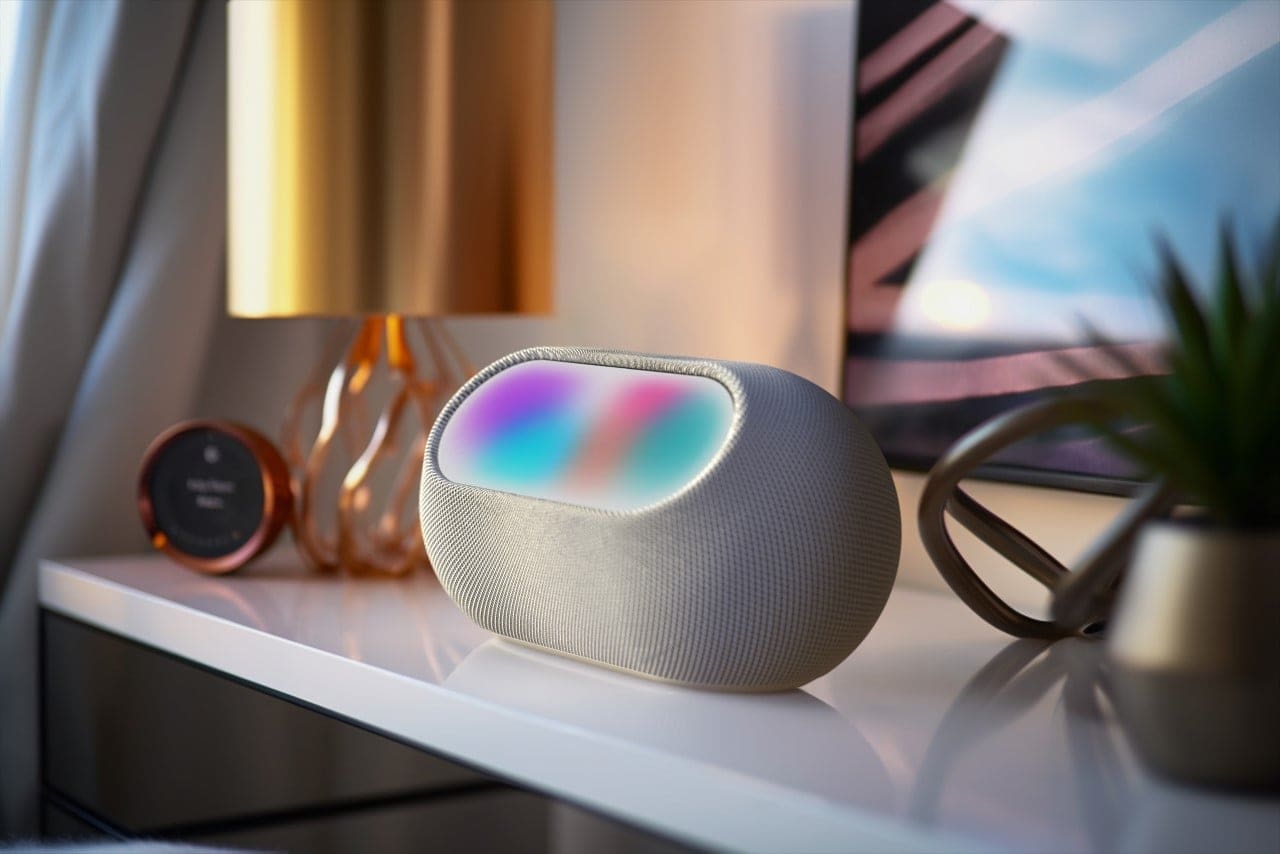
The overall shape may remain familiar: a fabric-wrapped sphere with a backlit touch surface on top. That’s the sensible decision. The HomePod mini’s rounded design is friendly, compact, and easy to place on a shelf without making the room look like a technology showroom.
The reported color lineup could include lighter blue and white, along with new green, pink, and black finishes. Apple’s color choices often do as much emotional work as the product itself. A pink speaker says “personality.” Black says “quietly serious.” Green says “I want my smart home to look slightly less like an office.”
I still have a soft spot for fan-designed HomePod Nano concepts that imagined Apple returning to the warm, minimalist spirit of classic Braun audio equipment. That kind of design language would make a fascinating companion to the spherical mini, but the safer move appears to be keeping the existing shape and improving what happens inside it.
The most important upgrade may be Siri AI. If the reports are accurate, the HomePod mini 2 could finally feel genuinely intelligent rather than simply responsive. The tiny speaker might become better at understanding context, handling follow-up requests, and acting as a more capable household assistant.
The “smart” part of smart speaker may finally catch up with the speaker.
LG and Schneider Could Help Build Apple’s Home
Apple may also be preparing a wider accessory ecosystem with LG. The reported lineup includes an LG smart lock, LG thermostat, temperature sensor, video doorbell, and several camera types for indoor, outdoor, and floodlight use. These products are expected to carry LG branding rather than Apple’s.
They may not ship as early as the HomePad and Apple TV, although a preview during the event is considered possible. The rumored designs sound unusually specific: a deadbolt with a rotating keypad mechanism, a doorbell with a second camera pointed downward, and an outdoor camera protected with O-rings and waterproof grease.
Those details suggest products designed for real homes rather than just concept boards. A downward-facing doorbell camera could monitor packages, while sealed outdoor hardware would need to endure more than a few dramatic weather screenshots.
Code in iOS 27.2 reportedly references a Schneider thermostat and temperature sensor with a “second-party” label. That designation may give the devices special treatment within the operating system.
It also signals something important about Apple’s home strategy. The company can’t build every lock, sensor, camera, and thermostat alone. HomeKit needs partners, and a capable smart home is ultimately less about one beautiful device than about several dependable ones working together.
Pricing, Availability, and Apple’s Later Home Plans
Earlier reports placed the HomePad near $350, although that figure remains unconfirmed and wasn’t included in the latest reporting. That price would sit close to the original HomePod’s $349 launch price in 2017.
Apple also hasn’t confirmed whether the October 13 event will be livestreamed. US pricing and availability remain unknown, and the company is reportedly reserving a separate event for Mac announcements roughly two weeks later. That would leave the October gathering focused entirely on the home.
One more unusual product is reportedly being held for 2027: a camera shaped like an oversized lip balm tube that would send text instead of video. It’s a wonderfully strange idea, though clearly a different branch of Apple’s home experiment.
After years of being heard but never seen, the HomePod may finally gain a face. And if the rumors are right, that face will be attached to a 2002-inspired metal arm, surrounded by a little retro charm, and aimed squarely at the modern smart home.
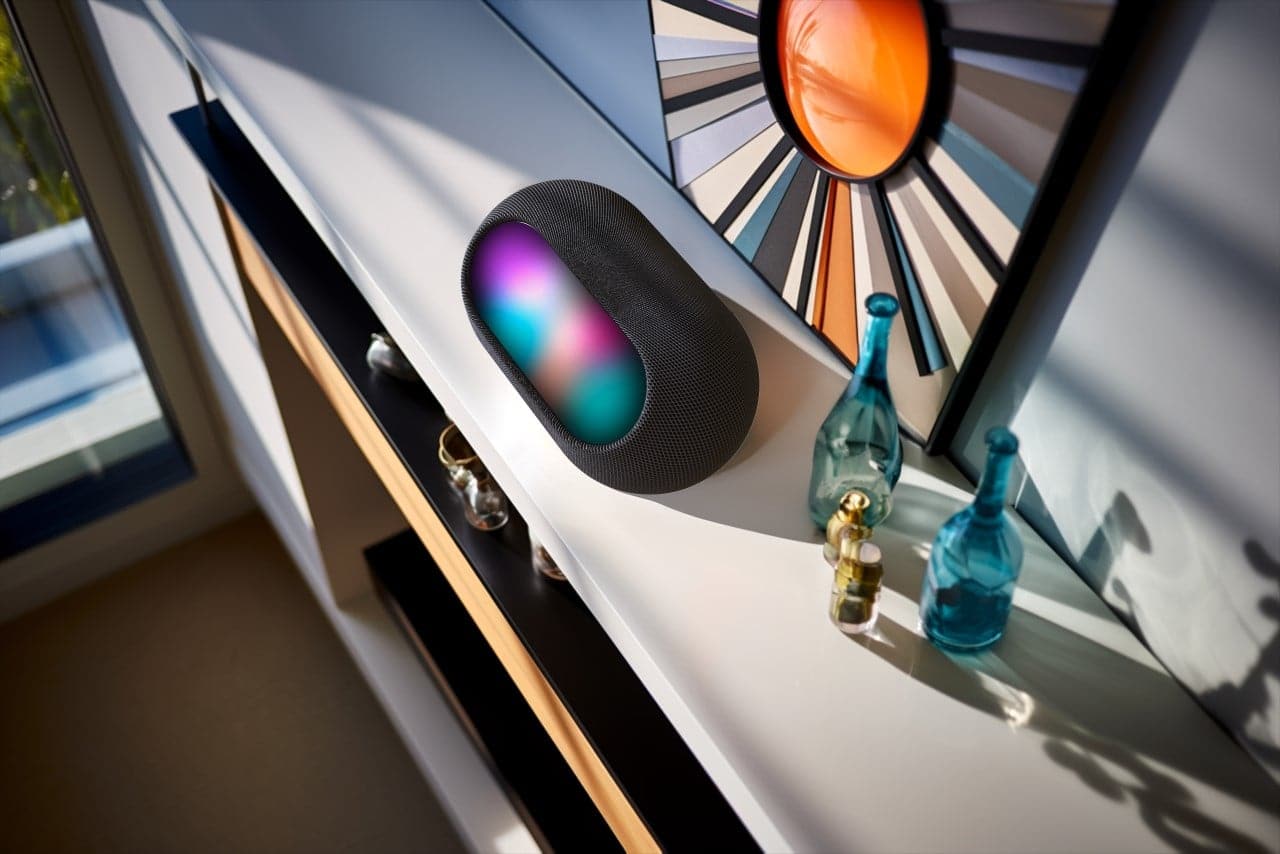
Apple’s reported home lineup feels like a long-delayed second act: part speaker, part display, part household concierge, with just enough vintage design DNA to make it memorable. Would a screen make you use a HomePod more often, or is the speaker better left beautifully quiet?
FAQ
- What is the rumored HomePad?
The HomePad is an unofficial name for a reported Apple smart home hub that would combine a HomePod-style speaker with a square display, household controls, widgets, and FaceTime capabilities. - When is Apple expected to reveal the HomePad?
Apple is expected to focus on its home lineup during an event scheduled for October 13, although final launch details, pricing, and availability have not been confirmed. - Will there be more than one HomePad design?
Reports point to a tabletop version and a wall-mounted model. A third version with a 9-inch display and a 360-degree robotic arm is also reportedly being developed. - What upgrades could come with the HomePod mini 2?
The second-generation model is rumored to include an S9 chip, N1 wireless connectivity, a new Ultra Wideband chip, additional colors, and Siri AI capabilities. - Could the new Apple TV 4K work with multiple HomePods?
Reported software clues suggest that up to four HomePods could pair with the new Apple TV 4K for surround sound and Siri request relay features.
Bring the spirit of Apple’s evolving home lineup into your own space with a favorite album cover poster from Architeg Prints. It’s a warm, stylish way to give your room the same personality that makes great audio hardware feel at home.
 | DISCOUNTGET 30% OFF*Use code on your next order:
|
* This post may contain affiliate links, meaning we earn a commission if you make a purchase through these links, at no additional cost to you.