How the ENSA T1 Reclaims the Physicality Streaming Took From Music


 See more Architeg Prints stories on Google.
How the ENSA T1 audio device Reclaims the Physicality Streaming Took From Music
Streaming took physical music away — the ENSA T1 brings back the tactile experience we didn't know we missed.
Remember When Music Was Something You Held?
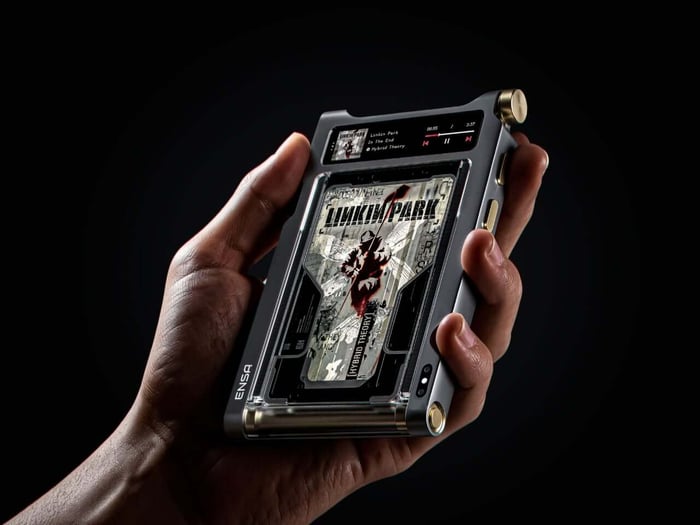
Do you recall the last time music truly demanded more than just your ears? Not the casual tap and scroll of a stream, but your hands — the satisfying pull of a vinyl record from its sleeve, the gentle click of a CD case opening. Those moments weren’t just about sound; they were rituals, slow and deliberate, that shaped how we connected with music. Vladimir Dubrovin, a California-based multidisciplinary designer, hasn’t forgotten. With his latest concept, the ENSA T1, he challenges the way we engage with music, making a bold case for bringing back physicality to the listening experience.
From Portable Player to Centerpiece: The Evolution of ENSA
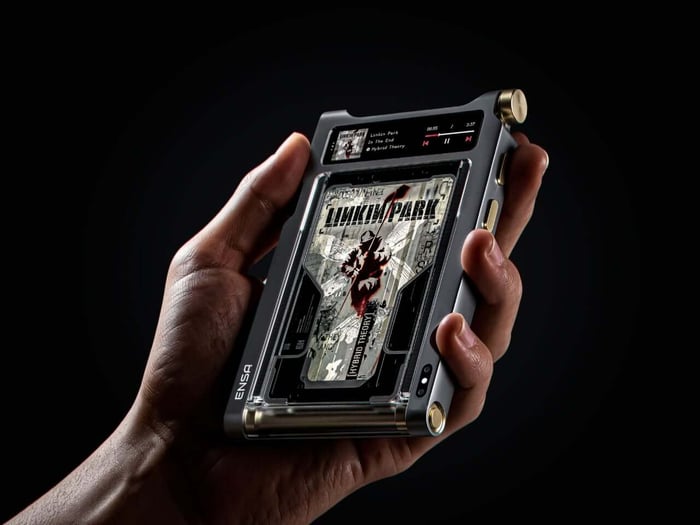
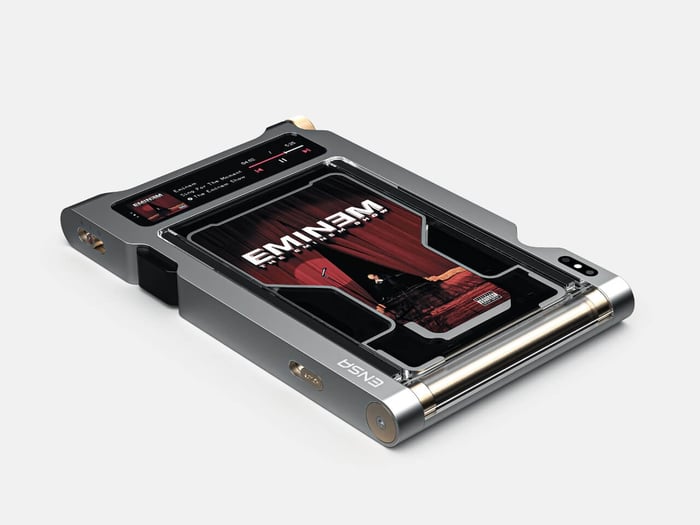
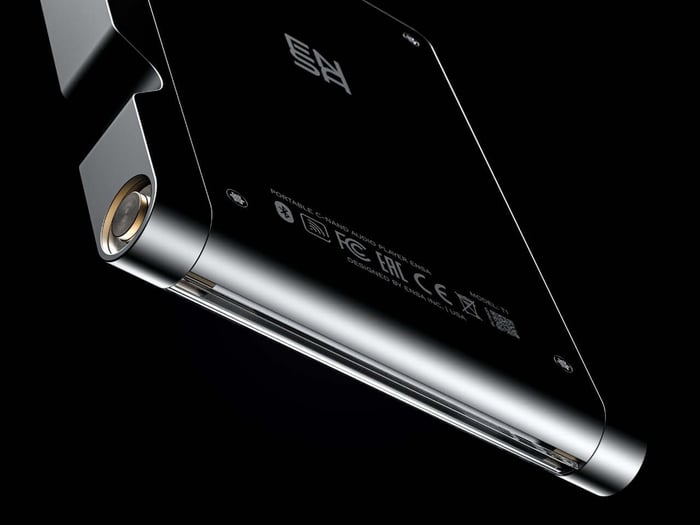
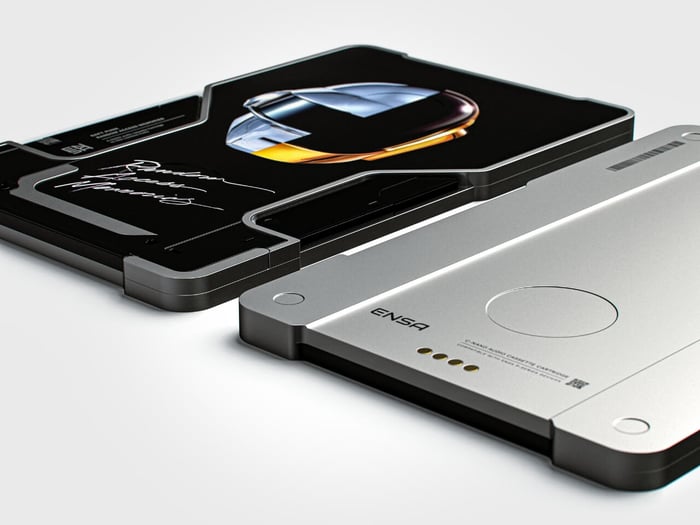
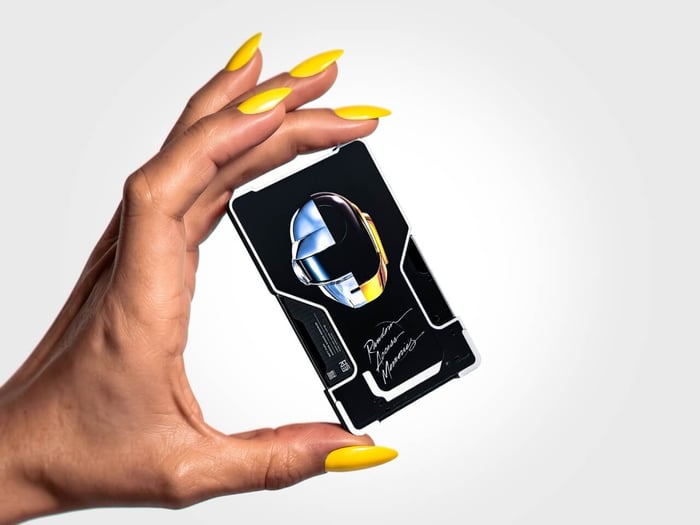
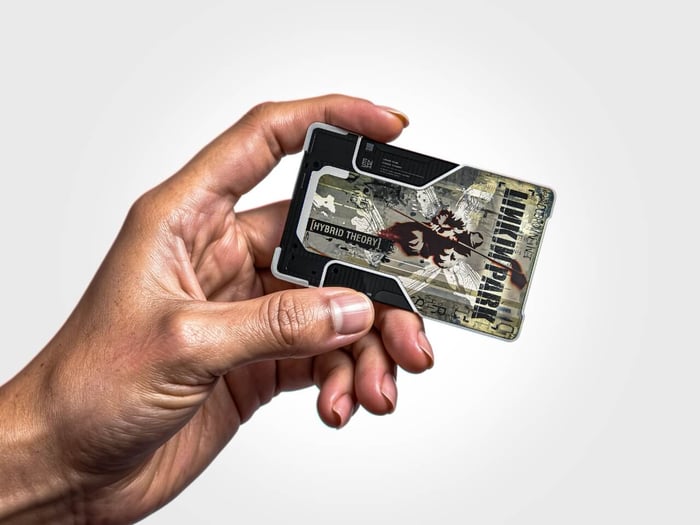
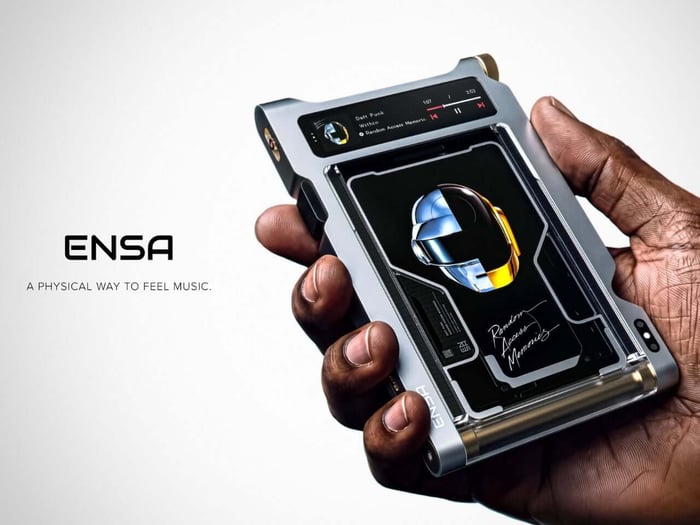
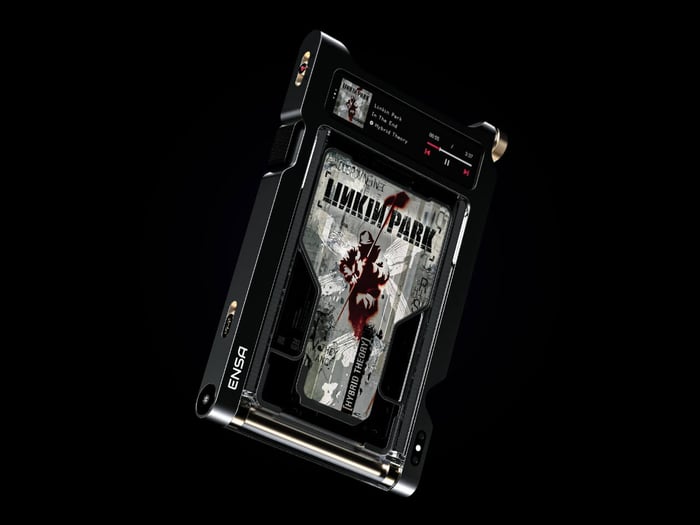
The ENSA T1 is the newest chapter in Dubrovin’s ENSA series, which started with the ENSA P1 portable audio player concept redefining music devices in the age after streaming dominance. The P1 introduced the idea of C-NAND cartridges: tiny, disc-shaped solid-state storage units, each holding a single complete album. No spinning discs, no moving parts—just digital audio wrapped in a physical form you can touch, inspect, and select.
This shift in how we interact with music makes the act of choosing an album meaningful again. It’s not just a random shuffle from a playlist; it’s an intentional, tactile decision. Holding a cartridge is a bit like holding a vinyl record—there’s weight and substance, a realness that's been lost to convenience.
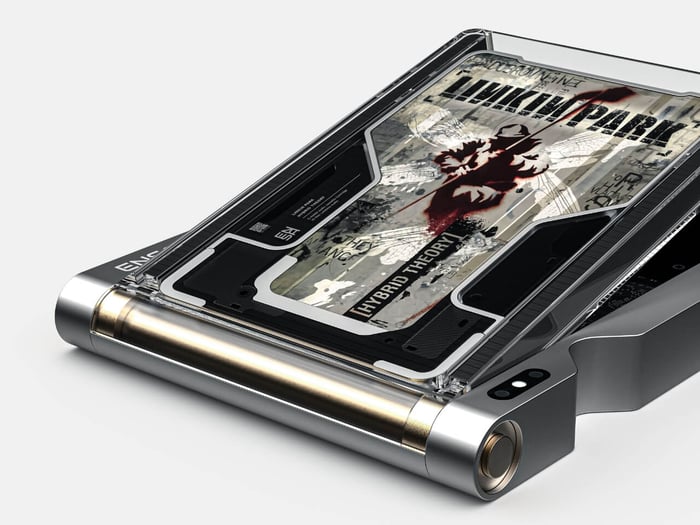
The T1: Designed to Be Seen and Settle In
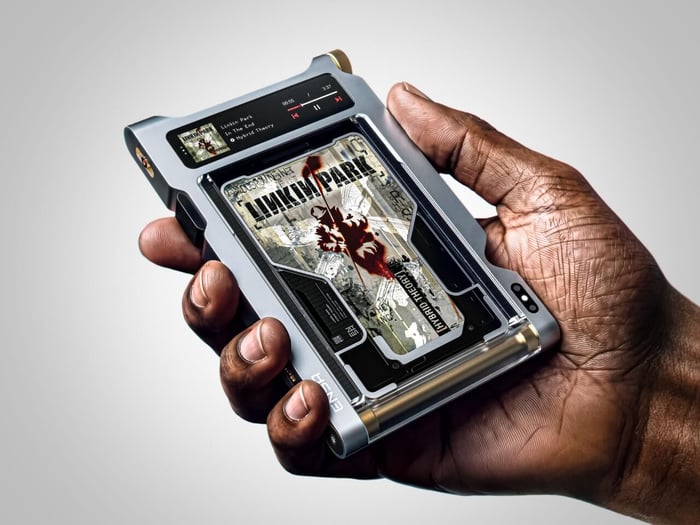
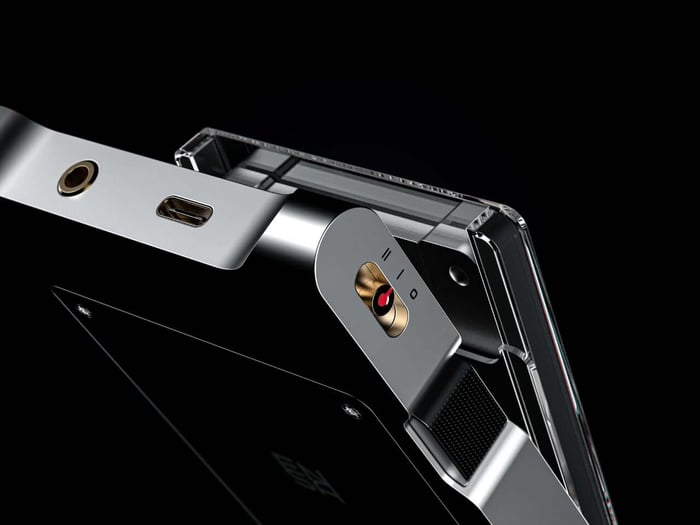
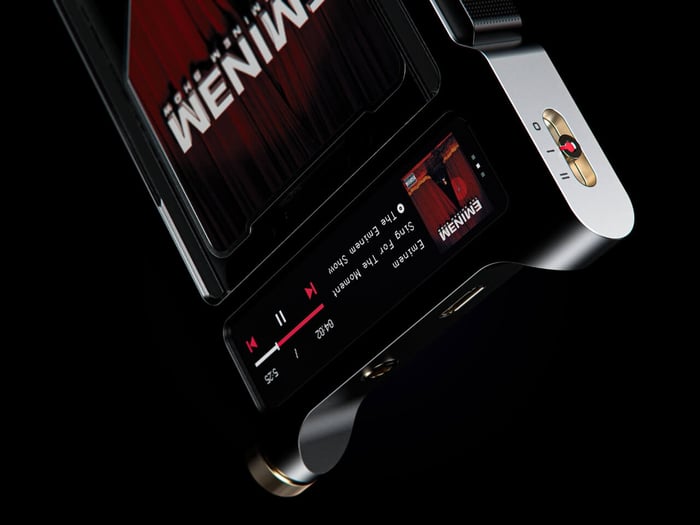
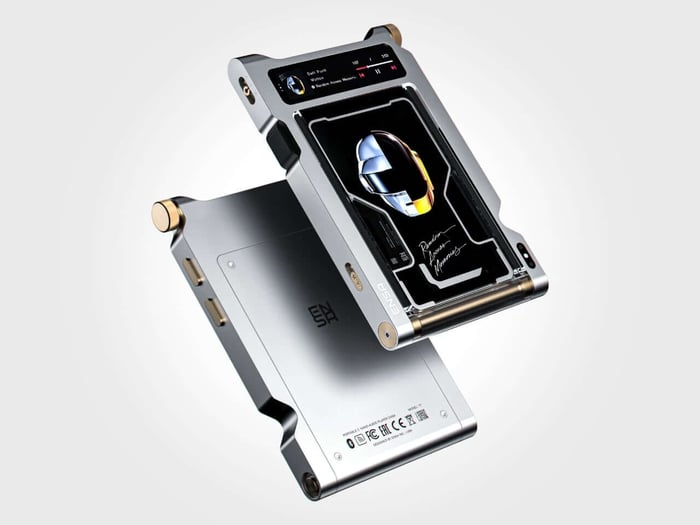
Where the P1 was about mobility, slim and pocketable, the ENSA T1 feels like a thoughtful evolution—something you place on a desk or shelf, a permanent fixture in your space. It carries Dubrovin’s signature clean, industrial aesthetic with an aluminum body and minimal fuss. The T1 knows it’s not just a gadget you slip into a bag; it’s a piece of music furniture, inviting you to stop and listen.
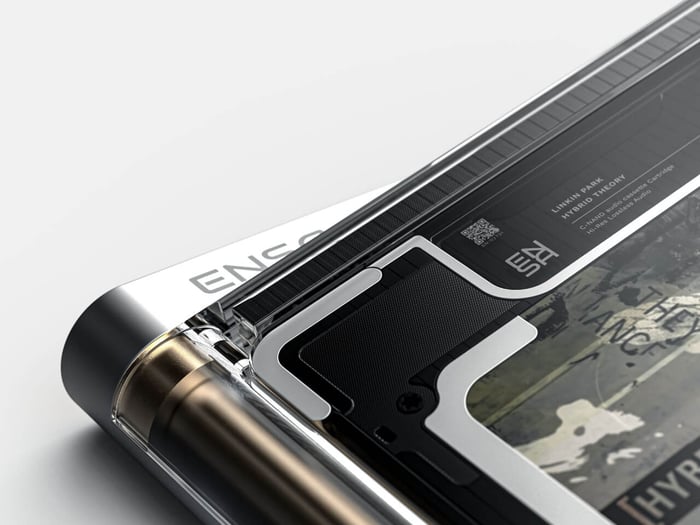
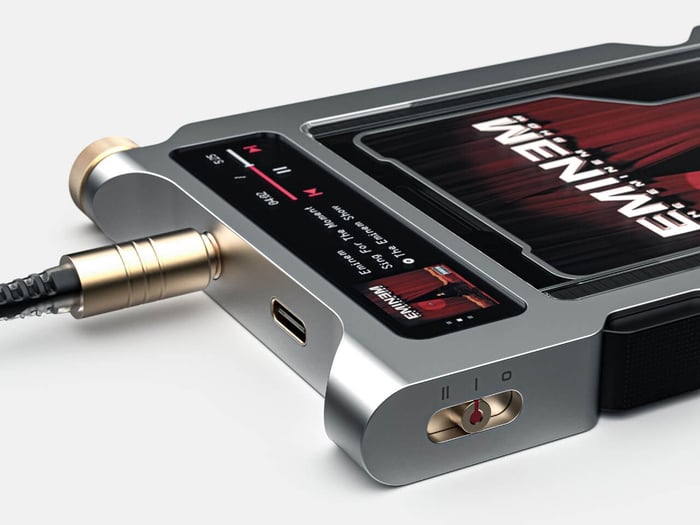
A Design That Whispers, Not Shouts
Dubrovin’s work with ENSA doesn’t scream “tech gadget.” Instead, it echoes the principles of legendary designs like early Braun electronics or Dieter Rams’ timeless sketches: every detail serves a purpose or is stripped away. The T1 quietly commands attention because it refuses to clutter your space or your mind. In a sea of clunky smart speakers and flashy displays, this device is a breath of fresh air—crafted for those who appreciate music as an object, not just a stream.
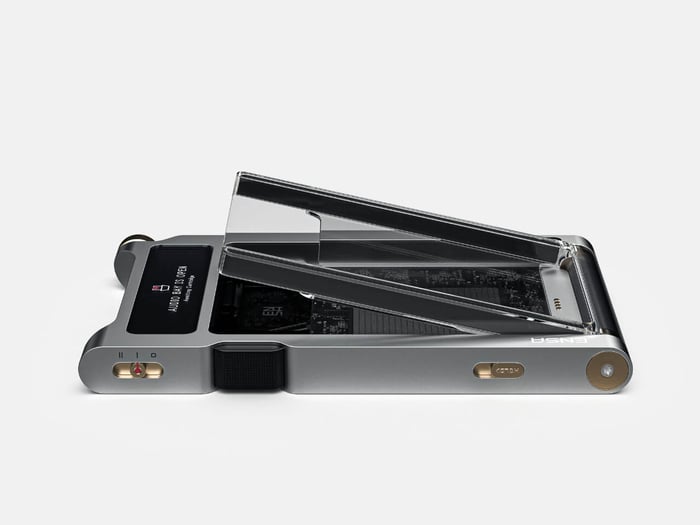
What Did We Lose When Music Went Weightless?
Dubrovin’s ENSA series poses a compelling question: what was the real cost of streaming's convenience? Sure, we unlocked instant access to virtually every song ever recorded, but that came at a price. We lost the focused immersion that comes from sitting with an album, holding something tangible, and devoting our full attention.
The ENSA T1 isn’t trying to rival Spotify or Apple Music. Instead, it asks: could music listening regain meaning if we reintroduced physicality—even if it means creating a new format from scratch?
A Dream for the Future of Music, Not Yet a Reality
Of course, the ENSA T1 is a concept, not a product on store shelves. Launching a new physical music format in 2026 is a monumental challenge. Manufacturing cartridges, convincing record labels, and building an ecosystem would demand massive industry buy-in—and that’s a steep hill to climb.
But as a design concept, the ENSA T1 nails something deeply felt but rarely voiced—the desire for music that feels substantial, that occupies space, and invites your hands to be part of the experience before the first note even plays.
Not Just Nostalgia, But Honest Reflection
What makes Dubrovin’s ENSA line stand out isn’t nostalgia for nostalgia’s sake. It doesn’t peddle a defensive clinging to the past or a retro aesthetic fad. Instead, it honestly acknowledges that in exchange for unlimited convenience, we gave up something real—something that mattered deeply. And it gently, persistently asks if we might want that back.
So, what do you think? Would you welcome a return to music that demands your hands as much as your ears?
FAQ
- What is the ENSA T1 exactly?
It’s a concept music player designed by Vladimir Dubrovin, using physical C-NAND cartridges that each hold a full album, blending digital audio with tangible interaction. - How does ENSA’s C-NAND cartridge differ from CDs or vinyl?
Unlike vinyl or CDs, the cartridges have no moving parts. They’re solid-state storage shaped like discs, combining modern tech with physical presence. - Is the ENSA T1 available for purchase?
Not yet. It remains a design concept showcasing a new way to engage with music physically rather than streaming. - Why create a physical music player in the streaming age?
To revive the intentional, tactile experience of music listening, which streaming’s convenience often removes. - What inspired the ENSA design aesthetic?
The designs draw inspiration from classic industrial design icons like Braun and Dieter Rams, emphasizing simplicity and function.
If you feel inspired to bring some of that tactile music magic home, shop your favorite album cover posters at our store for a stylish tribute to music’s physical beauty: architeg-prints.com.
 | DISCOUNTGET 30% OFF*Use code on your next order:
|
* This post may contain affiliate links, meaning we earn a commission if you make a purchase through these links, at no additional cost to you.