How the Islamic Republic Took My Religion, Music, and Now, My Friends

 See more Architeg Prints stories on Google.
How the Islamic Republic Took My Religion, Music, and Now, My Friends
The Islamic Republic’s grip on religion and music shaped my identity—and now it’s tearing apart my friendships too.
Growing Up With A Fragmented Faith and a Love for Music
I still remember picking up Acts of Faith by Erich Segal in the early ’90s. It wasn’t just the love story that caught me—it was the way the characters’ devout beliefs shaped their lives and complicated everything. It was the first time I encountered that kind of spiritual intensity on paper, and it offered me a glimpse of something I’d never fully experienced: a profound faith.
When I asked my dad why my sister and I weren’t raised in any religious tradition, his answer was simple but loaded with meaning: “Your mother and I couldn’t give you what we didn’t have.” It wasn’t religion that was missing; it was faith.
Growing up in a Muslim household was more a matter of ancestry than strict practice. My father, an atheist by choice, admitted he’d once been deeply devout. My mother, like many Iranian women, believed in superstitions more than doctrine. Yet, daily rituals lingered: before heading out on a trip, they’d hold a beautifully inlaid Quran above our heads, and we’d kiss it and walk beneath it three times. We whispered Allah’s name before starting the car or taking off on a plane. Islam was a casual comfort, a thread tethering me to God even as the meaning behind it felt fluid and personal.
The Revolution That Rewound the Clock on Faith
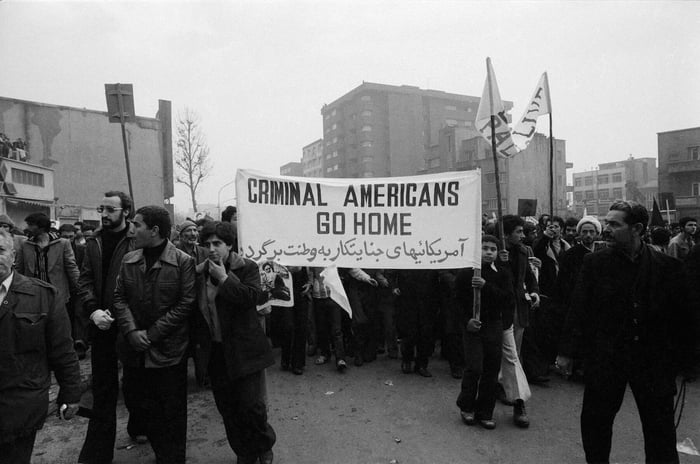
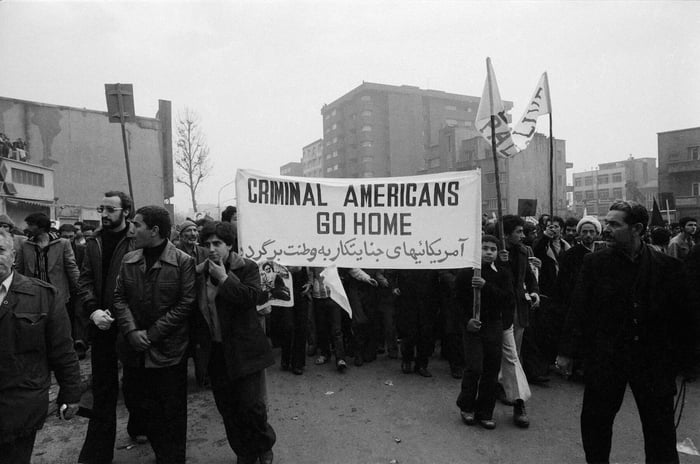
Then came the Islamic Revolution in 1979, and everything shifted. Islam, which had once been a source of comfort, swiftly turned punitive and severe. Suddenly, the “mullahs” or ahkhoond—once only figures at weddings and funerals—became an omnipresent, ominous authority. I had never learned the full prayers expected of us at school, and those mythic stories of the Prophet and his family, once rich and inspiring, took on a frightening hue.
It felt like history was rewinding 1,400 years as Sharia law morphed into Velayat-e Faqih, a system placing absolute power in one cleric’s hands. The hand that had once gently cradled my spirituality now tightened into a grip that demanded obedience and conformity.
Music as Resistance and Refuge
In those grim years, music was salvation. My family’s life was steeped in it, and it lifted my spirits when everything else felt bleak. The Islamic Republic, fully aware of music’s power to inspire hope and unity, outlawed it entirely.
In 1979, Ayatollah Khomeini famously declared, “If you want independence for your country, you must suppress music and not fear to be called old-fashioned. Music is a betrayal of the nation and of youth.”
I remember vividly the day when the cassette store across from our home was destroyed during the riots that swept through Tehran with the Revolution. As the windows shattered and tapes were crushed, I felt my world crack open. The plastic cases I’d stare at, dreaming of their sounds, were obliterated—and I was frantic, desperate to save those pieces of my soul.
Smuggling Sounds and Building Secret Communities
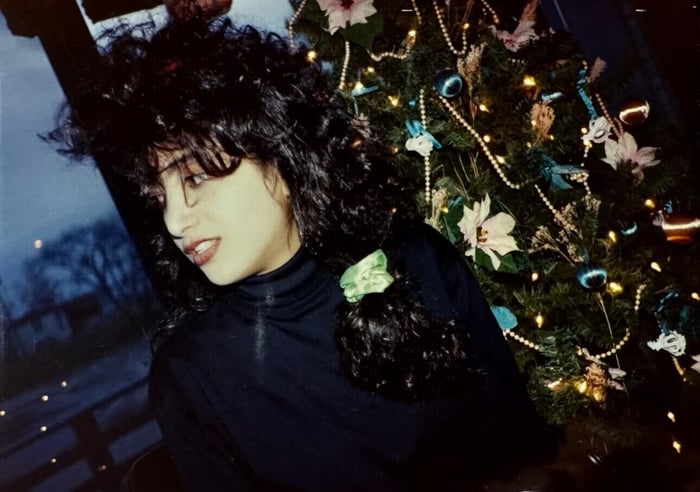
Music didn’t disappear—it went underground. Bootleg tapes became currency in Tehran. Pilots smuggled albums from Culture Club, Duran Duran, Wham!, and Spandau Ballet. The U.K.’s Top of the Pops was recorded off the airwaves and duplicated on blank Betamax tapes. If you had connections, a friendly contact would secretly deliver these contraband tapes right to your doorstep.
My cassette collection blossomed, growing weekly. I spent hours crafting pause-and-play mixtapes, then hid them in my school bag sandwiched between two slices of bread wrapped in foil to dodge the watchful eyes searching us each morning. Sharing these tapes wasn’t about making money—it was about community, about sharing joy and connection. Singing along to forbidden songs, dancing to the choreography from videos, feeling the music’s magic together—we created our own sanctuaries.
Science backs this up: a 2024 iScience study confirmed that “Music Sounds Better With You” is more than a catchy refrain—it’s a reality. Music is a communal experience that binds us.
When new episodes of Top of the Pops arrived, I’d throw watch parties, becoming the clandestine DJ at secret birthday celebrations—always with one eye on the door, wary of a raid by the Islamic Revolutionary Guard Corps.
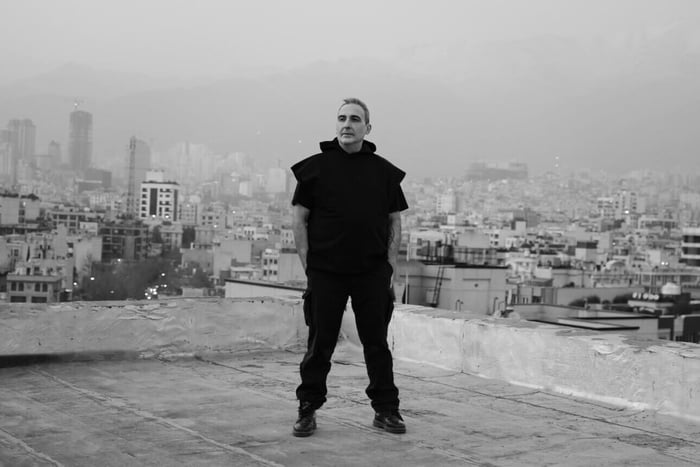
But finding fellow music lovers wasn’t easy. I was often the only gateway to Western music for many of my peers. Fast forward to today, I chat with AliPink, a Tehran-based DJ and producer born after the Revolution. He’s plugged into electronic music scenes worldwide, a stark contrast to my isolated youth. Would the internet have made my teenage years in Iran easier? AliPink says my passion and knowledge, especially as a girl back then, were rare.
Leaving Iran, Leaving Behind Music—and Faith
When my family finally left Iran in 1986, I had to abandon my precious cassette collection. The Revolutionary Guard was strict: no “haram” items, including music, could leave with us. They watched over our packing, ensuring compliance. It felt like losing a piece of myself.
Settling in Los Angeles was a double-edged sword. Rebuilding my music collection was prohibitively expensive, but joining music communities was effortless. Music thrived everywhere. Just being young immersed you in scenes—from ’80s hair metal arenas to the Sunset Strip’s legendary clubs.
I hosted an Airbnb Experience tour of those rock clubs, reliving the stories and sounds that shaped me. I revisited my UK roots in the late ’80s with Madchester bands like the Charlatans and plunged into Britpop and underground rave scenes, all while deepening ties with new music communities that anchored my sense of identity.
Wrestling With Trauma and Identity
For years, I avoided looking back at Iran or Islam. I wanted to belong in my new world and feared being labeled as the “other.” I suppressed my trauma, much like many Iranians who lived under the regime.
An Iranian friend once compared this silence to a rape victim’s response—masking pain, pretending to be fine, living as if unscarred. But trauma always waits patiently beneath the surface for a moment to burst through.
In my recent newsletter, I reflected on this silence: “Those of us in the Iranian diaspora who lived under the regime didn’t talk about our experiences—not to each other, and certainly not to non-Iranians. I worked hard to whitewash myself… Even people who knew I was Iranian didn’t associate anything Iranian with me.”
Decades later, I’m learning to speak up, revealing just pieces of what I endured. We Iranians avoid discussing the regime because it’s too painful. Yet, this silence has backfired—few outsiders truly understand the regime’s criminality or the urgency of its removal for global safety.
When Music Communities Turn Away
From December 2025, when Iranians protested in the streets, through the January 2026 massacre by the IRGC, my music circles stayed silent. While many musicians posted online, few wanted to talk openly. Worse, as war broke out, some friends openly supported the regime that wielded military-grade weapons against its own people.
Each social media post felt like a personal betrayal. The platform’s pedestal encouraged every voice to shout their biased views, making silence seem impossible. To preserve what remains of my friendships, I muted many longtime friends—for now.
These are decades-old friendships forged through shared music passions that shaped my identity. Now, their opposing loyalties create an identity crisis for me. Nearly 50 years ago, the Islamic Republic stripped away my religion and banned music, isolating me. Today, from afar, it’s isolating me once again—this time by fracturing my community.
Music once saved me from despair and connected me to the world. But now, even the sanctuary of friendship feels under siege. How do you hold on when everything that defined you seems to be unraveling?
FAQ
- How did the Islamic Revolution affect personal faith in Iran?
The Revolution transformed Islam from a source of comfort to a strict, punitive system, enforcing religious laws and silencing personal expressions of faith. - Why was music banned in Iran after 1979?
Leaders believed music could corrupt youth and betray national independence, leading to a full ban on all musical forms. - How did people access music despite the ban?
Bootleg tapes smuggled from abroad circulated secretly, shared among trusted networks to keep music alive underground. - What role did music play for Iranian youth during repression?
Music was a source of hope, identity, and community, offering a sense of connection amidst isolation and fear. - Why is discussing trauma related to the regime difficult in the Iranian diaspora?
Many avoid the topic due to pain and fear of stigma, but this silence can hinder understanding and healing.
If this story resonates with your love for music and culture, consider browsing our curated collection of favorite album cover posters to bring a piece of music history into your home: Shop your favorite album art here.
 | DISCOUNTGET 30% OFF*Use code on your next order:
|
* This post may contain affiliate links, meaning we earn a commission if you make a purchase through these links, at no additional cost to you.