Inside Kelly Moran’s ‘Don’t Trust Mirrors’: A Hypnotic Neo-Classical Journey



Inside Kelly Moran’s ‘Don’t Trust Mirrors’: A Hypnotic Neo-Classical Journey
Explore how Kelly Moran’s ‘Don’t Trust Mirrors’ blurs boundaries with mesmerizing prepared-piano sounds and electronic textures.
A New York Composer’s Six-Year Labor of Love
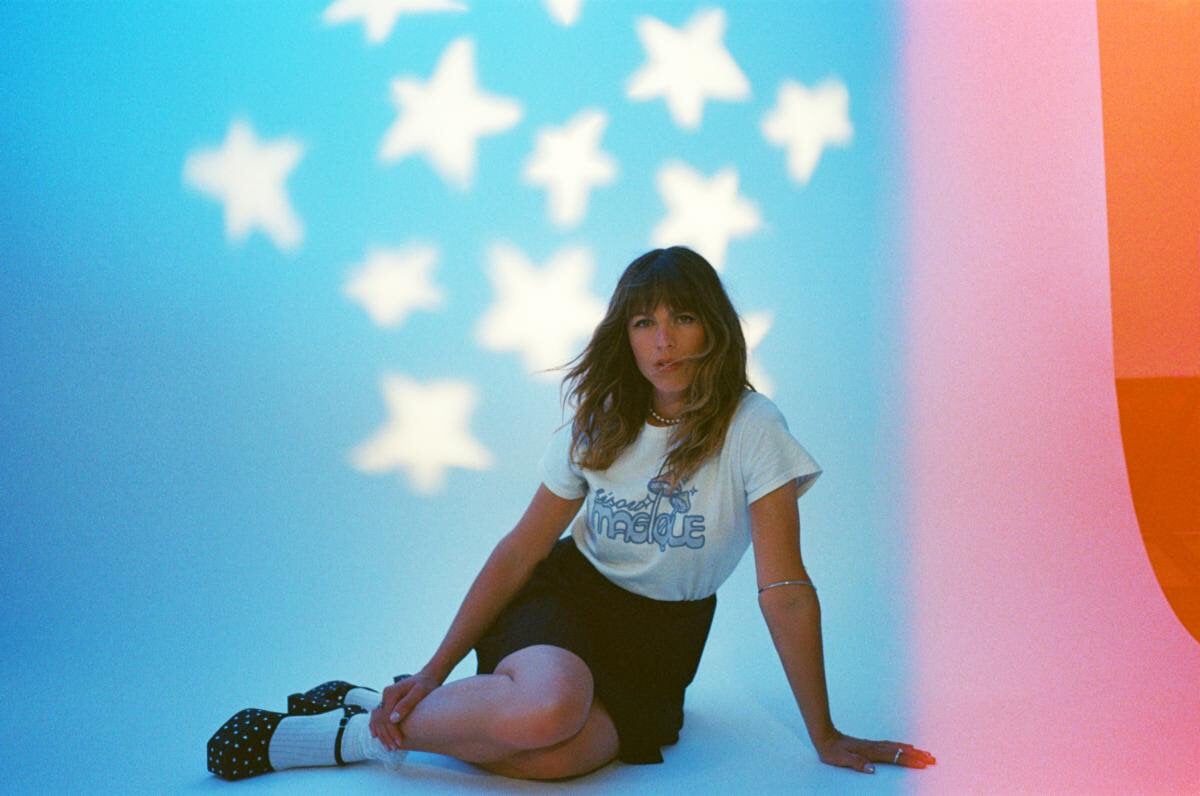
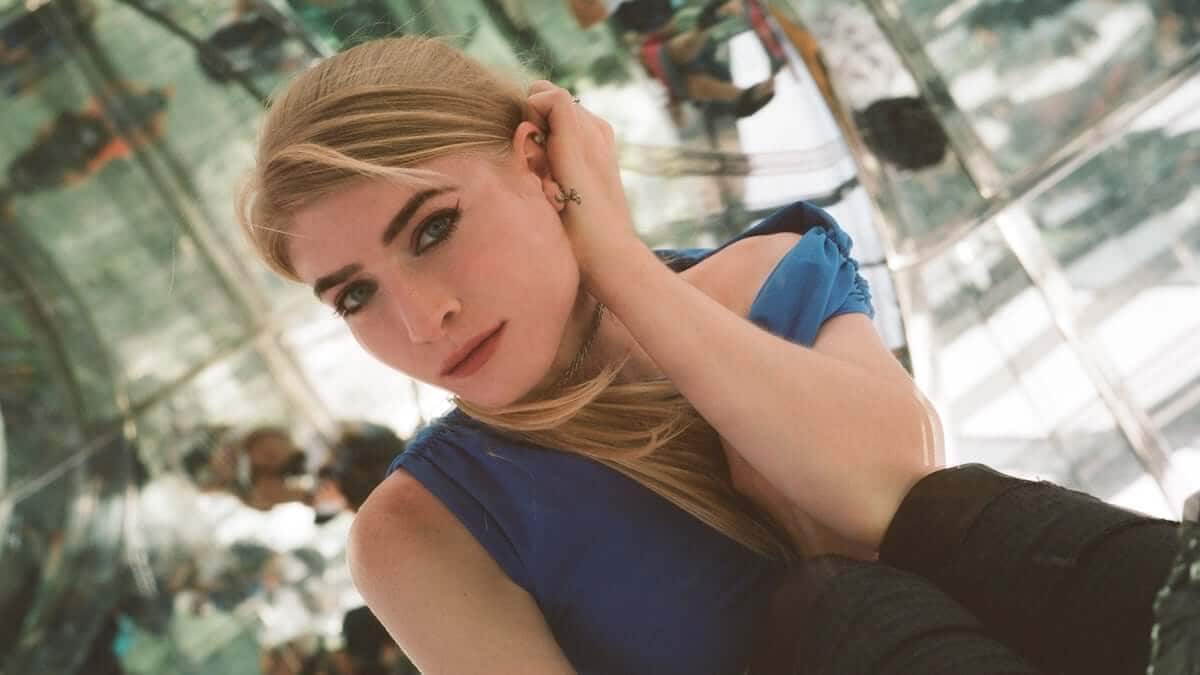
When I first dove into Kelly Moran’s latest Warp release, Don’t Trust Mirrors, I was instantly transported into a world where nothing is quite as it seems. This album, the product of six years of meticulous work, feels like a definitive statement in Moran’s evolving musical journey. If you’re familiar with her 2024 neo-classical album Moves in the Field, you might recall it as a graceful, piano-focused detour—almost an anomaly—in her catalog. That record’s elegant, sprightly melodies contrast sharply with the more abrasive, experimental textures of earlier projects like Bloodroot (2017) and Ultraviolet (2018).
Now, Moran is back to embracing those hypnotic, slightly dissonant soundscapes that make her music so distinct. As a passionate fan, I can’t help but appreciate the way she challenges the listener’s ear while delivering profound beauty.
The Art of Illusion: Prepared Piano Meets Electronica
Moran is a true disciple of John Cage, approaching the piano not just as an instrument but as a playground for sonic experimentation. She inserts objects between the strings, plucks them directly, or uses an EBow to coax ethereal tones, blending these with electronic treatments. Her collaborations with Daniel Lopatin and her stint touring with Oneohtrix Point Never on the Age Of tour clearly inform this approach. The result is an uncanny effect—on Don’t Trust Mirrors, she repeatedly tricks the ear into believing the main sound is a harp.
If you’re a fan of harpists like Mary Lattimore or Brandee Younger, this auditory sleight of hand is a real treat. It’s a clever nod to the album’s title, a warning that things aren’t always what they appear to be.
Track Highlights: From Optimism to Enigma
Right from the opening track, “Echo in the Field,” you’re enveloped in bubbly synths that bubble over with harp-like flourishes and deep, bassy undertones. The melody dances with cautious optimism, which feels perfectly timed for the hopeful moment just as the COVID lockdown was lifting.
Then comes “Prism Drift,” where Moran plucks the piano strings to craft icy, cyclical tones that gradually unfold into a delicate, haunting melody. I can easily imagine a film director using this track to underscore a pivotal life decision scene—a soundtrack to transformation.
“Systems” pulses with kinetic energy and hypnotic counterpoint, reminiscent of the soaring textures from Nala Sinephro’s work but with a more assertive keyboard presence. It’s a track that demands your full attention, pulling you into its intricate layers.
Finally, the album closes with “Cathedral,” arguably the most enigmatic and ambitious piece here. It evokes the grandeur and mystique of a Goblin giallo soundtrack, complete with stained-glass tonalities that shimmer and resonate. This finale perfectly encapsulates the album’s spirit: deceptively pretty, yet packed with experimental depth.
Why Don’t Trust Mirrors is a Must-Listen
Kelly Moran’s Don’t Trust Mirrors is a masterclass in blending classical instrumentation with modern electronic experimentation. It’s an album that rewards close listening, revealing new details with every spin. As a fan who has followed her transformation over the years, I find this record both a return to form and a bold step forward.
“This is a deceptively pretty album in which all of the experiments succeed.”
The journey through Don’t Trust Mirrors feels like stepping through a looking glass into a shimmering, mysterious world—a world where classical beauty meets avant-garde innovation.
FAQ
- What makes Kelly Moran’s approach to piano unique?
Moran incorporates prepared-piano techniques by placing objects on the strings, plucking them, and using an EBow to create unusual textures, blending them with electronic elements. - How does Don’t Trust Mirrors compare to her previous albums?
It returns to the experimental, hypnotic style of Bloodroot and Ultraviolet, moving away from the more conventional piano tunes of Moves in the Field. - Is the harp actually used on the album?
No, though the piano often sounds like a harp due to Moran’s clever manipulation of the instrument and electronic treatments. - Which track best captures the album’s spirit?
“Cathedral” stands out as the most ambitious, with a haunting atmosphere reminiscent of a vintage horror film soundtrack. - Can this music appeal to non-classical listeners?
Absolutely! Moran’s blend of modern electronics and classical piano creates accessible yet complex soundscapes for a wide range of listeners.
If you’ve been captivated by Kelly Moran’s unique soundscapes, why not bring a piece of that magic into your own space? Shop your favorite album cover poster and celebrate this remarkable artist’s work at our store: Architeg Prints.
 | DISCOUNTGET 30% OFF*Use code on your next order:
|
* This post may contain affiliate links, meaning we earn a commission if you make a purchase through these links, at no additional cost to you.