Jewish Leadership Council and Campaign Against Anti-Semitism Criticize Wireless Festival for Booking Kanye West as Headliner



Jewish Leadership Council and Campaign Against Anti-Semitism Criticize Wireless Festival for Booking Kanye West as Headliner
The Jewish Leadership Council and Campaign Against Anti-Semitism strongly oppose Wireless festival’s decision to book Kanye West amid his history of antisemitic remarks.
The Controversy Behind Kanye West’s Wireless Festival Headline Slot
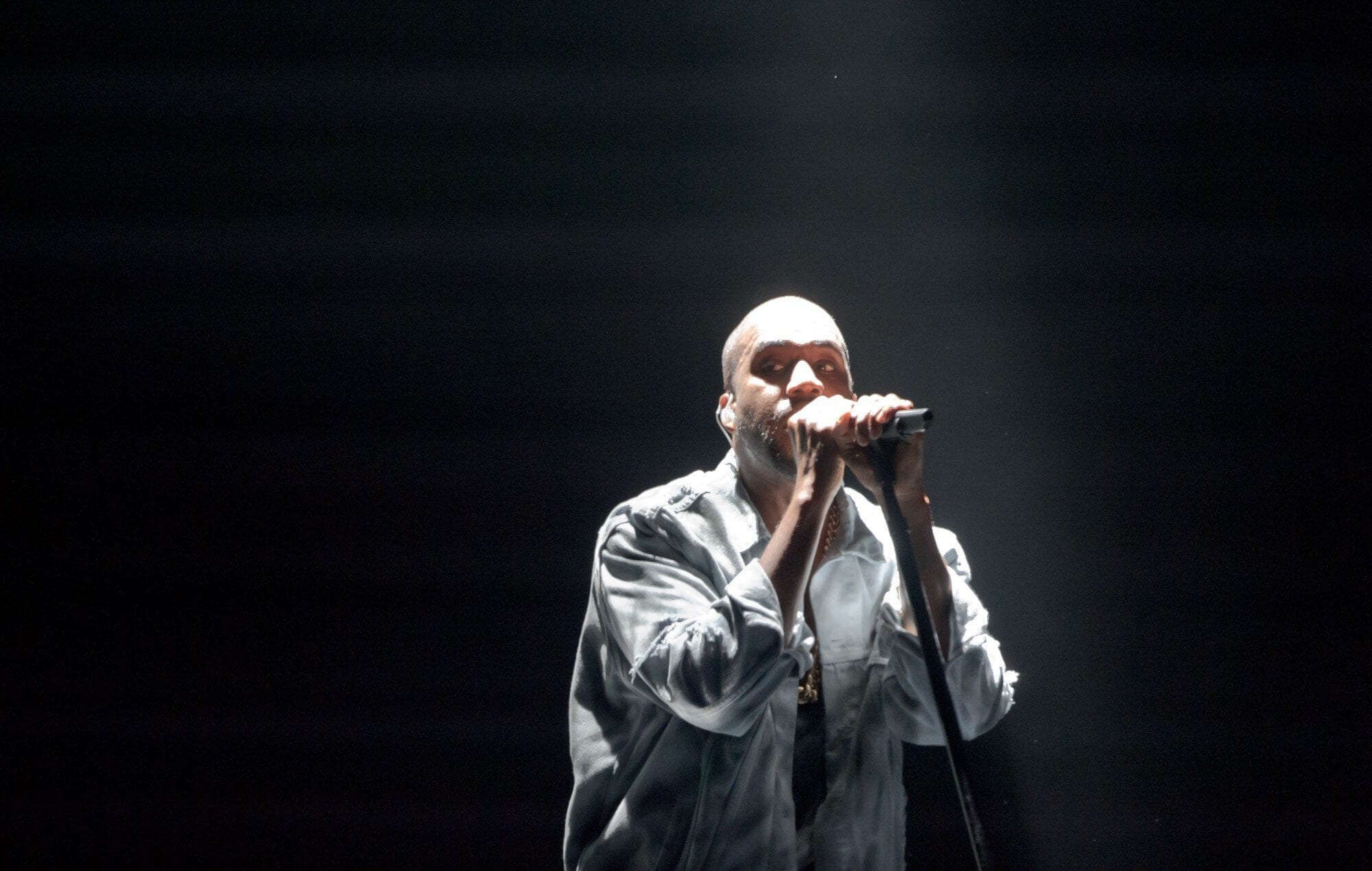
The music world was stirred recently when it was announced that Kanye West will headline all three nights of the 2026 Wireless Festival, set for July 10-12 in London’s iconic Finsbury Park. For many fans, this marks a long-awaited homecoming: West’s first UK performance in over ten years, and his first time topping the bill at Wireless since 2014. It’s a nostalgic callback to when he lit up the Wireless stage over a decade ago, delivering some unforgettable moments alongside special guests like Skepta, JME, Vic Mensa, and Raekwon during a surprise 2015 show at London’s Koko.
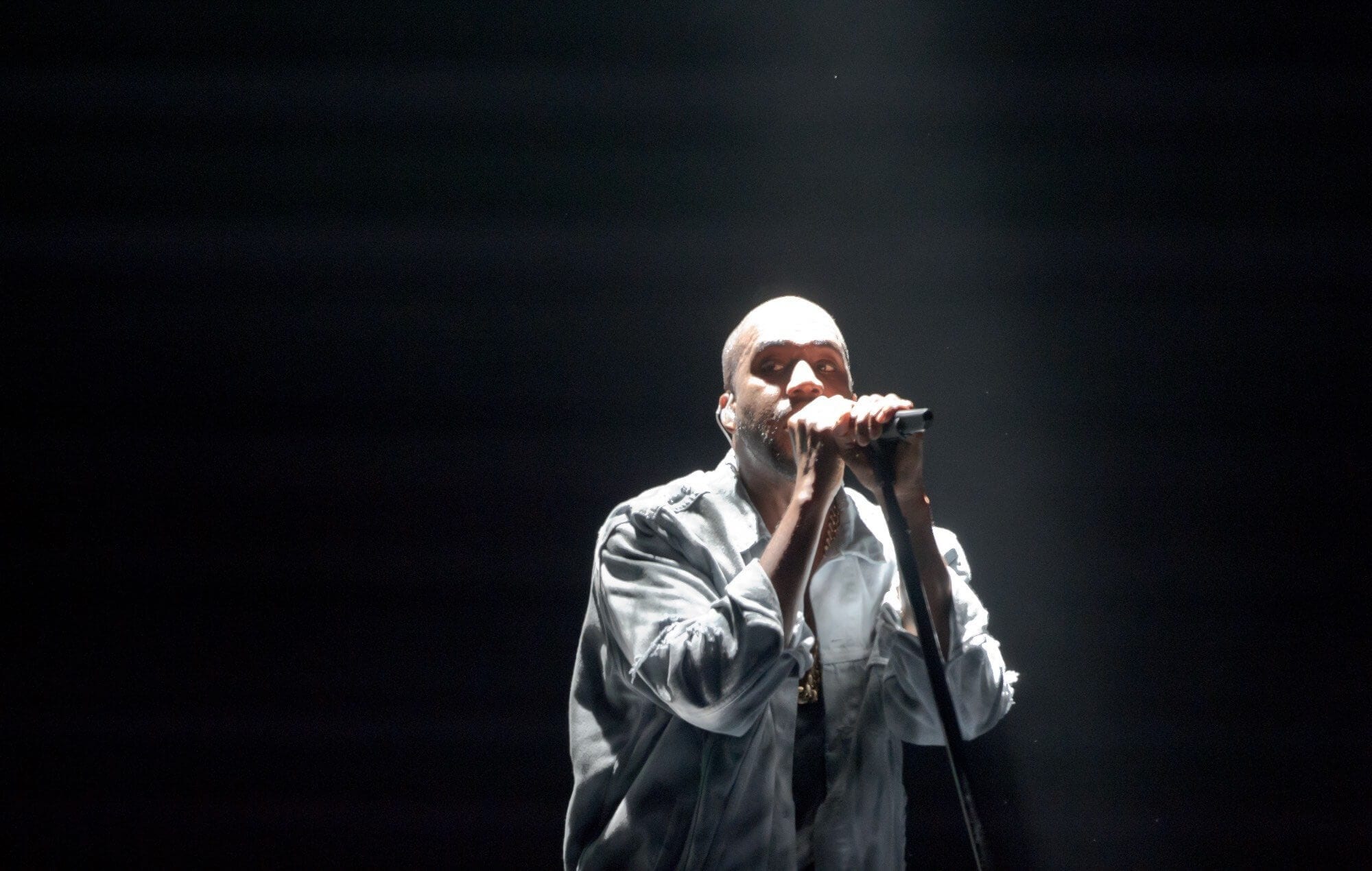
Yet, while some celebrate the return of the artist known for reshaping hip-hop, others are deeply troubled. The Jewish Leadership Council and the Campaign Against Anti-Semitism have publicly condemned the festival’s decision, citing West’s past anti-Semitic comments and the broader context of rising antisemitism in the UK.
Why Are Jewish Groups Speaking Out Against the Wireless Festival’s Booking?
The Jewish Leadership Council, a key organization representing the UK’s Jewish community, didn’t hold back. They called the Wireless organizers “deeply irresponsible” for putting Kanye West front and center again. Their spokesperson reminded the public of the grim reality: “The UK Jewish community is facing record levels of antisemitism, including a terrorist attack in Manchester, the attack on ambulances in Golders Green and foiled plots which would have killed many more.”
They condemned West for repeatedly using his platform to spread antisemitism and pro-Nazi messages. “His most recent apology must be considered in the context that he went on to sell swastika T-shirts and release a song called Heil Hitler after apologising previously,” the spokesperson added. They urged any venue or festival to seriously reconsider giving Kanye West a stage to propagate such hateful views.
The Campaign Against Antisemitism (CAA), the UK’s leading antisemitism watchdog, echoed these sentiments in a statement. Their spokesperson highlighted the serious impact of West’s words, pointing out that “Kanye West has dedicated years of his life to trying to incite his followers to hate Jews.” With more followers than the entire Jewish population on Earth, the reach of West’s vitriol is dangerously vast. “His cycle of apology and relapse has become a routine, so as with any addict once again we must wait to see if this time is any different,” they said.
A Troubling History: Kanye West’s Antisemitic Controversies Unfold
Kanye West’s antisemitic controversies first erupted in 2022, when a series of offensive posts on social media led to the suspension of his Instagram and Twitter accounts. This public backlash triggered widespread fallout: his lawyer, talent agency, and Def Jam record label severed ties, and major fashion brands including Balenciaga and Adidas ended partnerships with him. Celebrities and politicians globally condemned his statements.
In interviews, West doubled down on his views. He declared he didn’t “believe” in the term antisemitism and refused to apologize for his remarks during a tense chat with Piers Morgan. In an especially shocking moment in December 2022, he told Jewish people to “forgive Hitler” during an interview with far-right commentator Gavin McInnes.
The following year, West did issue an apology to the Jewish community, but this was soon overshadowed by him blaming alcohol for his earlier antisemitic tweets in 2024. His pattern of controversy continued with multiple lawsuits alleging antisemitic behavior in the workplace. One former employee accused him of saying Jewish people were “working together to hold him back” and praised Hitler and Nazis, an allegation that West reportedly settled out of court.
Even former TMZ staffer Van Lathan claimed West praised “Hitler and the Nazis” during a 2018 interview, adding another layer to the troubling claims.
2024 brought yet another lawsuit from an ex-employee accusing West of openly exhibiting antisemitism in front of staff. Early in 2025, West posted a series of incendiary messages on social media, retracting his previous apology and going so far as to declare himself “a Nazi.” He later retracted that self-label, saying after reflection he was not a Nazi — but followed this with more appearances of swastika-themed apparel on his social media pages.
Attempts at Reconciliation and Continued Public Backlash
Last November, West met with a rabbi and publicly apologized for his antisemitic remarks. Then in January, he took out a full-page ad in the Wall Street Journal, apologizing again and insisting that this public apology was not a ploy to promote his new album or revive his career. He also opened up about his bipolar type-1 diagnosis, which he had previously downplayed.
Kanye West’s Latest Musical Endeavors Amid the Controversy
Despite the ongoing controversy, Kanye West has remained active in his music career. Just days before the Wireless announcement, he premiered his 12th studio album, Bully, via a YouTube livestream. The album quickly became available on all major streaming platforms, including Spotify and Apple Music.
West also announced an album launch show in Los Angeles on April 3, followed by additional European tour dates—the first headline shows on the continent in over a decade.
Accompanying the album release was the music video for "Father," featuring Travis Scott. In announcing the tracklist, West emphasized that no AI was used in making the album. This stands in contrast to his statement last year, where he claimed to have integrated AI into his creative process “in the same way I incorporated Auto-Tune.”
Interestingly, James Blake, a collaborator on the album, recently requested to have his name removed from the producer credits, saying the final product is “not what I created.”
The Tension Between Art and Accountability
This booking at Wireless Festival brings to light a difficult question for the music industry and fans alike: can and should artists with controversial or harmful histories be given prime platforms? While many eagerly anticipate Kanye West’s return to UK stages, the backlash from Jewish organizations reminds us of the powerful impact words and actions have—especially when coming from global icons.
“West has repeatedly used his platform to spread antisemitism and pro-Nazi messaging.”
— Jewish Leadership Council spokesperson
The Wireless Festival’s choice undoubtedly reignites debate on separating art from the artist, and how much responsibility events have in the messages their headliners carry.
FAQ
- What was the Jewish Leadership Council’s main concern about Kanye West headlining Wireless?
They condemned the festival as “deeply irresponsible” given West’s history of antisemitic remarks and the rising antisemitism in the UK. - What has Kanye West said or done that sparked accusations of antisemitism?
He made offensive social media posts, denied the term antisemitism, refused apologies, told Jewish people to “forgive Hitler,” and sold swastika-themed apparel. - How have professional relationships with Kanye West changed due to these controversies?
He was dropped by his lawyer, talent agency, record label, and major fashion brands like Adidas and Balenciaga ended partnerships. - Has Kanye West apologized for his antisemitic comments?
Yes, but his apologies have often been followed by controversial actions or statements, leading many to question their sincerity. - What is the Campaign Against Antisemitism’s view on West’s influence?
They highlight his vast following and warn that his incitement to hate Jews has serious and far-reaching impact.
If you’re a fan of iconic music moments and want to celebrate your favorite artists in style, consider shopping for your favorite album cover poster at our store. It’s a tasteful way to keep the spirit of legendary music alive in your space.
 | DISCOUNTGET 30% OFF*Use code on your next order:
|
* This post may contain affiliate links, meaning we earn a commission if you make a purchase through these links, at no additional cost to you.