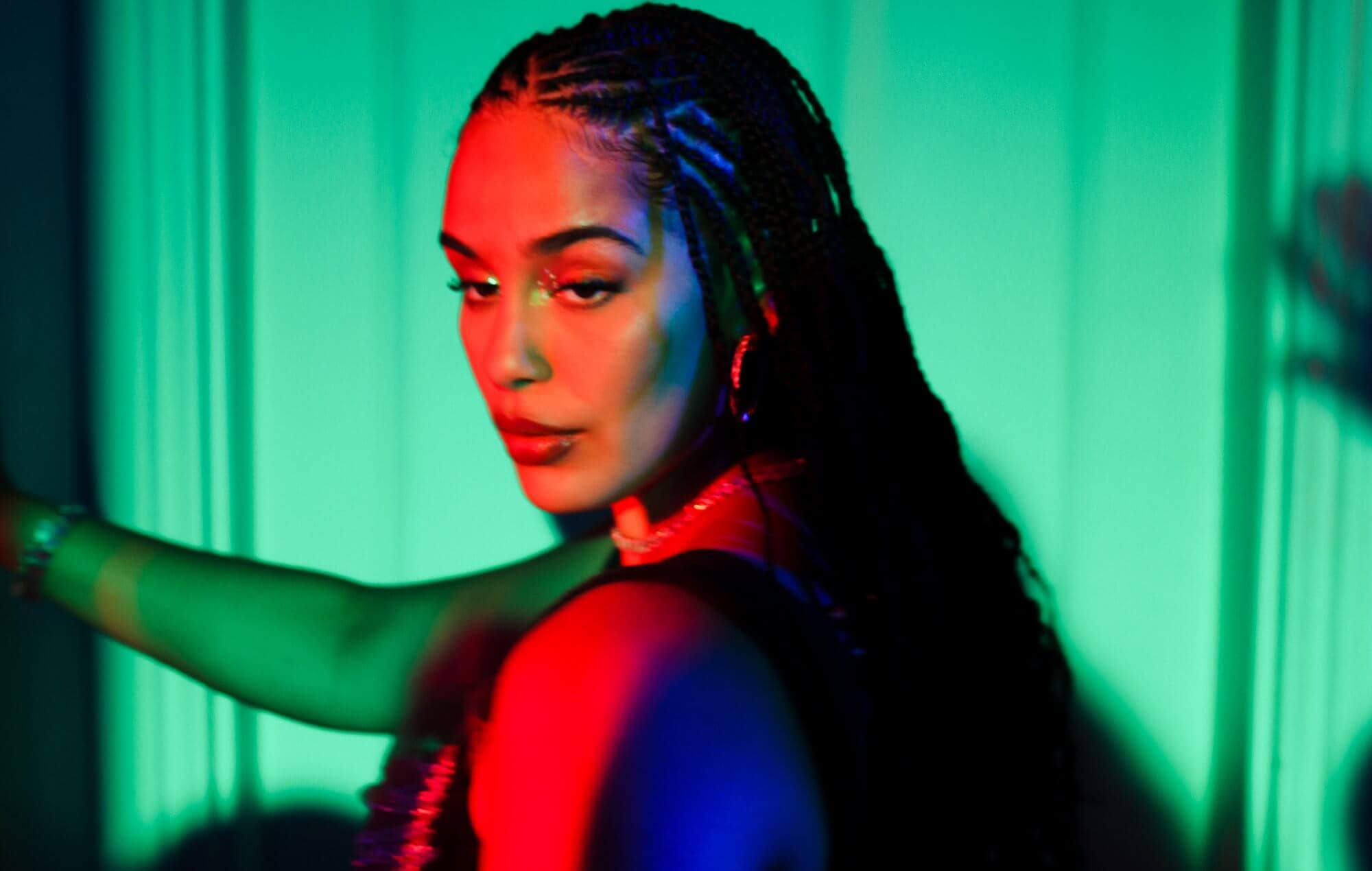
Jorja Smith’s Label Challenges AI Song “I Run” for Cloning Her Voice: Bigger Than One Artist


Jorja Smith’s Label Challenges AI Song “I Run” for Cloning Her Voice: Bigger Than One Artist
AI voice cloning in music raises serious copyright concerns, with Jorja Smith’s label demanding justice beyond just one track.
The AI Voice Controversy That Shook Jorja Smith’s Label
Ever stumbled upon a track and thought, “Hey, that sounds like Jorja Smith!” only to find out it’s not actually her? That’s exactly what happened with the British dance track ‘I Run’ by Haven, which stirred up quite the controversy in the music world. The issue? The song allegedly uses AI to “clone” Jorja Smith’s unmistakable voice without her permission.
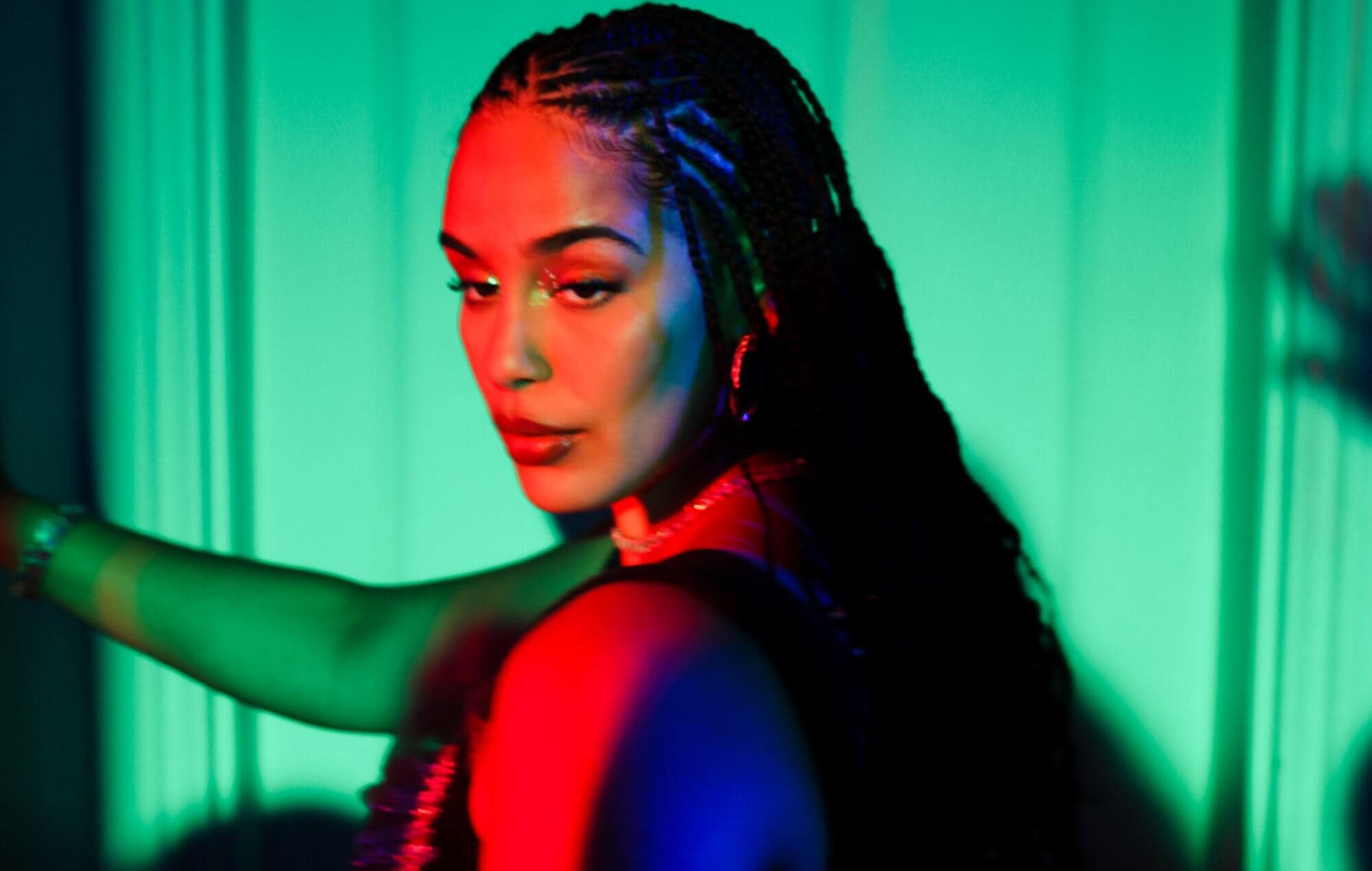
The track took TikTok by storm back in October, quickly going viral and nearing chart success both in the UK and the US. But before it could make a bigger splash, streaming platforms pulled it down, citing copyright infringement and unauthorized impersonation of Jorja Smith’s voice.
FAMM Takes a Stand: “This Is Bigger Than One Song”
Jorja Smith’s label, FAMM, didn’t take this lightly. They publicly accused the creators of ‘I Run’ of using AI trained on Smith’s own discography to replicate her voice. The label is now seeking compensation, pointing out that both the original AI-generated track and its later version with newly recorded vocals infringe on Jorja’s rights. More importantly, they emphasize the broader impact this has on the music industry.
“This isn’t just about Jorja. It’s bigger than one artist or one song,” FAMM declared via Instagram. “We cannot allow this to become the new normal.”
They underscored the urgent need for regulation, saying, “AI is becoming more prominent in the music industry at an alarming rate and substantially outpacing regulation.”
The label insists AI-generated material should be clearly labeled so listeners can make informed choices. Plus, if AI is found to have contributed to the songwriting or melody of ‘I Run,’ FAMM plans to ensure that Jorja’s co-writers also receive their fair share of royalties, proportional to their contributions to her catalog.
Behind the Scenes: The Creators Speak Out on AI Use
Interestingly, the producers behind Haven admitted to using AI but argued that the original vocals were recorded by Harrison Walker, the song’s producer and songwriter. Another producer, Jacob Donaghue (known as Waypoint), revealed they used Suno AI software to give the vocals a female tone.

Walker expressed enthusiasm for new music tools: “As a songwriter and producer, I enjoy using new tools, techniques and staying on the cutting edge of what’s happening. To set the record straight, the artists behind Haven are real and human, and all we want to do is make great music for other humans.”
Meanwhile, BBC News reported that Suno’s creators admit they trained their AI on copyrighted material, but claim it was legal under “fair use” laws — which allow copyrighted works to be used for research and news reporting. Whether Jorja Smith’s songs were actually included in Suno’s training set remains unclear.
The Wider Debate: AI’s Growing Role in Music Sparks Outcry
The ‘I Run’ controversy is just the tip of the iceberg in a much larger battle between artists and AI’s rapid encroachment into music creation.
Earlier this year, over 1,000 artists including legends like Kate Bush, Damon Albarn, Paul McCartney, and Annie Lennox released a silent album protesting the UK government’s proposed copyright laws that could allow AI to freely use artists’ works. The message was loud and clear: artists want protection and recognition in this new AI era.
“Today we’re releasing the vinyl of Is This What We Want?, the silent album from 1000+ musicians protesting the UK government’s plans on AI & copyright.” — Ed Newton-Rex

In addition, a study warned that music industry workers could lose nearly a quarter of their income to AI-related changes within four years. Platforms like Deezer report that thousands of AI-generated tracks flood their servers daily, making up about 10% of all music uploads.
Big Names Rally to Protect Artists’ Rights
The fight doesn’t stop there. In May, Paul McCartney, Elton John, Coldplay, Dua Lipa, Florence Welch, Kate Bush, and Robbie Williams joined over 400 artists in signing a letter urging the UK government to safeguard creative works from AI infringement.
Just recently, ahead of a UK-US tech agreement, artists pressured the Prime Minister to ensure that protections for music and art remain strong so AI doesn’t run rampant.
On the streaming front, Spotify took action by removing 75 million “spammy” AI-generated tracks, targeting impersonator accounts. Yet, a new study revealed that 97% of listeners can’t distinguish between AI-generated music and human-made songs — a testament to how convincing AI vocals have become.
AI-Generated Acts Changing the Game — For Better or Worse
Remember The Velvet Sundown? This AI-generated band blasted onto Spotify with roughly 400,000 monthly listeners in less than a month — only for it to be revealed as a clever hoax targeting the media.
Meanwhile, AI artist Xania Monet made headlines for snagging a multimillion-dollar record deal and becoming the first AI musician to chart on the US Billboard rankings, sparking debates about what defines an artist in this digital age.
Wrapping It Up: The Future of Voice Cloning and Music Rights
The controversy surrounding Jorja Smith’s voice being cloned via AI isn’t an isolated case — it’s a flashpoint in a seismic shift in the music industry. As AI technology evolves, so must the rules that protect artists’ rights and creative contributions.
With innovators and lawmakers caught in a tug-of-war, fans and artists alike wait to see how this new “normal” will shape the future of the songs we love and the voices behind them.
FAQ
- How did AI allegedly clone Jorja Smith’s voice?
The producers behind the song ‘I Run’ used AI software called Suno to alter original male vocals into a female tone that sounds very similar to Jorja Smith’s voice. - What has Jorja Smith’s label done in response?
FAMM, Jorja’s label, has publicly condemned the AI use, seeks compensation, and demands clearer labeling and regulation on AI-generated music. - Is it legal to train AI on artists’ music?
Some AI companies claim training on copyrighted songs is legal under “fair use” laws, but this is a contested and evolving legal area. - Are other artists concerned about AI in music?
Yes, legends like Paul McCartney, Kate Bush, and many others have protested AI’s impact on copyright and artists’ incomes. - How can listeners tell if a song is AI-generated?
Studies show that 97% of people struggle to tell the difference between AI and human-created music, highlighting the challenge of detection.
Feel connected to the music you love? Celebrate your favorite artists by shopping our exclusive collection of album cover posters at Architeg Prints — perfect for any fan’s wall.
 | DISCOUNTGET 30% OFF*Use code on your next order:
|
* This post may contain affiliate links, meaning we earn a commission if you make a purchase through these links, at no additional cost to you.
Related Articles