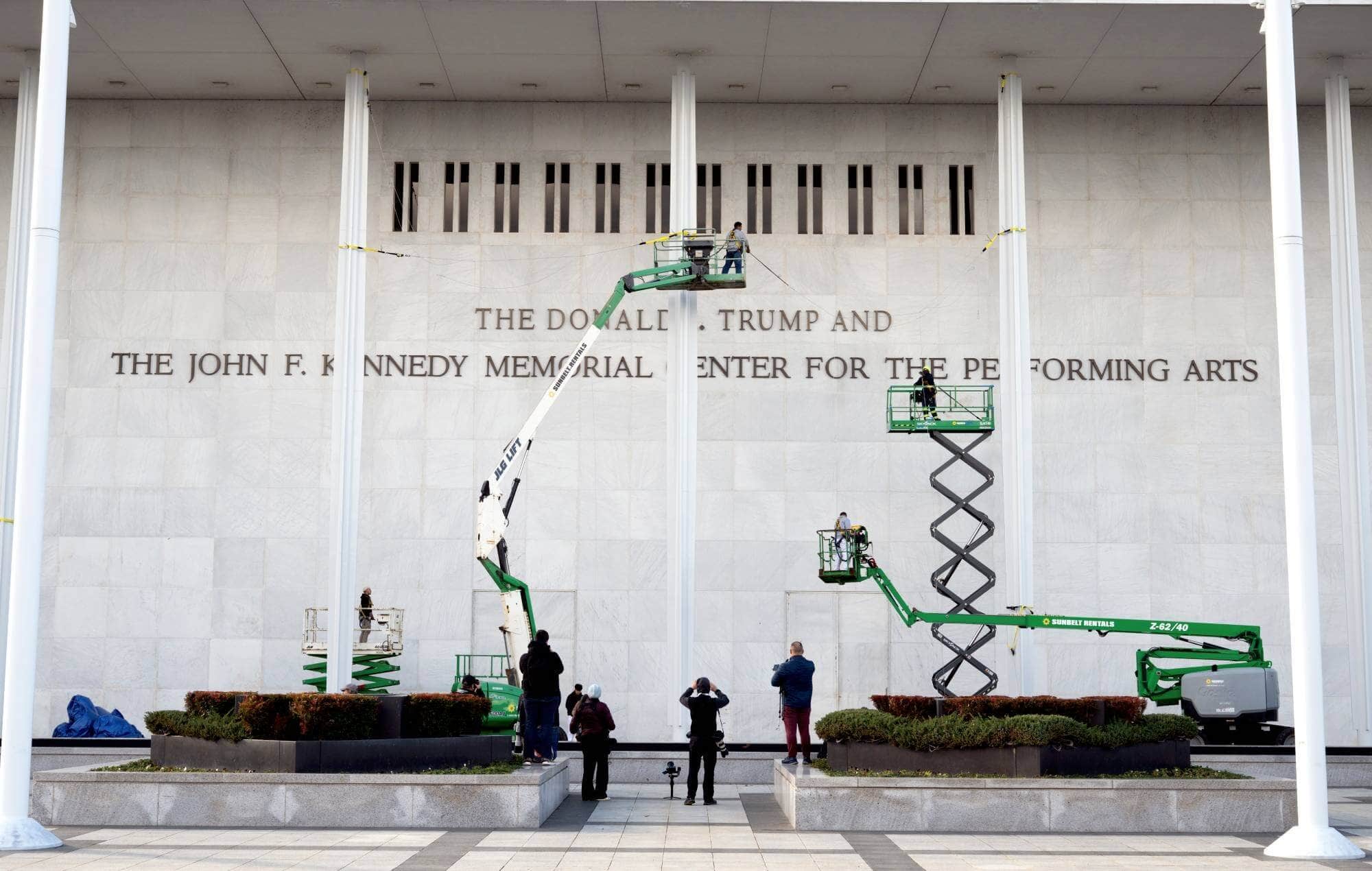
Kennedy Center Staff Begin Removing All References to Donald Trump


Kennedy Center Staff Begin Removing All References to Donald Trump
Amid legal rulings, Kennedy Center staff are erasing Donald Trump’s name from the historic venue, restoring the original identity fixed by federal law.
A Sudden Name Change Sparks Controversy at the Kennedy Center
If you’ve followed the rollercoaster of arts and politics lately, you already know the Kennedy Center in Washington D.C. has been caught in quite a name game. Last December, under the Trump-appointed board’s directive, the iconic cultural institution’s name was controversially changed to the “Donald J. Trump and John F. Kennedy Memorial Center for the Performing Arts,” affectionately dubbed the ‘Trump-Kennedy Center.’
This bold move startled many in the arts world and beyond. It was an unprecedented twist — merging the revered legacy of President John F. Kennedy with the name of a sitting (or recently sitting) president who’s known more for political theatrics than arts patronage. The Kennedy Center, a symbol of American culture and performance, suddenly found itself tangled in political crossfire.
Legal Pushback: A Judge Sets Things Straight
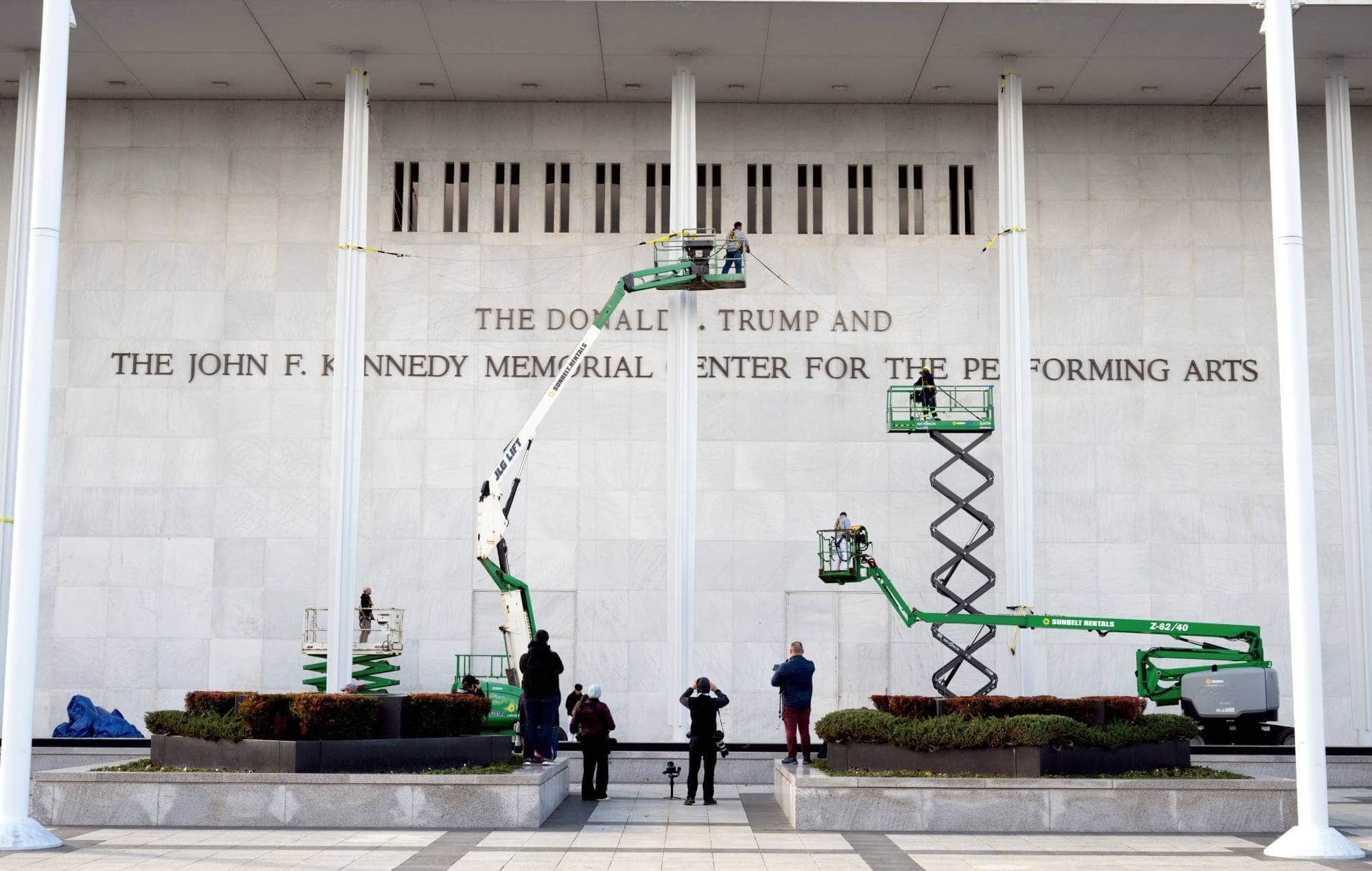
But here’s where things took a turn. In May, a U.S. district judge stepped in with a decisive ruling: the board had no authority to rename the Kennedy Center since the name is protected by federal statute. Only Congress can make such a change. The court ordered the immediate removal of Trump’s name from the building and the restoration of the official “Kennedy Center” title.
This judgment was a clear legal reminder that certain institutions are more than just political pawns—they have statutory protections that safeguard their identities.
Naturally, Trump didn’t take the news quietly. He fired off a fiery response on social media, accusing the “radical left” of wanting the center to “DIE” rather than accept his transformative vision. He also vowed to work with Congress to reclaim control of the venue.
"The radical left would rather see it DIE than have President Trump transform it into something that everyone could be proud of." — Donald Trump
Meanwhile, advocates and critics alike watched with bated breath as this drama unfolded, wondering how it would play out in the halls of one of America’s most beloved arts institutions.
Staff Directed to Erase Trump’s Name by June 12
Fast forward to this week, and the Kennedy Center’s internal memo landed in staff inboxes with clear instructions: stop using Trump’s name in any official communications or press materials. The memo also set a firm deadline—June 12—for all physical and digital signage bearing Trump’s name to be removed. This includes the large letters outside the building that had been installed during the brief but contentious rebranding.
This practical step signals the venue’s return to its traditional roots and respect for the law, but the aftermath of the name change has cast a long shadow over the institution.
The Fallout: Lawsuit Against Jazz Musician Dismissed
The controversy didn’t just swirl around signage. The Trump administration also pursued legal action against jazz musician Chuck Redd, who had canceled his annual Christmas Eve concert at the Kennedy Center after Trump’s name was appended to the building. The venue’s president at the time, Richard Grenell, condemned Redd’s withdrawal as a “political stunt” and demanded $1 million in damages.
However, this lawsuit was dismissed on June 5th by a judge citing Anti-SLAPP laws. For those unfamiliar, Anti-SLAPP laws protect individuals from lawsuits that aim to silence or punish them for exercising their right to free speech, especially in political contexts. The court recognized Redd’s cancellation as a form of protected political expression, rejecting the lawsuit as meritless and retaliatory.
This legal win for Redd was celebrated by many artists and free speech advocates who saw the case as a warning against politicizing cultural spaces to an extreme degree.
Ben Folds Voices Support for the National Symphony Orchestra
Another voice joining the chorus of concern this week was Ben Folds. The acclaimed musician, who had resigned his role as artistic advisor to the National Symphony Orchestra (NSO) during the Trump takeover of the Kennedy Center, penned an open letter urging public support for the orchestra.
Folds acknowledged the challenges the NSO faces in the wake of the controversy but emphasized that “the orchestra doesn’t have the luxury of time” to recover. His letter is a heartfelt call to rally behind one of the nation’s premier musical ensembles, reminding fans and patrons that the arts transcend political rifts.
Performers Withdraw from Trump-Linked Freedom 250 Events
The politically charged atmosphere extended beyond the Kennedy Center. The Freedom 250 events, planned as part of the Washington State Mall’s 250th anniversary of American independence, also saw a wave of performer dropouts once the political connections became clear.
Artists like Milli Vanilli, The Commodores, Bret Michaels, Young MC, Martina McBride, and Morris Day & The Time all stepped away from the festivities. Their withdrawals reflect a broader trend—many entertainers prefer to distance themselves from events that are perceived as overly politicized or aligned with divisive figures.
This mass exodus underscores how the ripple effects of political branding can disrupt even large-scale national celebrations.
Looking Ahead: What’s Next for the Kennedy Center?
The Kennedy Center is now in a phase of healing and restoration, literally removing Trump’s name from its walls and symbolically reaffirming its dedication to art rather than politics. The legal ruling has reaffirmed the institution’s federal protection, preserving its historic identity.
But the story isn’t just about names or lawsuits—it’s about the resilience of cultural institutions amid political storms, and the ongoing struggle to keep art an inclusive, unifying force.
FAQ
- What led to Donald Trump’s name being added to the Kennedy Center?
In December last year, the Trump-appointed board voted to rename the center to honor both Trump and John F. Kennedy, a move met with immediate controversy. - Why was the name change legally challenged?
A U.S. district judge ruled that the board had no authority to rename the Kennedy Center because its name is fixed by federal statute and can only be changed by Congress. - What happened to the lawsuit against Chuck Redd?
The lawsuit, which sought $1 million for Redd canceling his concert in protest, was dismissed under Anti-SLAPP laws protecting political expression. - How has the Kennedy Center staff responded to the court order?
Staff received a memo instructing them to stop using Trump’s name and remove all related signage by June 12, effectively restoring the original name. - Which performers withdrew from the Freedom 250 events, and why?
Artists such as Milli Vanilli, The Commodores, and Martina McBride pulled out, largely to avoid association with the politically charged nature of the event.
If you’re inspired by this story of cultural resilience and transformation, why not bring a piece of this iconic institution into your space? Shop your favorite album cover posters and iconic music memorabilia at our store to celebrate the timeless power of the arts.
 | DISCOUNTGET 30% OFF*Use code on your next order:
|
* This post may contain affiliate links, meaning we earn a commission if you make a purchase through these links, at no additional cost to you.