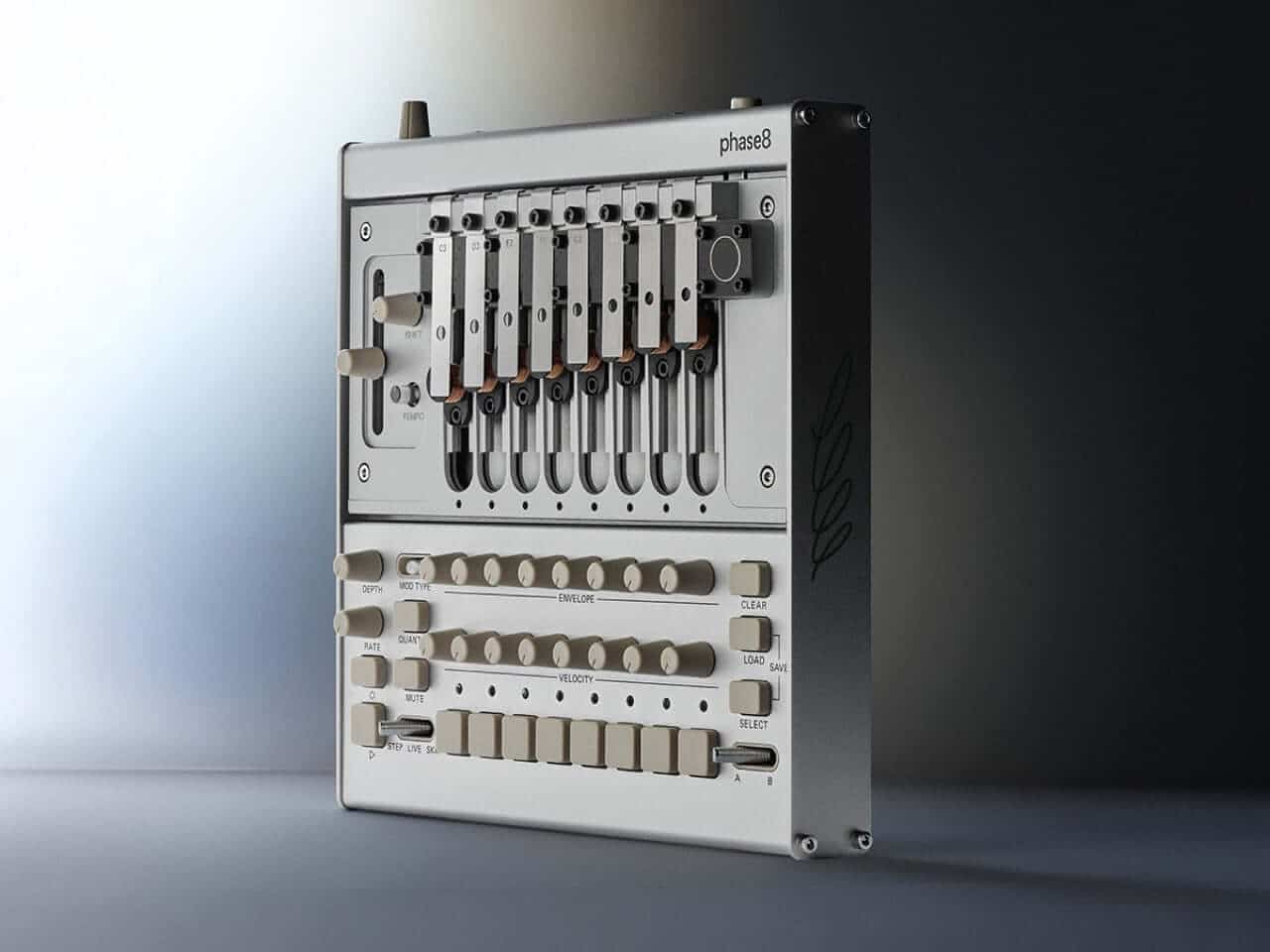
Korg Phase8: A Cyberpunk Kalimba for Producers Tired of Traditional Synths



Korg Phase8: A Cyberpunk Kalimba for Producers Tired of Traditional Synths
Experience a fresh wave of sound with Korg’s Phase8, blending acoustic synthesis and tactile play for an edgy twist on modern music production.
When Synths Get Boring, Enter the Phase8
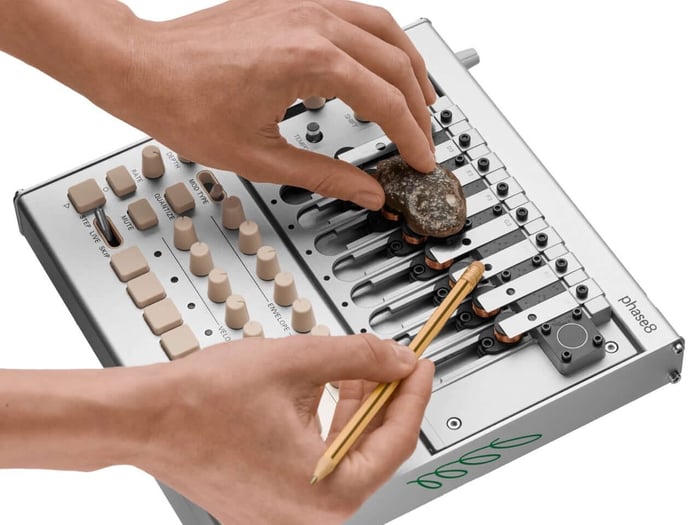
Ever felt that pang of weariness staring at the same ol’ synth layouts? The knobs, the menus, the predictable sounds—sometimes it feels like we’re playing the same game on repeat. Enter Korg Phase8 synthesizer, a futuristic marvel that’s more than just a synthesizer—it’s a cyberpunk kalimba that invites you to drop your pencils, rocks, or pretty much anything nearby onto its steel resonators and get hands-on.
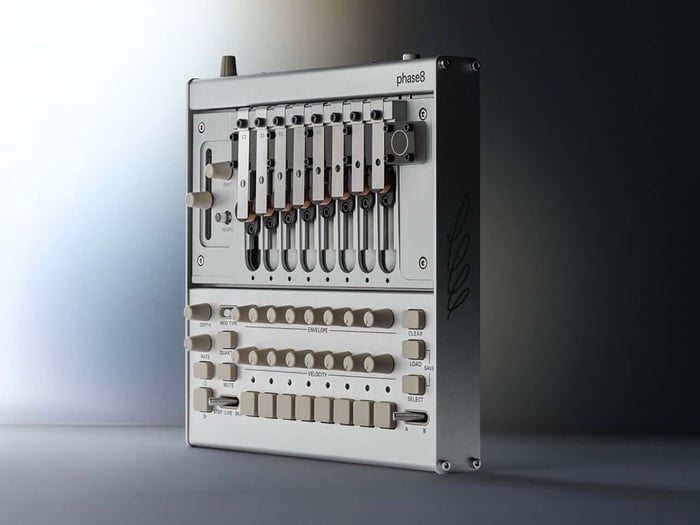
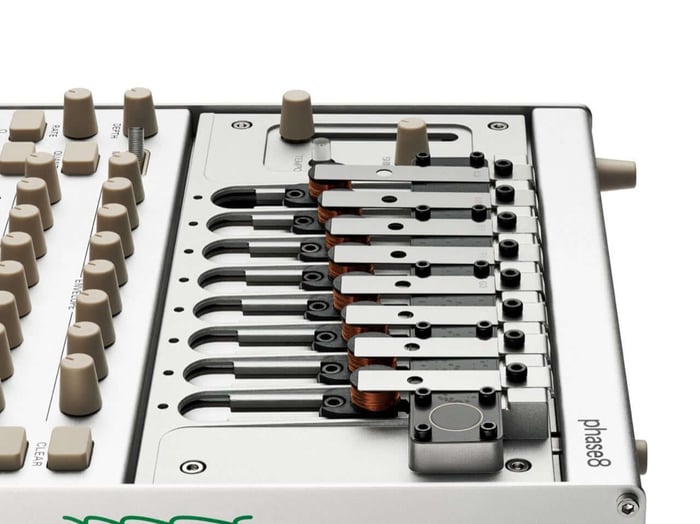
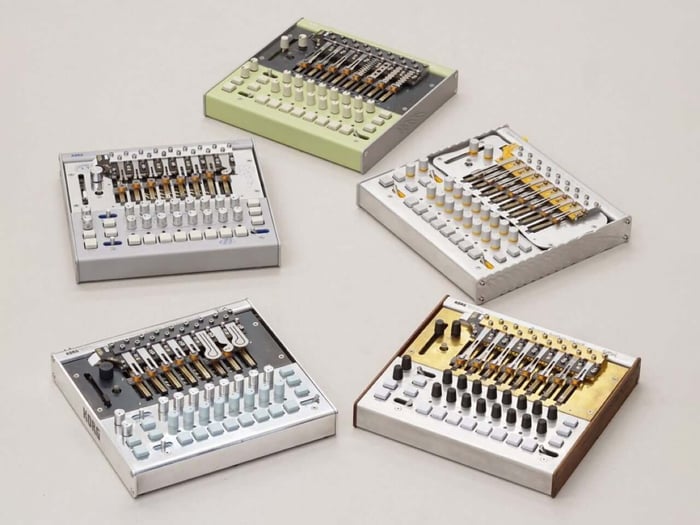
From the moment I laid eyes on this machine, I was struck by its design. It’s hard not to think of the genius Love Hultén, known for crafting synths that look like relics from an alternate universe where music and sculpture collide. The Phase8 shares that same altar-like mystique: every screw and surface feels meticulously placed, and those exposed steel tines look less like musical notes and more like pieces of a kinetic sculpture begging to be played.
A Hybrid of Lab Precision and Folk Tradition
What truly makes the Phase8 stand out is its unique vibe: it’s part laboratory instrument, part folk artifact. While you can absolutely sequence it as a modern groovebox, the real magic happens when you start interacting physically—plucking, muting, or strumming the steel resonators. I remember the first time I gently ran a pencil across those bars; it was like the device breathed new life into my studio, turning an ordinary session into a tactile, almost ritualistic experience.
This approach is a breath of fresh air. It feels like a rebellion against the sterile, screen-dominated gear we’ve grown accustomed to. Korg encourages you to experiment, even suggesting placing found objects atop the resonators to craft new sonic textures. It’s not often that a synth asks you to get your hands dirty—or better yet, vibrating.
Acoustic Synthesis: Striking a New Chord
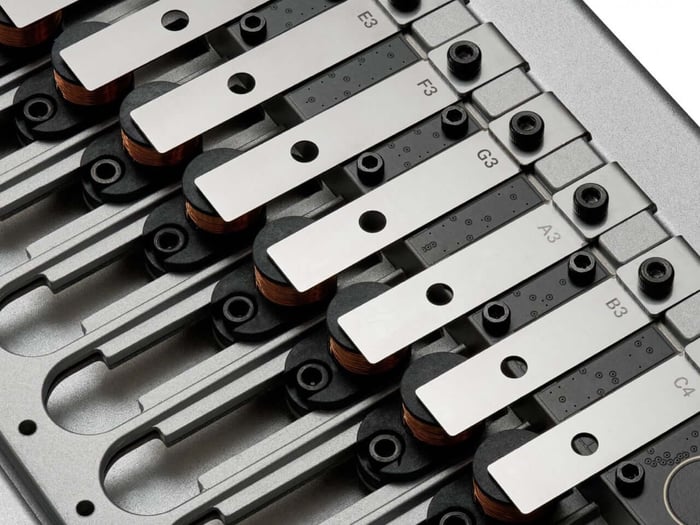
So, what’s under the hood? Korg calls it “Acoustic Synthesis,” which, in essence, means this instrument physically strikes the steel bars using electromagnetic hammers underneath each resonator. When triggered, these hammers hit the bars, generating real acoustic vibrations captured by a capacitive pickup that feeds the sound into the synth engine for further manipulation.
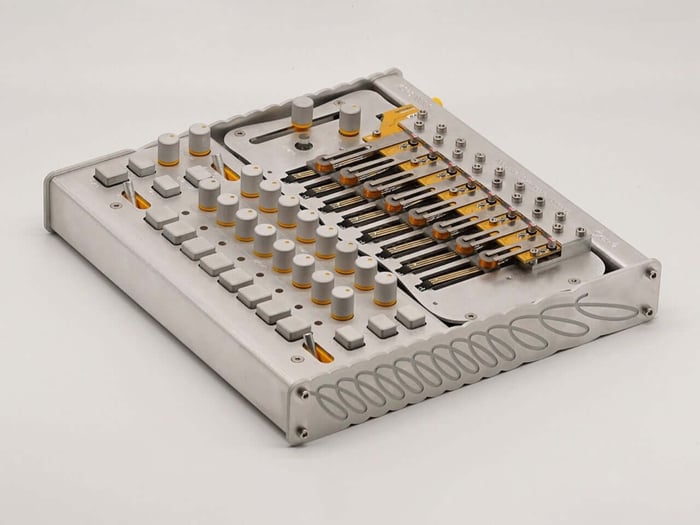
Forget the usual oscillator-filter-amplifier chain—this is a different beast altogether. Weighing in at a solid 1.71kg and compact at just 231mm wide, the Phase8 feels like a piece of serious lab equipment rather than a lightweight toy. It’s built with purpose, precision, and a love for sound as a physical phenomenon.
Tactility Meets Tech
What I adore about the Phase8 is the “AIR” slider on its side. This nifty control lets you blend between the pure electronic signal and the raw acoustic vibration of the resonators in the room. That means you can either amplify the natural resonance or dial it back for a cleaner electronic tone. This kind of tactile sound shaping really pulls you away from endless menu scrolling and deep dives into digital settings.
Made under the guidance of Tatsuya Takahashi, known for pushing the envelope in synth design, the Phase8 isn’t just about experimental sounds. It packs a polymetric sequencer, full MIDI and USB-C connectivity, and CV inputs for modular setups. This makes it ready to slot into any serious studio lineup.
A Studio Staple with a Price to Match
At $1,150, the Phase8 isn’t exactly a casual impulse buy, but it’s clear Korg envisions this as a centerpiece instrument for producers ready to break free from convention. It feels alive—not just in the way it sounds but in how it demands your physical engagement. This is a synth that challenges you to rethink music making through the lens of touch, texture, and tactile experimentation.
“It is a completely different path from the usual oscillator-filter-amp chain… You do not just see an instrument, you see a machine that wants to be played, prodded, and prepared with whatever objects are lying around your studio.”
Conclusion: Is the Phase8 the Future of Synths?
For anyone who’s felt burned out by the endless sea of virtual synths and menu-driven interfaces, the Korg Phase8 synthesizer is a breath of fresh, metallic air. Its blend of acoustic vibrations and digital control invites a playful, hands-on experience that feels both ancient and futuristic. It’s not just an instrument; it’s a new way to create, to explore sound with your fingertips, your tools, even a pebble.
Are you ready to strike a different chord in your production journey?
FAQ
- What exactly is acoustic synthesis on the Phase8?
Acoustic synthesis here means the instrument physically strikes steel bars to create sound, which is then digitally processed. It’s a hybrid of physical vibration and electronic shaping. - How does the AIR slider work?
The AIR slider adjusts the balance between the raw acoustic sound of the vibrating resonators and the processed electronic signal, giving you dynamic control over the texture. - Can the Phase8 connect to other gear?
Absolutely! It supports MIDI, USB-C, and CV inputs, making it compatible with modern studios and modular setups. - Is the Phase8 portable?
While it’s compact and weighs around 1.7 kilograms, it’s built like lab equipment—not a lightweight toy. Still, it’s easy enough to bring anywhere. - Who would benefit most from the Phase8?
Producers and musicians looking to escape traditional synth sounds and engage physically with their music will find the Phase8 especially rewarding.
Feeling inspired to bring a tactile, cyberpunk vibe to your studio? Shop your favorite album cover posters and gear up your creative space at Architeg Prints. It’s the perfect complement to any music lover’s den!
 | DISCOUNTGET 30% OFF*Use code on your next order:
|
* This post may contain affiliate links, meaning we earn a commission if you make a purchase through these links, at no additional cost to you.