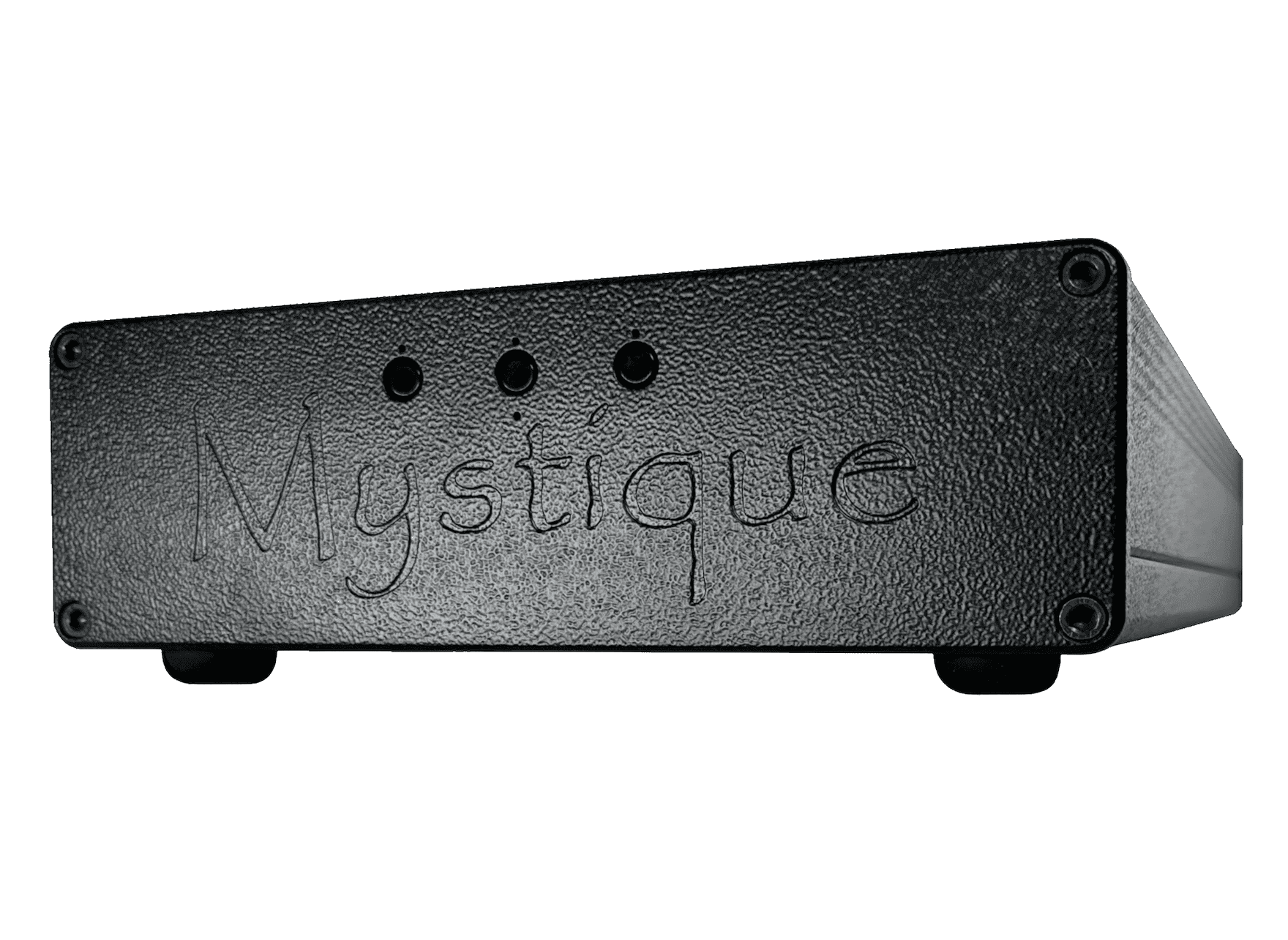
Mojo Audio Mystique Z DAC: A Vintage R2R Ladder DAC for Pure Musicality



Mojo Audio Mystique Z DAC: A Vintage R2R Ladder DAC for Pure Musicality
Experience the Mojo Audio Mystique Z DAC’s vintage R2R ladder technology delivering unmatched musical clarity and emotional depth.
A Rare Breed in the Digital DAC World
In today's sea of sigma-delta digital-to-analog converters (DACs), Mojo Audio takes an old-school route few dare to travel. Benjamin Zwickel, the creative force behind Mojo, champions the vintage R2R ladder chips from the 1980s and 90s as the ultimate in multi-bit D/A conversion. Unlike many modern DACs, Mojo’s designs ditch oversampling and digital filters, aiming instead for bit-perfect conversion that honors the music's true essence.
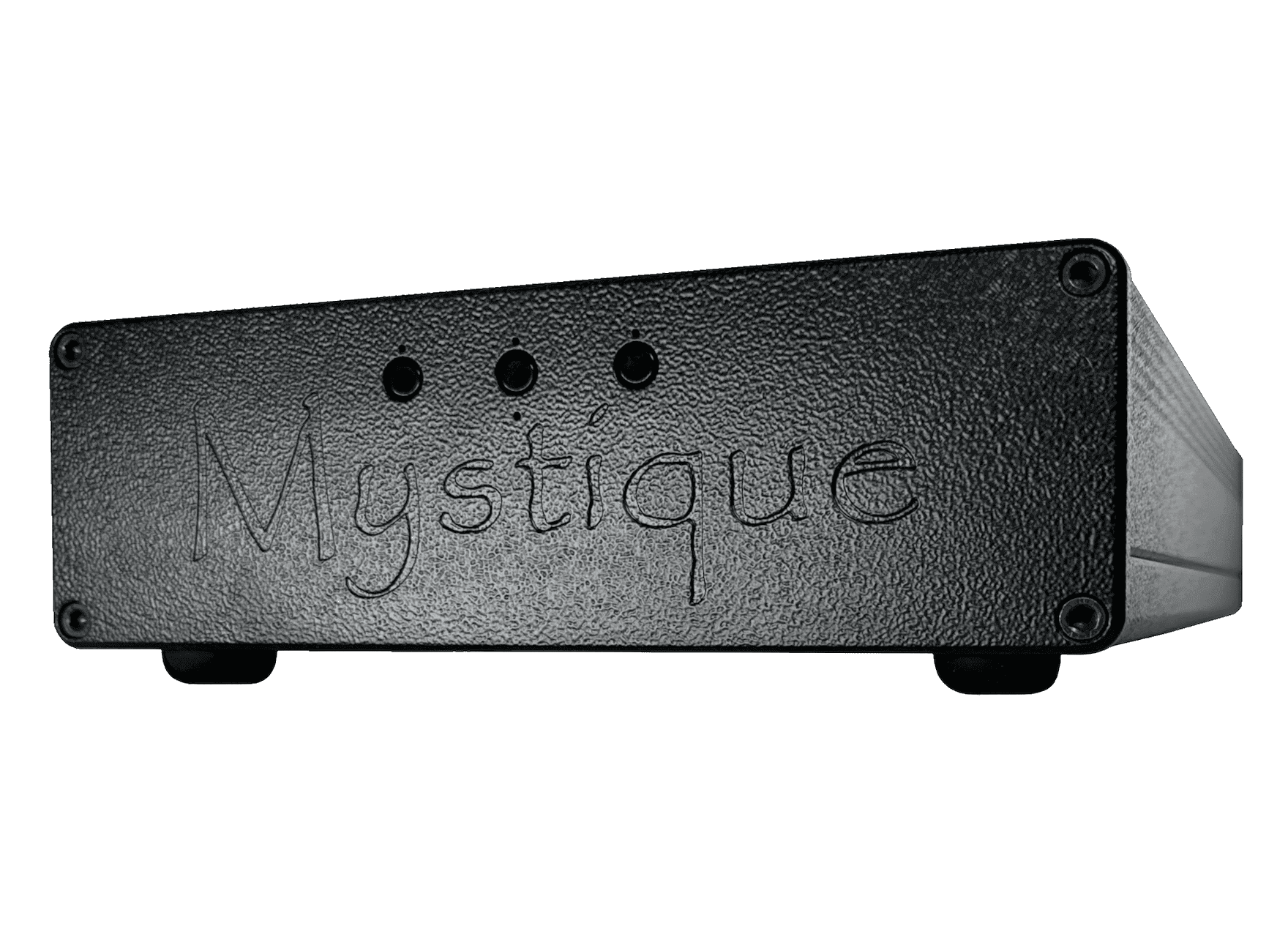
These vintage chips, often dismissed as obsolete, still hold their ground and are surprisingly available in reasonable quantities. Back in the mid-80s, Analog Devices and Burr-Brown released chips to rival Philips’ TDA1541. Among these, the Analog Devices AD1865—a hybrid of a string DAC and R2R ladder—has been a stalwart for Audio Note UK. Mojo Audio once used this chip but eventually switched to the AD1862, which Zwickel claims offers even better musicality.
Today, Mojo’s crown jewel is the Burr-Brown PCM58P, an 18-bit pure R2R monolithic chip that boasts fast settling times and low noise switching to avoid glitches. Though its clock rate supports 24-bit words, only 18 bits are used—a choice geared toward sonic purity over specs.
The Specs vs. The Soul of Sound
The PCM58P chip allows fine tuning of the most significant bits (MSBs), a process Mojo Audio enhances with a 24-bit resolution distortion analyzer to improve upon Burr-Brown’s already impressive 0.002% noise plus THD specification. While modern sigma-delta DACs boast far better specs on paper, Zwickel and many audiophiles know that specs alone don’t guarantee musical enjoyment.
If you’re all about chasing stats, Mojo Audio might not be your best stop. But if you crave a DAC that breathes life, warmth, and emotional connection into your music, the Mystique Z is in a league of its own.
“The DAC market’s mad chase after specifications misses the point, which is musical enjoyment. That is after all the only real goal of high-fidelity pursuit.”
— Benjamin Zwickel
Dynamic Range and Real-World Listening
The Model Z’s dynamic range clocks in at 108dB, comfortably surpassing the 96dB of 16-bit DACs and the 70dB range of a 30ips studio tape deck. Yet, typical digital releases rarely exceed 35dB, and pop music often gets squashed under 10dB of dynamic range to suit noisy environments like cars.
Worried about hi-res limits? The debate about audible differences between high-resolution and CD-quality audio has been swirling for years. Studies have shown trained ears catch differences only about 60% of the time, often owing to how hi-res files help shift noise to inaudible frequencies. As someone who still enjoys streaming hi-res files on my trusty 16-bit Altmann Attraction DAC, I can attest that the Mystique Z’s 18-bit depth offers virtually indistinguishable sound, marrying vintage tech with modern listening habits.
From Vintage Roots to Modern Craftsmanship
Mojo Audio kicked off by upgrading classic TDA1540 and TDA1541-based CD players and DACs, learning from schematics of iconic brands like Sony, Philips, and Marantz. But Zwickel soon realized the limits of retrofitting and began crafting his own DACs, retaining classic designs while improving power supplies and component quality.
“The big differences between my DAC designs and those classic ones is that I use better power supplies and higher-quality component parts… No need to reinvent the wheel… just make it spin more true.”
— Benjamin Zwickel
Power supply noise reduction is a major focus. The Model Z features three independent power supplies—one capacitive for digital inputs and two filtered by LC choke inputs for the DAC chip and analog output circuits, akin to what you'd find in a tube amp. After experimenting with ferrous and amorphous chokes, Mojo Audio convinced Lundahl to create a nano-crystal-core choke specifically for their DACs, offering superior sonic benefits.
Connectivity and Unique Features
The Mystique Z offers three digital inputs: USB Type B, SPDIF coaxial, and TosLink optical, all handling PCM files up to 24-bit/192kHz across formats like WAV, FLAC, ALAC, AIFF, AAC, MP3, MP4, and WMA (DSD is not supported). Input selection is manual on the front panel.
The USB input uses an advanced XMOS asynchronous receiver with femto clocking and galvanic isolation, delivering such pristine sound that even specialized USB reclocking devices degraded its performance in testing.
A quirky but brilliant feature is the USB lift switch on the back, which powers down the USB module when using SPDIF or TosLink inputs. This surprisingly improved coaxial input performance by reducing power draw and clocking noise, making CD playback on my NuPrime CDT-8 Pro CD transport sound startlingly transparent and clear. For one full week, CDs were my daily soundtrack!
Evolution of the Mystique Line
Before the Model Z, I had the pleasure of auditioning Mojo’s earlier Mystique models X’25 and Y. The main difference? The DAC chip: the Y featured the AD1865, while the X utilized the AD1862. Both models impressed with low noise floors, natural detail, and a lack of harsh upper-midrange typical of many sigma-delta DACs.
The Model X, especially with nano-crystal chokes, delivered the richest harmonic textures and tonal color saturation. Yet, when the Z NC landed, I expected a modest step-up. Instead, it stunned me with a quantum leap in clarity, soundstage transparency, bass control, and emotive power. The magic of the PCM58P chip shines through with an ability to ignite recordings and pull you into the music’s soul like never before. Vocals, in particular, felt like intimate live performances — sometimes almost spooky in their realism.
The Top-Tier Quantum Upgrade
Shortly after, the Z Quantum arrived, Mojo Audio's flagship DAC. Internally similar to the Z NC but outfitted with Bybee Technologies Quantum Purifiers—three on the AC input and two Gold Slipstream purifiers on the analog output—it raised the bar further.
Back in the day, I had noted how Bybee purifiers added coherence and clarity to loudspeaker crossovers. These latest purifiers continued that legacy, enhancing speed, focus, and noise floor. The Quantum version revealed improved vocal nuances, reverb decay, and instrument placement, subtle but significant upgrades for serious audiophiles.
No Tubes Needed for Mojo Magic
Unlike some DACs relying on tube buffers to mask digital coldness, the Mystique Z DACs perform superbly with solid-state gear. I paired them with the Pass Labs XP-12 preamp, and the synergy was remarkable—speed and control amplified the DAC’s natural musicality without any electronic gimmicks.
Surpassing High-End Competitors
The Model Z outperformed the Denafrips Terminator, a well-regarded massive discrete R2R ladder DAC that uses an FPGA for digital processing. Despite the Terminator’s 24-bit architecture, it couldn’t match the Model Z’s lively, detailed sound. Zwickel asserts Burr-Brown made better R2R chips than Analog Devices, a claim I wholeheartedly agree with after comparing models. The Mystique Z range’s PCM58P-based designs eclipse anything I’ve heard with Analog Devices chips.
Final Thoughts: The Mojo Returns
Have you ever felt lost in the labyrinth of digital DACs, swapping boxes yet never quite finding 'the one'? The Mojo Audio Mystique Z DAC might just be your musical compass. Built with obsessive care, premium parts, and an unwavering focus on enjoyment over technical specs, these DACs get closer to the absolute sound than any other I’ve heard.
As the saying goes in French: Le Mystique c’est magnifique — and that’s exactly the feeling these DACs inspire.
Specs & Pricing
- Type: R2R ladder DAC, non-oversampling, Burr-Brown 18-bit PCM58P chip
- Digital Inputs: XMOS Asynchronous USB, Coaxial RCA SPDIF, TosLink Optical
- Analog Outputs: RCA single-ended, XLR balanced
- Dimensions: 9″ x 3″ x 16″
- Weight: 19 lbs.
- Price: $13,000 (Quantum); $11,000 (Z NC)
Associated Equipment
- Loudspeaker: Fyne Audio F704SP
- Digital Source: Qobuz streaming via Audirvana Studio software; NuPrime CDT-8 Pro CD transport
- Preamplifiers: Pass Labs XP-12, Audio Research LS25MKII, Classé DR-6L, Experience Music autoformer volume control
- Power Amplifiers: Audio Research VS115, PrimaLuna EVO 400 monoblocks
- Cables: Mogami Neglex and Canare Quad XLR, Kimber Select KS1016 and KCAG interconnects; 8N OFC speaker cable
- Accessories: Sound Application CF-X & TT-7 power line conditioners; Duende Criatura Tube Rings
FAQ
- What makes the Mojo Audio Mystique Z DAC unique?
Its use of vintage Burr-Brown PCM58P R2R ladder chips combined with superior power supplies and components creates a uniquely musical and emotionally engaging listening experience. - Does the Mystique Z support hi-res audio formats?
It supports PCM files up to 24-bit/192kHz but does not accommodate DSD files. - How are the digital inputs configured?
The DAC offers USB Type B, SPDIF coaxial, and TosLink optical inputs, all manually selectable on the front panel. - Is the power supply design important?
Absolutely. The Mystique Z’s three independent power supplies with nano-crystal-core chokes significantly reduce noise, enhancing overall sonic performance. - How does the Mystique Z compare to modern DACs with better specs?
Despite lower technical specs, it delivers superior musical enjoyment, emotional connection, and sonic realism that many hi-spec DACs can’t match.
For those inspired by the Mystique Z’s timeless design and sound, why not bring a piece of this audio magic into your space? Shop your favorite album cover posters at our store to celebrate the music you love. Explore the collection here.
 | DISCOUNTGET 30% OFF*Use code on your next order:
|
* This post may contain affiliate links, meaning we earn a commission if you make a purchase through these links, at no additional cost to you.