Muse’s Wow Signal Concert Brings Robots and Sci-Fi Spectacle to London


Muse’s Wow Signal Concert Brings Robots and Sci-Fi Spectacle to London
The Wow Signal concert turned London’s O2 into a cosmic playground, complete with lasers, a singing robot, giant visuals, and Muse classics.
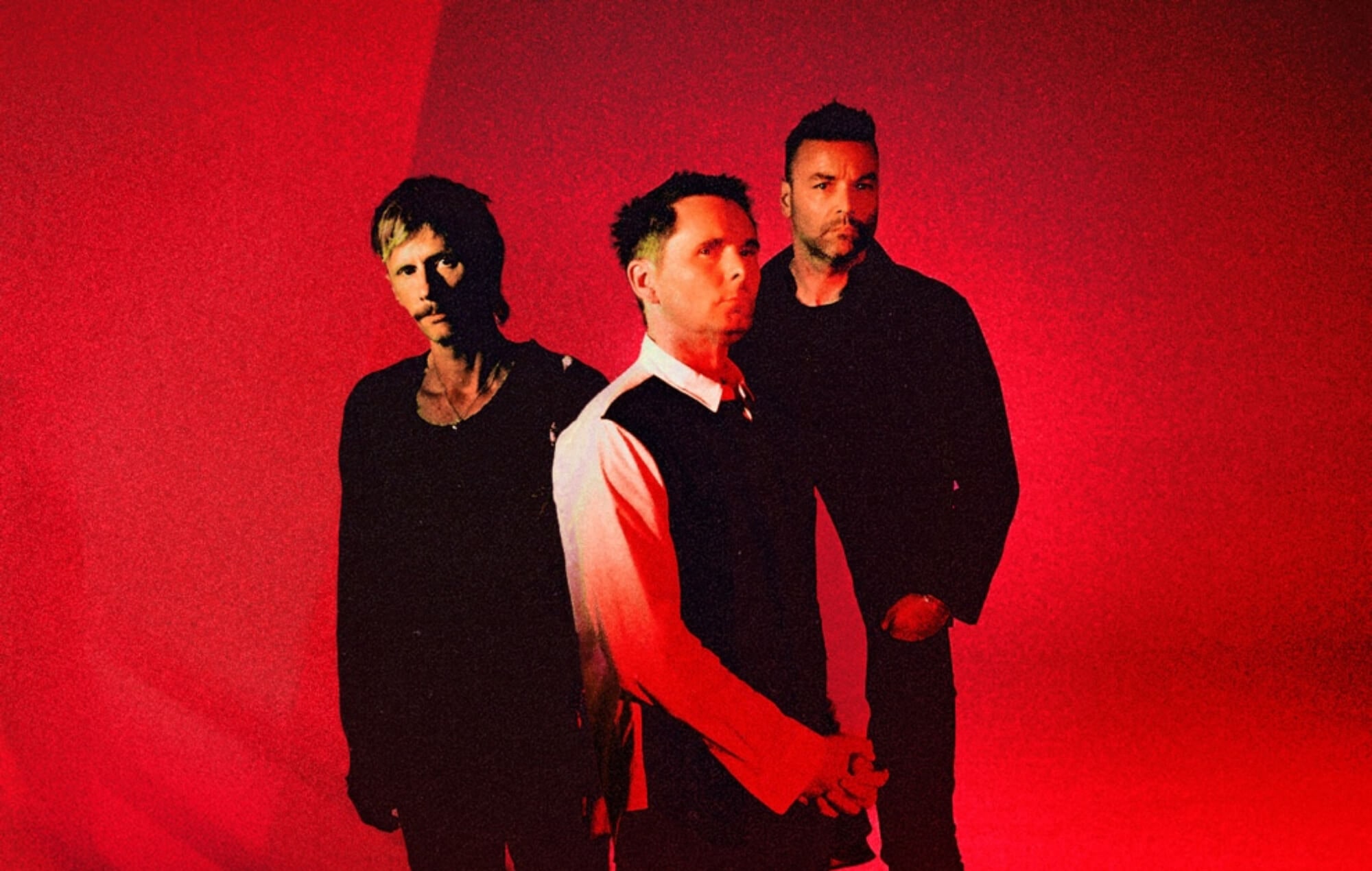
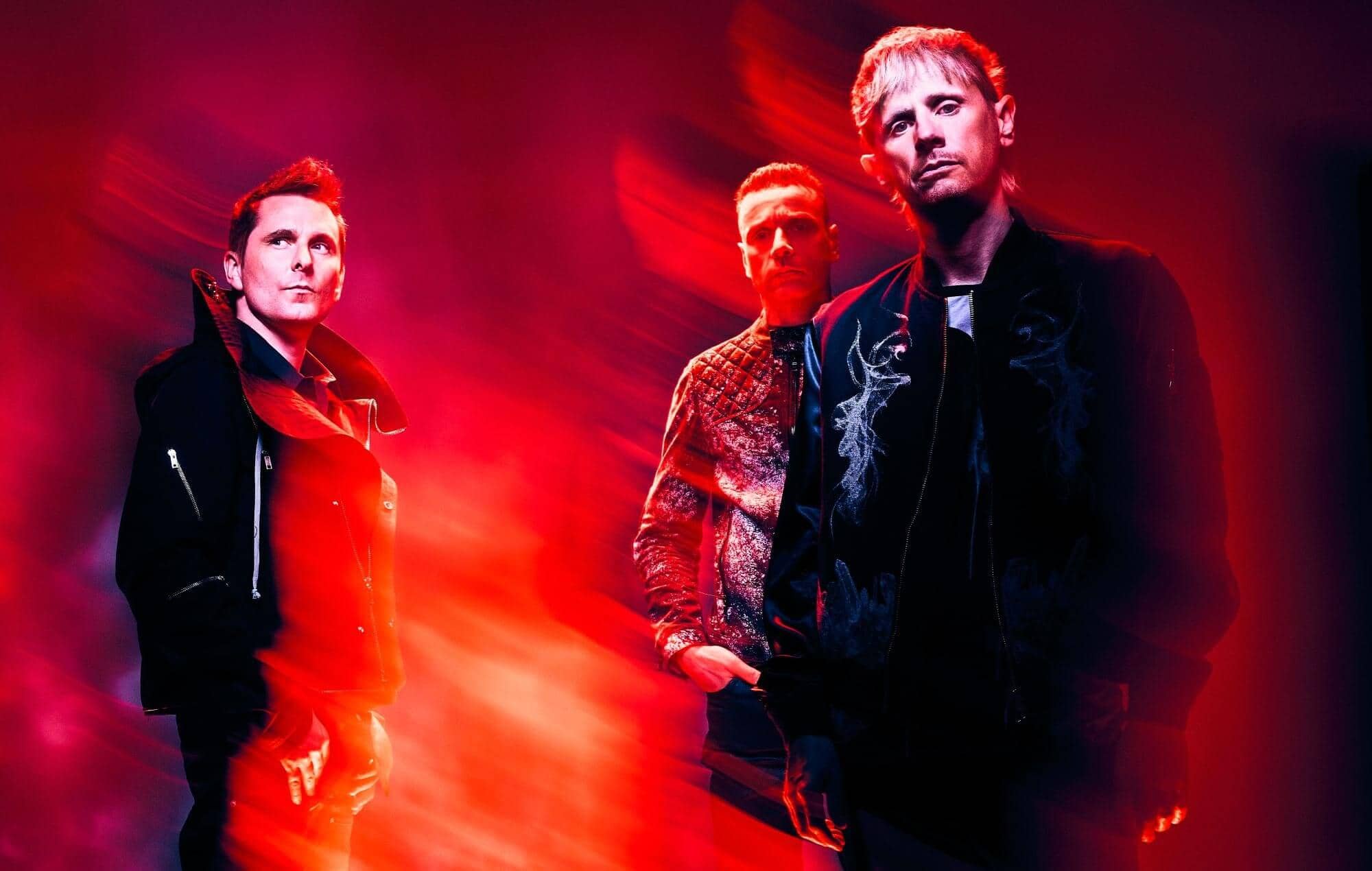
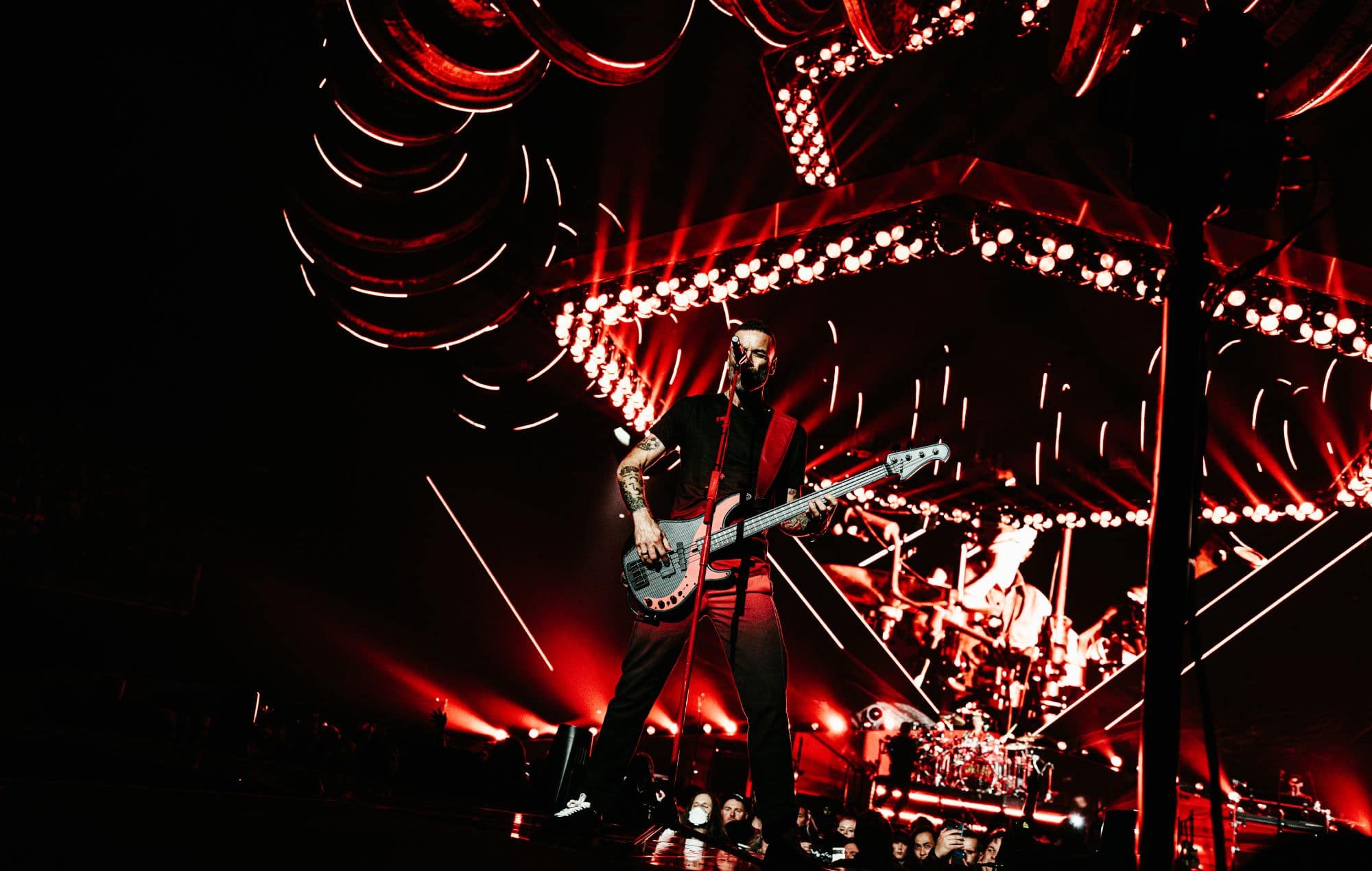
Muse didn’t simply arrive at London’s O2—they opened a portal. For the first of two November shows, the Devonshire trio transformed the arena into a sprawling science-fiction transmission, bringing The Wow! Signal to life with a towering production, a mysterious robotic performer, and enough lasers to make the ceiling feel several light-years away.
A 1977 Mystery Becomes Muse’s Opening Scene
The evening began with the giant screens reaching back to August 15, 1977, the date a powerful, unexplained 72-second radio burst was detected from the direction of Sagittarius. Its intensity and bandwidth suggested a possible extraterrestrial source, and the strange event became known as “The Wow! Signal.”
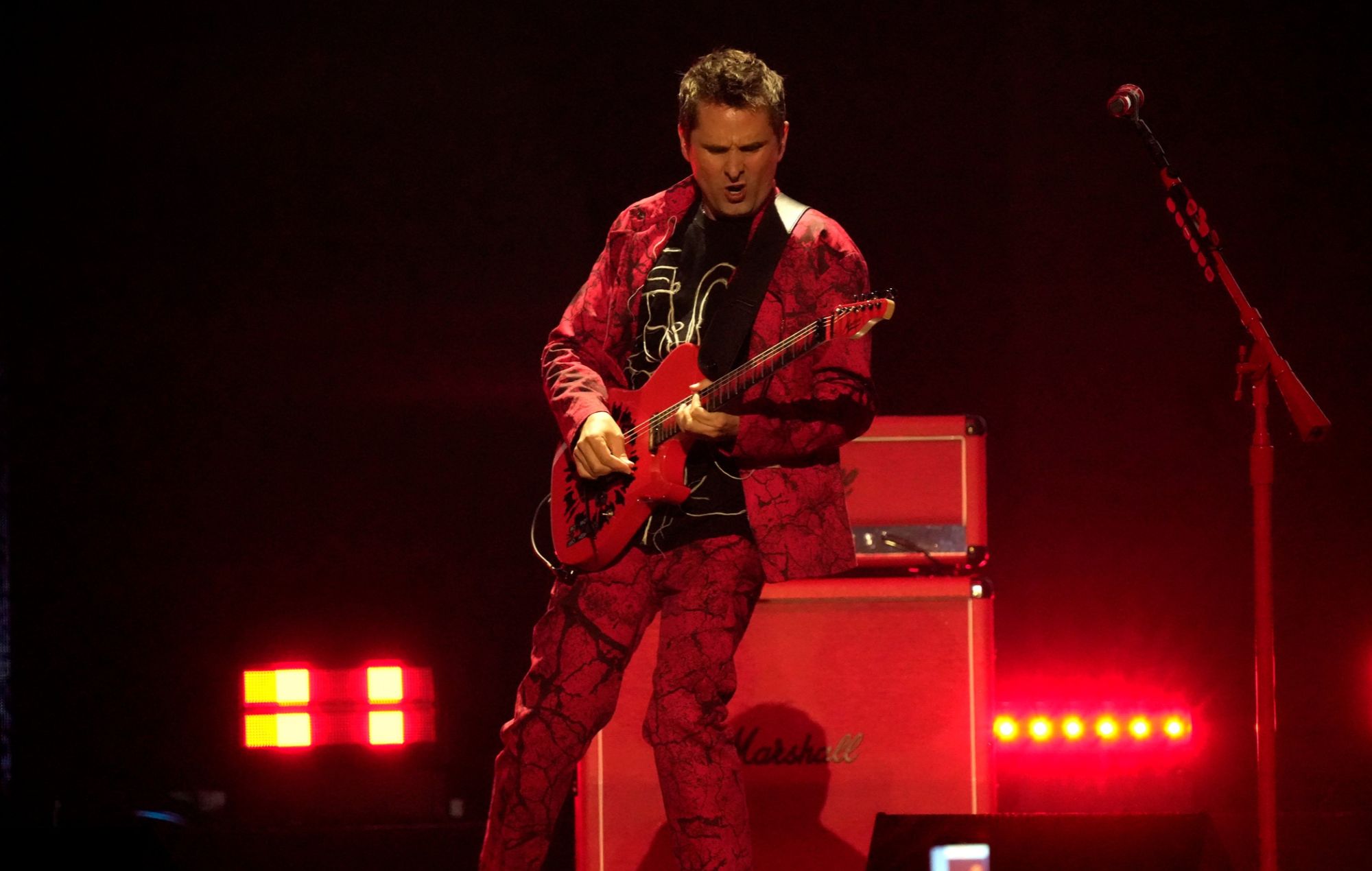
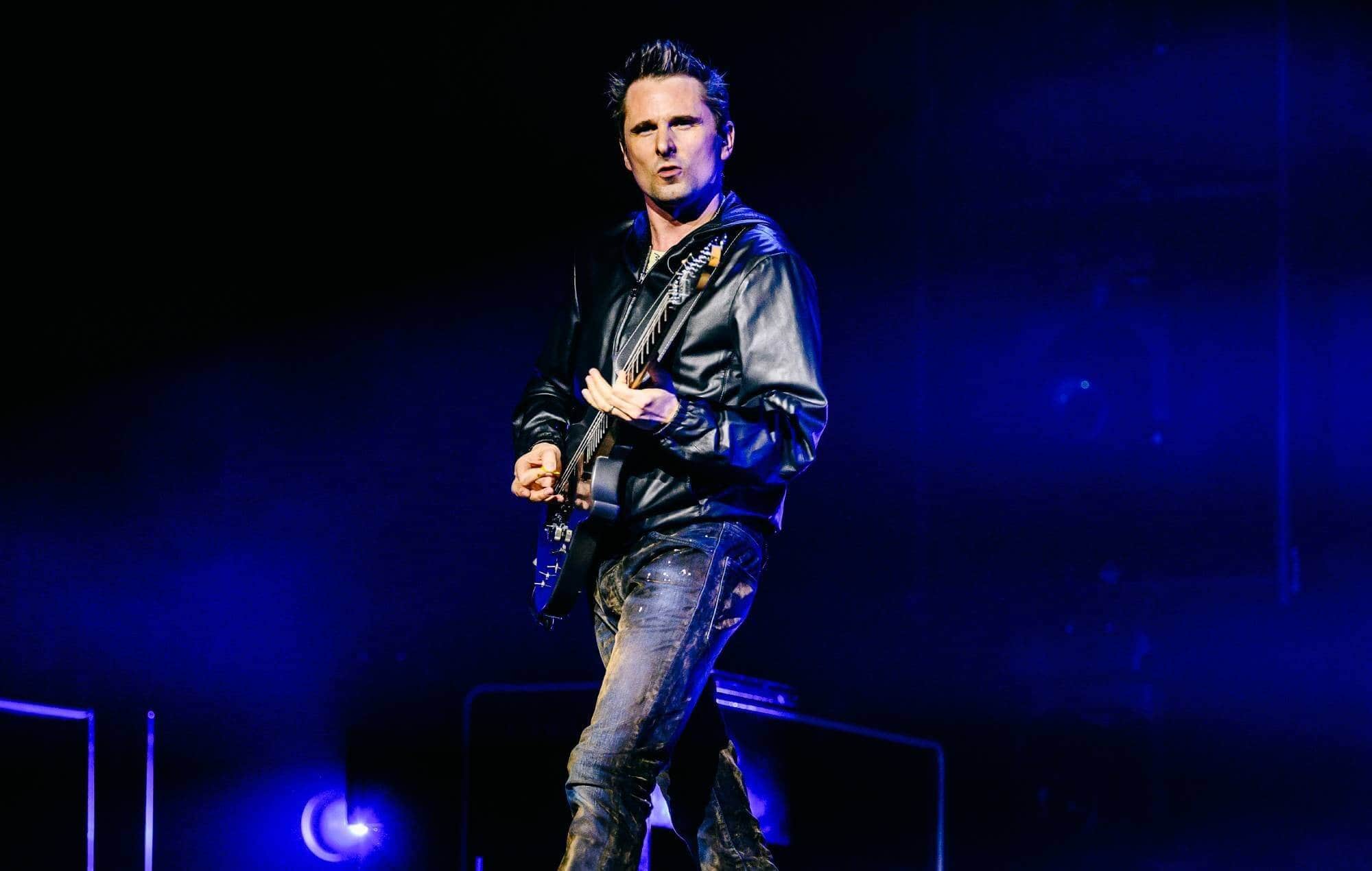
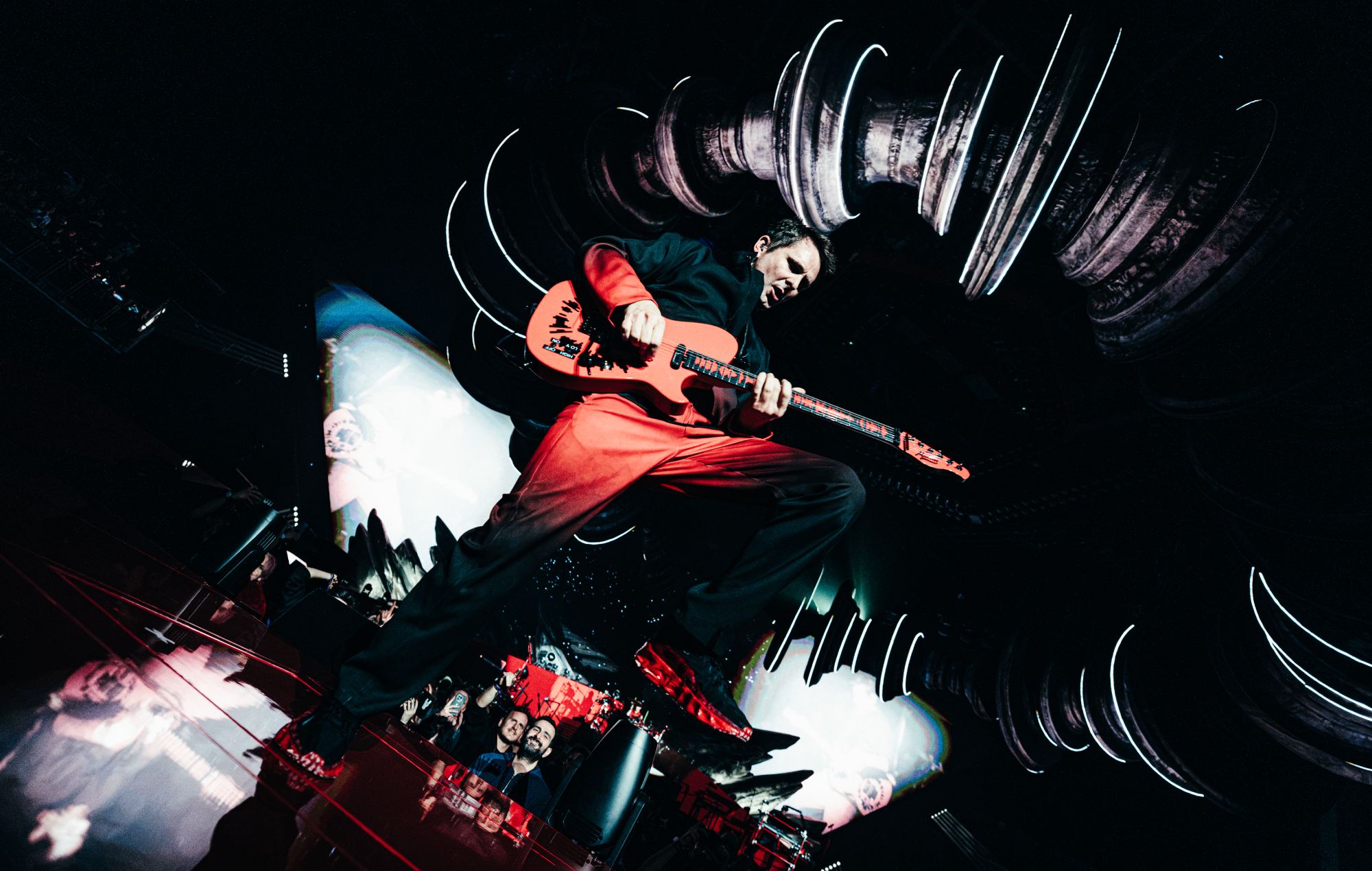
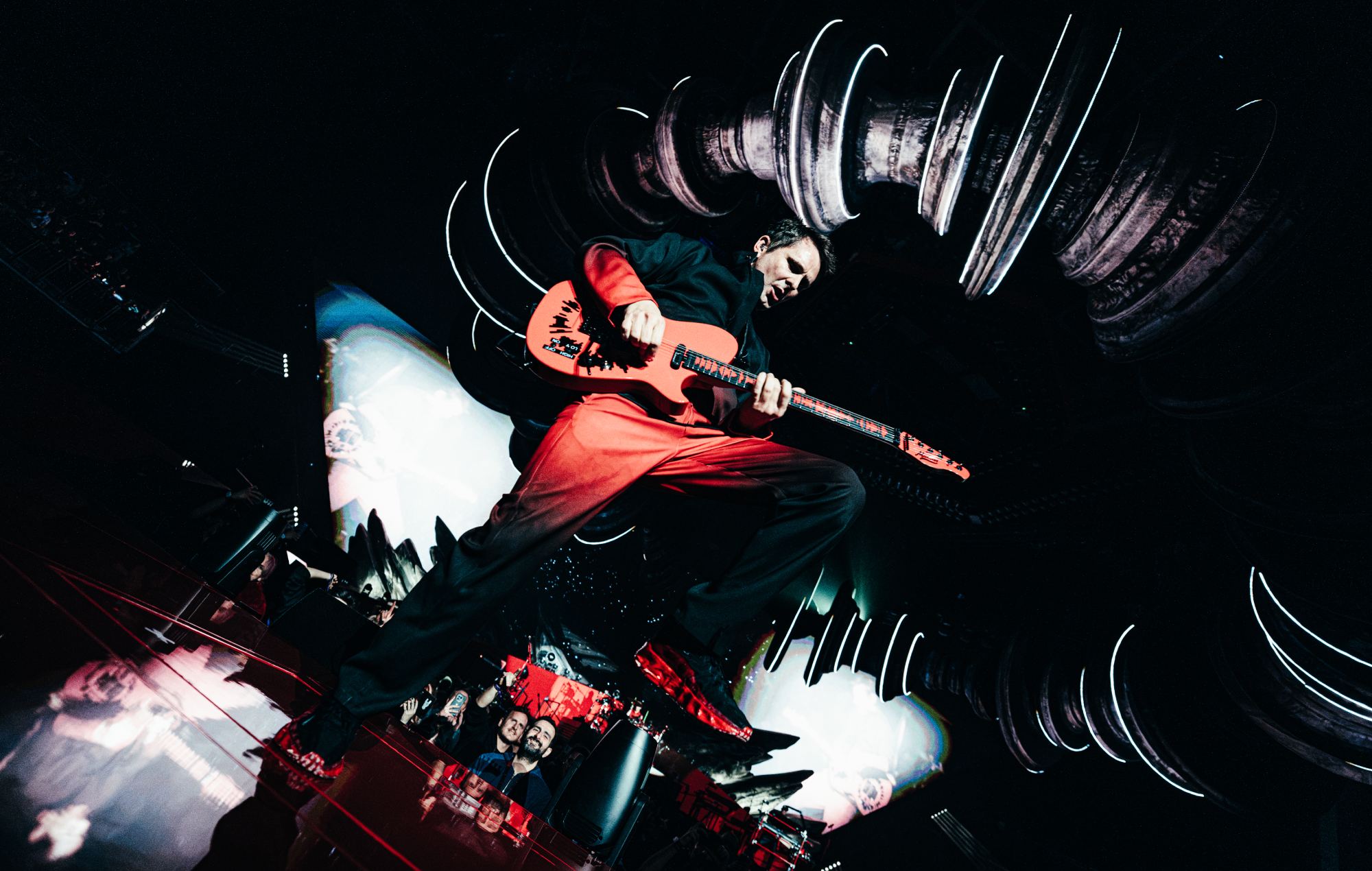
That cosmic mystery set the mood immediately. Matt Bellamy appeared on a floating hexagonal B-stage, surrounded by laser beams, to perform “Hexagons,” one of the clearest introductions to the band’s new sci-fi world. He then moved back toward Chris Wolstenholme and Dominic Howard as the set shifted into the metal-edged “The Sickness in You & I” and “Unravelling.”
There was no gentle warm-up here. Muse pressed the launch button from the first note.
The Stage Becomes a Living Transmission
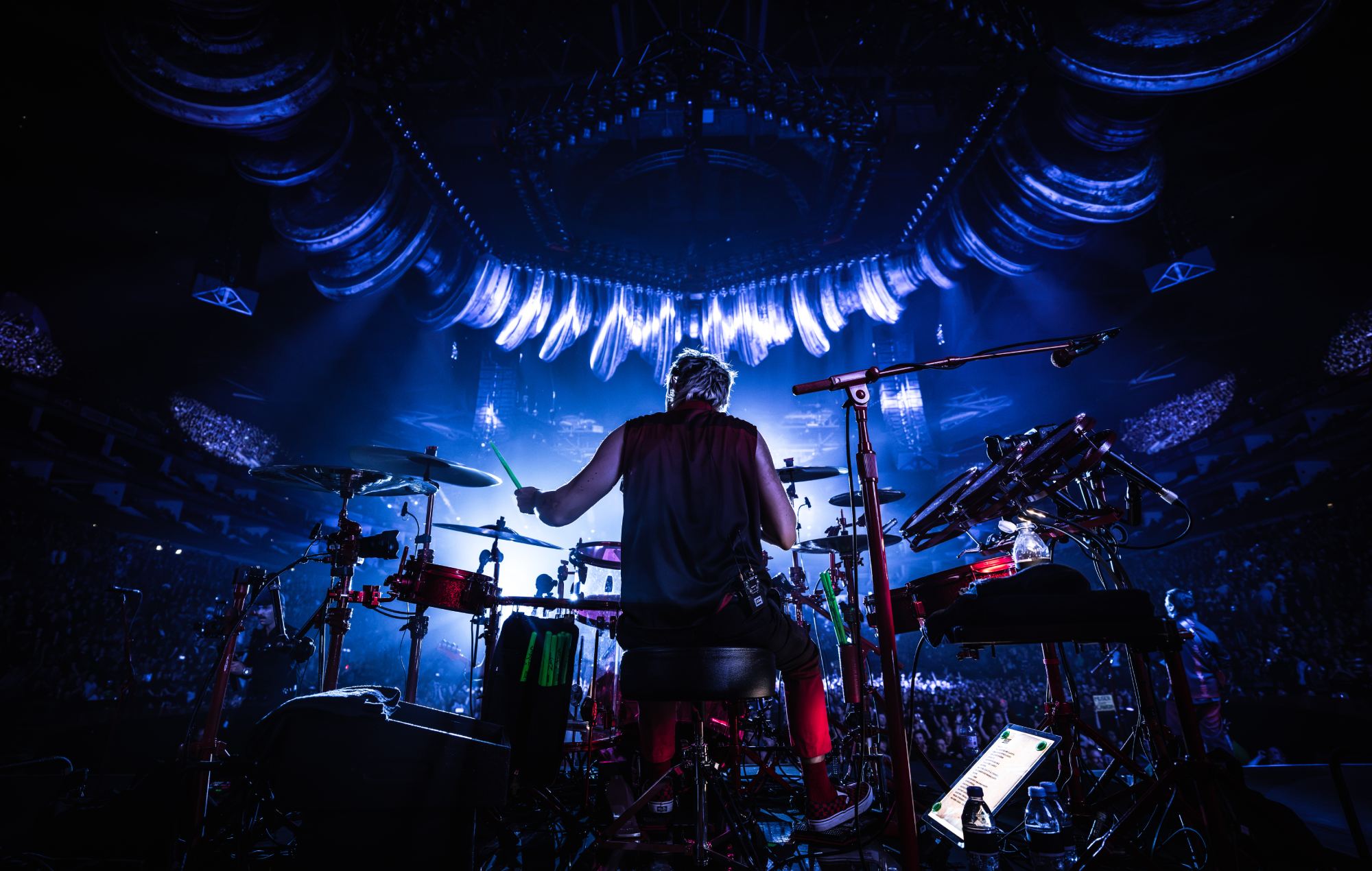
The band performed beneath a huge three-dimensional representation of the signal’s waveform, appearing to form in space above them. The image also features on the album artwork, giving the concert a visual thread that connected the record to the live experience.
Behind the musicians, another scene depicted Europa, one of Jupiter’s moons. It was the kind of backdrop that made even a trip to the refreshment stand feel like a brief interruption to an interplanetary mission. Muse have always enjoyed making arenas feel enormous, but this production leaned fully into the scale: sound, light, and imagery all worked together as one giant piece of sci-fi theater.
Meet Ameca, Muse’s Singing Robot
Then came the show’s most unexpected band member—or at least the one most likely to steal the spotlight without owning a guitar.
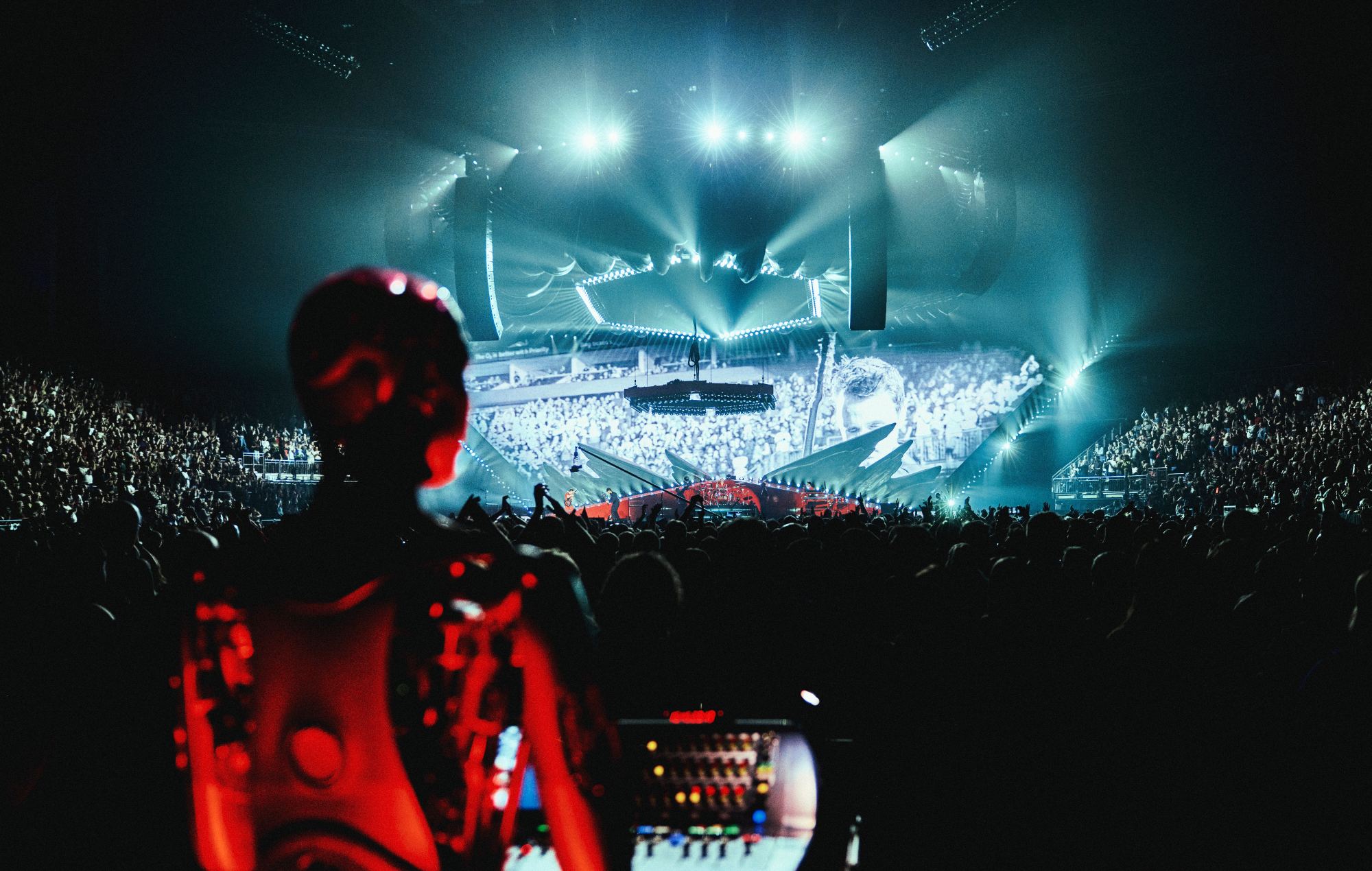
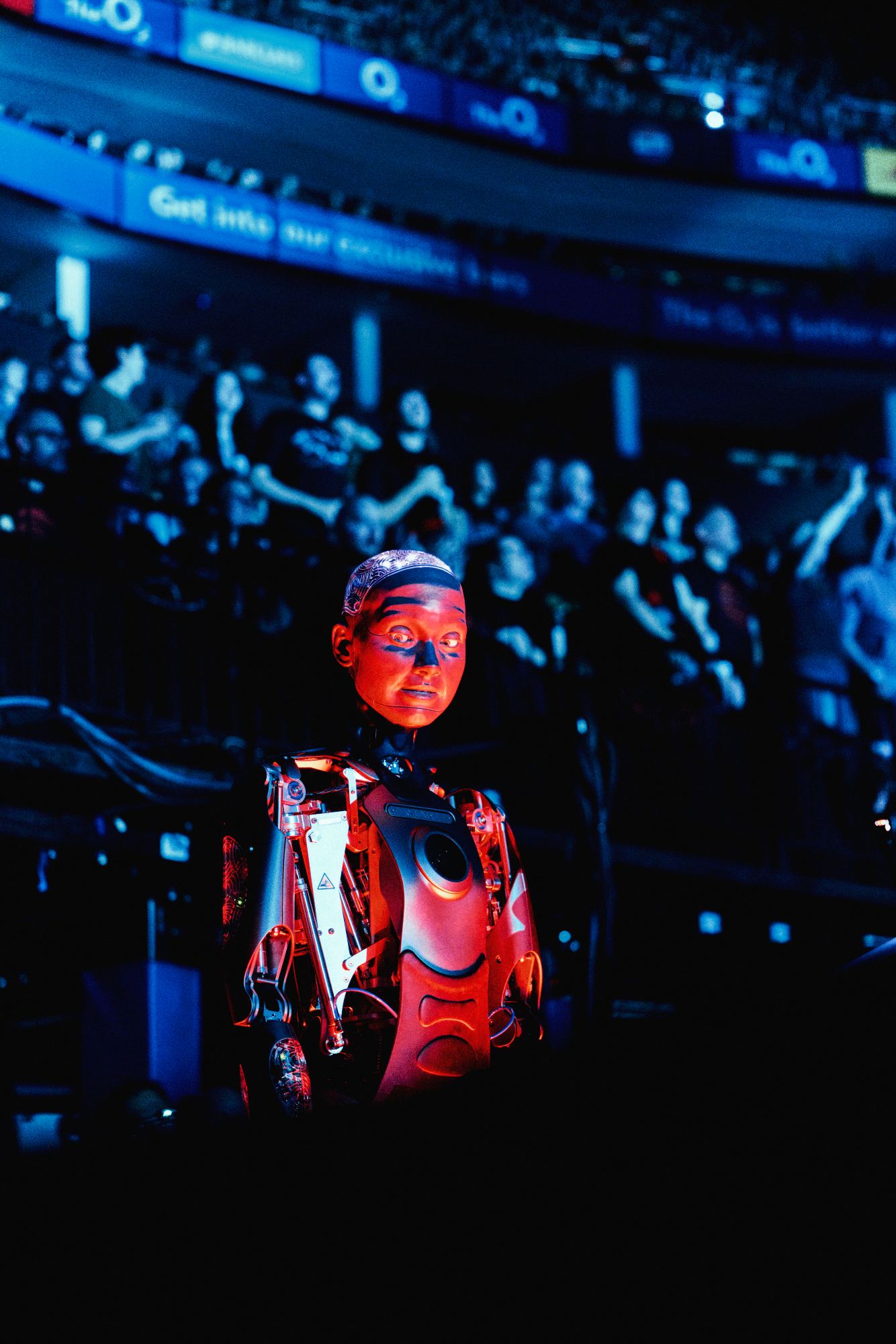
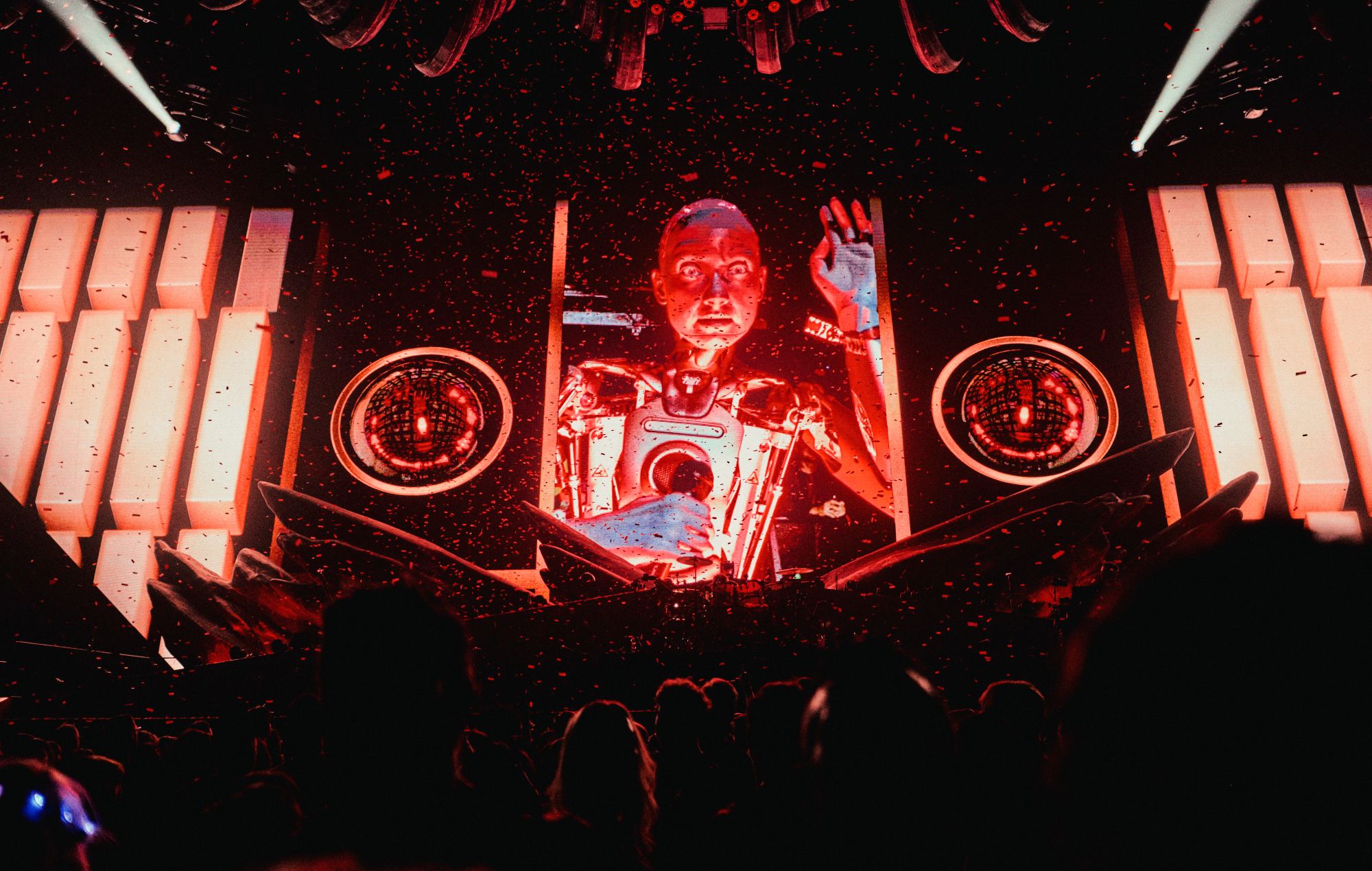
At the rear of the standing area stood an AI robot named Ameca, positioned as if it were operating a sound desk. Throughout the performance, the robot appeared to adjust controls, adding an eerie sense that the concert was being managed by a machine intelligence just a little too comfortable with the equipment.
Ameca’s role went beyond decoration. The robot delivered vocals during a reworked version of “Kill Or Be Killed” and “JFK,” then introduced “Psycho” with the now-familiar drill-sergeant speech. It was an inspired bit of theatrical mischief: part futuristic stagehand, part unexpected vocalist, and part reminder that a Muse show has never been allergic to a little controlled chaos.
New Songs Meet the Familiar Hit Parade
The new material held its ground comfortably beside the group’s biggest songs. “The Dark Forest” emerged as an early high point, bringing the album’s grand, shadowy atmosphere into the arena with plenty of force.
From there, the set moved through a familiar run of fan favorites, including “Hysteria,” “Supermassive Black Hole,” “Plug In Baby,” “Time Is Running Out,” “Uprising,” and “Knights of Cydonia.” These are the songs that turn an audience into one enormous backing band. You don’t so much hear the first riff as recognize it in your bones.
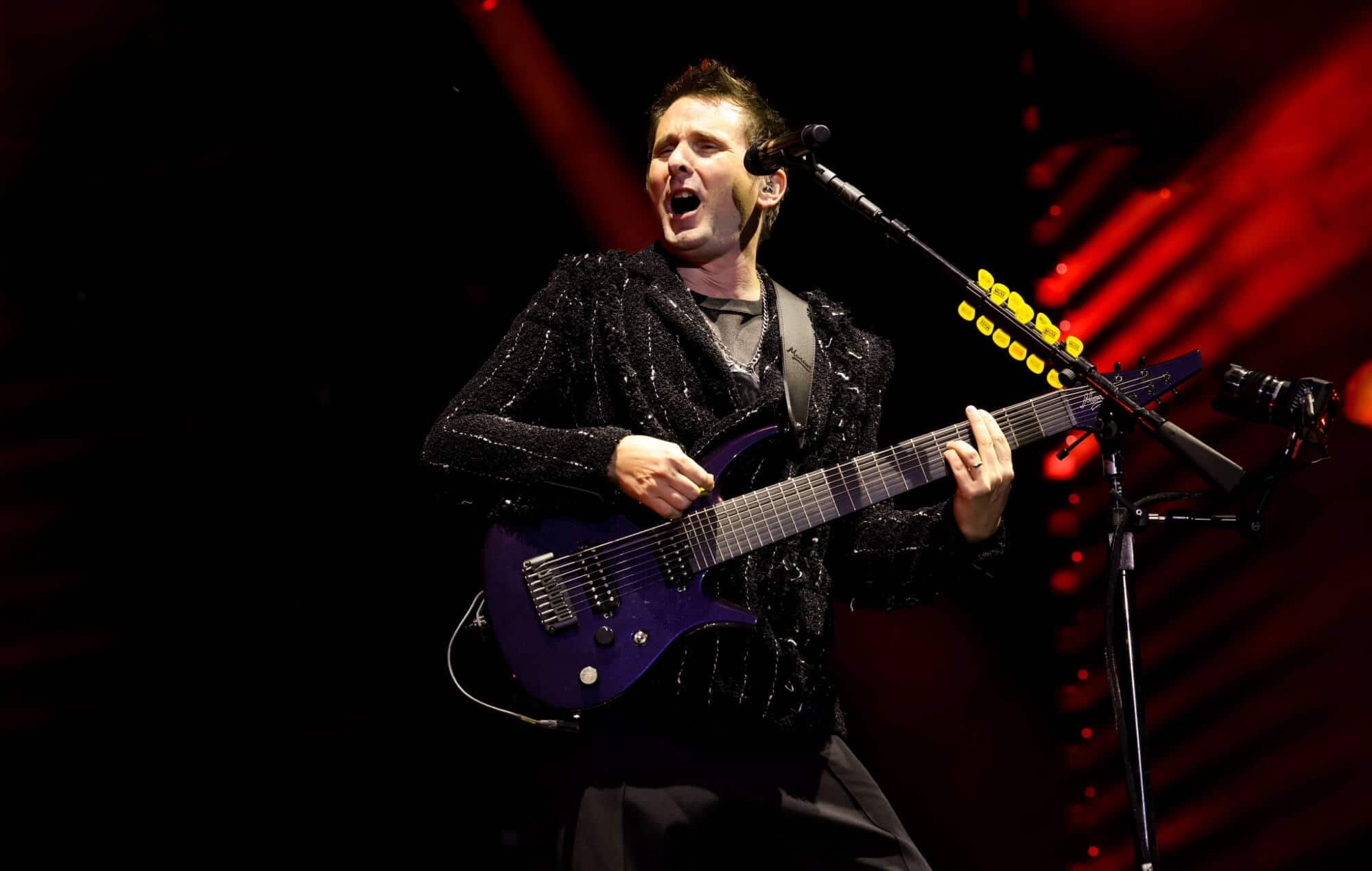
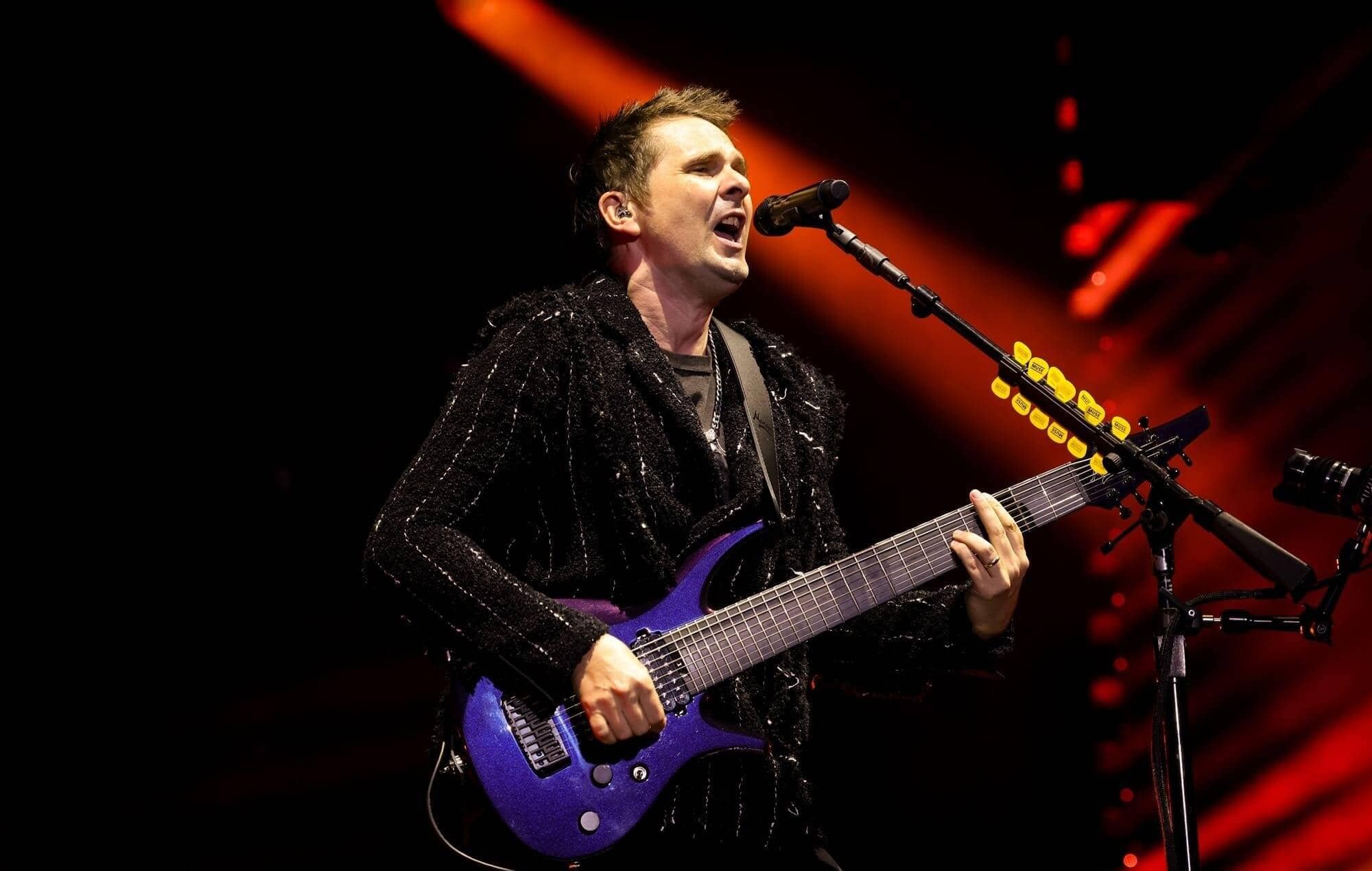
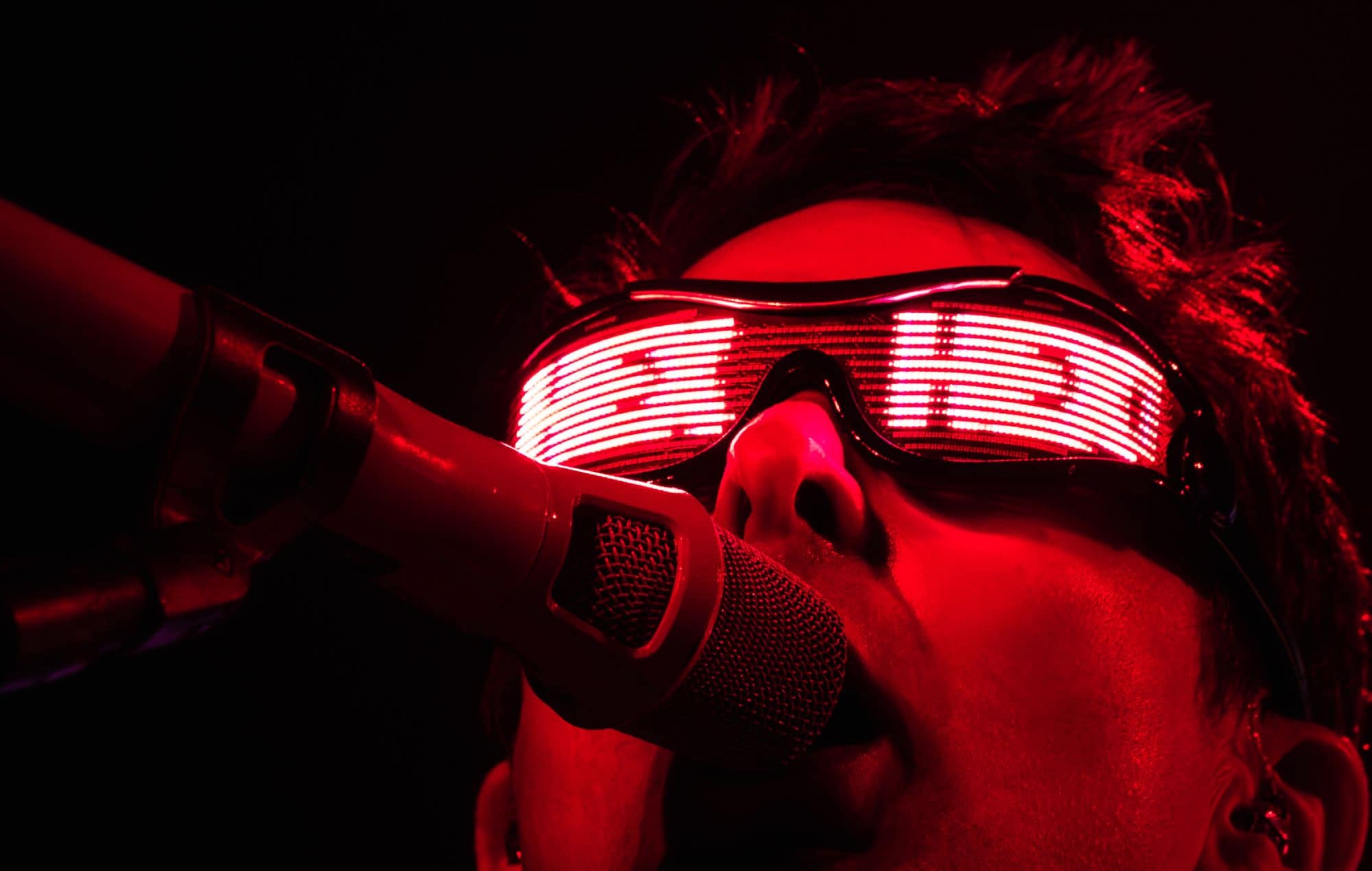
The band also dialed things back for “Undisclosed Desires,” giving the song a sleek, synth-pop treatment with a distinctly wave-along feel. “Starlight,” the first-set closer, continued that lighter touch, with Bellamy appearing in LED glasses and a glowing jacket. It was a wonderfully theatrical touch—equal parts arena-rock frontman and neon space captain.

A Finale Built for the Stars
After the main set, the band returned to mark the 20th anniversary of Black Holes and Revelations. The encore centerpiece, “Take a Bow,” supplied the almighty finish, while the visuals brought the night’s ambitious production to its conclusion.
Bellamy kept his between-song remarks fairly brief, limiting his speeches mostly to thanking the crowd and introducing the band. He did, however, note that this was around the 15th or 16th time Muse had played The O2. The group is apparently chasing Prince’s record of 21 shows at the venue.
“We’re gonna get there,” Matt Bellamy promised.
That little remark carried the easy confidence of a band that clearly expects to return. And if The O2 keeps providing enough room for robots, spaceships, moons, waveforms, and an army of lasers, who could blame them?
The Complete London Setlist
Muse played:
- “Hexagons”
- “The Sickness in You & I”
- “Unravelling”
- “Interlude”
- “Hysteria”
- “Cryogen”
- “Supermassive Black Hole”
- “The Dark Forest”
- “Kill or Be Killed”
- “Be With You”
- “Psycho”
- “Madness”
- “Plug In Baby”
- “Hanging in Victory Square”
- “Time Is Running Out”
- “Uprising”
- “Knights of Cydonia”
- “The 2nd Law: Isolated System” — Dan Lancaster remix
- “Nightshift Superstar”
- “Algorithm”
- “Undisclosed Desires”
- “Stranger Things Theme”
- “Starlight”
Encore:
- “Take a Bow”
The Spaceship Idea Finally Takes Shape
Before the tour began, Bellamy had described the group’s plans for the winter arena shows as an attempt to build a “spaceship.” The idea sounded ambitious from the start, especially after he explained that the proposed construction could cost more than some houses in Primrose Hill.
“We’re trying to build a spaceship—as you do,” Matt Bellamy said.
He explained that the group wanted to combine the design with new laser effects and push the band further into a space and science-fiction realm. Muse were even exploring whether the structure could fly, although Bellamy admitted that financial realities might make that impossible.
“I don’t think it will,” he said. “That’s the thing that costs more than a house, but it will be something cool, I promise.”
The finished production may not have literally lifted off, but with its floating stage, enormous waveform, Europa imagery, lasers, and robotic vocalist, the show certainly gave the impression that Muse had built the next best thing.
What Comes Next for Muse
The new album The Wow! Signal has been praised as the band’s strongest and most consistent release in two decades, with its personal subject matter offering a different angle on Muse’s usual cosmic scale. The London concert made that contrast work in the band’s favor: the songs felt more inward, while the production expanded outward into a full arena universe.
After the second London date, the 2026 UK and European arena tour is scheduled to continue through Berlin, Milan, Düsseldorf, La Défense, Amsterdam, Zürich, and Montpellier. In January 2027, Muse are set to visit Lisbon, Floirac, Madrid, and Valencia before headlining summer events at BST Hyde Park, Roundhay in Leeds, and Cardiff’s Blackweir Fields.
The O2 performance was only the beginning of this new chapter. If this is what the tour looks like at launch, the next transmission could be even stranger—and louder.
Conclusion
Muse’s Wow Signal concert balanced familiar anthems with a bold new visual universe. Between Ameca’s vocals, the Europa backdrop, the signal waveform, and the thunderous “Take a Bow” finale, the band proved that arena rock can still feel wonderfully weird. Which Muse song would you have wanted to hear inside that spaceship?
FAQ
- What was the Wow Signal?
The Wow Signal was a powerful, unexplained 72-second radio burst detected on August 15, 1977, from the direction of Sagittarius. Its strength and bandwidth led to speculation about a possible extraterrestrial origin. - Who was the robot at the London show?
The robot was named Ameca. During the concert, it appeared to operate a sound desk, sing parts of “Kill Or Be Killed” and “JFK,” and deliver the drill-sergeant introduction to “Psycho.” - Which album inspired the O2 production?
The concert was built around The Wow! Signal, using its space-themed imagery, including a representation of the signal waveform and a scene depicting Europa. - What song closed the main set?
“Starlight” closed the main set, with Matt Bellamy wearing LED glasses and a light-up jacket. - What song did Muse play during the encore?
The encore featured “Take a Bow,” performed as the finale and connected to the 20th anniversary of Black Holes and Revelations.
For a lasting piece of the night’s cosmic energy, browse your favorite album cover posters at Architeg Prints. A great music poster can keep the glow of a legendary show alive long after the final encore.
 | DISCOUNTGET 30% OFF*Use code on your next order:
|
* This post may contain affiliate links, meaning we earn a commission if you make a purchase through these links, at no additional cost to you.