Nick Cave Reflects on Wim Wenders’ Berlin Film Festival Remarks: “Great Art Exists Purely for Its Own Sake”

Nick Cave Reflects on Wim Wenders’ Berlin Film Festival Remarks: “Great Art Exists Purely for Its Own Sake”
Nick Cave thoughtfully responds to Wim Wenders’ take on politics in art, emphasizing the timeless essence of creativity beyond political agendas.
When Art Meets Politics: A Conversation That Struck a Chord
It’s rare to witness two creative titans from different realms—film and music—engage in a dialogue that resonates deeply with the artistic soul. Recently, Wim Wenders, the legendary arthouse director known for classics like Paris, Texas and Wings of Desire, shared his perspective as Jury President at the Berlin International Film Festival. His comments on the role politics should—or shouldn’t—play in art sparked lively debates.
Wenders boldly stated that filmmakers should “stay out of politics,” arguing that if movies become “dedicatedly political,” they enter the realm of politics directly. Instead, he believes artists serve as the essential counterweight, the antidote to political agendas, creating work for people rather than politicians.
This philosophy caught the attention of Nick Cave, the iconic singer-songwriter and poet, who penned a heartfelt response in his blog, The Red Hand Files. Cave, who has known Wenders for over four decades, shared how Wenders’ words “moved me deeply,” reaffirming his image as a “passionately principled, thoughtful, and courageous man” devoted to the creative world.
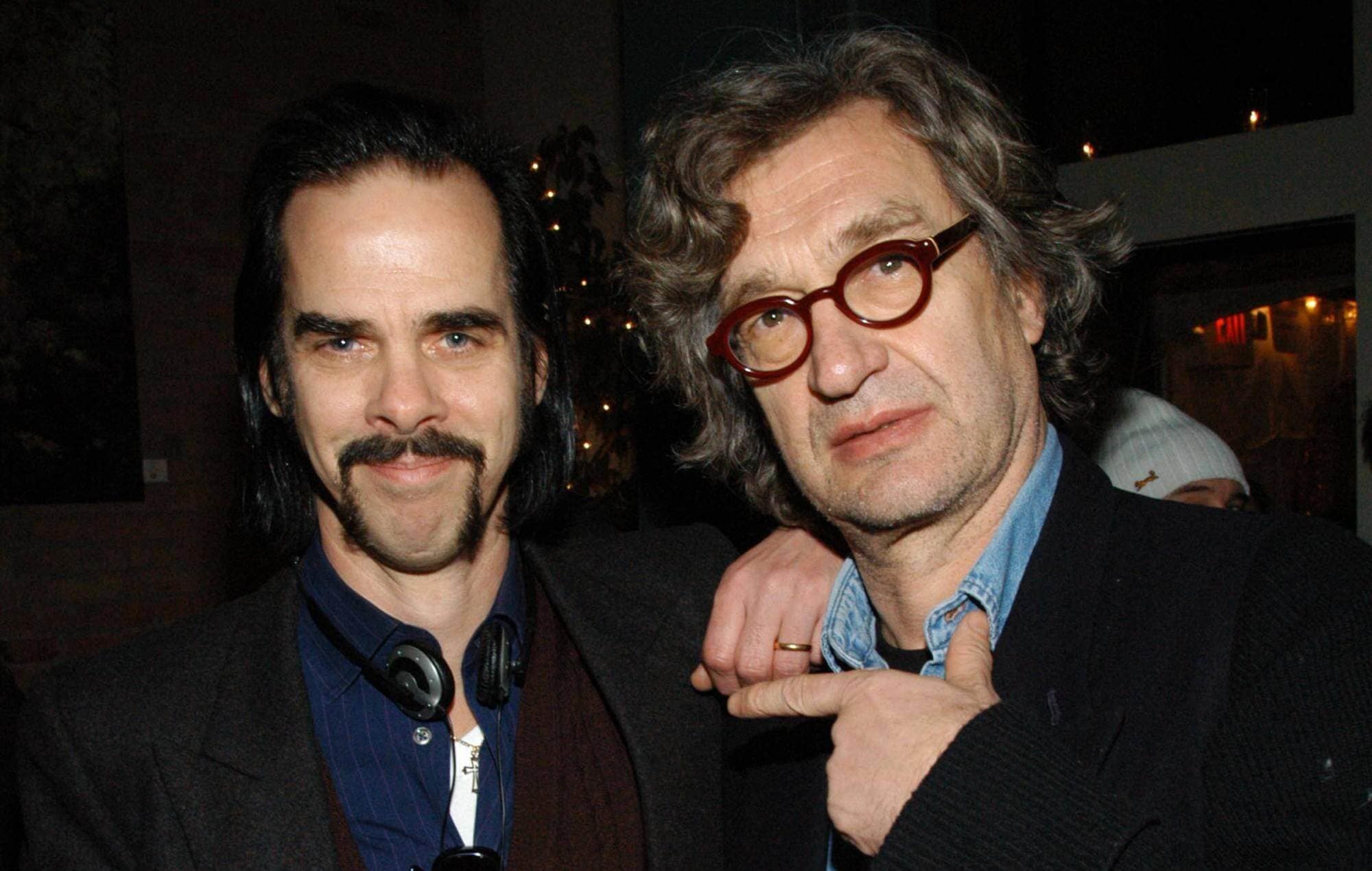
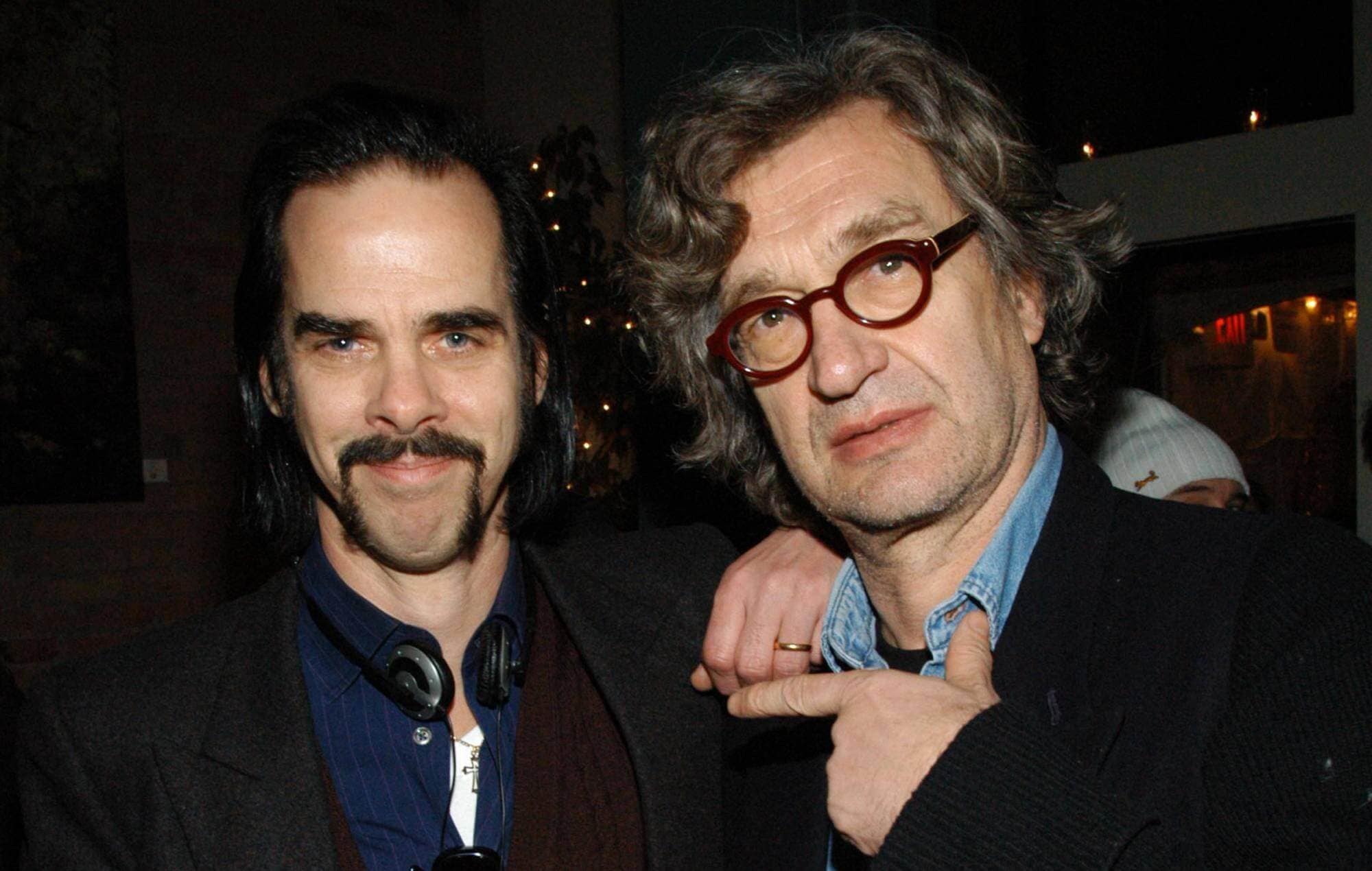
Nick Cave reflecting on Wim Wenders’ profound thoughts at the Berlin Film Festival.
Wenders’ Vision: Art as a Sanctuary Beyond Political Strife
Wenders’ stance wasn’t just a political statement—it was a protective embrace for artists and humanity alike. Cave interpreted his message as a “caring, gentle, and protective gesture,” reaching past the immediate controversies to touch the core of artistic freedom.
He suggested that Wenders might have been trying to shield the Berlinale from becoming yet another festival constrained by “a single monolithic ideology—one voice, one cause, one dissent.” The fear is that many cultural events risk narrowing the vast spectrum of creative imagination by succumbing to rigid political expectations.
Cave’s insight into Wenders’ viewpoint reveals a layered understanding: while acknowledging the power of art to highlight injustice, Wenders—and Cave himself—see art as more than a mere tool or weapon for political ends.
“Maybe he believes, as I do, that at its core, great art exists purely for its own sake—and that at its most transformative it reveals itself subtly, ambiguously, and curiously; that it is something we approach with awe and wonder...”
— Nick Cave
This idea—that art’s ultimate purpose transcends direct political utility—reminds us that art can humble and elevate us simultaneously. It seeps into our spirits, guiding us toward beauty, truth, and a deeper sense of humanity.
The Transformative Power of Art: Beyond Utility
Cave eloquently described art’s profound impact on us: it “broadens our understanding of the world and our own place within it.” Art grants us permission to love, laugh, cry, and marvel at the world’s wonders—reminding us, as Cave puts it, “that life is worth living.”
This philosophy echoes throughout Cave’s own body of work, where the emotional and existential often intertwine, defying straightforward political classification.
Adding to the conversation, Cave has often shared his nuanced views on the intersection of art and politics. In a 2023 interview, he reflected on the curious correlation between “transgressive and bad behaviour and good art.” His words challenge the simplistic notion that virtue equals quality:
- “It’s no accident that the really great stuff is often made by the most problematic people.”
- “There’s certainly no metric that says that virtuousness makes good art.”
This candid acknowledgment shines a light on the messy, human complexity behind some of the most compelling creations. Cave’s stance is clear: cancel culture, with its sometimes harsh judgments, risks snuffing out essential voices that the world needs right now.
Nick Cave’s Balanced Stance on Politics and Creativity
Cave has never shied away from expressing that he exists “neither on the left nor on the right.” He finds both extremes “unrecognisable” and advocates for openness to opposing ideas, viewing such dialogue as a vital tool to “liberate the soul of our world.”
His critique extends to modern cultural movements as well. In a 2024 interview, Cave criticized woke culture for its “lack of mercy” and “lack of forgiveness,” highlighting how intolerance can stifle meaningful conversation and growth.
Interestingly, Cave also revealed his personal approach to songwriting, explaining why he avoids embedding direct political messages in his lyrics. For him, politics simply isn’t “what I do.” His art seeks a broader human connection, not a narrow political statement.
A Lasting Friendship and Shared Respect
The interaction between Cave and Wenders is more than a public exchange—it’s a testament to a long-standing friendship, mutual respect, and shared dedication to the art of storytelling in all forms.
Through Cave’s response, we get a glimpse of two artists grappling with the role of art in an increasingly polarized world. Their conversation invites us to reflect on how art can both engage with and transcend politics, encouraging a more expansive view of creativity.
FAQ
- How does Wim Wenders view the role of politics in film?
Wenders believes filmmakers should avoid making films that are overtly political to maintain art as a counterweight to politics, focusing on creating for people, not politicians. - What is Nick Cave’s perspective on the relationship between art and politics?
Cave acknowledges art’s power to raise awareness of injustices but emphasizes that great art exists beyond political utility, serving a deeper purpose. - Why does Nick Cave avoid political themes in his music?
Cave feels politics is not his domain in songwriting and prefers his music to connect on a purely human and emotional level rather than as a political statement. - How does Cave view cancel culture in relation to art?
He worries cancel culture threatens the need for diverse, challenging, and “good stuff” in art by overly penalizing creators for their personal flaws or controversial behavior. - What shared values do Cave and Wenders hold about art?
Both see art as a profound, transformative force that humbles, enlarges the heart, and reminds us of life’s worth beyond political or ideological confines.
If you’re inspired by the timeless power of art and creativity, why not bring a piece of that magic into your space? Shop your favorite album cover posters and celebrate the artistry that moves us all at Architeg Prints.
 | DISCOUNTGET 30% OFF*Use code on your next order:
|
* This post may contain affiliate links, meaning we earn a commission if you make a purchase through these links, at no additional cost to you.