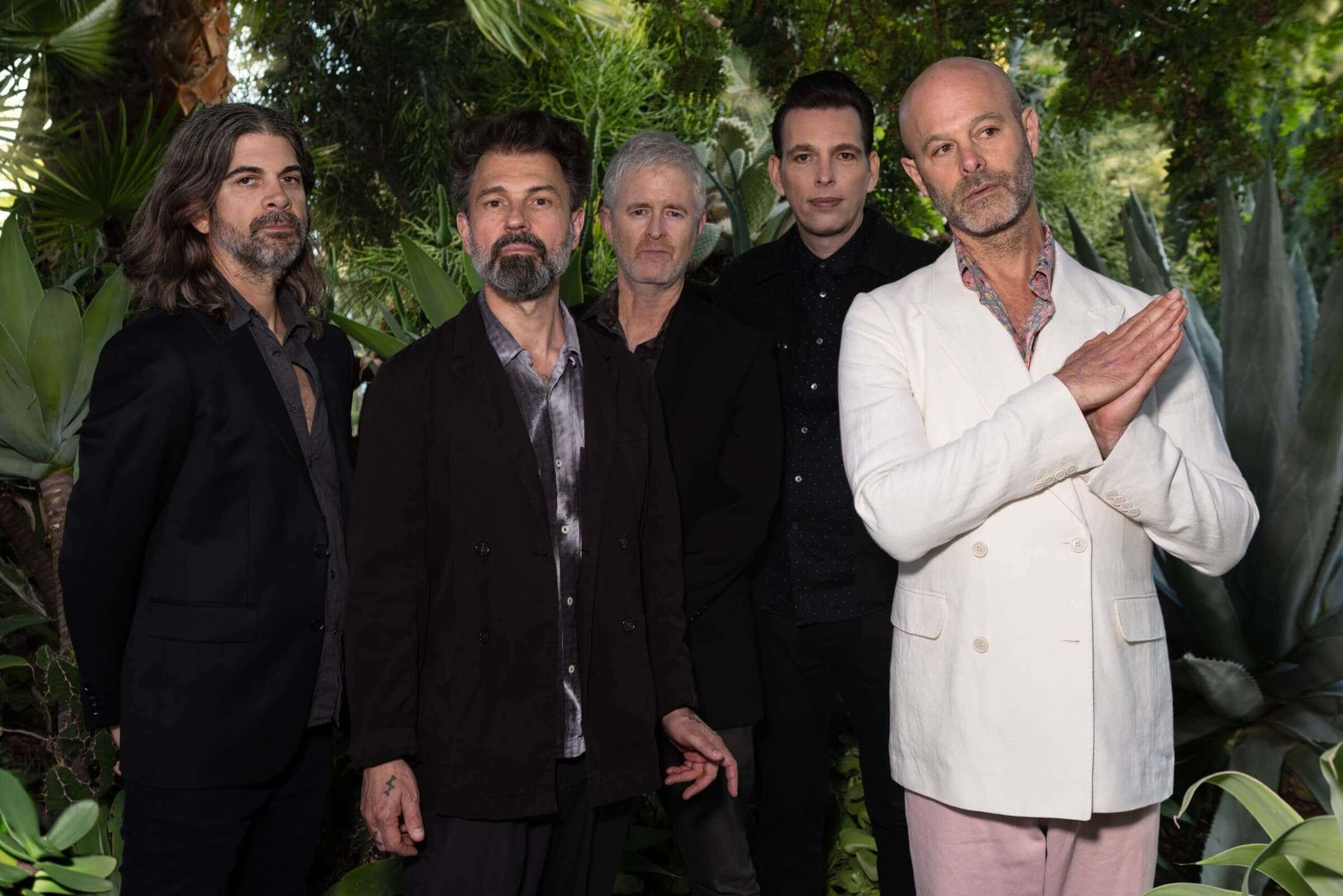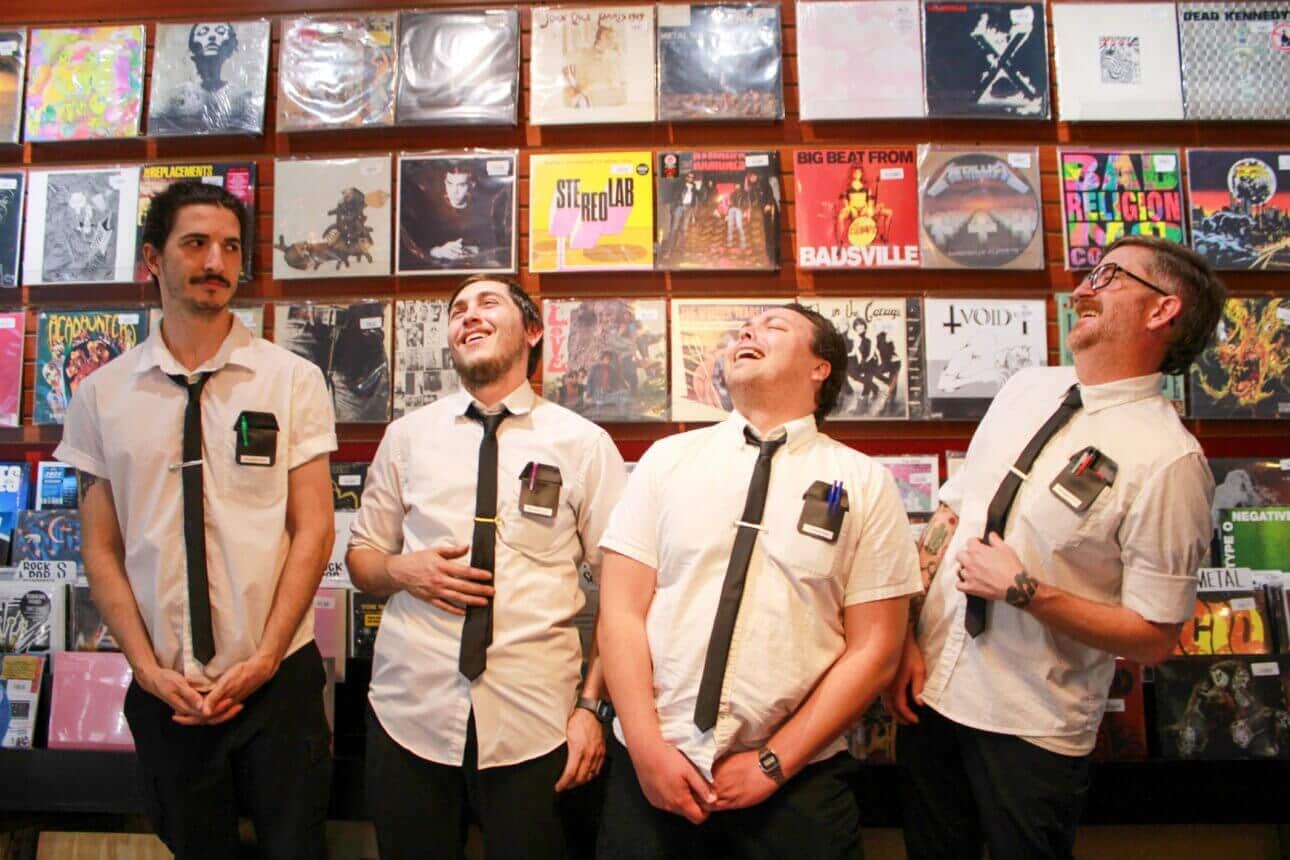
Panchiko’s Chimera: Inside Their Authentic Connection With New Fans

Panchiko’s Chimera: Inside Their Authentic Connection With New Fans
Panchiko Chimera marks a bold new chapter, blending indie rock, hip-hop, shoegaze, gaming culture, and an honest bond with younger listeners.

A Forgotten Demo Finds a Second Life
Some bands spend years chasing a moment. Panchiko stumbled into theirs decades later, when a forgotten demo suddenly became the soundtrack to a new generation’s internet-fueled music discovery.
The Nottingham indie group originally disbanded in 2000, after releasing their now-beloved demo EP D>E>A>T>H>M>E>T>A>L. Sixteen years later, a rare copy appeared in a charity shop and was posted online, sparking curiosity among listeners who had no idea where the mysterious record came from.
The band members were eventually tracked down in 2020. The twist? They had been completely unaware that their old recordings had developed a passionate cult following.
That unexpected rediscovery led to a reunion and a remarkable second act. Panchiko released Ferric Oxide, a collection of previously unreleased demos, in 2020. Two further albums followed: 2023’s Failed at Math(s) and 2025’s Ginkgo. What began as an old musical time capsule had become a living, breathing band again.
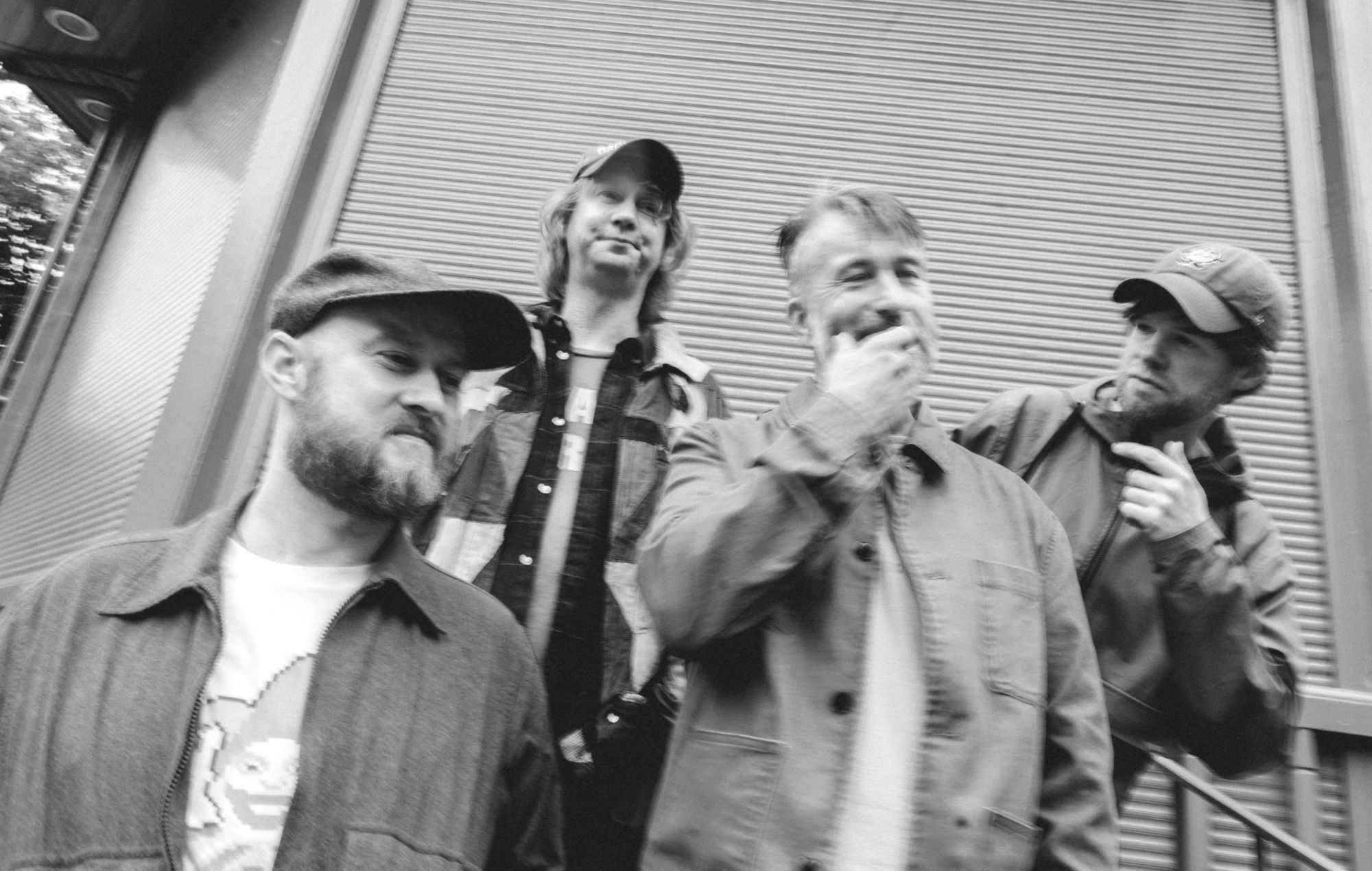
Chimera Brings the Live Band Into Focus
Now Panchiko are preparing Chimera, an album scheduled for release on April 9, 2027. The record features an unusually broad guest list, including rapper Billy Woods, Abby Sage, Cotillon, Clarion, Hugh Pascall, Korea Girl, CJ’s Mirra Maze, and Lula Nova.
The album keeps Panchiko’s recognizable collision of indie rock, hip-hop, and shoegaze intact. It also continues their long-standing interest in video games, anime, technology, and the strange cultural fragments that make their music feel so distinctly theirs.
But Chimera isn’t simply a return to the past. Guitarist and keyboard player Andy Wright says the new songs were shaped by the band’s experience on the road. Instead of writing in isolation and figuring out the live arrangements later, Panchiko approached the material with the stage already in mind.
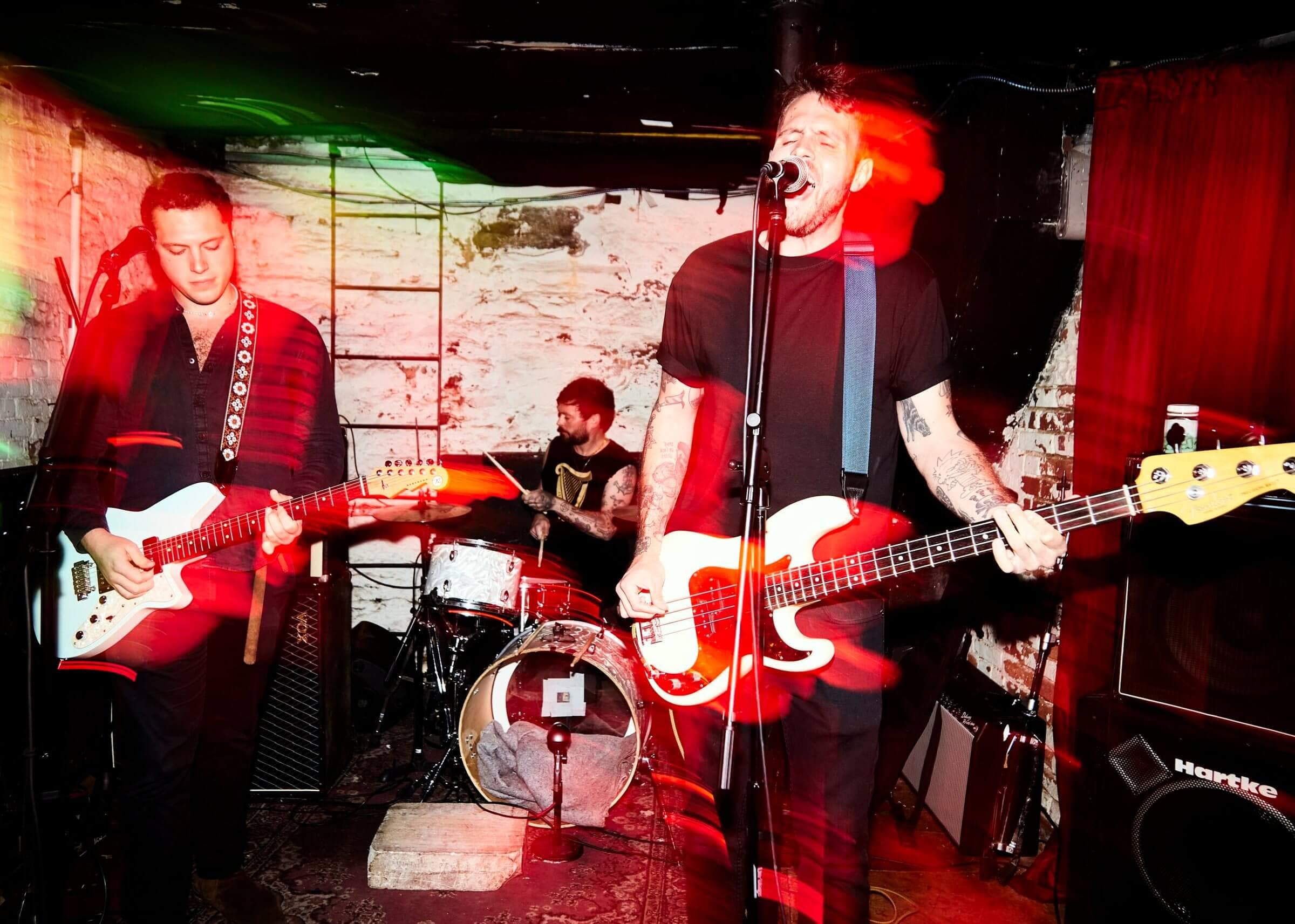
Frontman Owain Davies explained that the group wanted the songs to reflect how Panchiko had developed as a live act. Touring had changed the way they understood their own music, particularly through the direct relationship formed with audiences at shows.
“You can see a load of numbers online,” Davies said, “but when you’re lucky enough to have people come to your shows and you get to play to them, it’s amazing.”
That distinction matters. Streaming statistics can tell a band how many people pressed play, but they can’t quite capture the electricity of a room moving together. Anyone who’s stood in a packed venue while a favorite chorus erupts knows the difference. Panchiko wanted Chimera to carry some of that intensity.
“Day One” Crashes Hip-Hop Into Post-Punk
The album’s scale comes into sharper focus on “Day One,” an expansive new single featuring Billy Woods. The track brings hip-hop crashing into post-punk, with Panchiko’s atmospheric edges giving way to Woods’ highly individual lyrical approach.
Davies praised the rapper’s unmistakable writing style, saying Woods took the song somewhere the band would not have reached on their own. That was precisely the point of the collaboration: not to decorate a finished Panchiko song, but to let another artist bend its shape.
When a collaboration works, you can hear the moment the original blueprint starts to warp. “Day One” appears designed to live in that thrilling space between control and surprise.
From Anime References to an AI Apocalypse
Panchiko’s earlier material leaned heavily into anime, cult media, and niche references. Those ingredients haven’t disappeared from Chimera, but the band’s lyrical focus has widened.
Davies said the new songs touch more directly on technology and the anxieties surrounding it, including the idea of an artificial intelligence apocalypse. That sounds considerably heavier than a passing video game reference, though Panchiko still aren’t abandoning their playful side.
There will still be the occasional game nod tucked into the songs. Davies sees that continuity as important because it preserves something essential from the band’s beginnings. The difference is that references once considered obscure now sit comfortably inside mainstream culture.
He noted that it used to feel unusual to mention certain anime or gaming influences in music. Today, those subjects appear everywhere, from entertainment coverage to everyday conversation. The once-niche has become familiar territory.

Writing for Themselves, Not an Imagined Audience
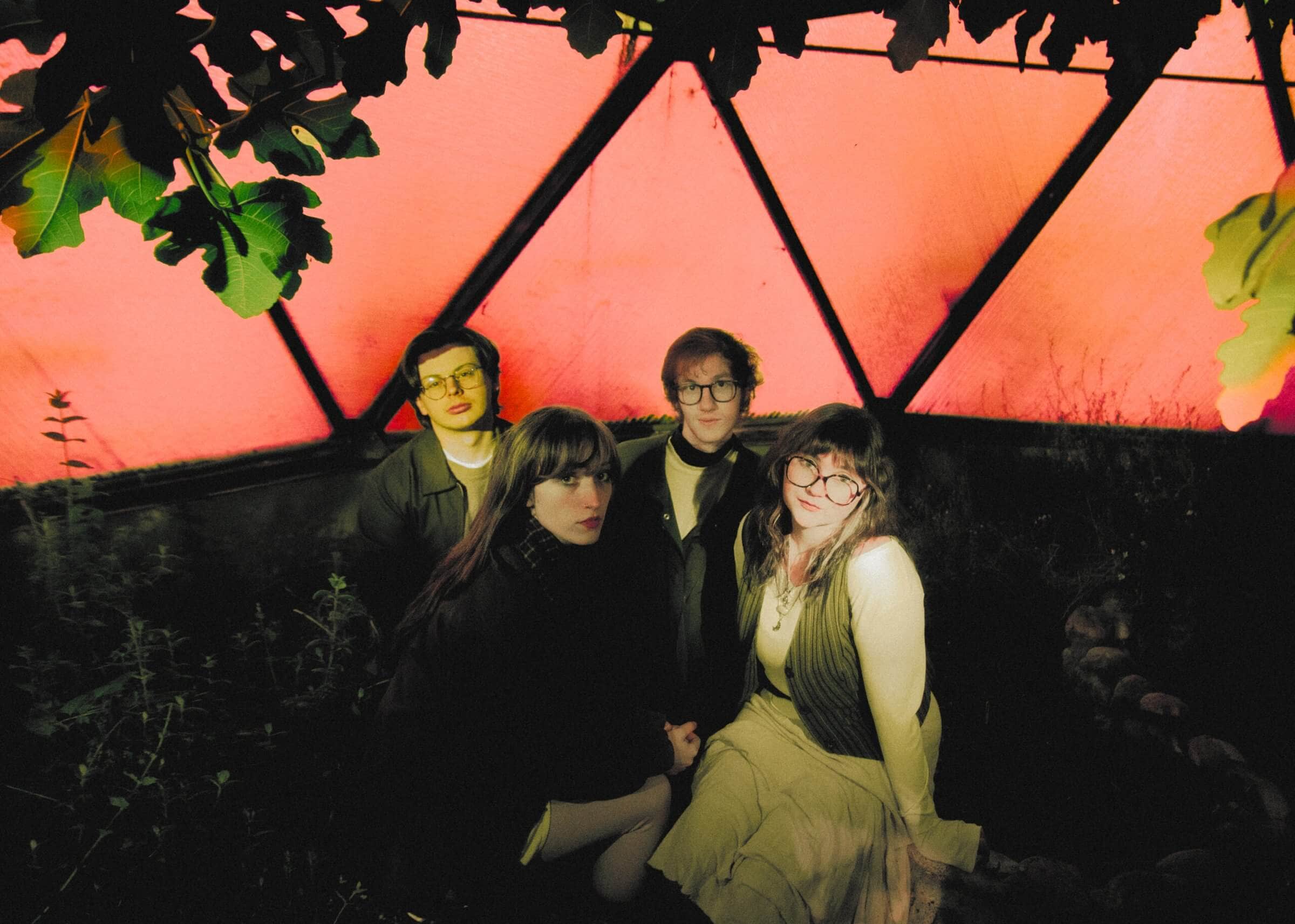
Panchiko occupy an unusual position. Their original music was created by teenagers, then embraced years later by listeners who are often much younger than the band members are now.
That could create a temptation to recreate the past or write toward an imagined 18-to-20-year-old audience. Wright doesn’t believe that would be honest. Trying to guess what someone else wants can make songwriting stiff, cautious, and overworked—the musical equivalent of checking the mirror every three seconds.
“I don’t think the standpoint of thinking about what somebody else might like is a good place to be writing from,” Wright said. “You’d see right through it.”
Instead, Panchiko focus on making songs that affect them first. Davies believes that approach is part of why their older music connected so strongly. The appeal was never only the anime references or odd cultural details. It was the emotion underneath: anxiety, loss, nostalgia, and the feeling of trying to make sense of a confusing world.
Davies wants each song to capture a particular moment or emotional state. If listeners recognize themselves in that feeling, the connection happens naturally.
Wright added a wonderfully human reminder: “We still have feelings, even though we’re 44. We’ve still got them, they’re just harder to find!”
Why the Video Game Spirit Still Matters
The band’s gaming references remain alive and well, but they aren’t being used as a costume. Davies says the interests and foundations that shaped Panchiko in the beginning are still there.
That honesty is crucial. Panchiko aren’t pretending they’ve remained frozen in their teenage years, nor are they trying to erase that version of themselves. They’ve grown older, developed new concerns, and gathered different anxieties, while still enjoying many of the same cultural touchstones.
Were they ahead of their time? Davies is cautious about claiming that. He suggests Panchiko may simply have been unusually niche, with social media eventually creating a path for listeners to find music that might otherwise have remained hidden.
The band’s early songs weren’t built around timeless subjects such as love, jealousy, or everyday life. They were trying to do something that hadn’t already been done in quite the same way. That sense of experimentation, including the awkward bits, became part of the charm.
A Younger Audience Can Be Wonderful—and Intimidating
For many bands, the usual pattern is a young group attracting older listeners. Panchiko have experienced the reverse: a band whose members are now in their forties playing to a sea of younger fans.
Wright admits that it can make him nervous, but he also finds it extraordinary. The band still sets up its own equipment before shows, which gives them a chance to meet some audience members before the performance begins.
That small detail says a lot about Panchiko’s relationship with their fans. There’s no huge wall between the musicians and the people who came to see them. Sometimes the connection starts before the lights go down, with cables, amplifiers, and a quick conversation near the stage.
Davies finds the emotional side of it more complicated. Panchiko wrote their earliest songs as teenagers, when their anxieties and frustrations felt immediate. Now they watch younger listeners respond to those same emotions with extraordinary intensity, even though the band members no longer experience them in exactly the same way.
Still, the response remains deeply moving. Fans have told Panchiko that the music helped them through difficult moments, with some even saying it saved their lives. Davies is careful not to take credit for someone else’s survival. He believes people ultimately find their own way through hardship, while recognizing that a song can offer companionship during the journey.
The Power of Doing Things Yourself
Panchiko have continued to embrace a DIY approach to writing and recording, and Wright sees that independence as central to their bond with listeners.
For him, honesty can disappear quickly when an artist becomes too removed from the work. Audiences notice when something feels overly managed or manufactured.
“The kids aren’t silly sausages. We might not be a lot of things to a lot of people, but we’re doing our best to make an authentic connection, and I think people can tell.”
— Andy Wright
It’s a wonderfully odd phrase, but the sentiment is serious. Panchiko don’t want to perform authenticity as a marketing strategy. They want the music, the live shows, and the way they interact with fans to feel like a genuine extension of who they are.
Why D>E>A>T>H>M>E>T>A>L Still Matters
Wright still loves D>E>A>T>H>M>E>T>A>L, perhaps even more now that time has placed some distance around it. The band had forgotten the EP existed in the wider world, only to see it become the bridge connecting them with a new audience.
Davies views the record as an honest document of youth: imperfect, enthusiastic, rule-free, and full of ideas that might not have survived a more cautious creative process.
Some listeners adore it. Others dislike it. Some have even questioned whether it was real, while others have embraced it completely. To Panchiko, that strong reaction is preferable to indifference.
Davies described the EP as a “magical beast” that continues to live independently. It preserves the band as they were, mistakes and all. There’s no attempt to polish away the rough edges. The imperfections are part of the history.
That may be why the record remains so compelling. It doesn’t sound like a carefully assembled monument to the past. It sounds like someone opening a box and saying, “Here it is,” complete with every strange, charming, unguarded detail.
What Comes Next for Panchiko
The group’s schedule is already crowded. Panchiko have announced another tour, with an autumn run also planned, and Davies hinted that a festival appearance or two could join the calendar.
Then there’s Chimera, the album that brings together the band’s past influences and present-day momentum. It promises to retain the atmospheric indie rock, hip-hop, shoegaze, technology, and gaming references that define Panchiko, while placing greater emphasis on what the group has become as a live band.
That’s a lot to juggle, but Wright’s verdict is simple: it’s going to be great.
Chimera is scheduled for release on April 9, 2027, via Nettwerk.
Panchiko’s story is a reminder that music can hide in plain sight for years before finding the people who need it. From an overlooked demo to a new album built around live connection, Chimera sounds like the next step in a journey that was never meant to happen this way. Which Panchiko song first pulled you into their wonderfully strange world?
FAQ
- What is Panchiko’s new album called?
The new album is titled Chimera and is scheduled for release on April 9, 2027. - What kind of music does Panchiko make?
Panchiko blend indie rock, hip-hop, shoegaze, post-punk textures, and influences from video games and anime. - Who features on Chimera?
The album includes guests such as Billy Woods, Abby Sage, Cotillon, Clarion, Hugh Pascall, Korea Girl, CJ’s Mirra Maze, and Lula Nova. - Why did Panchiko gain a new audience years after breaking up?
Their old demo EP was rediscovered after a rare copy appeared in a charity shop and was shared online, leading listeners to search for the band. - What does Panchiko think about their early EP?
The band remains proud of D>E>A>T>H>M>E>T>A>L and values its youthful honesty, imperfections, and role in connecting them with new fans.
If Panchiko’s mix of nostalgia, strange details, and heartfelt songwriting has a place in your record collection, browse a favorite album cover poster at Architeg Prints.
 | DISCOUNTGET 30% OFF*Use code on your next order:
|
* This post may contain affiliate links, meaning we earn a commission if you make a purchase through these links, at no additional cost to you.