Radiohead’s Jonny Greenwood on Why Music and Art Should Rise Above Politics



Radiohead’s Jonny Greenwood on Why Music and Art Should Rise Above Politics
Jonny Greenwood shares his heartfelt views on how music and art transcend political divides, reflecting on controversy and creative collaboration.
Music Beyond Politics: A Delicate Balance
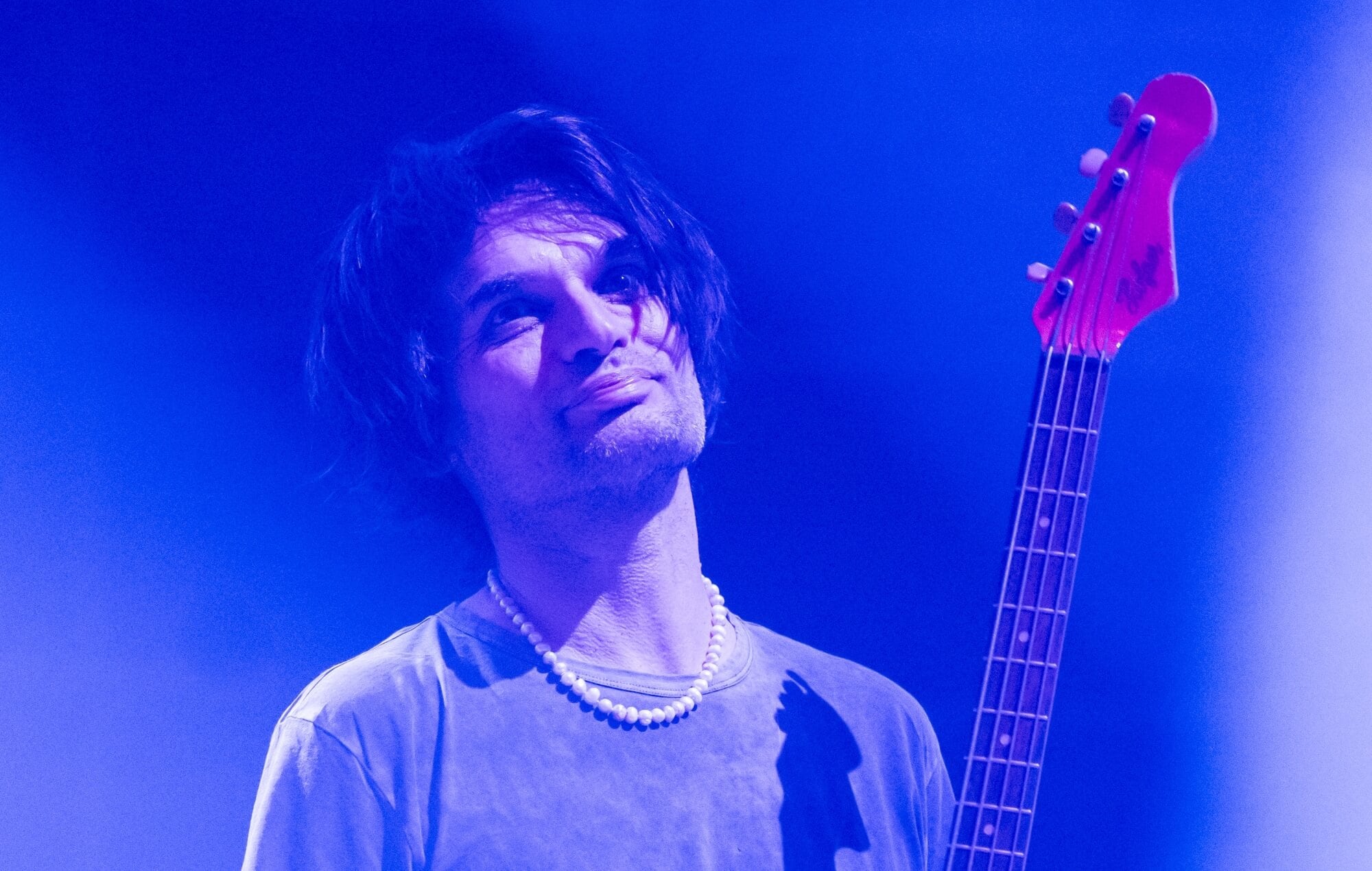
There’s something deeply stirring when a musician steps up to remind us that art—especially music—should soar above the messy, often divisive world of politics. Radiohead’s Jonny Greenwood, the band’s brilliant guitarist and composer, recently opened up about this very topic, reflecting on the challenges and controversies their band has faced regarding political boycotts.
Fans and activists alike might recall the uproar last year when pro-Palestinian groups, including the Boycott, Divestment and Sanctions (BDS) movement, called for a boycott of Radiohead’s tour. The controversy stemmed from the band’s 2017 concert in Israel—a performance that some interpreted as a political stance or a “complicit silence” amid a highly charged geopolitical climate. An independent United Nations inquiry had described the situation in Gaza as a genocide, a claim Israel strongly denies, fueling the debate even more.
When Greenwood recently spoke to The Times about these tensions, his words were measured and thoughtful: “I think music and art should be above and beyond political concerns.” That statement holds weight, especially when you consider his own work. He brought together Israeli, Iraqi, Egyptian, and Syrian musicians for his 2023 album, Jarak Qaribak. This collaboration alone challenges the idea that politics should dictate artistic partnerships.
“If I’m supposed to stop working with musicians because I dislike their governments then I wouldn’t work with any of them. The fact is, what defines us as musicians isn’t our nationalities. But that point doesn’t seem to get through.” — Jonny Greenwood
Personal Ties and Artistic Collaborations Amid Conflict
Greenwood’s perspective isn’t just abstract philosophy; it’s deeply personal. He’s married to Israeli artist Sharona Katan, whose nephew served in the Israeli Defense Forces and tragically lost his life two years ago. Music is entwined with Greenwood’s family and personal experiences, highlighting why he resists letting politics shape his artistic choices.
One of Greenwood’s close collaborators is Israeli singer Dudu Tassa. Their musical partnership has been vibrant and heartfelt, yet last year’s UK concerts had to be canceled due to protests from BDS supporters—a move Greenwood described as “self-evidently a method of censorship.” It’s hard not to feel the tension between artistic expression and political activism when concerts become battlegrounds for ideological disputes.
Music as a Bridge for Peace
Despite the turbulence, Greenwood and Tassa’s performances carry a resounding message of peace and unity. During their 2024 show in Israel, just a day after Greenwood reportedly joined protests advocating for hostage releases and new elections, they stood firm in their belief that music transcends political divides.
Tassa expressed it beautifully: “There are musicians here, not politicians. Music has always worked wonders, may we know better days and may everyone return safely.” It’s a plea that resonates universally, reminding us all how melodies and rhythms can unite where words often fail.
Thom Yorke’s Stand: From the Stage to Social Media
Greenwood isn’t the only Radiohead member to confront political backlash. Frontman Thom Yorke faced a dramatic moment in Melbourne during a solo show when a pro-Palestinian protester interrupted his performance. Yorke didn’t shy away; instead, he invited the protester onto the stage, urging them to speak openly rather than hide in the crowd.
His response underscored the frustrations musicians feel about being caught between their art and political expectations. He later voiced his shock that his silence was misconstrued as complicity. Yorke has been vocal about how “social media witch-hunts” can distort intentions and sow division, a critique that echoes Greenwood’s sentiments about the impossible position artists often find themselves in.
In an even firmer stance last October, Yorke declared Radiohead would “absolutely not” return to Israel, expressing his disdain for the political regime there and confessing that the “witch-hunt” over the band’s position keeps him awake at night.
Greenwood added poignantly, “The left look for traitors, the right for converts and it’s depressing that we are the closest they can get.” The weight of public scrutiny is evidently heavy when a band’s every move is dissected through political lenses.
Thom Yorke Melbourne Show 30th October #radiohead #thomyorke
Radiohead’s Triumphant Return: Music Still Shines
Amid all the controversy, Radiohead’s first tour in seven years last year was a testament to their enduring artistry. Performing 20 concerts across major European cities—Madrid, Bologna, London, Berlin, and Copenhagen—the band delivered unforgettable experiences to thousands of fans.
The London shows at The O2 were especially electric. The energy was visceral, the visuals tastefully spectacular, and frontman Thom Yorke embraced full rockstar mode, moving around the venue to connect with every corner of the crowd.
A glowing five-star review from a respected critic summed it up perfectly: “What a show: a visceral energy, a tasteful spectacle, all delivered with a generosity of spirit… For a band once embarrassed by the notion of ‘arena rock’, nobody does it better.”
Fans are already buzzing for a new album and more nights like these, proving that Radiohead’s music continues to transcend not only politics but also time itself.
Wrapping It Up: Art’s True Power
Jonny Greenwood’s reflections remind us that music and art carry a unique power—one that can and should rise above political divides. Whether collaborating with artists from contentious regions or standing firm in the face of boycotts and protests, Radiohead’s journey illustrates the challenge and necessity of keeping art open, inclusive, and above all, human.
The band’s story invites us to ponder: can music truly be a universal language that bridges differences? And if so, how do we protect that sacred space from being hijacked by political agendas?
FAQ
- What controversy did Radiohead face regarding their 2017 Israel performance?
Pro-Palestinian activists, including the BDS movement, called for a boycott of Radiohead due to the band’s show in Israel and perceived silence on the Gaza conflict. - How does Jonny Greenwood view the relationship between music and politics?
Greenwood believes music and art should exist above political concerns and that artists should not be judged by the politics of their governments. - Who is Dudu Tassa and what is his connection to Jonny Greenwood?
Dudu Tassa is an Israeli singer who collaborates with Greenwood. Their UK concerts were canceled amid protests, highlighting the challenges of blending art and politics. - What happened during Thom Yorke’s Melbourne show involving a protester?
A pro-Palestinian protester interrupted Yorke’s set, prompting Yorke to challenge them to speak openly on stage rather than from the crowd. - Will Radiohead perform in Israel again?
Thom Yorke has stated that Radiohead will “absolutely not” return to Israel, expressing strong opposition to the current political regime.
For those inspired by Radiohead’s artistic journey and the power of music beyond politics, why not bring that spirit home? Shop your favorite album cover posters and celebrate iconic music moments at our store here.
 | DISCOUNTGET 30% OFF*Use code on your next order:
|
* This post may contain affiliate links, meaning we earn a commission if you make a purchase through these links, at no additional cost to you.