Reviving Vintage Sound: Pilot Radio Launches Their 1959 Tube Amplifier Revival


 See more Architeg Prints stories on Google.
Reviving Vintage Sound: Pilot Radio Launches Their 1959 Tube Amplifier Revival
Step into timeless audio bliss with Pilot Radio's revived tube amplifier, blending classic 1959 design and modern craftmanship.
A Sonic Time Machine: Introducing the Pilot Radio 232
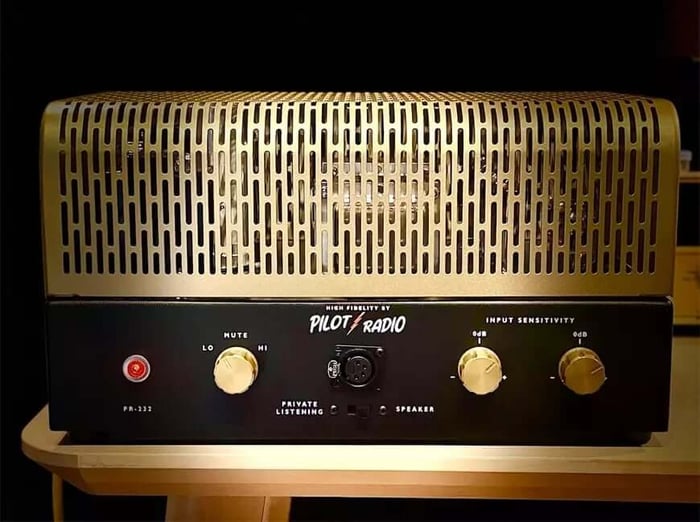
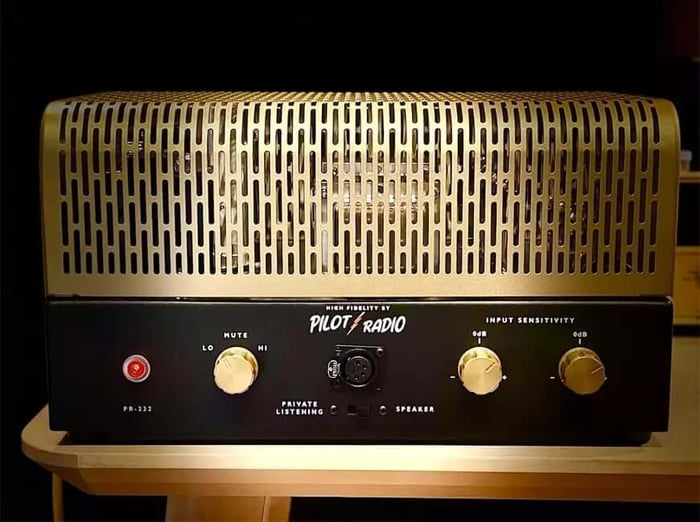
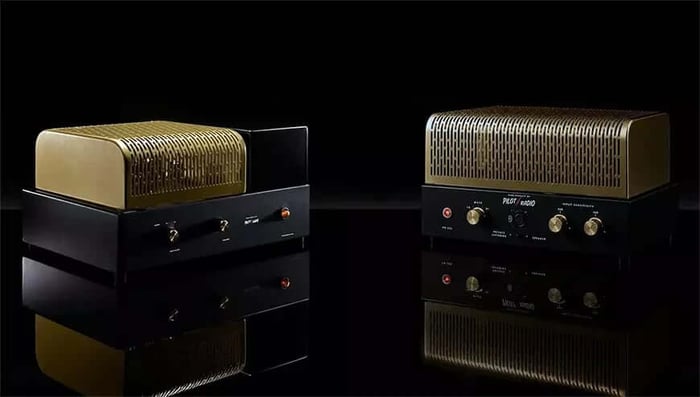
Imagine catching a wave of pure, warm sound that harks back to the golden age of audio. That’s exactly what the American company Pilot Radio delivered at the Southwest Audio Fest in Dallas. Their latest release, the Pilot Radio 232 stereo tube power amplifier, is a love letter to the past, priced at $4,790 and built on the legendary "Curtain of Sound" circuit originally crafted in 1959.
This modern reissue isn’t just a nostalgic nod—it was carefully redesigned by Damon Coffman of Coffman Labs, with manufacturing set up in Portland and Dallas. It’s a resurrection of a classic, with all the authenticity of the original but precision-tuned for today’s discerning audiophile.
Heritage Meets Heart: The Family Revival of Pilot Radio
What makes this comeback even more special is the story behind it. Barak Isidor Epstein, the great-grandson of Isidor Goldberg—the founder of Pilot Electric Manufacturing Company—has taken the helm in reviving the brand. This isn’t just some corporate reboot; it’s a heartfelt family legacy reborn.
Pilot Radio vanished from the market for several decades but returned in 2025, standing firmly on its original innovative roots. Epstein’s stewardship ensures that this isn’t a mere rebranding but a true continuation of the family’s century-old passion for high-fidelity sound.
Under the Hood: What Powers the Pilot Radio 232
The Pilot Radio 232 runs on EL84 output tubes, delivering 15 watts per channel in pure Class A operation—a setup known among audiophiles for its exceptional warmth and musicality. The amplifier’s soul is enriched with custom-made transformers from the USA, vintage oil-paper capacitors, and painstaking hand-wired “point-to-point” construction.
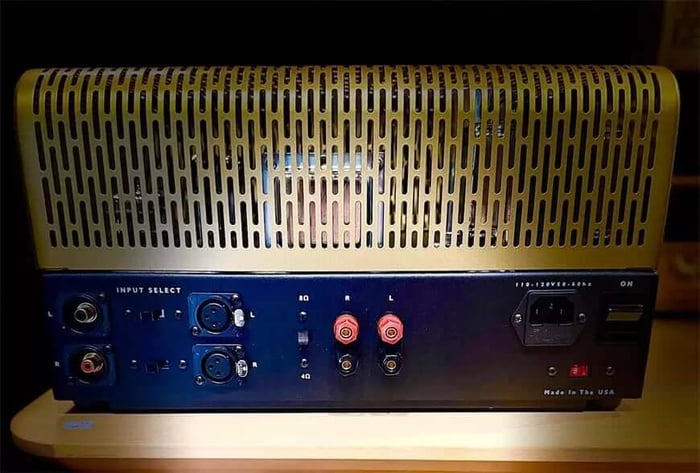
Speaker connections accommodate 4 and 8-ohm loads, but with a modest wattage, this amp pairs best with speakers boasting 90 dB sensitivity or higher and relatively flat impedance curves. Think of brands like DeVore Fidelity, Klipsch Heritage, Audio Note, Omega, and PureAudioProject as ideal companions. If you own low-sensitivity floorstanders, Magnepan speakers, or need to fill a large room, this amp might not quite hit the mark in power.
Features That Delight: Inputs, Controls & A Rare Headphone Output
The amplifier is well-equipped with unbalanced RCA inputs and balanced XLR connectors. The balanced XLR input directly feeds into a differential amplification stage, promising pristine, noise-free sound. Each channel is graced with its own sensitivity and balance controls for fine-tuning your listening experience.
A unique feature that caught my ear is the four-pin balanced XLR headphone output located on the front panel—a rarity in stereo tube power amps. This lets you indulge in high-fidelity headphone listening with tube warmth, though the company has yet to reveal full technical specs like output power, impedance, or recommended load range for headphones.
This leaves some mystery around compatibility with demanding planar-magnetic headphones like models from HIFIMAN or Audeze, but the inclusion alone shows Pilot Radio’s commitment to versatility.
A Proud Legacy: The Story of Pilot Electric Manufacturing Company
The tale of Pilot Radio is steeped in rich history. Founded in Brooklyn in 1919, the company originally crafted radios, shortwave equipment, TVs, theater electronics, and Hi-Fi gear. By 1952, it had fully committed to high-quality sound equipment, fostering innovation led by Sid Smith and Dick Sequerra, who later made names at Marantz.
Unfortunately, in 1962, the company was sold, and within a decade, the Pilot brand quietly disappeared from the market. Fast forward to today, and Barak Epstein’s revival effort not only honors this heritage but brings it roaring back to life with modern precision.
Pilot’s Modern Lineup and Pricing
Besides the Pilot Radio 232 amplifier, the brand now offers a tube preamplifier called the Pilot Phono and Line Preamplifier, starting at $3,590. Together, a full Pilot setup will run you a minimum of $8,380—excluding cables and spare tubes—but it’s an investment in sonic purity and craftsmanship.
The Pilot Radio 232 is currently available directly from the manufacturer and select dealers across the US and Canada, giving audiophiles access to this beautiful slice of audio history.
Pilot Radio’s revival is not just a brand comeback but a family’s heartfelt tribute to timeless sound. – Barak Isidor Epstein
Did the Pilot Radio 232’s vintage charm and boutique craftsmanship get you dreaming of your next hi-fi upgrade? Which classic features would you love to see resurrected in modern audio gear?
FAQ
- What tubes power the Pilot Radio 232?
The amplifier uses EL84 output tubes known for their warm and musical sound character. - Is the Pilot Radio 232 suitable for large rooms?
With 15 watts per channel, it’s best paired with sensitive speakers and smaller listening spaces rather than large rooms or low-sensitivity floorstanders. - Does the amp have balanced inputs?
Yes, it features both unbalanced RCA inputs and balanced XLR inputs for high-quality signal transmission. - Can I use headphones with the Pilot Radio 232?
Absolutely. It includes a rare four-pin balanced headphone output, though detailed specs on headphone compatibility are still pending. - What is the story behind the brand’s revival?
The company was brought back by the great-grandson of the original founder, continuing a family legacy rooted in the golden age of audio engineering.
If you’re inspired by the Pilot Radio 232 and its classic design, why not bring a piece of musical history into your space? Shop your favorite album cover posters and more at our store for the perfect vibe: Architeg Prints.
 | DISCOUNTGET 30% OFF*Use code on your next order:
|
* This post may contain affiliate links, meaning we earn a commission if you make a purchase through these links, at no additional cost to you.