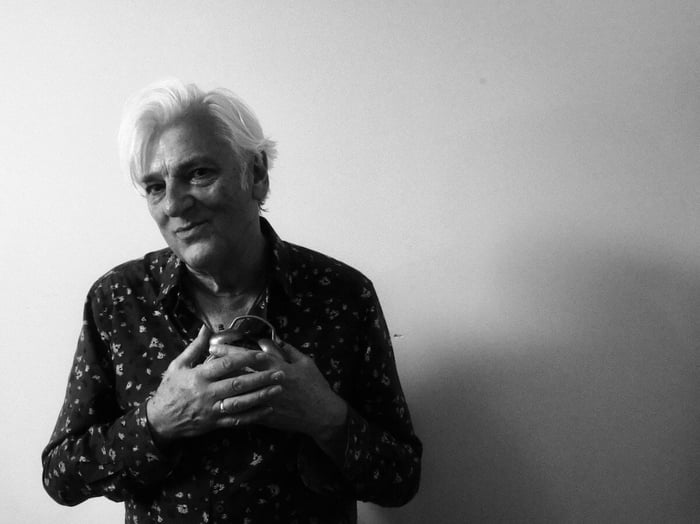
Robyn Hitchcock Is Still Learning From the Beatles, 25 Albums In


 See more Architeg Prints stories on Google.
Robyn Hitchcock Is Still Learning From the Beatles, 25 Albums In
Exploring how Robyn Hitchcock’s music continues to evolve, inspired by the Beatles after 25 solo albums.
A Journey Rooted in Art and Imagination
Robyn Hitchcock’s creative universe has long been a place where words, pictures, and music intertwine to create something truly unique. As he puts it, “The only thing I understand is art. I don’t do sport. I can’t deal with taxes, and I can’t drive. There are many areas of human activity that are completely beyond me. So give me words and pictures and music, and I’m at home. Elsewhere, I’m adrift.” This candid self-awareness reflects a lifelong dedication to his art, a realm where he feels grounded and utterly alive.
From Beatles’ Sparks to Surrealist Songcraft
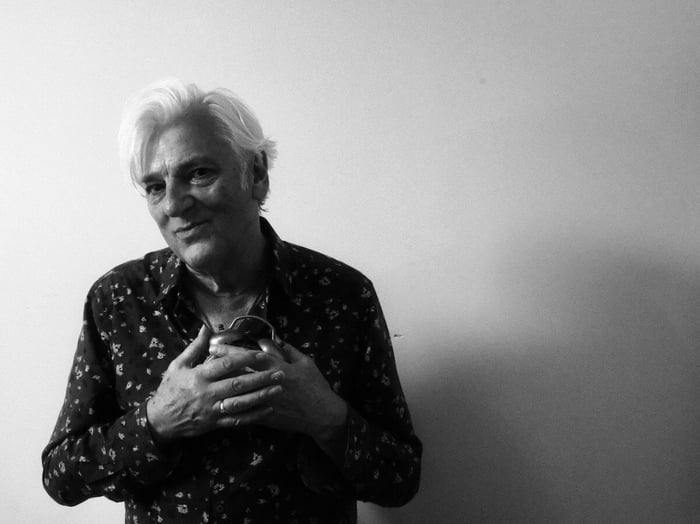
Robyn Hitchcock's roots trace back to the mid-1960s, when as a British preteen, he absorbed the seismic shifts in music brought on by the Beatles, Bob Dylan, and Pink Floyd. This formative era ignited a spark that has fueled his five-decade-long journey in music. Starting with the wildly psychedelic band The Soft Boys and evolving through his solo career, Hitchcock’s work is a swirling mix of the playful, the baffling, the hilarious, and themes that dance around sex and death.
His latest milestone, the 25th solo album The Confuser, finds Hitchcock continuing this journey under a title inspired by a nickname from his wife, Australian singer-songwriter Emma Swift. The album’s ten tracks are vibrant and full of surreal imagery, grounded firmly in the realities of life.
Existence and Wit: The Heart of The Confuser
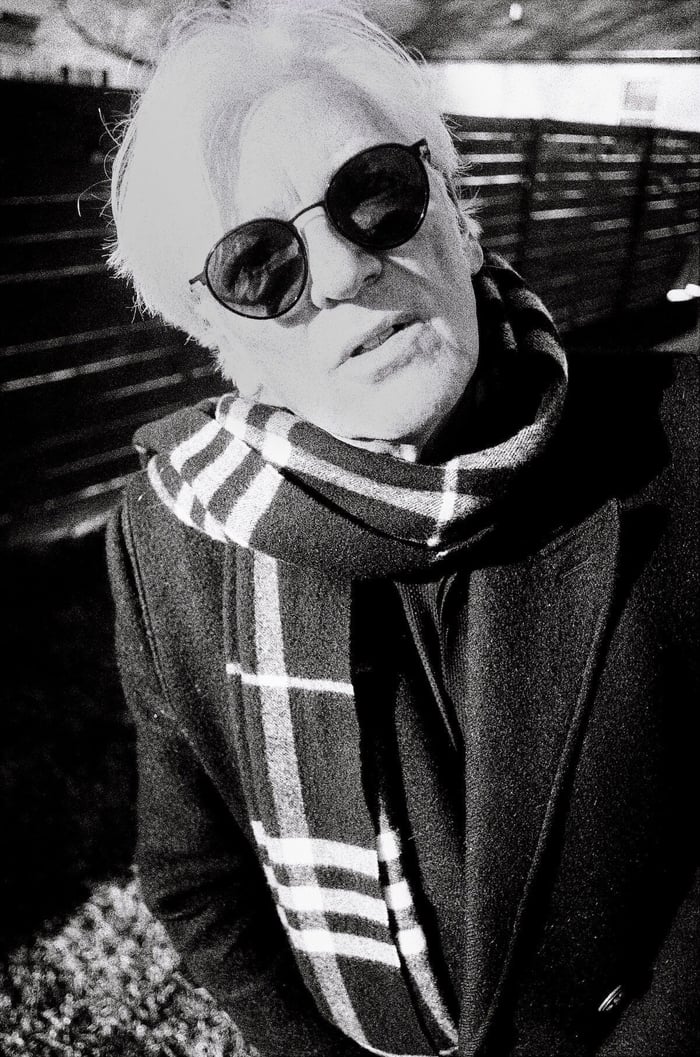
The album kicks off with “I Am This Thing,” a track that is part self-portrait, part philosophical rumination, delivered with a Lennon-esque bite: “I owe a lot to a dead man’s cock / Tick tock, tick tock / I love to rock.” This line references both his late father, the artist and author Raymond Hitchcock, and the inevitability of mortality.
In a recent chat from his Nashville home, Robyn expressed the shock of existence at the core of his work: “I am this thing, and I won’t be this thing much longer. I can still look at my hands and my toes and feel my skin on my face. It’s all there right now, but very soon it will all be dust or ash or both. And it came out of somebody who is now themselves dust and ash. How incredibly strange to exist. My songs have long been about the shock of existence.”
Far from morose, Hitchcock’s perspective embraces humor and enthusiasm. His song “Yesterday’s Rain” wraps emotional warmth in a Who-like energy, with lyrics like, “Well I feel so good / Feel like I have freshly been exhumed / From a naked lunch inside a lilac tomb,” which paradoxically sound very much alive.
A Life Lived Among Catastrophes and Changing Perspectives
Hitchcock’s reflections on life’s fragility balance the ever-present threat of disaster with a wry acceptance. “I actually feel quite stimulated, but it doesn’t mean what I know if we’re going to be here in six months’ time,” he muses. “There’s always some catastrophe—some grandfather clock is gonna fall over and crush you, the sky’s gonna turn to lead and flatten you.”
Recalling history’s dark moments—the Cuban Missile Crisis, JFK’s assassination, 9/11—he points out how perspectives shift with time. “Bush seems like Mandela now—the guy’s a mench, a sage, he’s hanging with Michelle Obama. He’s one of the righteous. It doesn’t take long for perspective to change.” Hitchcock’s cosmic view and flair for the absurd have been his steady companions throughout his career.
From Psychedelic Origins to a Master of Surreal Rock
The Soft Boys, Hitchcock’s first major project, was a psychedelic band that felt ahead of its time and “kind of happened posthumously,” according to him. With their lack of commercial hits partly due to their experimental nature, Hitchcock eventually moved on to solo work that was less noisy but increasingly refined.
His prolific output spans from psych-swirl explosions to delicate acoustic melodies, always anchored in the swirling spirit of 1967. “I just highlighted certain aspects of my personality, which I suppose then becomes a kind of shtick, in a way,” he jokes. This unique personality has made him a figure ripe for caricature, which he takes in stride. “If you can be caricatured, then you got it made. That’s why cartoon characters keep getting elected.”
By the late ’80s and early ’90s, Hitchcock became a darling of college radio and MTV, with memorable music videos like “Balloon Man” and “So You Think You’re in Love.” However, his earlier days were marked by a more aggressively subversive edge. “I used to be much more aggressively subversive when I got here 40 years ago,” he admits. “I would throw up these great barrages of verbals, and I was more into expression than communication. I didn’t really care whether I got through to people.”
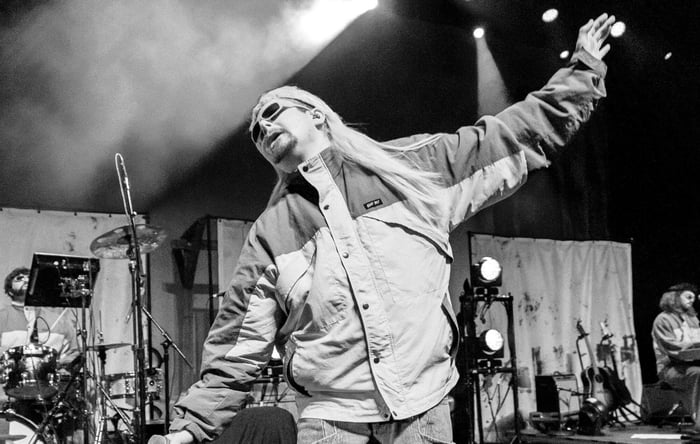
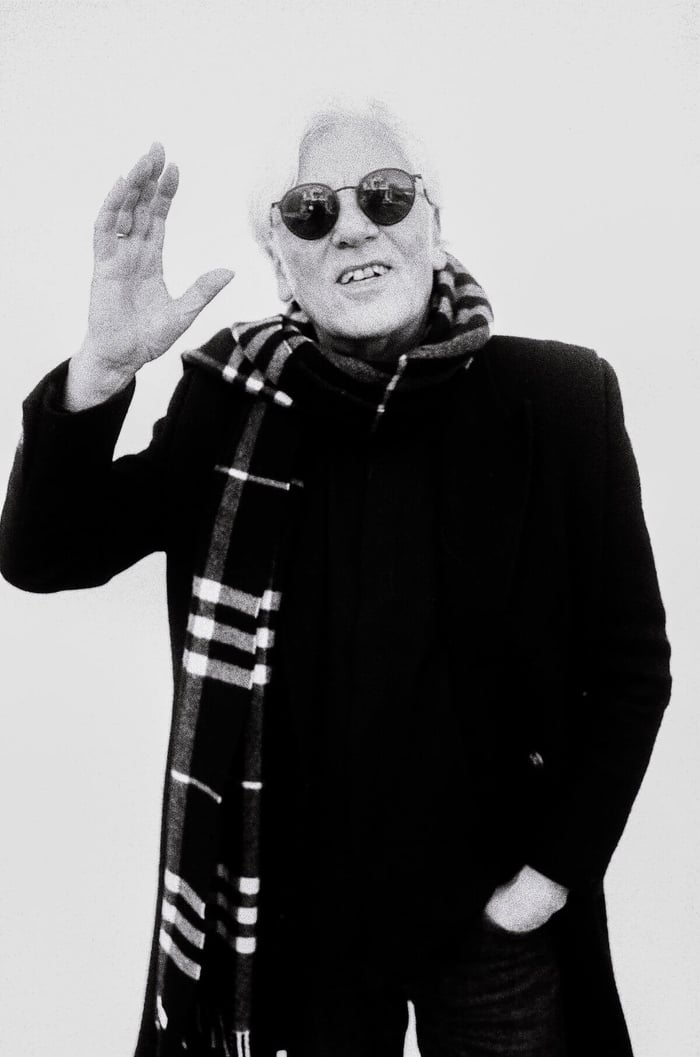
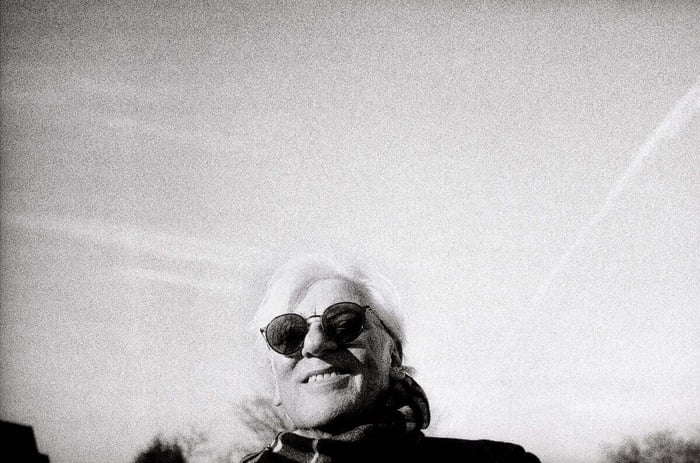
Today, Hitchcock has mellowed into a “kindly old gent with an electric guitar,” whose performances are celebratory affairs blending his own songs with tributes to idols like Syd Barrett, the Beatles, Jimi Hendrix, and Lou Reed. “I’m not there to unsettle people like I was then. I’m probably more to amuse people, make ’em laugh, make ’em shuffle and lurch a bit,” he says warmly.
A Psychedelic Child of the ’60s With a Timeless Voice
Though often grouped with 1980s alternative icons like R.E.M. and the Psychedelic Furs, Hitchcock feels more like a “refugee still riding a buzz from 1967.” He calls himself “the last egg to crack open,” having psychically come of age in the ’60s but just young enough to avoid the era’s darker excesses.
That era’s golden albums—Dylan’s Blonde on Blonde, the Beatles’ Revolver, and Hendrix’s Are You Experienced?—continue to influence his sound. “It’s obvious, if you listen to my stuff, where it comes from. I’m surprised there aren’t more people like me.”
Hitchcock’s songwriting echoes John Lennon’s surreal lyricism, with Beatles legends remaining a guiding light. “I’m still learning things musically from the Beatles that I’m not learning from other rock music and pop music,” he shares.
Musical Camaraderie and the Nashville Chapter
During his early psychedelic explorations, Hitchcock shared kinship and rivalry with contemporaries like Andy Partridge (XTC) and Julian Cope (the Teardrop Explodes). Though competition was part of the dynamic, Hitchcock teamed up with Partridge on the 2019 EP Planet England.
His admiration for the Psychedelic Furs also runs deep. His stripped-back cover of their hit “The Ghost in You” is among his most-played songs, showcasing his belief that “a good song will just work with an acoustic guitar or a piano.”
Settling in Nashville in 2015 with wife Emma Swift, the couple now runs the indie label Tiny Ghost. Hitchcock has embraced Tennessee’s rich musical culture, noting how Dylan’s Blonde on Blonde was recorded there with top session musicians in 1966—a tradition his recent album The Confuser proudly continues.
Still Rooted in Beatles Music and Surreal Wordplay
Hitchcock insists that everyone he collaborates with shares his love for the Beatles, as his music fits “inside Beatle parameters.” He’s never recorded anything that wouldn’t have felt at home on the Beatles’ White Album, their most experimental and free-form work.
His particular brand of wordplay—colliding unexpected images and ideas—has been a hallmark. “If someone says I’m surreal, I take that as a compliment.”
He remains unapologetically himself on and off the stage, “opening my mind up,” allowing audiences to witness his wild thoughts and deep musical reverence in real time.
“My songs have long been about the shock of existence.”
— Robyn Hitchcock
Conclusion
Robyn Hitchcock stands as a testament to enduring creativity, a musician who, even after 25 albums, continues to be inspired by the Beatles while carving out his own surreal, playful, and heartfelt musical universe. His career is a journey through time, psychedelia, and the human experience, always with a wink and a nod to life’s beautiful oddities.
FAQ
- What inspired Robyn Hitchcock’s latest album, The Confuser?
The album was inspired by his own reflections on life and mortality, with surreal imagery grounded in real experiences and a nickname given by his wife. - How does Hitchcock describe his relationship with art?
He feels at home with words, pictures, and music, admitting he struggles with many other areas of life. - Which era of music most influences Hitchcock?
The 1960s, especially the Beatles' experimental period, Dylan’s Blonde on Blonde, and Hendrix’s Are You Experienced? - What role does the Beatles’ music play in Hitchcock’s work?
He sees his music within "Beatle parameters" and continues to learn from their music decades later. - Where does Robyn Hitchcock live and record now?
He lives in Nashville, Tennessee, where he records with a younger generation of session players and runs the indie label Tiny Ghost with his wife.
Feel inspired? Celebrate your love for timeless music by shopping your favorite album cover poster at Architeg Prints, where classic music art meets modern style.
 | DISCOUNTGET 30% OFF*Use code on your next order:
|
* This post may contain affiliate links, meaning we earn a commission if you make a purchase through these links, at no additional cost to you.
Related Articles