Roland Orzabal Welcomes You to His Life: Tears for Fears Memoir Unveiled



Roland Orzabal Welcomes You to His Life: Tears for Fears Memoir Unveiled
Roland Orzabal opens up in his memoir about love, loss, and the stories behind Tears for Fears' iconic songs.
If you’re a fan of Tears for Fears, or even just a lover of ’80s and ’90s pop-rock with a timeless twist, you’re in for a treat. Roland Orzabal, the mastermind behind so many unforgettable hits, has pulled back the curtain on his life with the memoir Welcome to Your Life: Love, Death, and Tears for Fears. Released on August 4, it’s a raw, reflective, and sometimes haunting journey through the experiences that shaped his music—and his soul.
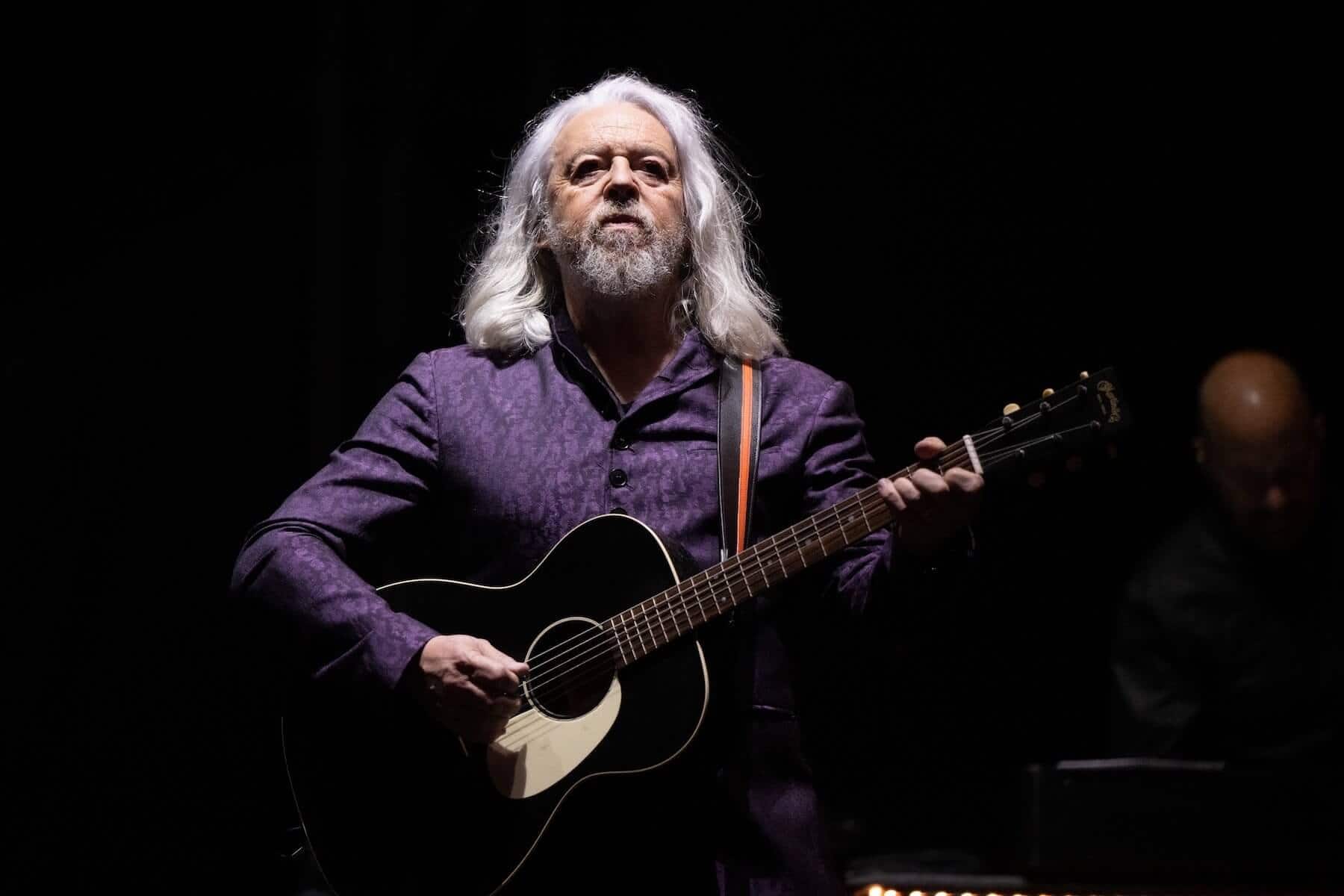
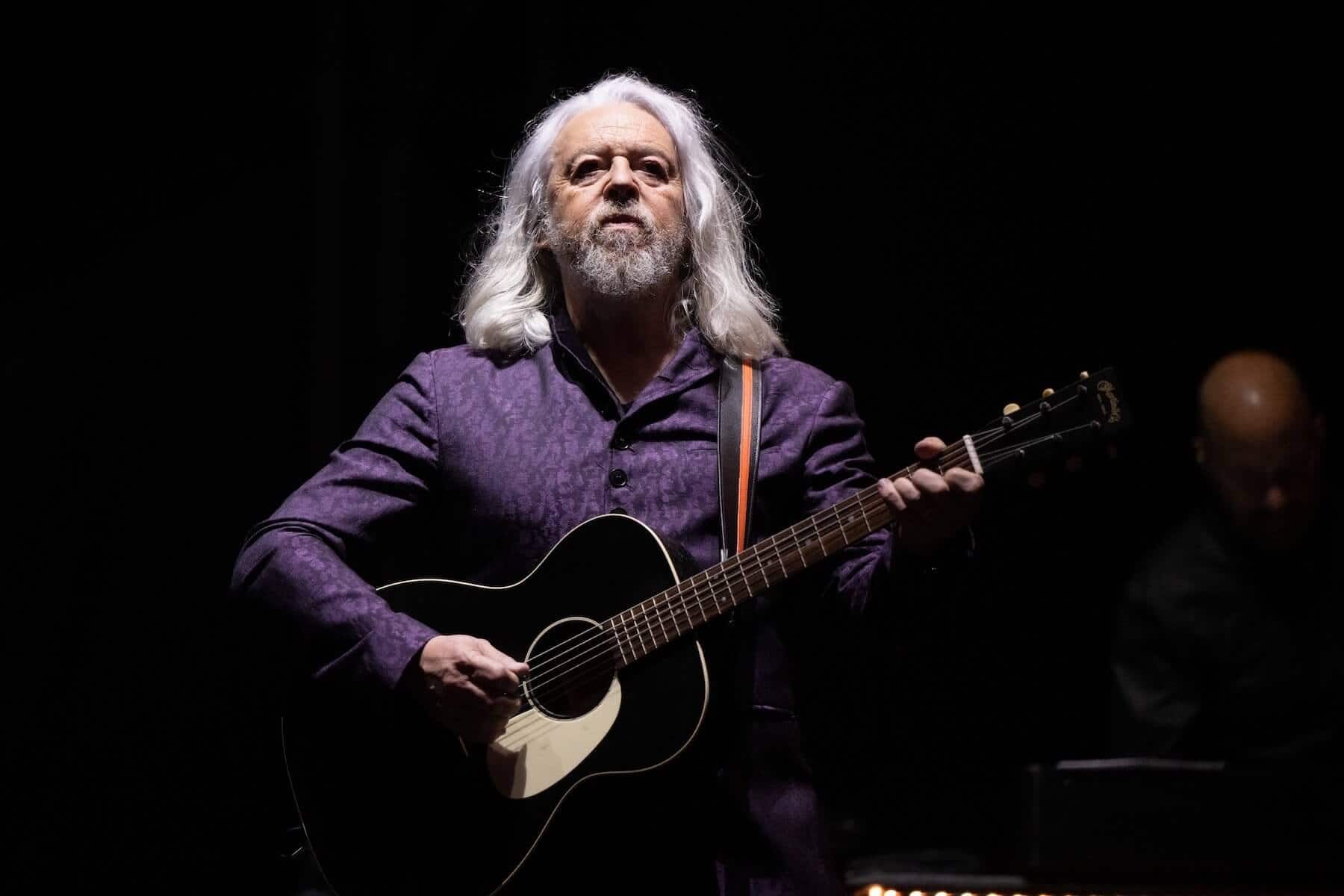
Roland Orzabal of Tears for Fears performing at The Darker Waves Festival, Huntington Beach, California, Nov 18, 2023 (Credit: Scott Dudelson / WireImage)
A Memoir That Starts in the Heart of Darkness
The memoir kicks off in an unexpected place—the painful final years of Orzabal’s late wife, Caroline. Rather than easing us gently into his story, he throws us straight into the emotional tempest that marked her decline. It’s frantic and desperate, echoing the turmoil he lived through during those heart-wrenching times.
Then, the narrative rewinds, diving deep into his family roots. Orzabal traces his lineage back to his grandparents and reveals a family history shaped by an unplanned pregnancy that set the course for generations. His mother, Margaret, was naturally drawn to performance, especially dance, but her talents were ultimately channeled into stripping by his father Georges, a complex and troubled man.
This glimpse into Orzabal’s early life paints vivid, sometimes stark pictures of family dynamics. His parents emerge as contradictory characters: his mother resilient yet struggling, his father abusive and domineering. Yet interestingly, Orzabal keeps himself a bit at arm’s length. Even though he writes in first person, there’s a curious emotional reserve. When he witnesses his father’s abuse or his mother’s grit, we get the facts, but little of the raw emotional turmoil simmering beneath.
Behind the Music: The Tears for Fears Story
The heart of the book focuses on Tears for Fears’ journey, chronicling the making of their albums alongside Curt Smith. Here, fans will find a fascinating context for the band’s music, even if the memoir shies away from deeply personal introspection during these chapters.
Instead, Orzabal reveals the emotional and philosophical inspirations behind classic songs—the truths that continue to resonate decades later. It’s clear how personal experiences and therapy shaped the lyrical themes, but he keeps his own feelings somewhat shadowed, almost watching from a distance.
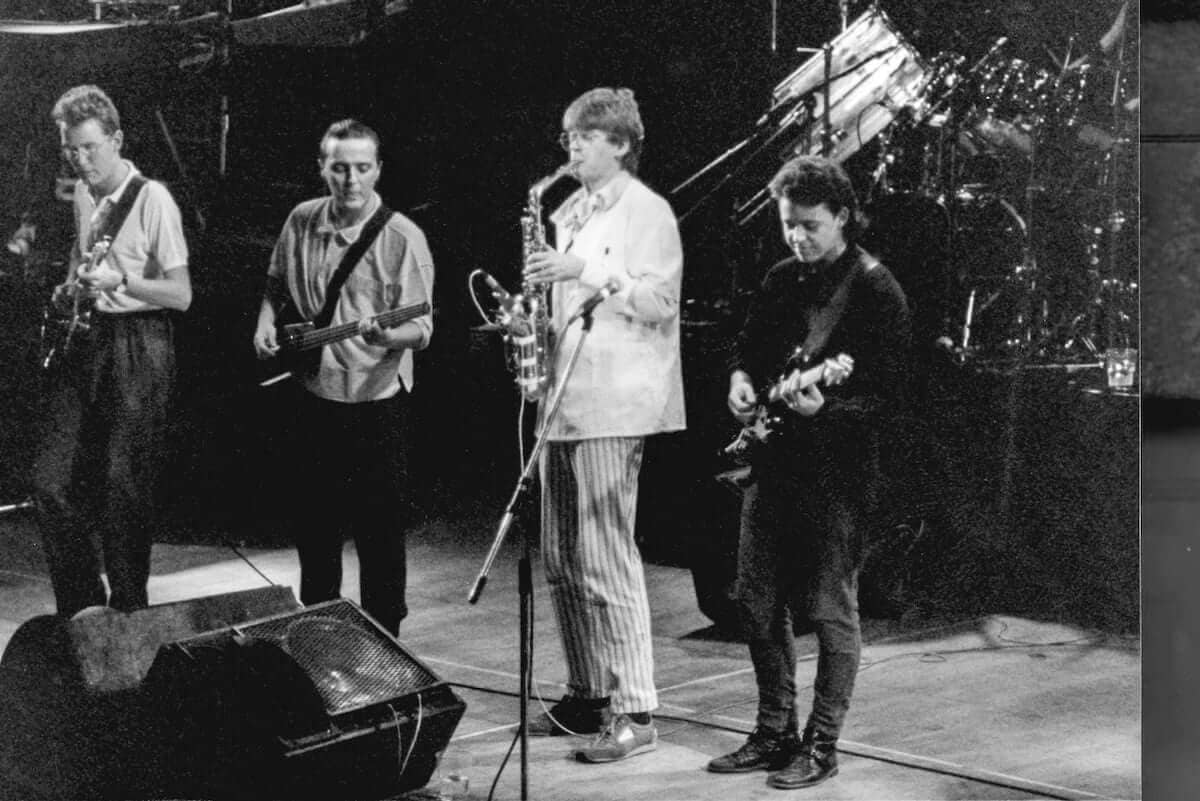
Tears for Fears performing in the 1980s (Courtesy of the author)
When Orzabal does get candid, it’s about his struggles with Ambien addiction and his path to recovery. He also shares warmly about meeting his current wife, Emily, and the joy of welcoming their daughter Eula, whose photo graces the memoir’s back cover—a tender counterpoint to the heavier themes.
Astrology as a Guide Through Chaos
Before the story even begins, Orzabal drops a quirky “Warning: This Book Contains Astrology.” At first, this feels like a joke, but it quickly becomes clear that astrology is a serious thread woven throughout his narrative.
He explains how traditional astrology books felt like “menus” to him—dry lists of what Mars or Uranus in certain signs meant. Instead, he wanted to breathe life into astrology by connecting it to the real, messy ups and downs of his own life. This unique approach makes the memoir feel like an intricate map, with stars and planets providing celestial commentary on his experiences.
If you’re curious about this metaphysical angle, Orzabal’s fascination might inspire you to look deeper into your own birth chart—and maybe even ask AI to generate one, as I did. His enthusiasm for astrology and its generational legacy in my own family made for a delightful connection.
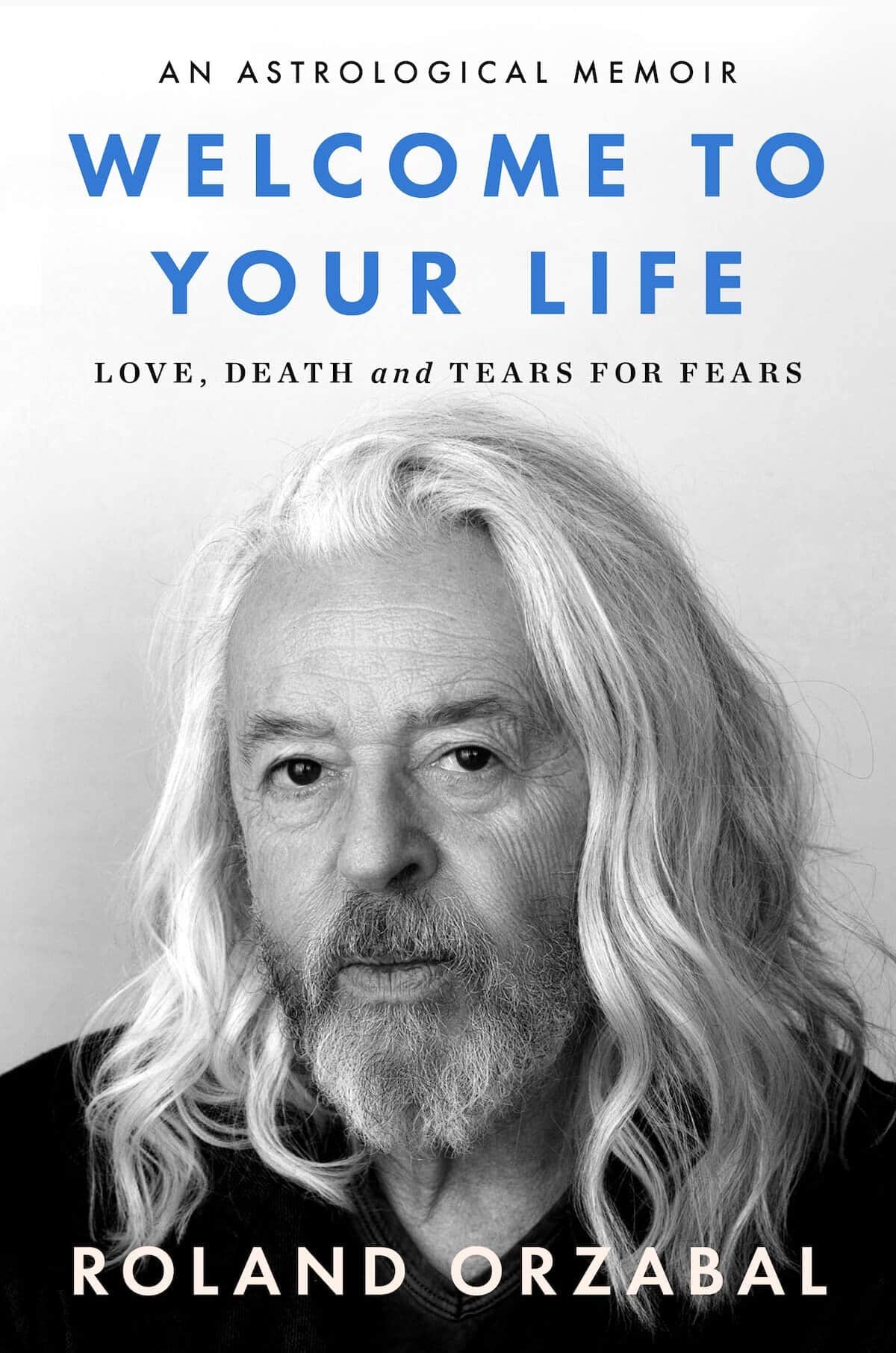
Cover of Roland Orzabal’s memoir (Courtesy of Dey Street Books)
Why Write a Memoir Now?
When asked about what motivated him to write Welcome to Your Life, Orzabal shared that it originally wasn’t on his radar. He had been working on a fictional book for twenty years when his New York literary agent suggested a memoir might be a better fit. This sparked an idea: could he combine his interest in astrology, philosophy, and metaphysics with his life story?
He wanted to tell an original story that wasn’t just abstract astrology but one that intertwined celestial patterns with the real triumphs and tragedies of his life. Writing the memoir was a way to put those pieces together, creating a rich tapestry that fans and newcomers alike could explore.
Writing: A Different Journey from Music
Interestingly, Orzabal found writing the memoir easier than writing fiction. Since these were his lived experiences, all he had to do was remember and recount them. He describes his disciplined writing routine—starting early each morning and producing 10,000 words a day, a rapid pace that helped him capture the flow of memories.
Of course, he rewrote extensively and waited until the birth of his daughter Eula to finish the final chapter—ensuring the story ended on a note of hope and new beginnings.
Therapy, Fame, and Self-Discovery
A standout theme in the memoir is Orzabal’s embrace of primal therapy—an intense form of psychotherapy focused on releasing childhood traumas. Unlike Curt Smith, his musical partner, who struggled more visibly with fame, Orzabal dove into therapy almost immediately, even during Tears for Fears’ first wave of success.
He shares how primal therapy helped him confront deep personal wounds and influenced the creation of the 1989 album The Seeds of Love. The sessions were often intense and even violent, but they provided vital catharsis. He took therapy so seriously that at one point he was attending multiple sessions a week, with different therapists and groups.
Orzabal’s reflections on this process reveal a man constantly in search of understanding himself. As he puts it, "From about the age of 17, I always wanted to know what the fuck was going on in me." His childhood was far from idyllic, and therapy became a key tool in navigating that complexity.
The Pain and Truth of Family
Writing about his childhood, especially his relationship with his parents Georges and Margaret, was one of the toughest parts of the memoir. Orzabal admits he approached this as if writing fiction, trying to balance honesty with gentleness. His mother, still alive at 91, might not agree with all of his recollections—highlighting how memory and perspective can differ wildly within the same family.
Despite these challenges, he knew telling his truth was essential. After all, family stories are rarely simple. Between abuse, resilience, and survival, the memoir captures a family fractured and forged by hardship.

On location filming “Raoul and the Kings of Spain” video (Credit: Pam Springsteen)
Facing Loss: Caroline’s Final Chapter
The memoir doesn’t shy away from the painful realities of Caroline’s illness and death. Orzabal shares what little Caroline wrote down during her stay at a care facility near Bristol, capturing glimpses of the horror she endured.
While he can’t know exactly how she felt, his heartfelt portrayal conveys the profound sorrow and helplessness that surrounded those final years.
Catharsis Through Writing, Not Music
Unlike songwriting, which Orzabal describes as harmonizing feelings and making them beautiful, writing this memoir was a different, often painful experience. Revisiting losses and chaotic moments brought tears and self-reflection.
He candidly admits that parts of his life were far from controlled or sane—particularly the chapter on Sweet Dreams (Are Made of This), which reveals a period of madness. Yet, through it all, he found a path forward: overcoming addiction, mourning Caroline, finding new love with Emily, and celebrating the birth of Eula.
“I realized that there’s a lot of chaos in my life. I always thought I was relatively normal, relatively sane. Then when I read some of it, I go, ‘No. You’re not in control. You’re not in control at all.’” — Roland Orzabal
Roland Orzabal’s memoir offers fans a rare, honest look at the man behind the music. It’s a story of struggle, healing, and ultimately, hope—a must-read for anyone who’s ever been touched by Tears for Fears’ timeless songs.
FAQ
- What inspired Roland Orzabal to write his memoir?
His literary agent suggested a memoir while he was working on a fiction book, and he decided to combine his love for astrology with his life story. - How does astrology factor into the memoir?
Astrology acts as a thematic lens throughout the book, linking celestial patterns to key life events and personal growth. - Did Orzabal find writing the memoir easier than songwriting?
Yes, because the memoir was rooted in memory rather than invention; he could draw on his lived experiences. - What role did therapy play in Orzabal’s life and music?
Primal therapy was instrumental in addressing childhood trauma and influenced the emotional depth of Tears for Fears’ songs. - How does the memoir address Orzabal’s family life?
It presents a candid, sometimes painful view of his upbringing and parents, emphasizing the complexity of family truths.
If Tears for Fears’ story has resonated with you, why not bring a piece of that magic home? Shop your favorite album cover poster at Architeg Prints for a beautiful tribute to the music and memories that shaped a generation.
 | DISCOUNTGET 30% OFF*Use code on your next order:
|
* This post may contain affiliate links, meaning we earn a commission if you make a purchase through these links, at no additional cost to you.