The $399 MPC Sample Makes Beatmaking Beautifully Portable and Accessible



The $399 MPC Sample Makes Beatmaking Beautifully Portable and Accessible
Explore how the MPC Sample brings iconic beatmaking tools into a sleek, portable package for just $399.
The MPC Legacy Lives On in a Compact New Form
If you're into music production, you know the legendary status of the MPC — that grid of rubber pads behind countless classic hip-hop and electronic beats since the MPC60 debuted in 1988. When Akai Pro quietly unveiled the MPC Sample at an affordable $399, it immediately felt like a moment worth your attention, even if you're new to drum pads.
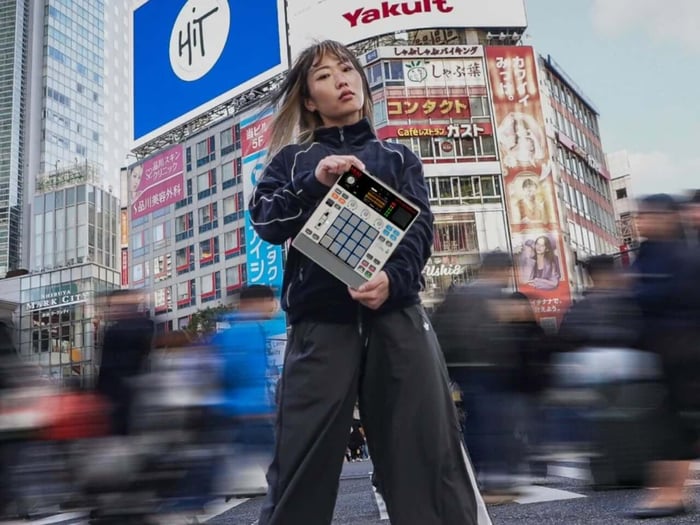
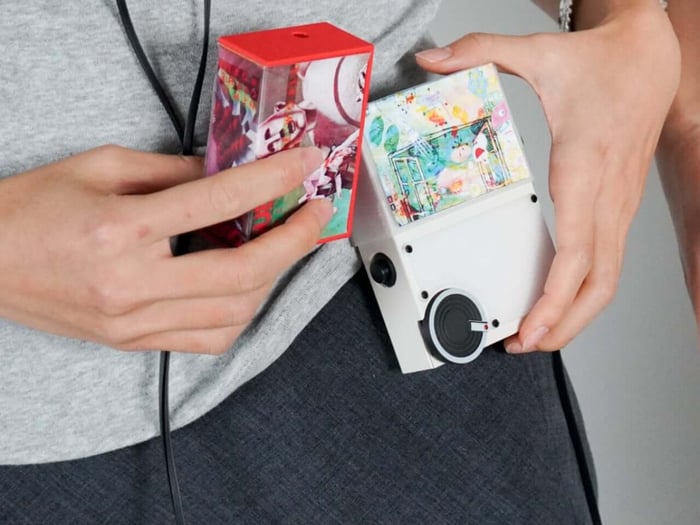
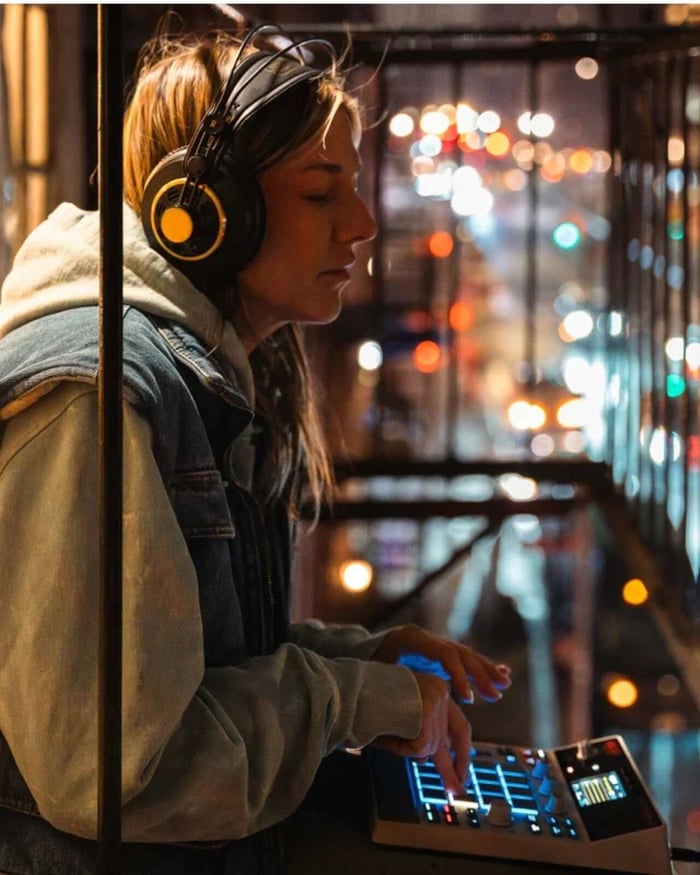
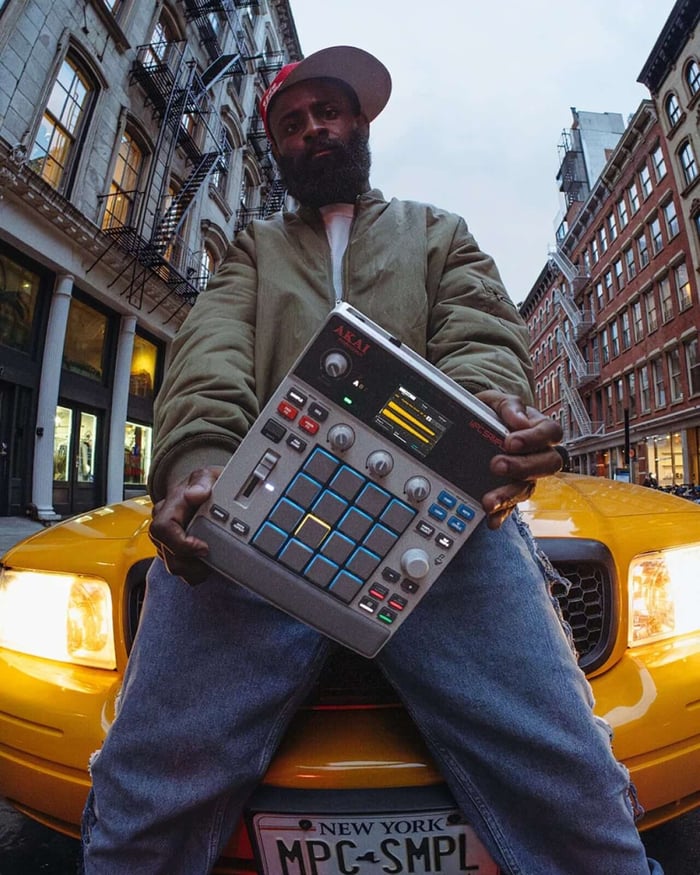
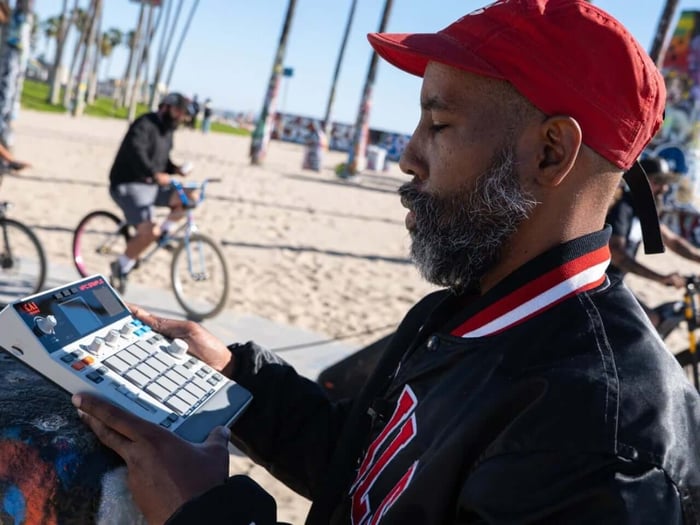
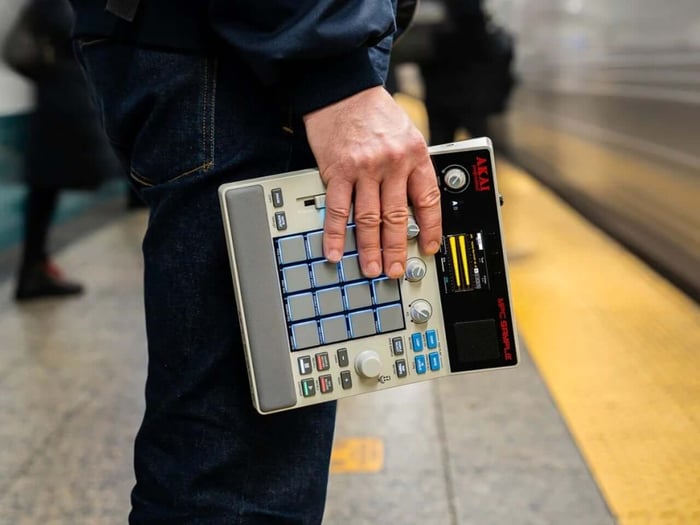
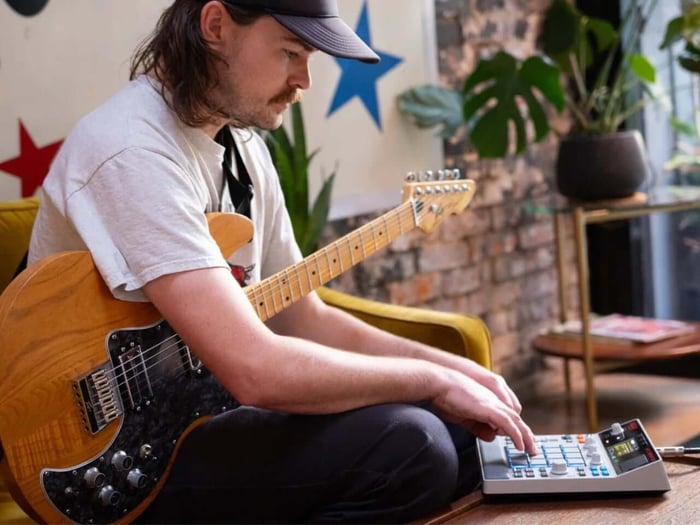
The MPC Sample’s size genuinely surprises. Measuring just 23.6 × 19.4 × 5.0 cm and weighing under a kilogram, it slips effortlessly into a backpack. It’s powered by a rechargeable lithium-ion battery that lasts about five hours, boasts a built-in microphone, a 3-watt speaker, and connects through a single USB-C port for audio, MIDI, charging, and data transfer. This little powerhouse looks perfectly at home beside your morning coffee and sketchbook.
Design That Honors Tradition Without Feeling Retro Overdone
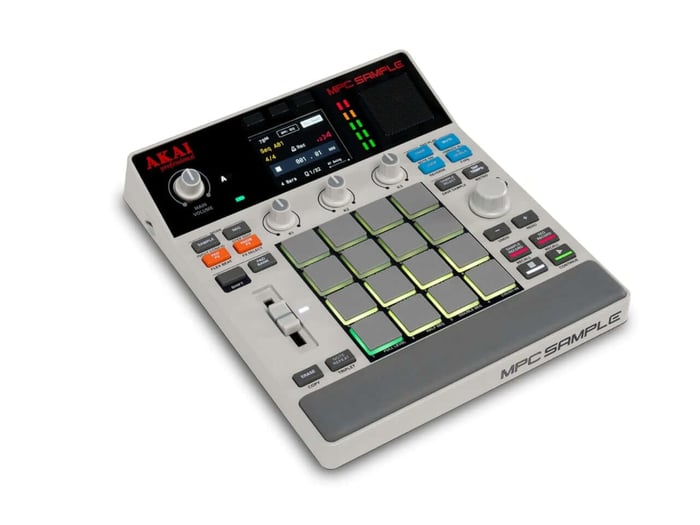
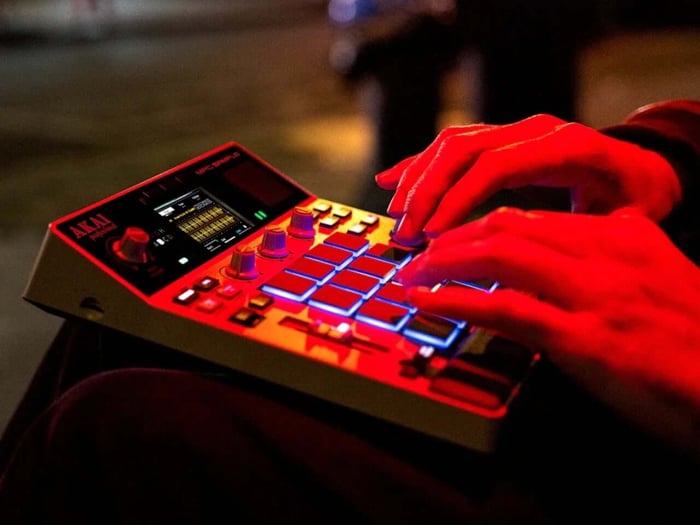
What makes the MPC Sample truly stand out is its design — a direct nod to the beloved MPC60, one of music gear’s most iconic pieces. The color palette is subtle, the layout clean, and those 16 RGB velocity-sensitive pads take center stage in their familiar 4x4 grid. The inclusion of a legacy parameter fader is a heartfelt tribute to the hardware that shaped an entire generation of producers.
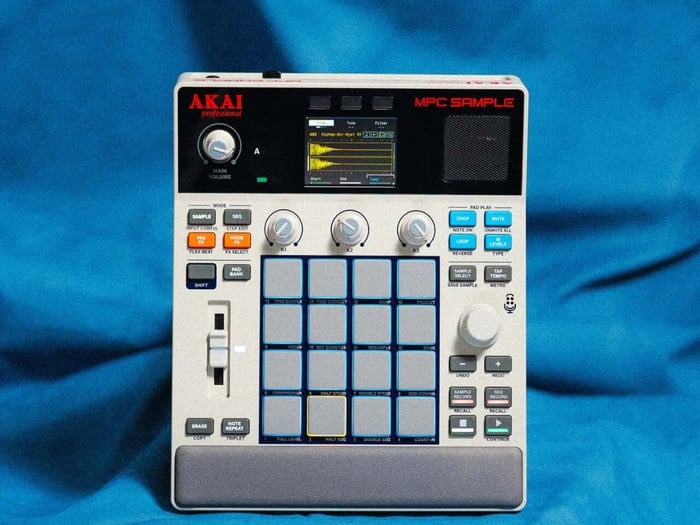
The vibe here isn’t kitschy nostalgia but thoughtful evolution. The MPC Sample feels like a natural, inevitable addition to the music-making world, not a costume party throwback. The padded wrist rest, the non-intrusive button arrangement, and the muted color scheme evoke vintage synthesizers more than flashy modern gadgets. For a $399 device, the design restraint is wonderfully refreshing — it’s rare to see this level of intentionality on such an accessible instrument.
Sweet Spot Between Simplicity and Power
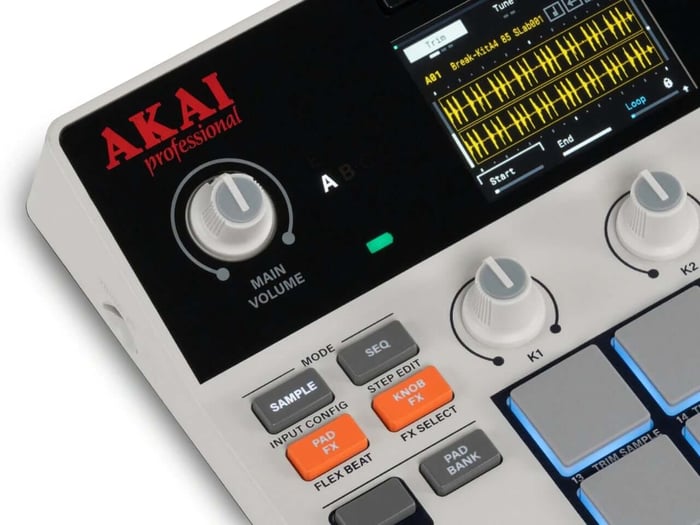
Unlike gear that overwhelms with buttons or dials, or gadgets so stripped down they frustrate, the MPC Sample finds a beautiful middle ground. At its heart is a 2.4-inch full-color display for waveform visualization, paired with three real-time control knobs for on-the-fly effect tweaking. It supports Instant Sample Chop mode, real-time timestretching and repitching, and offers 60 effect types spread across four engine categories. It’s capable without drowning you in complexity — a perfect balance, especially for sampling newcomers.
Incredible Value, Rooted in Rich History
To put things in perspective, the original MPC60 launched back in 1988 at an eye-watering $4,999.95 — the equivalent of roughly $13,800 today. The MPC Sample, on the other hand, offers a suite of features the MPC60 couldn’t have dreamed of for just $399. It even ships packed with over 100 factory kits, 2GB of RAM, and 8GB of internal storage expandable by microSD. This isn’t just a bargain; it’s a revolutionary moment in democratizing music production gear.
A Few Trade-Offs in the Travel-Friendly Design
Nothing’s perfect, of course. The five-hour battery life is solid for a dedicated session but might fall short for a full day on the move. The built-in speaker is handy for quick checks but you’ll want headphones for serious listening. And while the MPC ecosystem is renowned for its power, that comes with a learning curve. The MPC Sample softens this challenge considerably but doesn’t erase it completely.
Why the MPC Sample Feels Culturally Important
What truly elevates the MPC Sample isn’t just its portability or price — it’s how it crystallizes nearly four decades of creative history into a tool that’s accessible without compromise. The design respects the MPC’s legacy, the features support the creative flow, and the compact size means you can literally take your music anywhere. Creativity has always been portable in theory — now it’s portable in practice. For $399, this device quietly compels you to rethink where and how you make music.
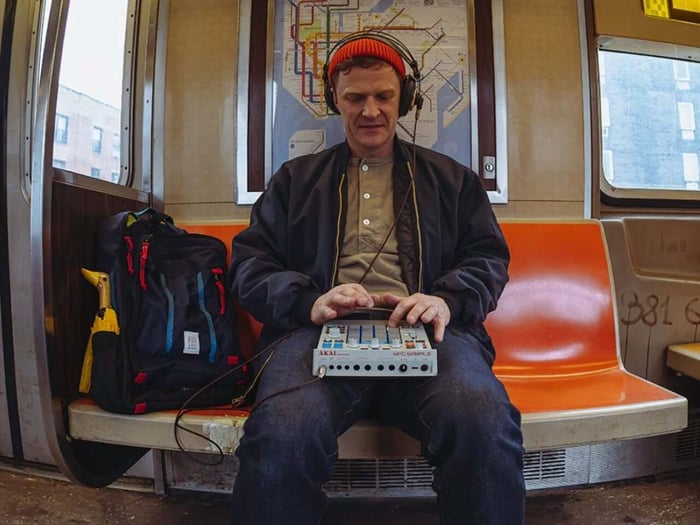
“It feels considered in a way that a lot of modern gear doesn’t.” – an enthusiastic observer
FAQ
- How long does the MPC Sample’s battery last?
It offers up to five hours of continuous use, making it great for focused sessions but not an all-day travel companion. - What is the size and weight of the MPC Sample?
Compact at 23.6 × 19.4 × 5.0 cm and weighing just under one kilogram, it easily fits into a backpack. - Does the MPC Sample have onboard speakers?
Yes, a 3-watt built-in speaker is included for quick monitoring, but headphones are recommended for detailed work. Consider checking out 3 watt speakers for enhanced sound. - How much storage does it have?
It includes 8GB of internal storage, 2GB of RAM, and supports expandable storage via microSD cards. - Is the MPC Sample suitable for beginners?
Absolutely. It balances a friendly learning curve with professional features, making it ideal for newcomers to sampling.
Ready to bring that iconic MPC vibe to your studio or on-the-go beat sessions? Check out our collection of favorite album cover posters and gear up your creative space with style at Architeg Prints.
 | DISCOUNTGET 30% OFF*Use code on your next order:
|
* This post may contain affiliate links, meaning we earn a commission if you make a purchase through these links, at no additional cost to you.