The D.O.C. Reflects on Dr. Dre’s ‘Nuthin’ But a G Thang’ Featuring Snoop Dogg



The D.O.C. Reflects on Dr. Dre’s ‘Nuthin’ But a G Thang’ Featuring Snoop Dogg
The D.O.C. shares behind-the-scenes stories and his role in shaping the iconic West Coast hit ‘Nuthin’ But a G Thang’ that launched Snoop Dogg’s career.
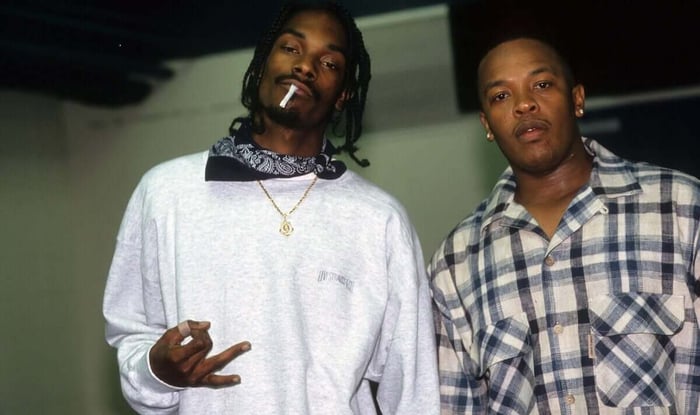
“One, two, three and to the four…” Just reading those words instantly transports any true hip-hop fan back to the early 90s. That iconic intro kicks off Snoop Dogg’s debut verse on Dr. Dre’s 1992 masterpiece, *Nuthin’ But a G Thang*. This track didn’t just mark a new era in West Coast rap — it stamped Death Row Records indelibly into the hip-hop landscape and catapulted Snoop Dogg into superstardom. As part of Dre’s first solo album, *The Chronic*, this platinum-certified anthem became a cultural touchstone, blending laid-back G-Funk with irresistible grooves.
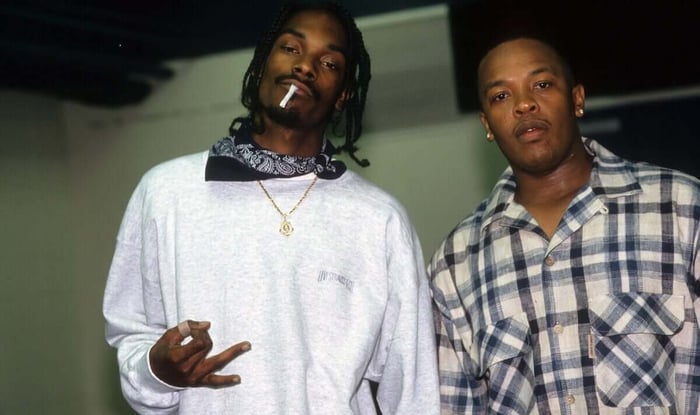
Snoop Dogg and Dr. Dre at The Source Awards at Madison Square Garden, 1995 (Credit: Al Pereira/Getty Images/Michael Ochs Archives)
The D.O.C.’s Journey Behind the Scenes
While *Nuthin’ But a G Thang* was lighting up the airwaves, The D.O.C., born Tracy Curry, was navigating new challenges of his own. Just months before his own debut solo album, *No One Can Do It Better* (1989), dropped, a devastating car accident on a Los Angeles freeway nearly ended his career by crushing his larynx — a painful injury that robbed him of the voice that set him apart. Emergency responders saved his life but unintentionally altered his path, forcing him to shift from frontman to behind-the-scenes creative force.
Though unable to continue as a solo artist, The D.O.C. channeled his passion into writing and collaborating, particularly with Dr. Dre and Snoop Dogg — or as he affectionately calls him, “Snoopy.” His fingerprints are all over *The Chronic*, credited on six of its 16 tracks, including the legendary “Nuthin’ But a G Thang.” While he acknowledges that the financial benefits weren’t substantial, The D.O.C. deeply values the emotional and artistic significance of the work.
“I’ve always been a ‘everything that happened in my journey happened for a purpose’ guy,” he reflects. “If any of those guys did anything differently, then I would not be where I am right now, so they all had to play their role. I had to go through that pain in order to find myself.”
The Backstory of a Death Row Classic
Life in Flux at Death Row
“Honestly, my life was a bit of a mess at the time,” The D.O.C. admits. From the outside, success seemed assured: a great album was about to drop, and the music was undeniable. However, the reality behind the scenes was complicated. Initially, he owned a stake in Death Row Records, but by the time *The Chronic* was released, he had lost it. For an artist, that was a difficult pill to swallow. Still, the collective confidence in the record’s impact was undeniable.
Meeting Snoop Dogg and the Early Days
The story of *Nuthin’ But a G Thang* is also a tale of introductions. The D.O.C. met Snoop Dogg through Warren G. He recalls their first official encounter with the Long Beach rapper at a bachelor party, where a tape featuring Snoop, Warren G, and Nate Dogg performing as “2-1-3” was played. The track, possibly called “Long Beach is a Motherfucker,” had everyone hooked. Dre recognized the raw talent and asked Warren to bring Snoop to the studio — a move that changed hip-hop forever.
The Creation of ‘Nuthin’ But a G Thang’
Before *The Chronic* hit shelves, the soundtrack for Above the Rim introduced the world to “Deep Cover,” a collaboration between Dre and Snoop. Around this time, Snoop was briefly incarcerated on a drug-related charge. The D.O.C. recalls Dre playing beats over the phone for Snoop while he was locked up, a moment that sparked creativity despite the circumstances.
Interestingly, “Nuthin’ But a G Thang” was written twice. The first version lacked the now-famous counting intro and eventually had to be scrapped and rewritten. After Snoop’s release, he moved into The D.O.C.’s house in Calabasas, where they collaborated closely, crafting the final version. The creative process involved Snoop coming upstairs with a long rap, and together they selected the strongest lines to piece the song together. The D.O.C. was instrumental, coaching Snoop on songwriting fundamentals to ensure the track had structure and punch.
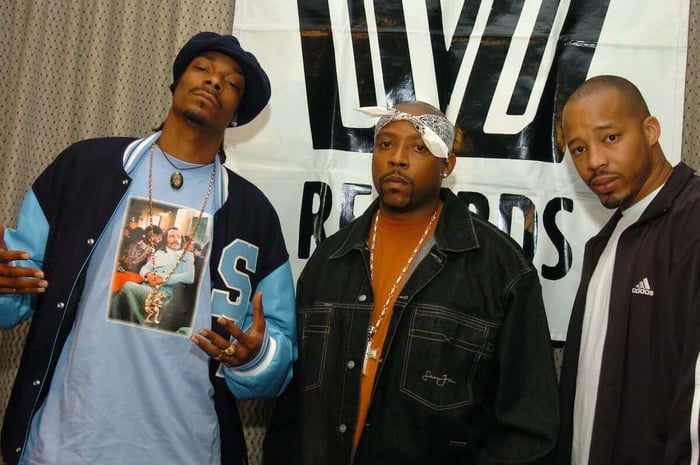
Snoop Dogg, Nate Dogg, and Warren G of 213 in New York City, 2004 (Credit: Theo Wargo/WireImage)
The Art of Songwriting: Funky Enough Inspiration
One key lesson The D.O.C. shared with Snoop was about creating songs with a strong beginning, middle, and end. He pointed to his own track “Funky Enough” from his debut album as an example. The counting intro — “One, two, three and to the four” — was designed to hook listeners instantly, making the repetition feel natural and catchy. Snoop’s version on *Nuthin’ But a G Thang* cleverly mirrored that intro, giving the song its instantly recognizable opening.
Crafting the Lyrics, Piece by Piece
The duo worked through the song like a puzzle, piecing together verses line by line. The D.O.C. encouraged Snoop to insert his own name towards the end, leading to the unforgettable line: “The D.O.C.” This chant-like ending, with its rhythmic phrases like “like this and like that,” sealed the track’s lasting appeal. Interestingly, the song lacks a traditional hook, relying instead on these catchy refrains to anchor it.
Intuition and Anticipation: Predicting a Classic
The D.O.C.’s talent extends beyond writing; he had an uncanny ability to sense when a project was destined for greatness. Reflecting on his career, he knew *The Chronic* was special from the start. Having experienced the explosive success of *Straight Outta Compton* and his own album, he recognized the unique blend of talent on Dre’s record — from Kurupt to Nate Dogg to RBX and of course, Snoop.
“The album had every element you could ask for, and it gave you no time to rest,” he says. “There were so many talented voices all on that project... Dre had really come into his G-Funk era by that time.”
It was this perfect storm of creativity and quality that guaranteed *The Chronic*’s status as a hip-hop classic.
Long Beach’s Finest: Snoop Dogg’s Signature Sound
While The D.O.C. played a vital role in shaping the track, he’s clear about whose vision it was: “90% of that work is Snoop’s work. I’m just the guy that helped him construct it.” The song perfectly encapsulated the personality of a young Snoop Dogg — a supremely gifted rapper with genuine street roots from Long Beach. It was his moment, captured in sound.
Challenging Expectations: Authenticity in Rap Lyrics
The D.O.C. challenges a common notion about rap: that lyrics must reflect literal truth. He points out that in other genres, like pop, artists often write songs that aren’t autobiographical without criticism.
“Taylor Swift doesn’t love every guy she writes about, you know what I mean? She’s just writing us a love song. When you put out a rap song, if they don’t think it’s 100% true, then they feel a certain way about it... I just want it to be a great song.”
He warns against self-incrimination through lyrics, advising artists to see music as a gift and a tool for upliftment, not a trap that drags them deeper into trouble.
The Impact of ‘Deep Cover’ and the Video Era
Snoop’s breakthrough with “Deep Cover” created momentum that gave Death Row confidence to back *The Chronic* fully. The video for “Nuthin’ But a G Thang” may have been simple and straightforward — a sunny glimpse of Los Angeles life — but it captured a vibe. For The D.O.C., seeing his friends in the spotlight was an emotional victory, even if it wasn’t a financial one.
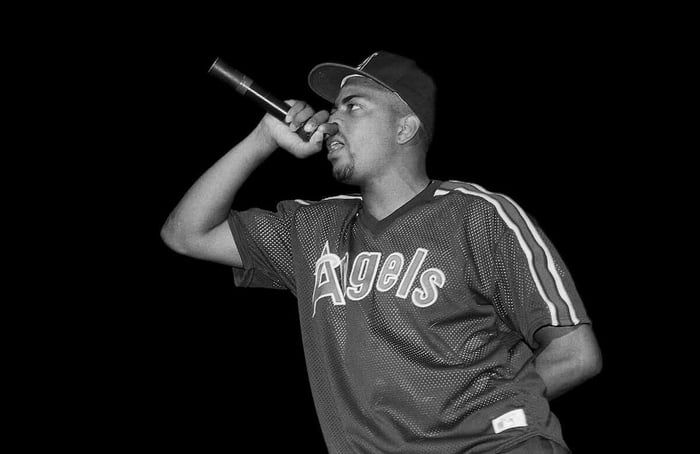
The D.O.C. performing in 1989 (Credit: Raymond Boyd/Getty Images)
Dark Days and the Reality of the Streets
By then, The D.O.C. was trapped in a difficult place. His voice was gone, and he was caught in a haze of drugs and alcohol during a perilous time when gang violence was rampant. Despite the success around him, the environment was harsh and unforgiving. Yet, he chose to focus on the wins — the music, the art — rather than dwell on the darkness.
The Lasting Legacy
Looking back, The D.O.C. feels proud of his contribution. Though his voice no longer graced records, his influence and spirit lived on through Snoop. He sees the song as a dream realized vicariously, and the recognition from fans and his peers made all the hardships worthwhile.
“Even though monetarily I wasn’t getting what I deserve, the accolades from the people made me feel like it was all worth it because the people knew, and Snoopy never hides it.”
FAQ
- How did The D.O.C. lose his voice?
A car accident crushed his larynx, leaving him unable to continue as a solo artist. - What was The D.O.C.’s role in *Nuthin’ But a G Thang*?
He helped co-write and structure the song, coaching Snoop Dogg on songwriting fundamentals. - How did Snoop Dogg first connect with Dr. Dre?
Through Warren G, after Dre heard a tape of Snoop and his friends performing. - Why did they rewrite ‘Nuthin’ But a G Thang’?
The first version lacked the iconic counting intro and needed restructuring after Snoop’s release from jail. - What’s the significance of the line “The D.O.C.” in the song?
It was The D.O.C.’s idea to add his name in the closing chant, creating one of the song’s most memorable moments.
If you’re inspired by the timeless legacy of West Coast hip-hop, why not shop your favorite album cover posters and celebrate the art that shaped a generation? Check out the selection at Architeg Prints for classic music memorabilia.
 | DISCOUNTGET 30% OFF*Use code on your next order:
|
* This post may contain affiliate links, meaning we earn a commission if you make a purchase through these links, at no additional cost to you.