The Music Business Faces a New Music Challenge in 2026

 See more Architeg Prints stories on Google.
The Music Business Faces a New Music Challenge in 2026
The music business faces a new music challenge as fresh sounds struggle while catalogs and AI reshape the industry landscape.
Halfway Through 2026: The Music Industry’s Turning Point
Wow, what a rollercoaster the first half of 2026 has been for music! If you thought the industry changes were slowing down, think again. This year is rewriting the rules at breakneck speed, and sticking with old habits just won’t cut it anymore. Success now favors those who toss out the playbook and embrace the new.
There’s a tidal wave of content everywhere — more creators, platforms, and opinions than ever before. But amid the noise, there’s also an ocean of opportunity for those paying attention.
Five Key Lessons from Music’s New Era
Before diving deep, here’s a quick snapshot of the biggest takeaways from 2026’s first half:
- The music business has a fresh, new music problem.
- AI isn’t killing creativity; it’s opening doors for more people.
- Fans want to be part of the creative process.
- Real-life experiences push back against digital overload.
- Culture has become the richest intelligence layer for business.
Part I — The Big Reset: Why Breaking New Music is Tougher Than Ever
New Music in Trouble
Historically, new music has been the lifeblood fueling the industry’s heartbeat. But now? That heartbeat is slowing. The core problem: younger listeners, particularly those aged 13 to 24, are drifting away from today’s tunes and diving headfirst into music from the '90s and earlier decades.
According to data from Luminate, these young music fans increasingly favor classic tracks over fresh releases. It’s a seismic shift, and one that challenges how the industry promotes and breaks new music.
Catalog Goldmine
While new music hits a wall, catalog music is booming. Believe it or not, about 65% of recorded music's streaming revenue still comes from older, established catalogs. Why? Nostalgia, familiarity, and the algorithms that push known hits play a huge role here.
Even more exciting, AI might breathe new life into these catalogs. Imagine a “Living Catalog” — where classic songs don’t just sit on a dusty shelf but continuously generate fresh value through remixes, reimaginings, and fan interactions powered by technology.
Streaming Saturation & The Next Chapter
Globally, music streaming services are approaching nearly one billion subscribers. That’s incredible! But realistically, how many more people can these platforms attract? It feels like the market is nearing saturation.
This saturation signals one major thing: the era of streaming dominance might be shifting toward new formats and monetization models.
Exclusives: The New Battleground
When the subscription market maxes out, two paths emerge:
- Platforms consolidate, and creators get squeezed financially. Not ideal.
- Or, platforms battle fiercely for exclusive, premium content that sets them apart.
Look at film, TV, sports, and gaming — all thrive on exclusives to grow subscribers. Music, surprisingly, is lagging behind in this regard.
The infrastructure supporting media always evolves before culture does. Right now, tech giants are quietly building the next cycle of music distribution — without music’s direct influence on their strategies.
“That changes the moment the first major album is windowed exclusively through one of them.” — Mark Gillespie
Part II — AI Changes Everything: Expanding Creativity’s Horizon
AI as a Creative Partner
Far from replacing human creativity, AI is becoming a powerful tool for expanding who can participate in music creation. As new protections for artists’ intellectual property take shape, AI could trigger one of music’s biggest growth spurts ever.
Fan Remixes Turn Songs Into Platforms
The hottest songs today aren’t just for listening — they’re for reimagining. Fans want to put their own spin on tracks, transforming static songs into endlessly remixable, personalized experiences.
In this AI-driven “Living Catalog” era, music keeps evolving — whether through fresh remixes of new releases or breathing second lives into decades-old hits.
“Songs are evolving from static pieces of art into living creative systems.”
Participation might soon outshine passive streaming as the true measure of success.
“It’s no longer enough to hear the song. Fans want to be in it.”
For brands, who already spend millions borrowing music’s cultural value, the next opportunity is turning that spend into remixable IP: one brand sound, many versions, many creators, many markets. That way, the campaign does not have to end when the media spend stops.
Royalty-Free Music Unlocks Brand Creativity
With AI powering infinite content variations and the creator economy booming, clearing music rights at scale remains tricky. Yet, audio dramatically boosts campaign performance — driving profits, trust, and customer growth.
Royalty-free music is becoming the entry point for brands to experiment with music strategies without legal headaches, making music an essential ingredient for marketing success.
Music Intelligence: A New Business Edge
Music today is much more than beats and melody; it’s a cultural intelligence layer that sharpens strategic storytelling and business decisions. It’s not just about data or A&R anymore — it’s about deep insights from cultural experts that elevate campaigns and artist representation.
Part III — Fandom Is Being Rewritten: Superfans and New Connections
Unlocking the Superfan
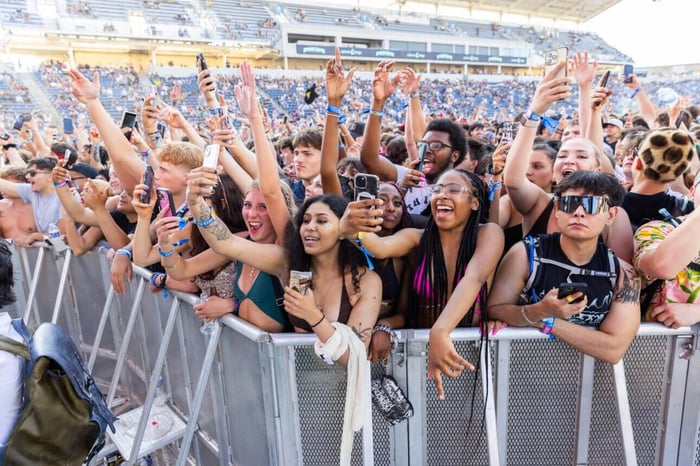
Figuring out how to connect directly with superfans has been a puzzle, but the pieces are coming together. The shift? The concert experience itself is less important than the fan footage — proof that you were part of the moment.
As one fan cleverly put it:
“Piss and shit can’t be smelled through the screen, after all.”
Platforms like SWSH and Greenfly are nailing this fan-content aggregation, wielding incredible influence over music culture.
Hip-Hop’s Expanding Influence
Hip-hop legends like Fat Joe, Jadakiss, and Snoop Dogg are becoming some of the most influential voices not only in music but also sports, politics, and culture. These seasoned storytellers keep their art relevant by exploring new roles.
Meanwhile, the next wave of hip-hop — including rage rap, Brazilian and Russian phonk, and Detroit rap — is captivating younger listeners.
“Hip-hop isn’t aging. It’s expanding.”
Music Videos: Alive and Thriving
Music videos continue to be vital for artists and brands alike. This year, brands like GAP and Cheetos have unleashed music videos that push them into fresh cultural spaces.
Artistically, the trend toward longer, concept-heavy videos is gaining steam, pushing back against the TikTok-style quick-hit content.
Fat Joe’s “Victory Lap” video, shot amidst the chaos of the Knicks Championship parade, is a prime example of this thriving creativity.
MTV’s Untapped Goldmine
With Paramount and Warner merging, MTV is currently a side note — but it shouldn’t be. Remember when shows like “TRL” and “Yo! MTV Raps” were cultural institutions? Those days could return.
If Paramount isn’t ready to fully invest, releasing MTV to someone else to innovate might be the best move.
Imagine “TRL” reborn for the algorithm age — a live, culture-first hub built around moments, not a traditional linear channel.
Viewing Parties: The New Concert Experience
Skyrocketing ticket prices have made viewing parties a popular alternative. Why fight crowds when the shared experience from your couch or a local spot can be just as electrifying? Companies like Cosm are proving this concept, and it’s gaining momentum.
Part IV — IRL Strikes Back: Real-Life Connections Matter More Than Ever
The Pull of In-Person Experiences
As digital and AI saturation grows, people crave genuine, face-to-face connections. Real-life (IRL) experiences are the essential counterbalance to screen fatigue.
From Jay-Z’s exclusive underground pop-ups to the hype around new ice cream shops in NYC, it’s clear people want more than just the product — they want the whole experience.
Live Music’s Expanding Footprint
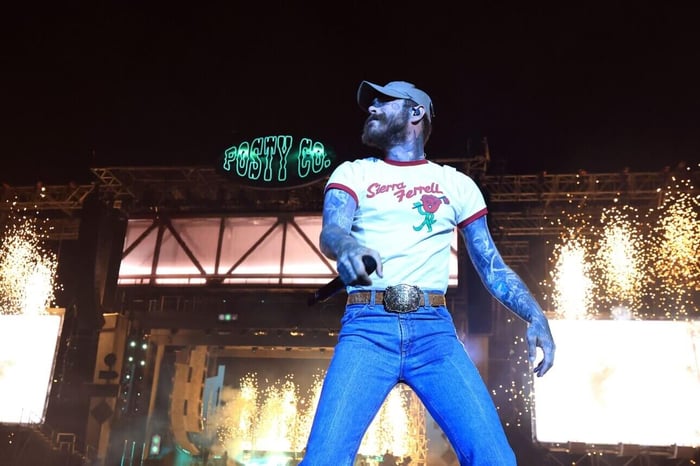
The live music scene is booming, with more artists touring globally than ever. Latin America’s explosive growth even outpaces the U.S., and despite concerns about prices and exhaustion, the live business remains healthy.
“Blue Dot Fever” Buzz
This phrase had a media moment recently, but ticket sales and live shows are holding strong. The term may have been overhyped — the live music industry is robust.
Sports & Music: The Ultimate Crossover
Sports events remain some of the last big water cooler moments. The intersection of music and sports is a 1+1=11 opportunity, with fan experiences, fashion collabs, and performances becoming just as important as the game.
The Electric Energy of New York
There’s an undeniable vibe in New York these days — from Knicks mania to Taylor Swift’s MSG celebrations and Jay-Z’s campaigns. The city is alive with an energy that only those present can truly feel.
Part V — Media, Brands & Content: The Shifting Landscape
Content Consistency Over Virality
Virality is no longer the golden ticket — consistency is king. Short-form “hot takes” dominate, and micro drama fuels ongoing engagement.
The age of bingeable, bite-sized content is here.
Creators: The Real Stars Remain Musicians
While creator economy stars like Dhar Mann and IShowSpeed boast massive followings, musicians still reign supreme as creators whose art moves culture at sonic speed.
Eventually, the creator economy may cool as audiences gravitate back to authentic artistic storytelling.
“Creators can’t hold a candle to true stars.”
Newsletters Facing Saturation
With so many newsletters flooding inboxes, the long-form email might be fading. To survive, newsletters will need to foster relationships, be interactive, and meet readers where they are — which isn’t always a crowded inbox.
Spotify’s Latest Moves
Spotify is tackling ticket scalping by partnering with Live Nation to give superfans early access, diving deeper into livestreaming, and promoting the tagline “Time Well Spent” — a poignant message when time is our most precious resource.
When was the last time you had a bad experience listening to music?
Brands Embrace Music Media
Brands are evolving into media companies. Bose recently launched a media strategy, Pharrell dropped albums during LVMH runway shows, GAP hired a Chief Entertainment Officer, and Coke launched a record label.
The fusion of culture, entertainment, and branding is more valuable than ever.
Part VI — Follow the Money: Predictions and Consolidations
Prediction Markets Booming
Over $400 million has been wagered on music prediction markets in 2026 alone, with platforms like Polymarket and Meta’s new products gaining traction.
These platforms need solid music strategies to truly unlock their potential beyond just influencer gimmicks.
Consolidation Accelerates
Big moves continue: Universal acquired Downtown, Penske scooped Vox Media’s music brands. Scale and consolidation are natural as industries mature.
IPOs and Activist Investors
The IPO boom is coming, inspired by huge successes like SpaceX. New companies like ElevenLabs and Bending Spoons are going public, while activist investors hunt undervalued assets to transform.
Part VII — What’s Next: New Aesthetics, Digital Goods & Film
New Aesthetic Trends
Forget Red Antler and Gin Lane — the hottest branding is now shaped by AI tools like Claude, ChatGPT, and Canva. The current style is glitchy, whimsical, and maximalist, creating a fresh digital visual language.
Digital Goods: Bridging Physical and Virtual
Digital music trading cards and Blackpink’s Tamagotchi-style digital pets show that digital goods have staying power, especially where they blend with physical ownership.
Music uniquely sits at this crossroad, ready to lead.
Music Making Waves in Film
2026 is a huge year for music in movies. The Michael Jackson biopic shattered box office records, Taylor Swift scored the lead single for Toy Story 5, and film festivals like Tribeca showcased vibrant music storytelling.
Shot on iPhone: Democratizing Filmmaking
More creators are shooting films entirely on phones, breaking down barriers and making premium filmmaking accessible.
“The power is no longer in the equipment. The power is in the access and the edit.”
Closing Thoughts: The Future Belongs to Culture-Savvy Innovators
All these trends share a core truth: culture is fracturing into personalized fragments, technology is speeding up, and human connection is more valuable than ever.
The winners won’t be the biggest spenders or loudest voices — they’ll be those who get culture, embrace fresh tools, and build genuine bonds with communities.
“Music is an emotional enhancement layer that sits across all of it.”
So, if you’re navigating these wild times — whether a brand, artist, or platform — remember: the second half of 2026 is shaping up to be unforgettable. The real movers are already out there, not stuck debating playlist placements.
FAQ
- What is the main new problem facing the music business?
The biggest issue is breaking new music, as younger audiences increasingly prefer catalog music from past decades over recent releases. - How is AI changing music creation?
AI is expanding creativity by enabling more people to participate in music-making and remixing, turning songs into dynamic, living platforms. - Why are catalogs so valuable right now?
Catalog music accounts for roughly 65% of streaming revenue due to nostalgia, familiarity, and algorithmic promotion, with AI promising to revitalize them further. - What role do live experiences play today?
As digital saturation grows, real-life concerts and events are crucial for authentic human connection and cultural energy. - How are brands integrating music into their strategies?
Brands are becoming media companies themselves, launching labels, producing music videos, and using music to deepen cultural relevance and audience engagement.
Ready to bring the magic of your favorite albums into your space? Shop our exclusive collection of iconic album cover posters here. Celebrate music’s timeless impact with every glance.
 | DISCOUNTGET 30% OFF*Use code on your next order:
|
* This post may contain affiliate links, meaning we earn a commission if you make a purchase through these links, at no additional cost to you.