The Sound of Music: Dr. Mustafa Said’s Heart to Heart Series Redefines Arabic Classical Music


 See more Architeg Prints stories on Google.
The Sound of Music: Dr. Mustafa Said’s Heart to Heart Series Redefines Arabic Classical Music
Immerse yourself in the purest expressions of Arab classical music with Dr. Mustafa Said’s Heart to Heart concert series, where sound is stripped to its organic essence.
A Concert Experience That Defies Modern Norms
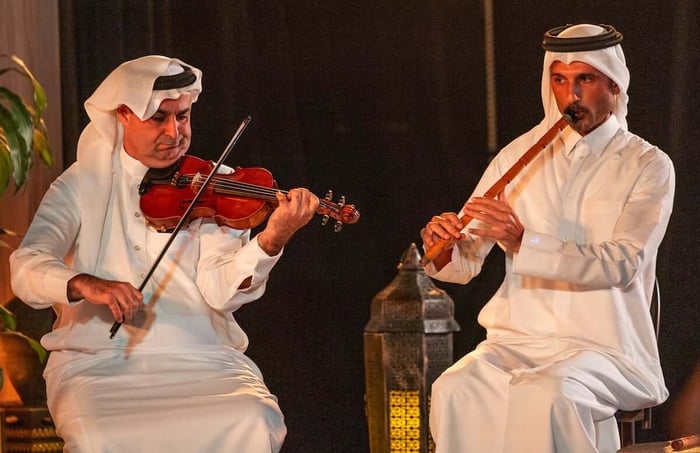
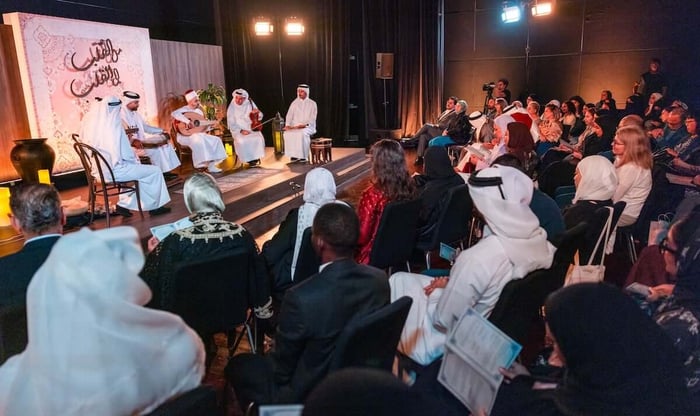
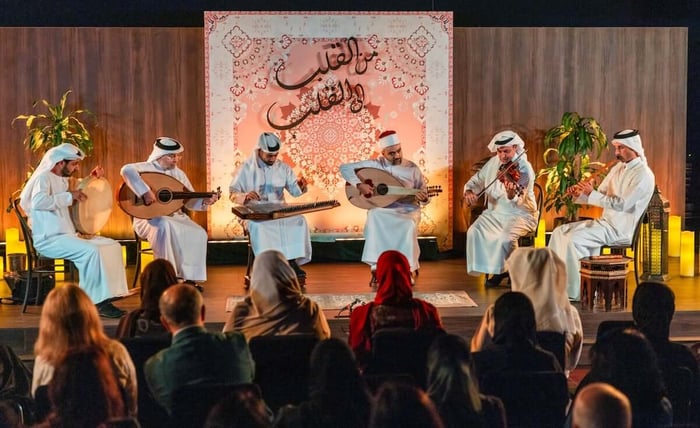
Walking into a Heart to Heart concert isn’t like stepping into your average music venue. There are no flashing phones, no booming speakers, and absolutely no screens. The audience sits close, sharing the very air with the musicians, catching every nuanced scrape of a bow and every delicate breath before a vocal phrase. On paper, this setup might sound like an overly precious, “authentic” experience marketed without much thought. But Dr. Mustafa Said, the visionary composer and oud virtuoso behind Qatar’s Heart to Heart series, has given this approach a great deal of thought.
He explains, “In 2026, ‘authentic’ doesn’t mean abandoning our human nature in favor of technology or trends. It means returning to it.” Said sees a global movement toward embracing what is organic and real, a desire to reconnect with what nurtures us both physically and emotionally.
Organic Sound Versus Amplified Noise
Said’s metaphor comparing amplified music to industrial agriculture is striking. “Amplifying music is like mass-producing crops with chemicals and hormones,” he says. While this method feeds more people or reaches more listeners, it comes at a cost — the natural benefits are lost. Amplification, he argues, strips away the intricate harmony and natural volume of sound waves, flattening their dynamic beauty into electronically shaped, simplified waveforms.
This isn’t just theory; it’s a tangible loss of “rich, organically interacting vibrations moving through space.” The intimacy between performer and listener erodes when sound is mediated by technology.
Heart to Heart: A Parallel Musical Universe
Said’s Heart to Heart series isn’t trying to replace mainstream concerts or festival spectacles; it’s offering a parallel universe where a different type of listening takes center stage. Supported by Qatar Foundation and now in its second year, the series spans eight centuries of Arabic musical heritage, drawing from ancient manuscripts and new compositions, all performed in settings designed for pure, unmediated sound.
The Heartbeat of Arabic Music: Maqam
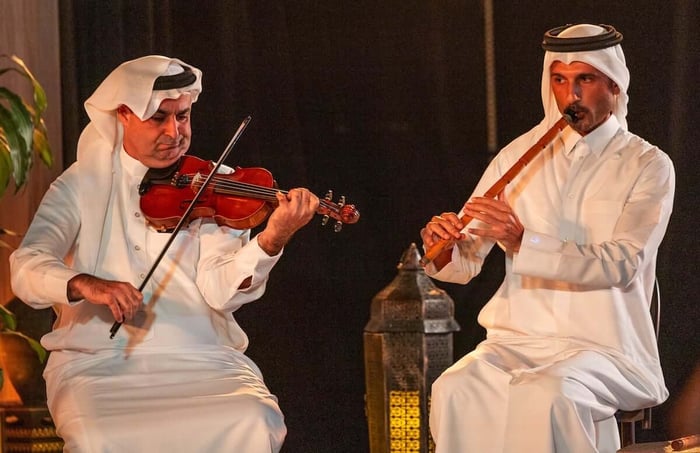
At the core of this musical tradition is maqam, the melodic system that shapes Arabic classical music. For Western ears, Dr. Said likens maqam to language: “Just as language uses tone, rhythm, emphasis, and subtle shifts to transform meaning, maqam uses melodic pathways and microtonal nuances to shape emotional expression.” It’s not just a scale or a collection of notes but a living way of thinking and communicating through sound.
Far from being a dry academic relic, maqam thrives in the collective memory of communities—woven into daily life, conversation, prayer, and musical performance. Said insists that it “lives in how people think, speak, pray, recite, and simply live their everyday lives.”
Balancing Preservation With Evolution
One might worry that maqam’s complexity could be misunderstood or diluted as it reaches a broader audience. Said counters by distinguishing classical music from pop. “Classical music develops from the inside to preserve tradition not as a monument but as living art, evolving generation after generation.” This means keeping tradition alive by allowing it to adapt naturally, rather than freezing it in time like a museum piece.
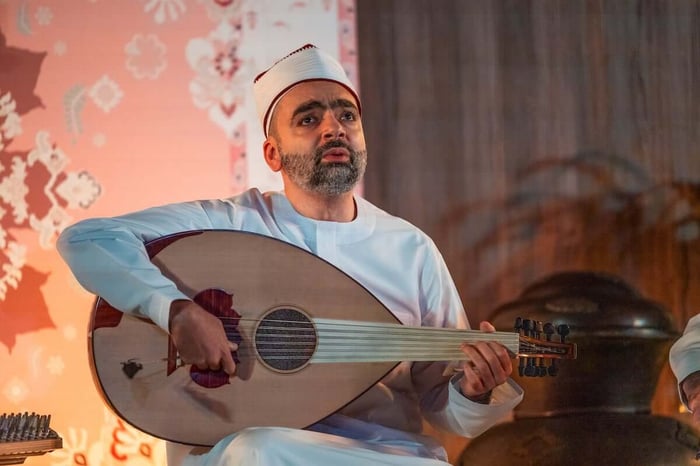
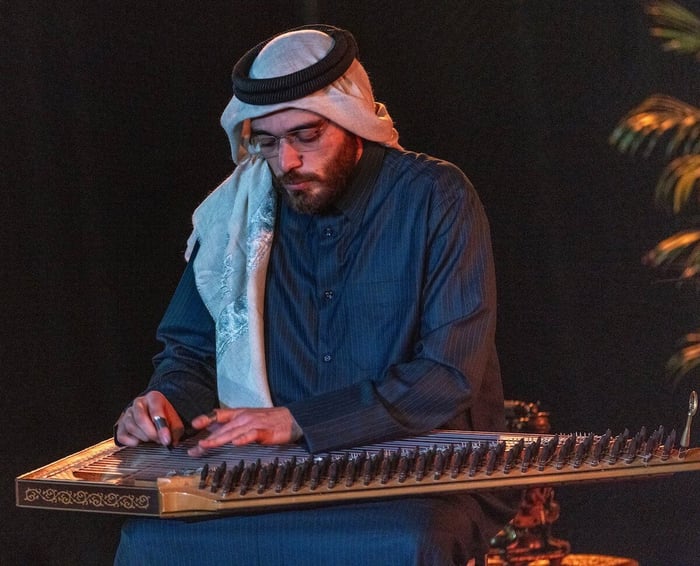
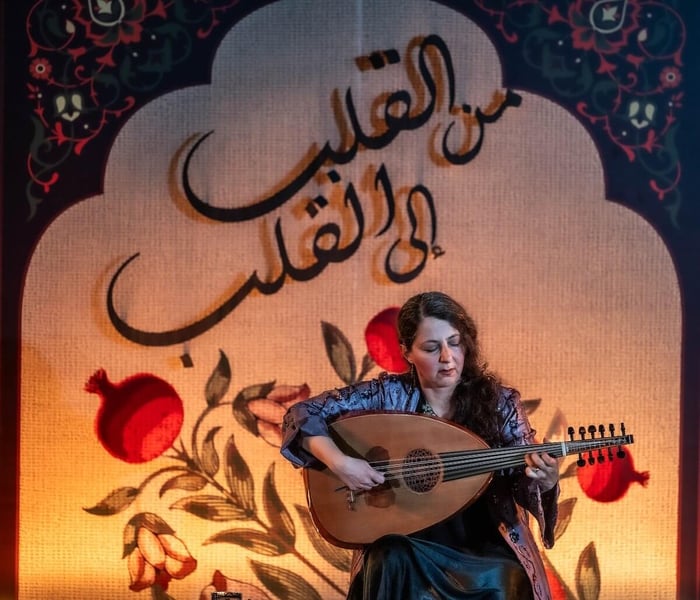
Said’s own compositions for Heart to Heart reflect this philosophy. He reimagines melodies from 19th-century manuscripts, many of which he was surprised to find had been largely neglected. The series also features other artists who either reproduce heritage works or create original pieces, all united by the series’ intimate, pure acoustic conditions.
Sound Science Meets Artistic Expression
Delving deeper, Said’s approach to sound draws on natural phenomena and scientific principles. “It’s about following the natural intervals of a wave, its topography—not trying to equalize or perfect it according to arbitrary standards. Just natural intervals and harmonics, both arithmetically and geometrically.”
This fusion of science and art is key. “Music can absolutely be understood as both a science and an art,” Said says, “with mathematical precision in its intervals, rhythm, and timing, and human expressiveness in its melody and performance.”
Heritage, Not Nostalgia
While Arab identity is central to Heart to Heart, Said is careful to avoid sentimental nostalgia. The project is firmly rooted in classical maqam music rather than pop, anchoring it in solid structure and meaningful performance rather than fleeting sentimentality.
When asked if this stripped-back, focused listening style could influence mainstream concerts, Said is measured: “It’s hard to predict. We hope it resonates and finds its place, either within or alongside the mainstream.” He stresses that Heart to Heart isn’t rejecting contemporary music culture but offering a “rebalancing” — a space where music can be experienced without distractions.
Looking to the Future of Maqam
The series positions itself as spanning eight centuries of Arabic music, bridging the past and future. So, what does the future hold for maqam? Said believes it will feel “both authentic and new.” True progress, he says, “comes from within, not from imitating dominant trends elsewhere.”
He defines truly hearing music simply: “To truly hear is to listen with full attention; to recognize and be present with sound as it is.” Stripped of technology and amplification, music reveals its essence: an art form residing primarily in the artist’s imagination and perception.
A Quiet Revolution in Listening
There’s something quietly radical about Said’s vision—no grand reset, just a patient cultivation of alternatives. Heart to Heart offers a space where listening becomes “an act of care, grounding us in what is real and helping preserve the health of both body and soul.”
As music fans, it’s rare to encounter such a deliberate return to simplicity in sound, especially in an era dominated by screens and amplification. But this approach might just remind us what music is really about: connection, presence, and shared experience.
FAQ
- What is the Heart to Heart concert series?
It’s an intimate music series in Qatar that celebrates Arabic classical music by emphasizing unamplified, close-range performances to foster deep listening. - Who is Dr. Mustafa Said?
A composer and oud player, Said is the creative force behind Heart to Heart, dedicated to preserving and evolving Arabic classical music traditions. - What is maqam in Arabic music?
Maqam is a complex melodic system that shapes the emotional and expressive character of Arabic classical music, akin to how language conveys meaning. - Why does Heart to Heart avoid amplification and technology?
To preserve the natural harmony and spatial complexity of sound, allowing listeners to experience music in its pure, organic form. - Can this approach influence mainstream music culture?
While uncertain, Said hopes Heart to Heart encourages more attentive, distraction-free listening experiences alongside mainstream concerts.
If this journey into the heart of Arabic classical music speaks to you, bring that soulful connection home—shop your favorite album cover posters at Architeg Prints and keep the music alive on your walls.
 | DISCOUNTGET 30% OFF*Use code on your next order:
|
* This post may contain affiliate links, meaning we earn a commission if you make a purchase through these links, at no additional cost to you.