
This Headset Was Grown by Code: A Stunning Leap in Generative Design



This Headset Was Grown by Code: A Stunning Leap in Generative Design
Explore how generative design revolutionizes headset aesthetics and function, blending organic forms with futuristic tech.
The Future of Design: When Algorithms Take the Lead
Imagine a world where your headphones don’t just get designed but are actually grown by code, sculpted by algorithms instead of traditional sketches. That’s exactly what the Grow headset concept embodies — a radical departure from the usual consumer tech design, where the invisible math behind engineering becomes the star of the show.
Generative design isn’t new; aerospace and automotive engineers have been using it for years to trim weight and optimize parts. But in consumer electronics, the approach has mostly stayed behind the scenes, hidden under smooth, familiar surfaces. The Grow headset flips the script, showcasing the raw, organic structure born from thousands of algorithmic iterations.

A Frame Like No Other: Engineering Meets Nature’s Blueprint
The most eye-catching feature of the Grow headset has to be its frame. Unlike the typical padded headband hiding a metal core, this headset flaunts an exoskeleton that looks straight out of a coral reef or ancient fossil. Every curve and hollow in the structure is there for a reason — the algorithm calculated where material was crucial for strength and where it could be shaved off to save weight.
This approach mirrors how nature builds bone: efficient, strong, and beautiful. The result? A frame that’s as much art as it is engineering.


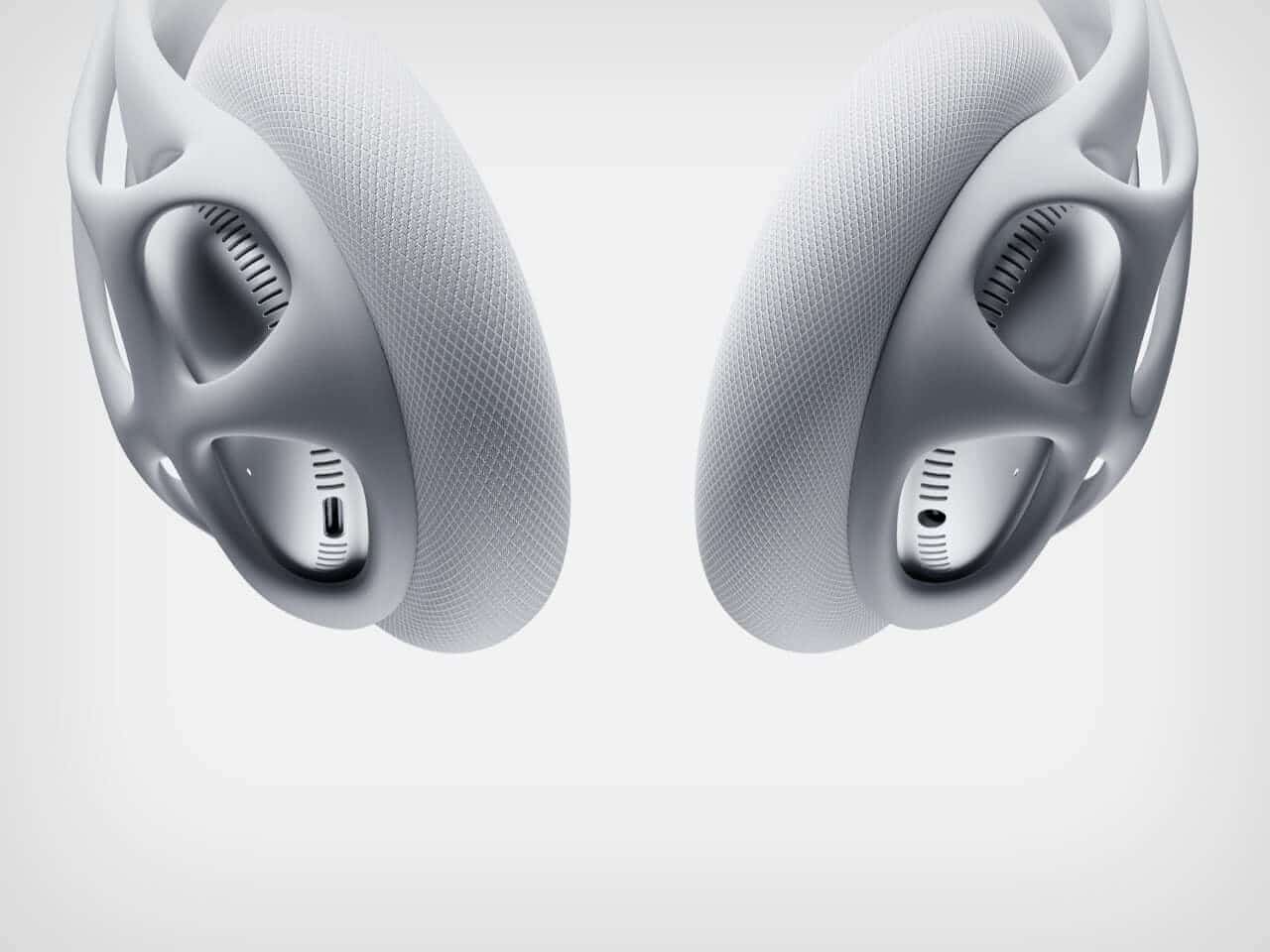
Sleek Meets Surreal: Organic Tech with a Designer’s Touch
Peel back the skeletal outer shell, and the Grow headset feels like it could easily sit on a minimalist Apple store shelf. With metal outer shells and inner earcups crafted from diamond-woven mesh, it channels the elegance of visionary designers like Ross Lovegrove or Zaha Hadid. It’s alien and bony, yes, but with a polish and pristine quality that’s undeniably high-end.
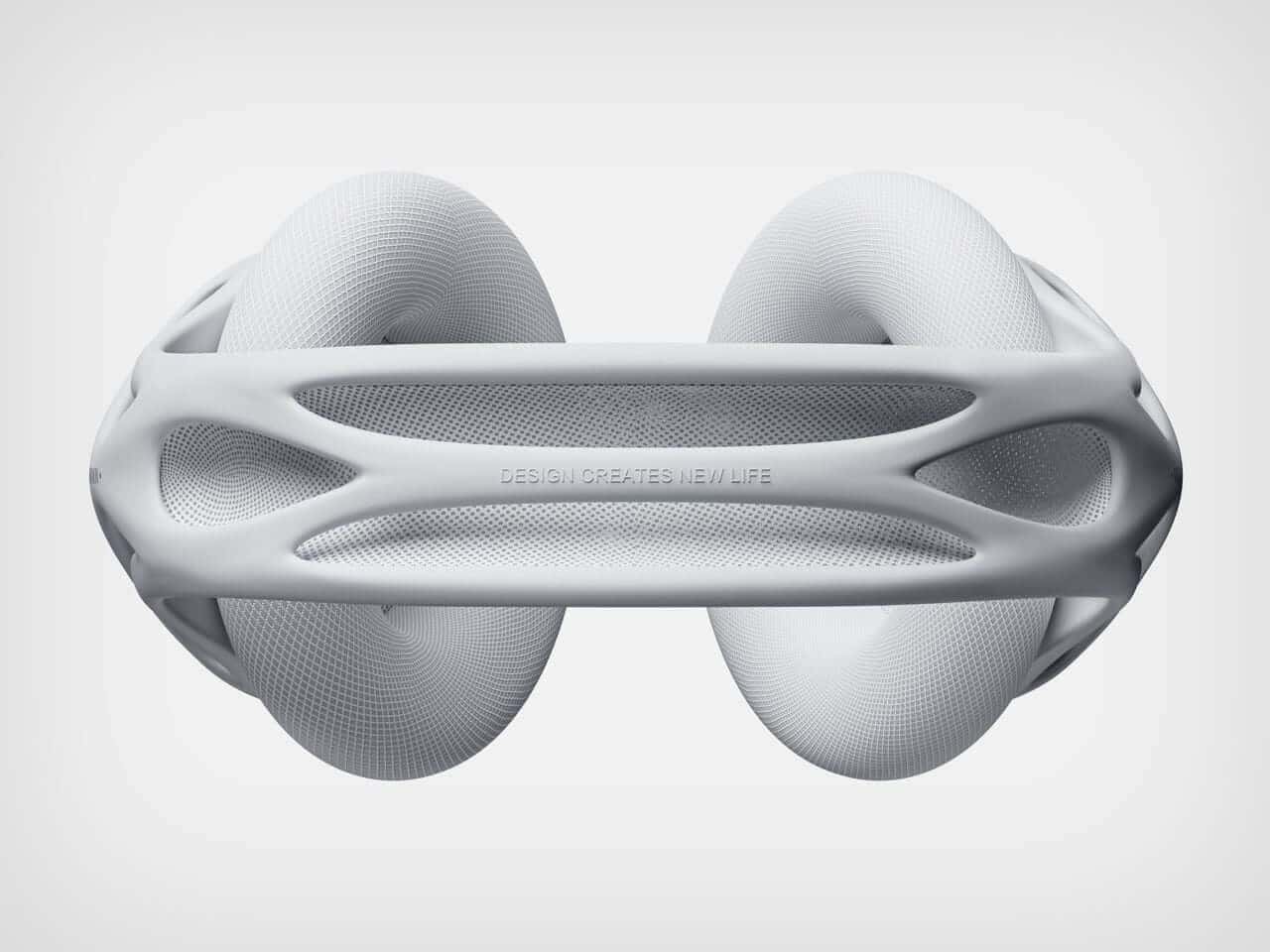
Color and Perception: From Bleached Bone to Alien Artifact
The headset’s palette plays a major role in how we see it. The default white and light gray hues emphasize that skeletal, bleached bone vibe, evoking both natural history and science fiction. But swap those colors for darker tones, and suddenly the headset appears more alien, more synthetic—almost like a relic from a future civilization.
This fluidity in perception underscores how color can shift our interpretation of form—organic or mechanical, familiar or unearthly.


Beyond Looks: Why Generative Design Could Shape the Next Tech Wave
Grow’s design isn’t just about aesthetics; it’s about rethinking what’s possible in consumer tech. While trends like transparency tweak materials for style’s sake, generative design dives deep—adjusting every curve and hollow to enhance performance, durability, and wearability.
Though these intricate forms might initially require more material, they can be finely tuned by algorithms to balance strength, weight, and comfort. It’s a promising direction for future products—where beauty and function grow organically, guided by data and innovation.
“Every solid section and every void exists because the math said it should be there.”
FAQ
- What is generative design and how does it differ from traditional design?
Generative design uses algorithms to create thousands of design iterations based on specific constraints, unlike traditional design which usually relies on human intuition and sketches. - Why does the Grow headset have such an unusual frame?
Its frame is formed through generative design, resulting in organic, bone-like structures optimized for strength and weight reduction. - Can generative design improve comfort in wearable tech?
Yes, by precisely balancing material placement and structure, these designs can be tailored to enhance comfort and durability. - Is this headset design practical for mass production?
While complex, advances in manufacturing like 3D printing make producing such intricate designs increasingly feasible. - How does color change the perception of the Grow headset?
Lighter colors highlight its natural, skeletal inspiration, while darker tones give it a more futuristic, alien feel.
Looking to bring a piece of this futuristic art into your space? Shop your favorite album cover posters and find unique prints that celebrate innovative design at our store: architeg-prints.com.
 | DISCOUNTGET 30% OFF*Use code on your next order:
|
* This post may contain affiliate links, meaning we earn a commission if you make a purchase through these links, at no additional cost to you.