Top Wireless Multi-Room Audio Systems of 2026: Expert Reviews and Insights


 See more Architeg Prints stories on Google.
Top Wireless Multi-Room Audio Systems of 2026: Expert Reviews and Insights
Explore the ultimate wireless multi-room systems of 2026, blending convenience and high-quality sound to fill your home with seamless audio.
Why Wireless Multi-Room Audio?
Imagine this: your favorite playlist or that fascinating podcast following you effortlessly from the living room to the kitchen, then on to the bedroom, without a single skip or pause. For many, having a dedicated room just for serious music listening is a pipe dream. But multi-room wireless audio systems bring that dream closer to reality. They free you from the tangle of wires and let music roam freely, turning your entire home into a personal soundscape.
While audiophiles might argue that wired setups still reign supreme when it comes to pure sound quality, wireless multi-room systems come with perks that make them incredibly appealing. You can place speakers anywhere—spread out across different rooms or even floors—creating a whole-house musical experience with internet radio, streaming services, or your local library, all at your fingertips.
Plus, many of these systems double as powerful home theater setups when you’re not streaming tunes. And the best part? You don’t need to buy everything at once. Build your system gradually, room by room, syncing perfectly with your budget and your evolving listening habits.
1. Bluesound Powernode (2021) / Node: The Hi-Res Heavyweight
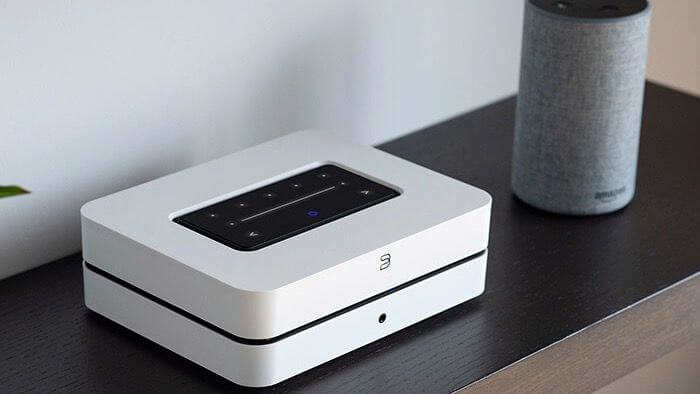
If you’re after a multi-room system that balances powerful features, luxurious sound, and competitive pricing, Bluesound should be top of your list. Their Node Icon streamer snagged a What Hi-Fi? award last year, and the base Node (2024) and Node Nano models hold their ground firmly with solid four-star ratings.
Bluesound doesn’t just stop at streamers; they also offer Dolby Atmos-enabled soundbars like Pulse Cinema and Pulse Cinema Mini.
Powered by their proprietary BluOS platform, Bluesound supports over 20 streaming services (including various “Connect” versions) and can handle high-resolution audio up to 24-bit/192 kHz. Its format compatibility is impressive, too.
One of their standout features is Dirac Live sound calibration, which adapts audio output to your room’s geometry and acoustics, cleaning up phase distortions and sharpening clarity. You will need to purchase the calibration mic and Dirac license separately to unlock this magic.
Some downsides? DSD file support is limited to devices released from 2024 onward and relies on PCM conversion, while Chromecast support is almost nonexistent.
A recent innovation is the Node Icon’s integration of Qrono technology from MQA Labs, improving DAC timing to offer sound extremely close to studio-quality originals.
BluOS’s app is intuitive and versatile, letting you tweak gain, toggle mono/stereo, and adjust tone controls. The platform is more open than Sonos, enabling easy wireless connections to third-party gear like Cyrus 40 ST, NAD C 3050, Roksan Attessa, or Dali Oberon C speakers.
In short, Bluesound is the reigning champion for high-resolution wireless multi-room audio.
Key Features:
- Wi-Fi and Ethernet support
- Streaming: Spotify Connect, Tidal Connect, Qobuz Connect, Amazon Music, Internet radio, Roon Ready, Dirac Live Ready, AirPlay 2
- Voice control: Amazon Alexa
- Format support: MP3, WMA, FLAC, ALAC, WAV, AAC, OGG, DSD, MQA, AIFF
- Bluetooth available
Pros:
- User-friendly, logical control system
- Alexa, AirPlay 2, and Bluetooth integration
- Supports third-party BluOS hardware
Cons:
- Entry-level models lack some features compared to rivals
2. Sonos Multi-Room System: The Ecosystem Pioneer

The wireless audio market has never been more crowded, but few brands match the ecosystem’s fullness and ease of use like Sonos.
Their strengths lie in a vast hardware selection and remarkably simple operation.
While competitors scrambled to catch up, Sonos rolled out an army of new devices—from portable Play speakers to the top-tier Arc Ultra soundbar. They expanded integration with numerous services, including Apple Music Spatial Audio, and introduced lossless audio support. Their multi-room interface is nothing short of a joy to navigate.
However, not everything in the Sonos camp is perfect. Their first wireless headphones earned only three stars — a disappointment after years of anticipation. The CEO’s resignation followed a disastrous app update that broke numerous functions, frustrating many users.
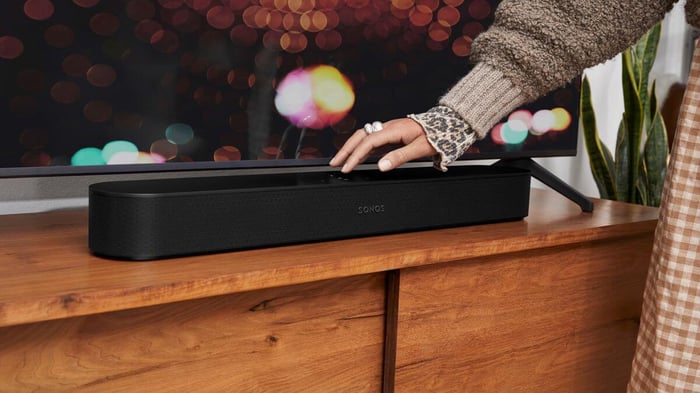
Sonos also lost some ground in wireless speaker categories in recent What Hi-Fi? awards, though Beam (Gen 2) and Arc Ultra soundbars still grabbed honors.
Despite these setbacks, Sonos remains highly appealing, boasting a massive device ecosystem, the best streaming service support, and arguably the most refined user experience in the market.
For newcomers to wireless audio, Sonos is a solid starting point—just be prepared to spend. Expect to shell out around $999 (about $780 USD) for the Arc Ultra soundbar, with periodic sales offering some relief.
Key Features:
- Wi-Fi and Ethernet available
- Streaming: Spotify Connect, Tidal, Qobuz, Apple Music
- Voice control: Amazon Alexa
- Format support: MP3, WMA, FLAC (up to 16-bit/44.1 kHz), WAV, AAC, AIFF
- No Bluetooth support
Pros:
- Best user experience on the market
- Stable and immersive sound
- Regular software updates
Cons:
- Some speakers lag behind competitors in sound quality
- No support for high-resolution audio
3. Audio Pro Multi-Room: Best Value for Sound Quality

Swedish brand Audio Pro might not have the most extensive lineup or the flashiest app, but when it comes to pure sound quality for your money, they’re in a league of their own.
Recent releases like the Addon C10 MkII, C20, and award-winning C20 W have shown they’re serious players.
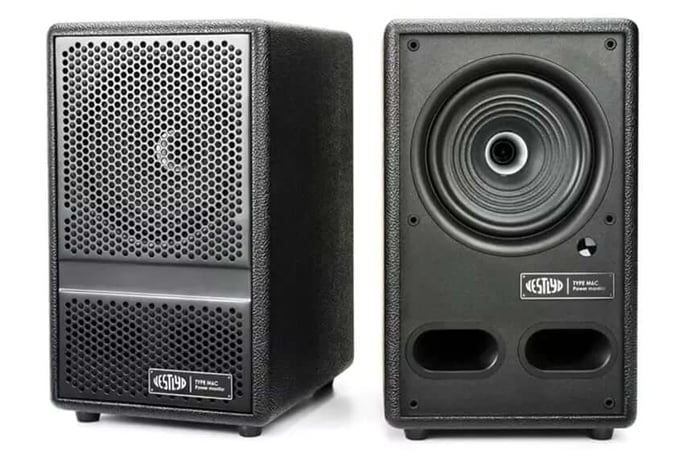
Their compact and affordable Link 1 streamer can upgrade your old classic Hi-Fi into a modern multi-room system. Audio Pro speakers offer a grand, musical experience rarely matched at this price.
To give you an idea: their Drumfire system outperformed the first-gen Naim Mu-so in sound quality while costing half as much!
The design isn’t for everyone—unlike Sonos’s sleek shapes, Audio Pro opts for more utilitarian looks—but the build quality and rich sound more than make up for it. Plus, outfitting your whole home with these speakers won’t break the bank.
Key Features:
- Wi-Fi, Ethernet
- Optical and RCA outputs
- Streaming: AirPlay, Spotify Connect, Tidal, Deezer, TuneIn, Qobuz
- No voice control
- Bluetooth supported
Pros:
- Detailed, expressive sound
- Easy integration with old audio gear via hub
- Excellent price-to-performance ratio
Cons:
- App lacks polish and stability compared to rivals
- No soundbar options
4. Apple HomePod 2: The iOS Powerhouse
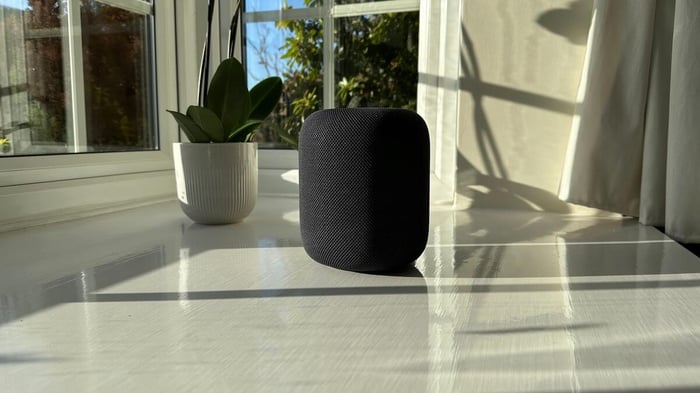
Award-winning HomePod 2 is Apple’s flagship speaker that significantly outshines its smaller sibling, the HomePod Mini. You can group any number of Apple speakers into a multi-room system, and when paired with the Apple TV 4K, they transform into a stylish home theater.
Sound-wise, HomePod 2 marks a massive leap forward from the 2018 original.
Our tests found it one of the best smart speakers around, completely outclassing Amazon Echo Studio with tighter, more precise bass and no distracting background hiss.
The bass is truly impressive. As noted in our review:
“The speaker delivers flexible, deep lows that many wireless systems can only dream about.”
Setup is pure Apple magic: just bring your iPhone close, tap a few buttons, and boom—the speaker joins your smart home. It even scans your room acoustics and fine-tunes sound in real-time.
However, its biggest strength is also its biggest limitation: it’s Apple-only. Without an iPhone, this speaker becomes a flashy paperweight.
All communication runs on AirPlay 2, natively supporting only Apple Music streaming, and Siri is your only assistant.
If you live outside the Apple universe, better opt for universal systems like Sonos or others on this list.
Rumors of a future HomePod with a built-in screen have been swirling—if true, that’d shake up the market significantly.
Key Features:
- Wi-Fi only (no Ethernet)
- No physical outputs
- Streaming via AirPlay, Amazon Music, Deezer, Pandora
- Voice control: Siri
- Bluetooth supported
Pros:
- Natural, dense, and energetic sound
- Spatial audio support (Atmos) for immersive experience
- Impeccable build quality
Cons:
- Apple ecosystem exclusive
- Siri’s limited service control (no Spotify, Tidal)
- Some competitors sound more direct and aggressive
5. WiiM: The Bold Newcomer
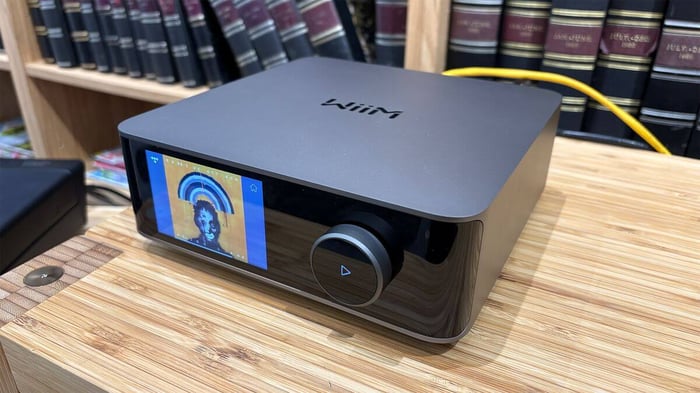
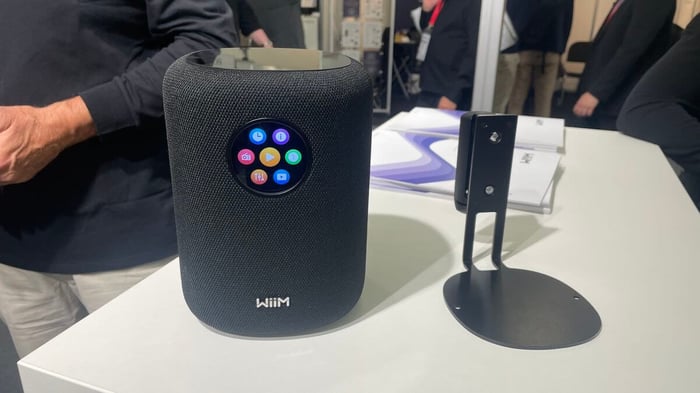
WiiM is a daring new entrant that’s already making waves. Their WiiM Pro Plus streamer won a What Hi-Fi? award thanks to its detailed sound at a jaw-dropping price. The Amp Pro proved a high-fidelity system can live in a single box—just add speakers. They’ve also launched the smart WiiM Sound speaker (a HomePod challenger) and the budget-friendly Sound Lite to compete with Amazon devices.
Their gear suits every budget, and sound quality consistently impresses (though a few models earned only three stars).
Be sure to check specs carefully before you buy, as ports and features vary wildly—from recent models dropping AirPlay support to others packed with streaming options.
Design is minimalist, often just plain black boxes, though the new Amp Ultra looks more refined. The plastic sometimes feels cheap, but don’t be fooled—the software is mind-blowing.
WiiM supports all popular formats and streaming services. Their WiiM Home app is fast, intuitive, and frankly shocking given the hardware prices. Not surprising, since parent company LinkPlay also develops software for Audio Pro.
Hardware easily handles hi-res audio up to 24-bit/192 kHz.
This ecosystem is an exciting disruptor, proving quality multi-room audio doesn’t have to drain your wallet.
Key Features:
- Wi-Fi, Ethernet
- Streaming: Google Chromecast, Spotify Connect, Tidal Connect, Qobuz Connect, Deezer, Amazon Music, Pandora, TuneIn
- Voice control: Amazon Alexa and Google Assistant (via smart speakers)
- Formats: MP3, WMA, FLAC, ALAC, WAV, AAC, SBC, DSD, LC3, AIFF
- Bluetooth supported
Pros:
- Incredible value for money
- Fast, user-friendly app
- Clean, high-quality sound
- Wide hardware range for all budgets
Cons:
- Some find sound a bit dry
- Feature set varies by model
- Design lacks premium flair
Other Noteworthy Mentions
- Amazon Echo / Echo Dot: If you already own Amazon Echo speakers or compatible devices, it’s easy to create a budget multi-room system. These are the most affordable way to spread music throughout your home, but beware of the underwhelming Echo Dot Max, which only scored two stars in our tests.
Choosing the Right Multi-Room System for You
The beauty of multi-room setups is you don’t have to buy everything at once. Starting with a couple of speakers and expanding room by room gives you the chance to test the ecosystem and spread your expenses over months or even years.
Most systems play nice with voice assistants like Siri, Google Assistant, and Alexa, and let you control music from your phone. You can blast one song across your entire home or customize the vibe in each room—a perfect recipe for household harmony.
Sonos has built a legendary reputation with its user-friendly software and solid sound, but competitors bring unique perks like hi-res support, rare streaming options, or better Bluetooth functionality. Your choice boils down to what you listen to and your budget.
How We Test Multi-Room Systems
We put every system head-to-head against direct competitors. Unlike most lab tests, we bring multi-room gadgets home, placing them in different rooms and living with them as if they were ours (sadly, we have to return them afterward).
This approach reveals how systems behave in real life.
We assess sound quality, connection stability, app usability, and setup speed. Tests usually involve at least two speakers and one soundbar per brand, depending on the lineup.
No PR teams or sales departments influence verdicts—the expert team makes unbiased decisions.
FAQ
- Is it worth using a multi-room audio system?
Absolutely. It offers the freedom to enjoy music anywhere, whether a whole-house party or different tunes in each room. - How much does a whole-home audio system cost?
Prices start around $100 for basic smart speakers and can skyrocket for audiophile-grade setups in every room. - Which audio system is the best overall?
Sonos leads with a robust ecosystem and solid sound, but competitors offer better hi-res options and features. Recent app issues with Sonos have made some users cautious. - Can I use voice assistants with these systems?
Yes, most systems support Siri, Alexa, or Google Assistant, though features vary. - Will wireless multi-room systems work with my existing audio gear?
Some, like Bluesound and Audio Pro, integrate well with older equipment via hubs or open platforms.
Ready to bring your favorite album covers to life? Shop our stylish, high-quality album cover posters and celebrate your music passion with stunning art at Architeg Prints. A perfect complement to your multi-room audio vibes.
 | DISCOUNTGET 30% OFF*Use code on your next order:
|
* This post may contain affiliate links, meaning we earn a commission if you make a purchase through these links, at no additional cost to you.