Trump Reacts as Judge Orders Removal of His Name from Kennedy Center


Trump Reacts as Judge Orders Removal of His Name from Kennedy Center
Amid legal clashes, a federal judge mandates the removal of Trump’s name from the Kennedy Center, stirring controversy and sparking heated social media backlash.
When it comes to the cultural heartbeat of Washington DC, few venues resonate like the Kennedy Center for the Performing Arts. So, imagine the shockwaves when a judge ruled that the center must remove Donald Trump’s name from its title — a decision that unleashed a storm of reactions, especially from Trump himself.
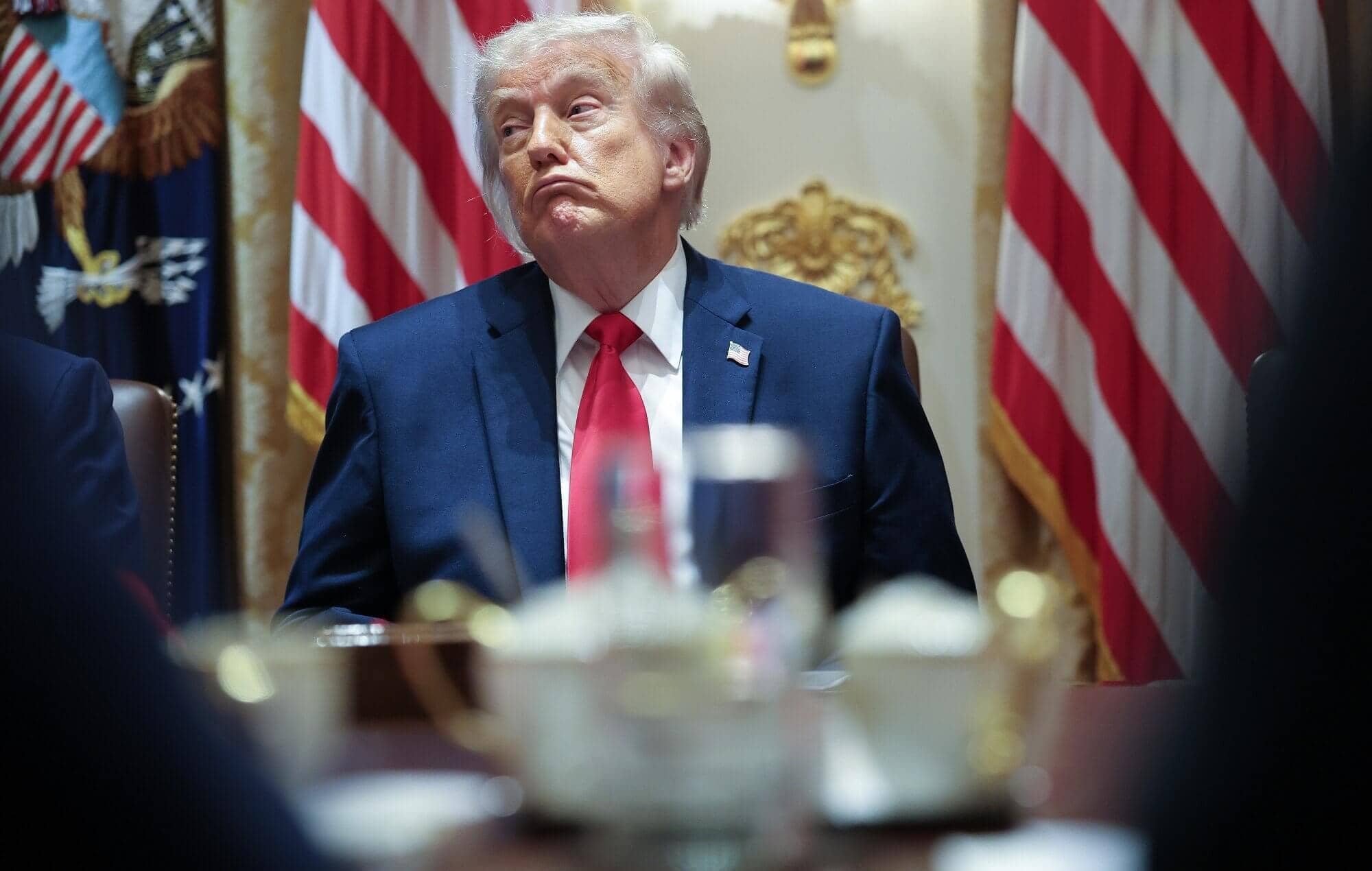
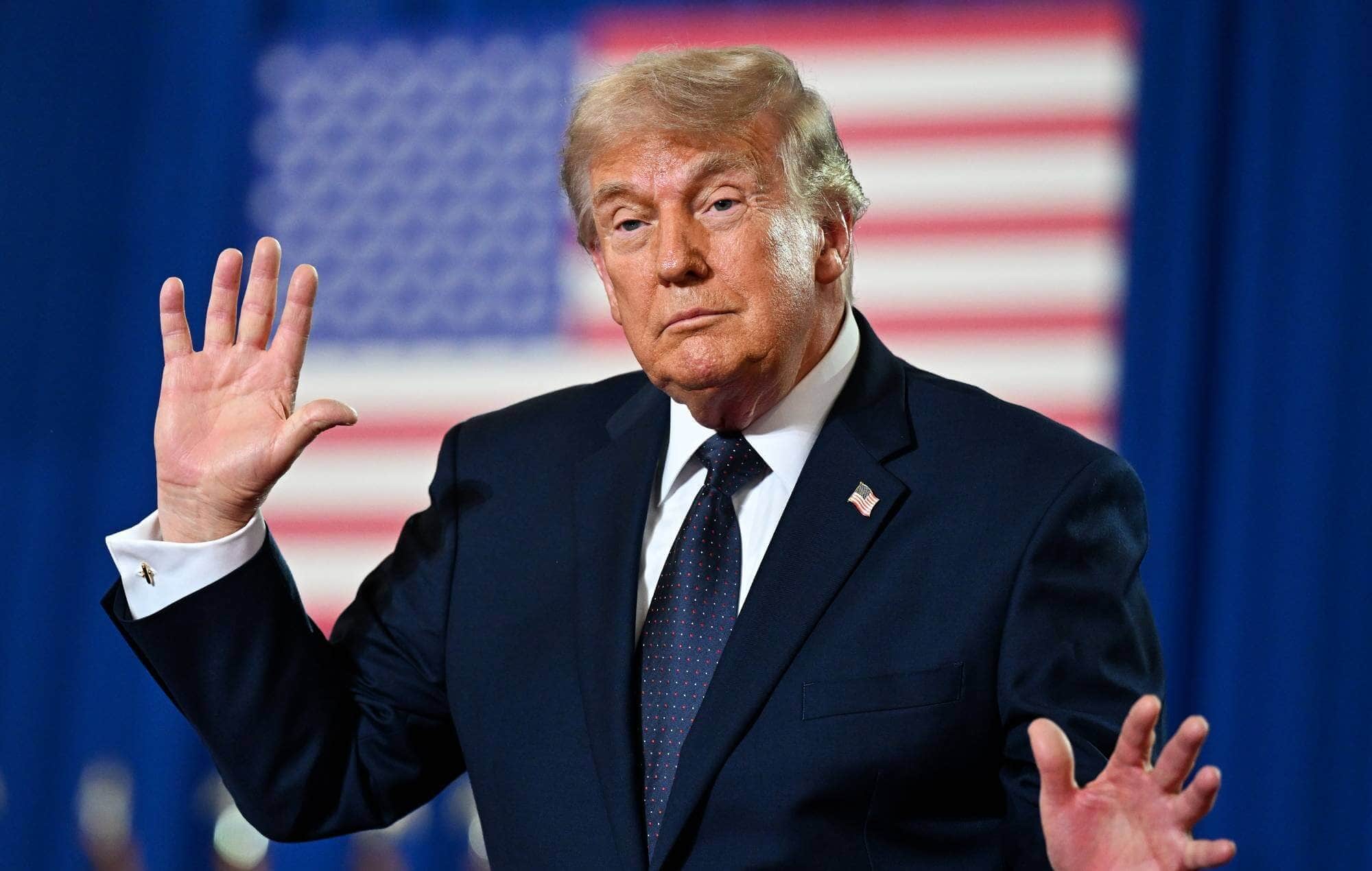
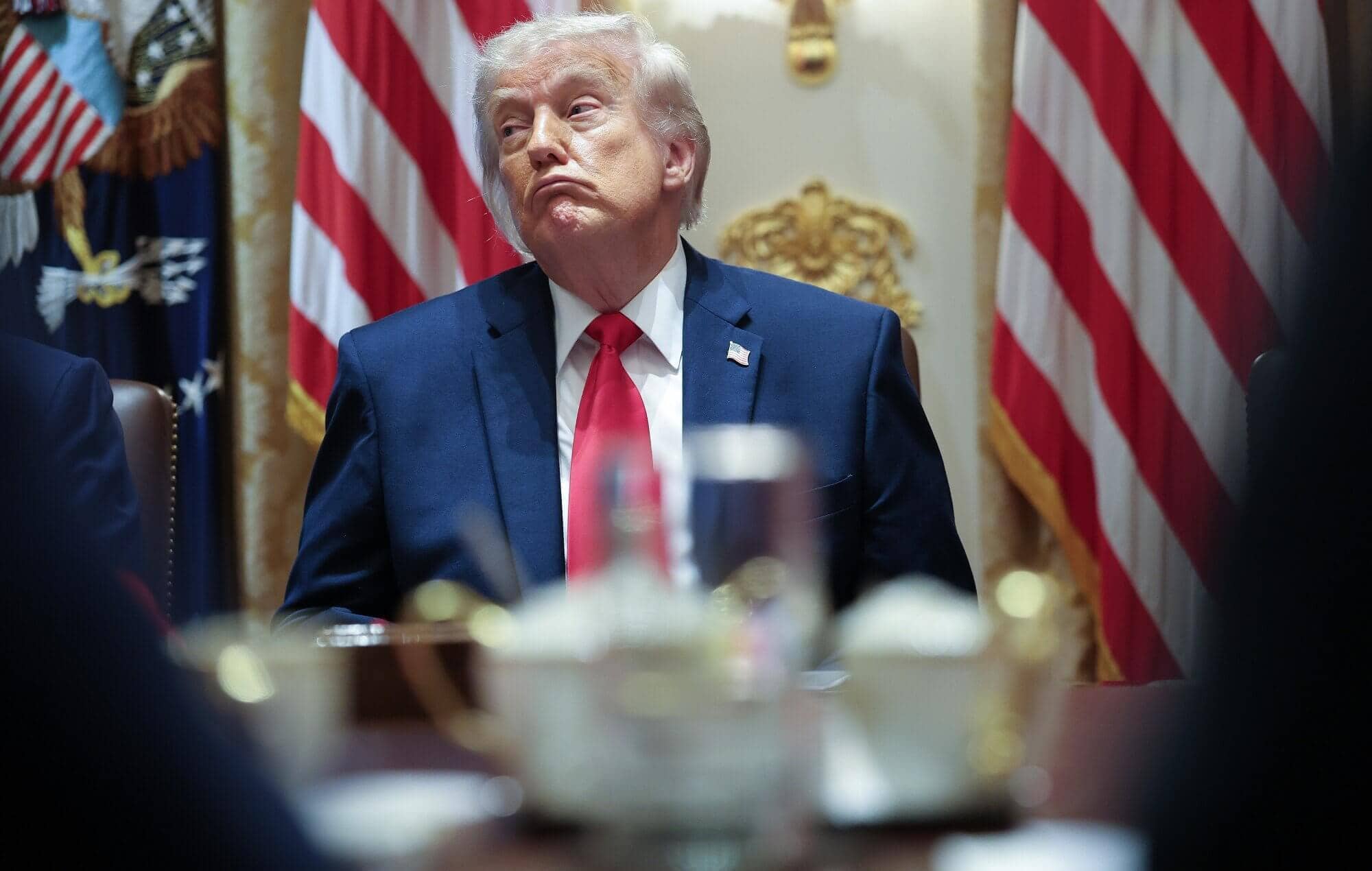
Donald Trump pictured in 2016.
A Controversial Name Change Sparks Turmoil
The saga began last December when the Kennedy Center's board voted to rename the iconic venue as the Trump-Kennedy Center, officially dubbing it “The Donald J Trump and John F Kennedy Memorial Center for the Performing Arts”. This bold rebranding was meant to honor Trump’s efforts, as the board claimed he played a vital role in saving the building. But the decision quickly ignited a firestorm of backlash.
Over the past months, this name change has not sat well with many artists and performers. Several high-profile talents began pulling out of shows and boycotting the Kennedy Center entirely, arguing that the venue no longer represented the apolitical haven for artistic expression it once was. The tension escalated beyond the stage, exposing deep divisions around the politicization of a treasured cultural institution.
The Court’s Verdict: Name Must Be Removed
On May 29, 2026, District Judge Christopher Cooper issued a decisive ruling that the Kennedy Center cannot be renamed without congressional approval. The court ordered the removal of Trump’s name from the venue’s title, façade, signage, and official materials within 14 days.
“The Kennedy Center’s organic statute makes crystal clear that the Center is to be named for President Kennedy,” Judge Cooper wrote. “It cannot bear any other formal name or public memorial based on the Board’s unilateral say-so. Congress gave the Kennedy Center its name, and only Congress can change it.”
This ruling effectively forced the venue’s name back to its original and historic designation: “John F Kennedy Memorial Center for the Performing Arts”. The decision underscored the legal framework protecting the legacy of President Kennedy and limited the board’s authority in overriding that.
Trump’s Fiery Response on Truth Social
Not one to hold back, Trump took to his social media platform, Truth Social, unleashing a lengthy tirade against the judge and what he dubbed “the Radical Left.” He accused them of wanting to see the Kennedy Center “die” rather than allowing him to “transform it into something that everyone could be proud of.”
He wrote, “Unless I am free to do what I do better than anyone else, bring this Institution back, physically, financially, and artistically, I have no interest in continuing what could only be a hopeless journey into ‘NEVER NEVER LAND’.”
In a further statement, Trump vowed to work with Congress to “transfer this failing Institution back to them,” signaling ongoing legal and political battles over the future of the Kennedy Center.
Artists Boycott the Venue
The name dispute wasn’t just a legal matter—it deeply affected the artistic community. In 2025, Stephen Schwartz, the celebrated composer behind Wicked, publicly joined the growing list of artists boycotting the Kennedy Center. He declared that it no longer represented the apolitical sanctuary for free artistic expression that it was founded to be.
This sentiment resonated widely. Performers and creative professionals expressed their discomfort with the politicization of the venue, leading to a significant drop in scheduled performances and public support.
Trolling and Public Reactions
Adding a layer of internet irony to the drama, South Park writer Toby Morton had already jumped ahead by buying Trump-Kennedy Center domain names months before the board’s official renaming. His move was a cheeky troll targeting the President, fueling online discussion around the entire controversy.
The Fallout Extends Beyond the Kennedy Center
The name-removal saga at the Kennedy Center isn’t the only cultural clash involving Trump recently. Another major event, Trump’s Freedom 250 celebration at the Great American State Fair, held between June 25 and July 10 in Washington DC's National Mall, has faced a slew of artist dropouts.
Originally featuring acts like Vanilla Ice, Milli Vanilli, Flo Rida, Poison frontman Bret Michaels, The Commodores, Young MC, Morris Day & The Time, and C+C Music Factory, the lineup has been whittled down as many performers pulled out in protest of Trump’s actions.
The event was billed as a “once-in-a-generation celebration” aiming to unite all 56 US states and territories in a World’s Fair-scale spectacle. Yet, the politics surrounding Trump’s involvement turned it into a lightning rod, mirroring the tension seen with the Kennedy Center.
Looking Ahead: What’s Next for the Kennedy Center?
As the Kennedy Center prepares to revert to its original name, the institution finds itself at a crossroads. A spokesperson for the center confirmed plans to appeal the judge’s order, signaling that the dispute is far from over.
For now, the court’s decision stands as a reminder of the legal limits surrounding cultural symbols and the fierce debates that emerge when politics collide with art. Whether the Kennedy Center can recover its status as a neutral ground for artistic expression remains to be seen.
FAQ
- What was the original name of the Kennedy Center?
The venue was originally named the John F Kennedy Memorial Center for the Performing Arts when it opened in 1971. - Why did the Kennedy Center board want to add Trump’s name?
The board claimed the renaming honored Trump’s efforts in saving the center and revitalizing it financially and artistically. - Who ordered the removal of Trump’s name?
District Judge Christopher Cooper ruled that the name change was invalid without Congress’s approval. - How did artists respond to the name change?
Many artists, including Stephen Schwartz, boycotted the center, feeling the name change politicized and compromised the venue’s integrity. - What other events have been affected by Trump’s involvement?
The Freedom 250 celebration faced numerous artist dropouts, reflecting the ongoing cultural and political controversies tied to Trump.
If you’re passionate about the arts and want to celebrate the rich history of iconic venues, why not shop your favorite album cover poster at our store? It’s a great way to bring a piece of music and performance history into your own space.
 | DISCOUNTGET 30% OFF*Use code on your next order:
|
* This post may contain affiliate links, meaning we earn a commission if you make a purchase through these links, at no additional cost to you.