U2 Carnaval de Luz: Defiant Joy, Collaboration, and What’s Next


U2 Carnaval de Luz: Defiant Joy, Collaboration, and What’s Next
U2 Carnaval de Luz brings “defiant joy,” fresh creative energy, and a renewed love of collaboration as the band looks toward its next chapter.
A new chapter shaped by defiant joy
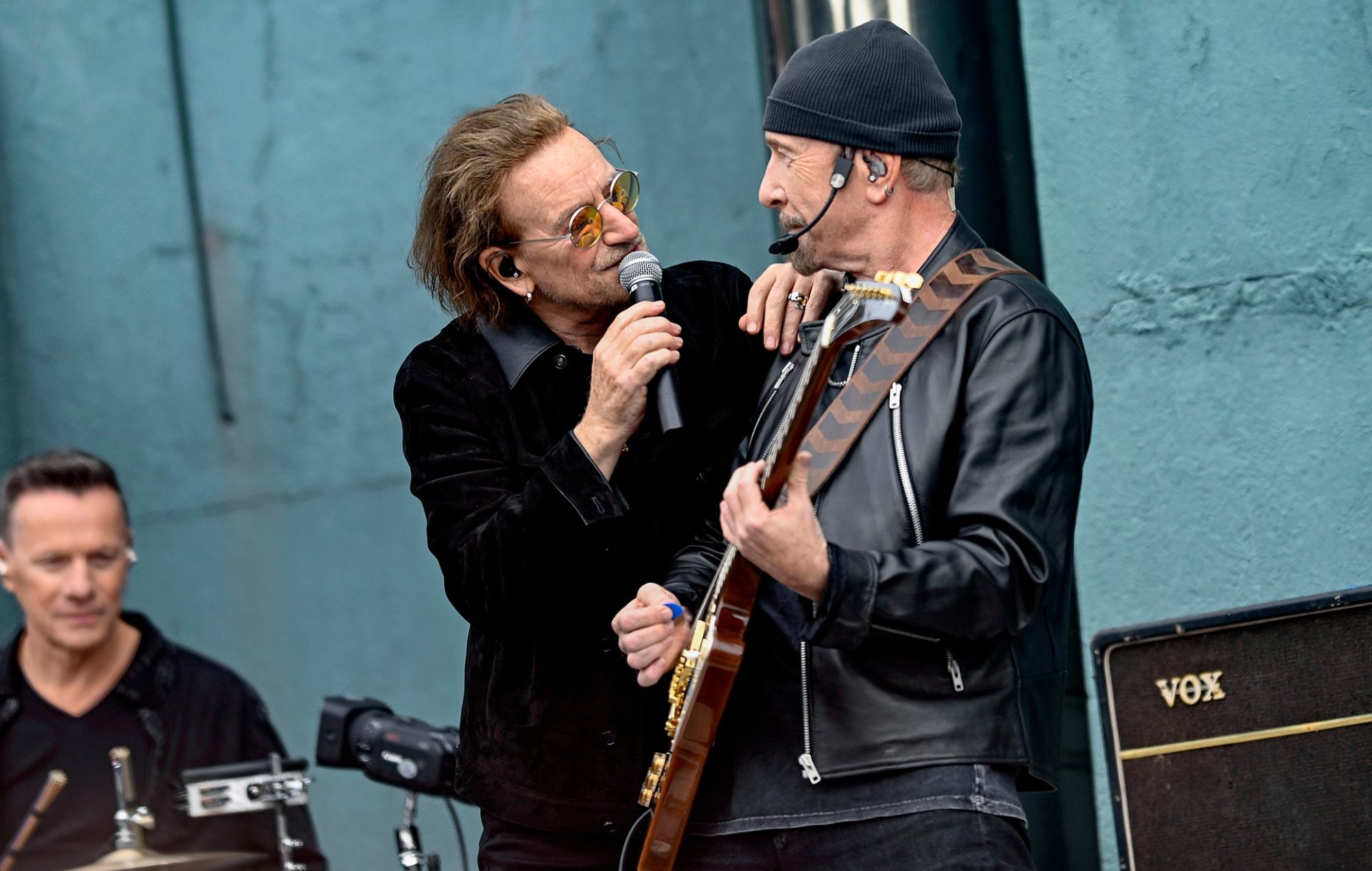
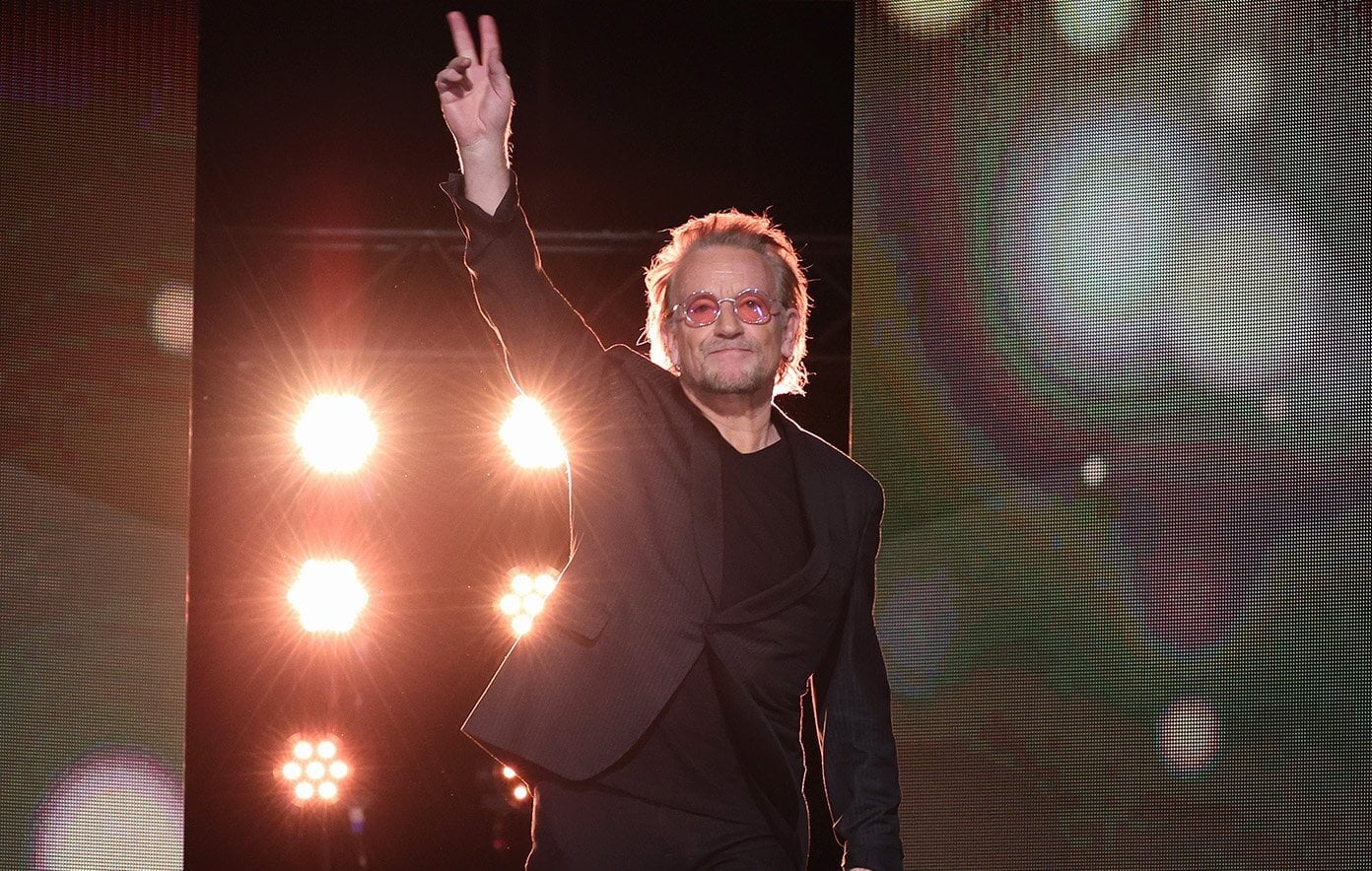
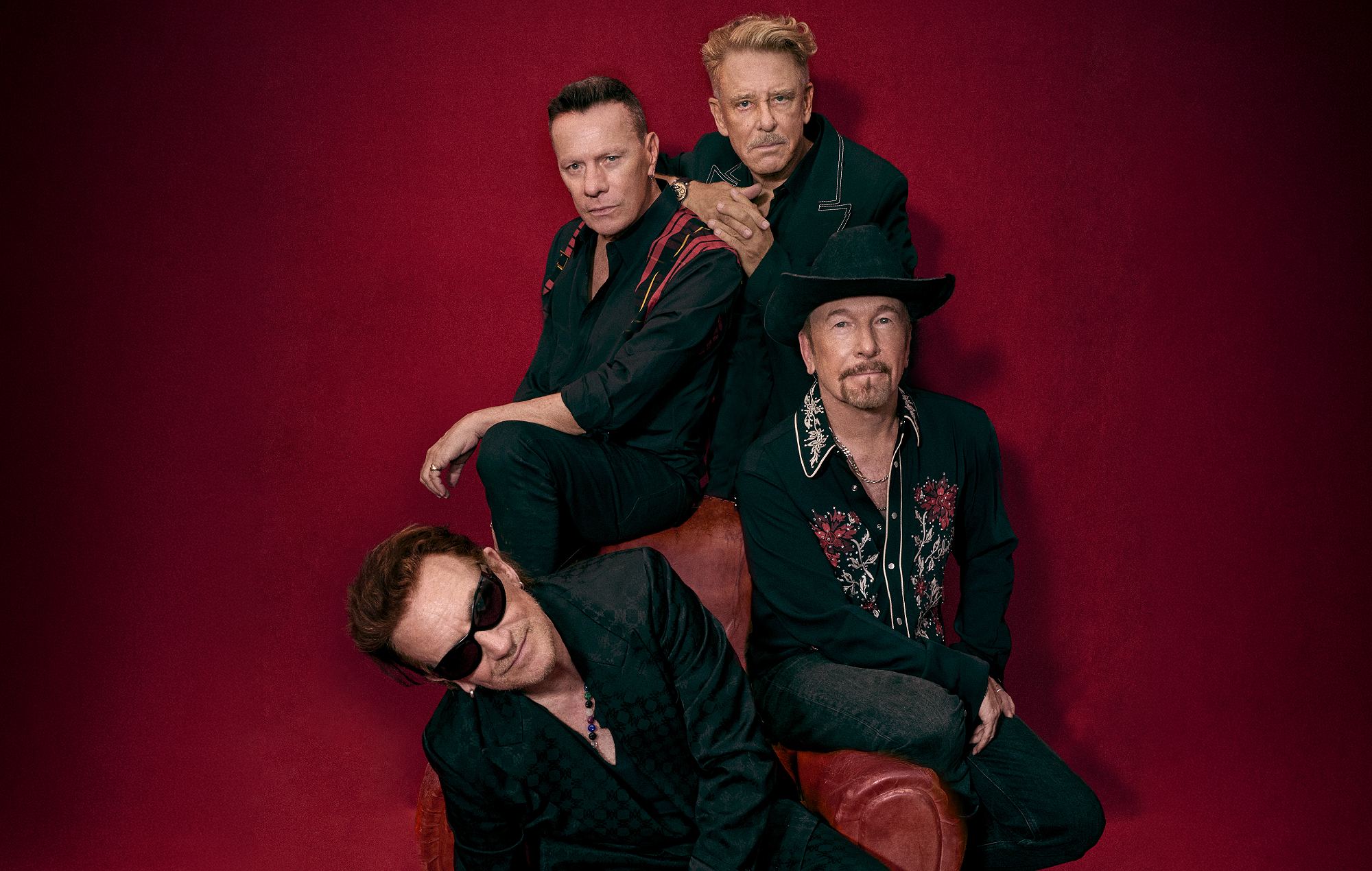
Few bands can spend five decades together and still sound genuinely curious. U2 are attempting exactly that with Carnaval de Luz, an album built around what Bono and The Edge describe as “defiant joy,” creative risk, and the liberating power of making music without overthinking the marketplace.
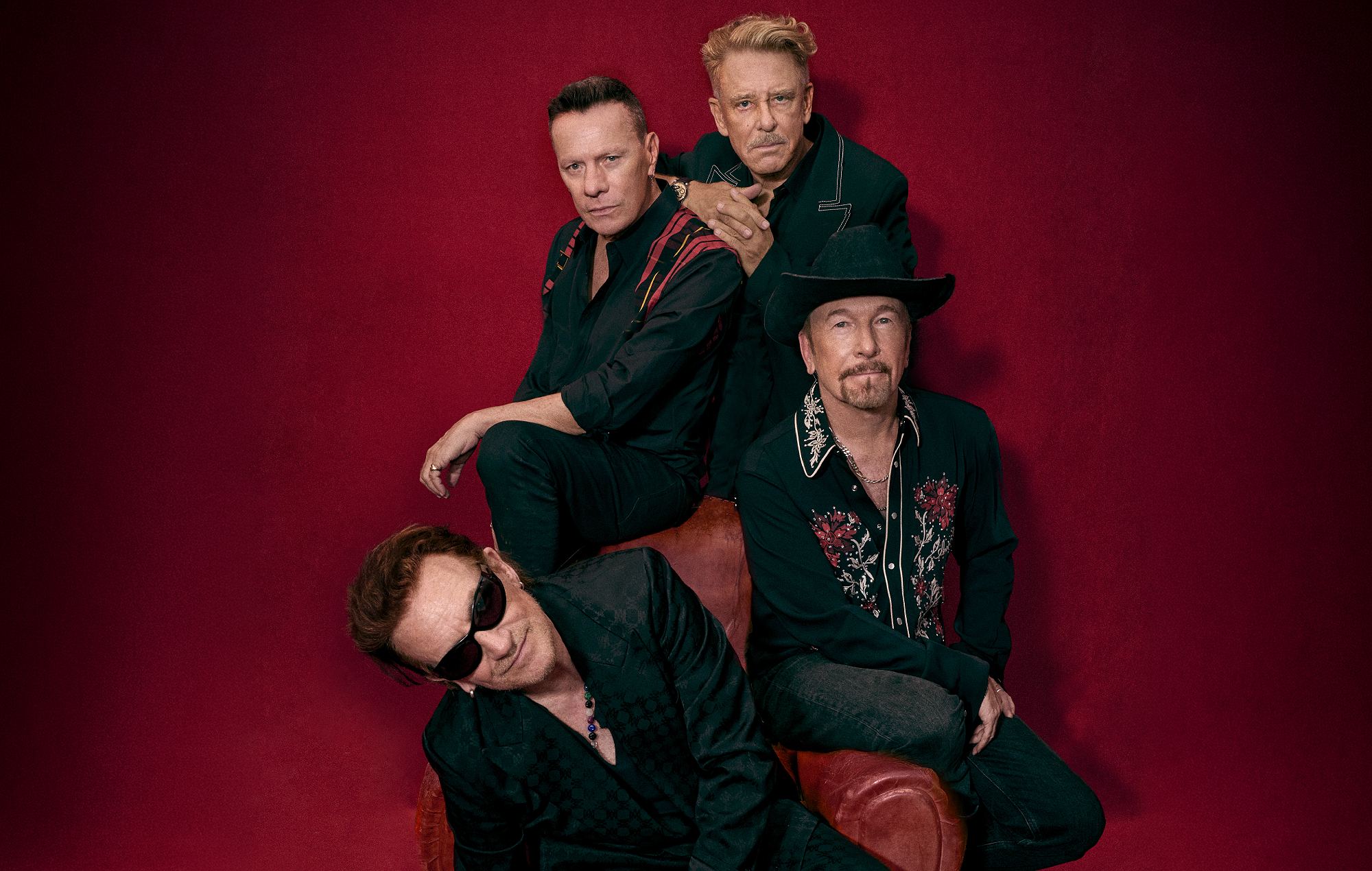
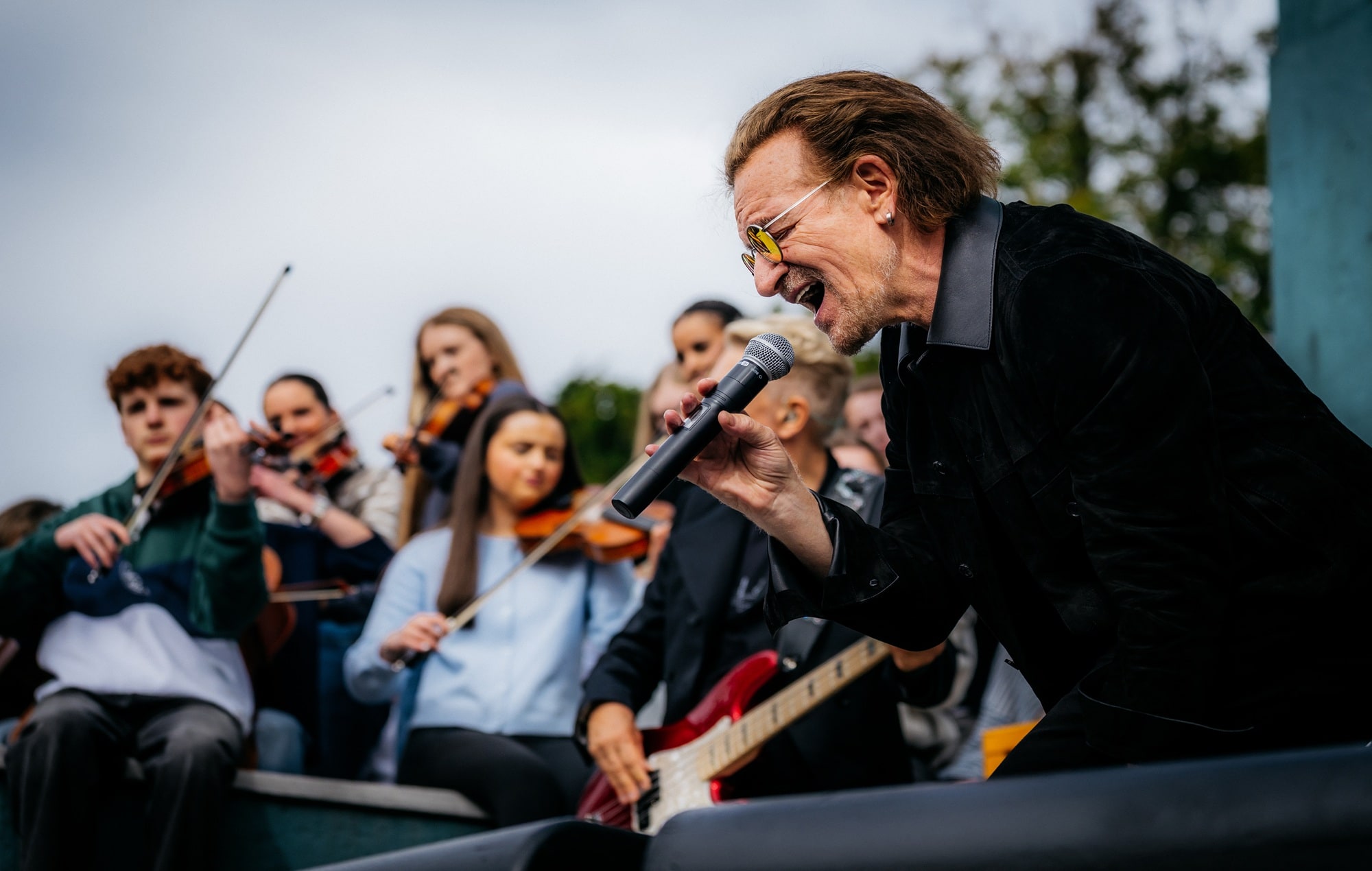
The conversation took place in a London hotel on Guy Fawkes Night, just days after the band performed an intimate album-launch concert at the Tate Modern. The show carried the celebratory feeling of U2’s recent 50th-anniversary homecoming performances, but with a distinctly dreamlike backdrop: Brian Eno’s 360-degree artwork, 77 Million Paintings.
The visual setting also reflected a relationship that has shaped U2 for decades. Eno remains involved with Carnaval de Luz, just as he helped the band rethink its approach during the making of 1984’s The Unforgettable Fire. For The Edge, the producer’s influence began with a challenge to dismantle familiar arrangements and build something from almost nothing.
“That was the first exploration and celebration of our limitations, and seeing them not as impediments but things to be explored in a positive way.”
— The Edge
That idea still seems to sit at the heart of U2’s creative process. Limitations aren’t necessarily walls; sometimes they’re doors with better hinges.
From whiskey and calypso to the carnival spirit
The mood of the interview became suitably loose when Bono ordered a small pour of Bushmills Black Bush for the group. He also played “The Slave” by Trinidadian calypso great Mighty Sparrow, a recent recommendation from bassist Adam Clayton.
The song offered a natural route into memories of carnivals in Nice, Gran Canaria, and Santa Cruz. Bono recalled one especially wild trip with Quincy Jones, who took the band to carnival with the intensity of someone planning a very glamorous heist. The adventure eventually involved a passing float and an impromptu jam session.
The Edge, meanwhile, remembered that the original idea for 1991’s Achtung Baby was almost called Carnalville. He also pointed to a sense of cultural absence in the band’s upbringing. In Ireland, they felt they had been deprived of the full carnival experience by the Catholic Church.
“We got pancakes instead,” he joked.
Beneath the laughter, though, was a serious idea. Carnival has long combined escape, celebration, satire, and political resistance. Bono noted that people in power have often been mocked through costumes, music, and exaggerated performances. In that sense, carnival becomes a temporary overthrow of hierarchy—a public reminder that freedom can be noisy, funny, and impossible to choreograph.
That blend of joy and rebellion flows directly into Carnaval de Luz. The album’s expansive single, “The Greatest Show On Earth,” also gives its name to the band’s planned stadium tour. The phrase has a little personal history, too: it appeared on a sign behind Bono during U2’s 1992 Zoo TV era.
When shown an old magazine cover featuring his younger self, Bono joked that he hadn’t changed at all. The Edge, with a knowing smile, suggested the image might prove prophetic for reasons still unknown.
The band as a cooperative
After the carnival detour, the conversation turned to the blank page. Nearly a decade after the previous album, was beginning again frightening?
Not for The Edge. He described experimentation and play as his natural habitat. Bono agreed, arguing that the feeling of having nothing to say can itself become the first line of a song. Even an ordinary moment—checking the time, noticing the smell of whiskey, or admitting uncertainty—can become a creative doorway.
For Bono, songs aren’t floating in some distant artistic cloud. They’re already underfoot and all around us. A band, he suggested, is partly about recognizing the right people nearby: classmates, neighbors, friends, or musicians who can help turn a vague idea into something alive.
The danger, however, is ego. Bono referenced the idea that the ego is always driving, while acknowledging that ego isn’t automatically the villain. Artists need confidence. The problem arrives when pride prevents someone from asking a bandmate for help.
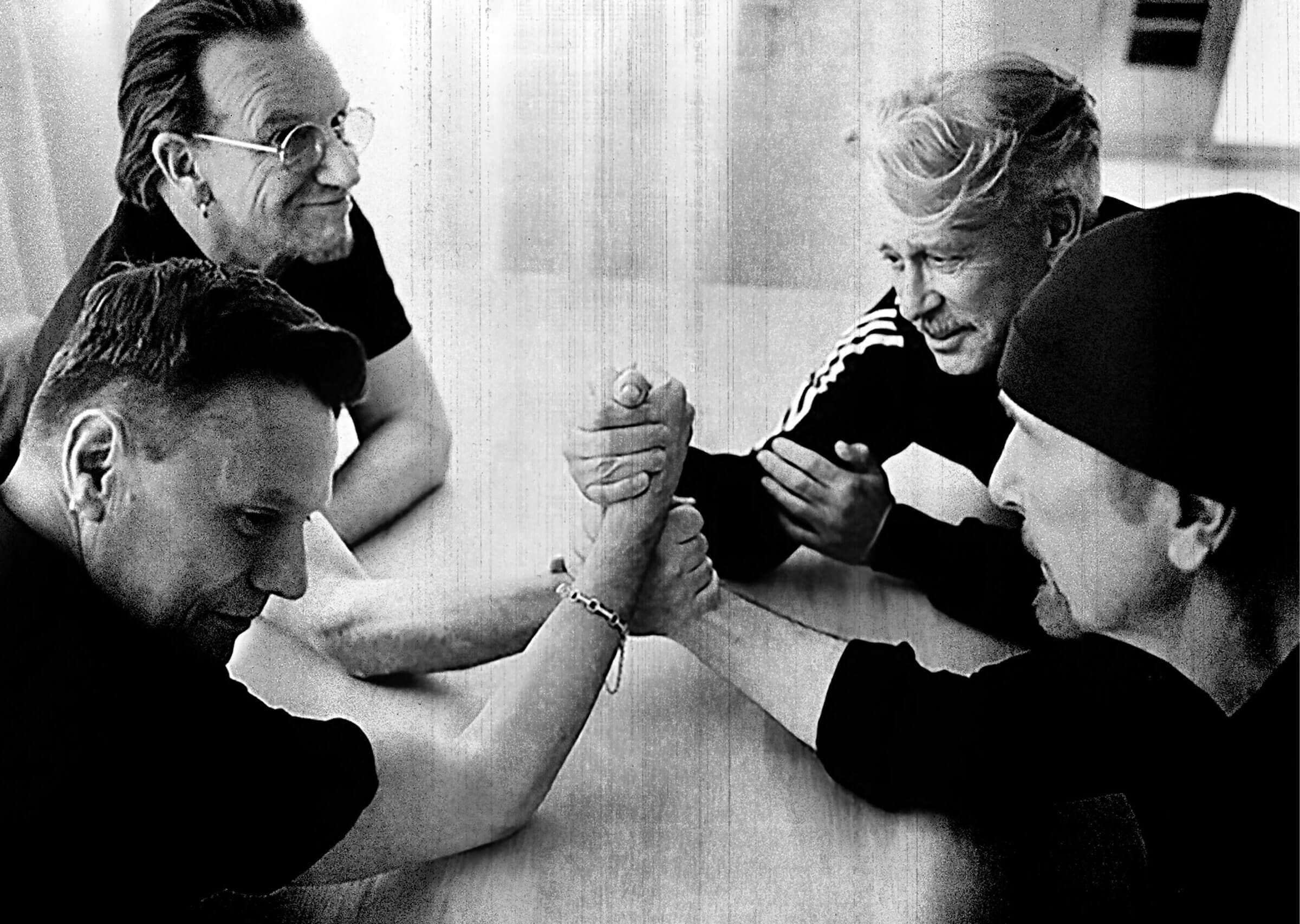
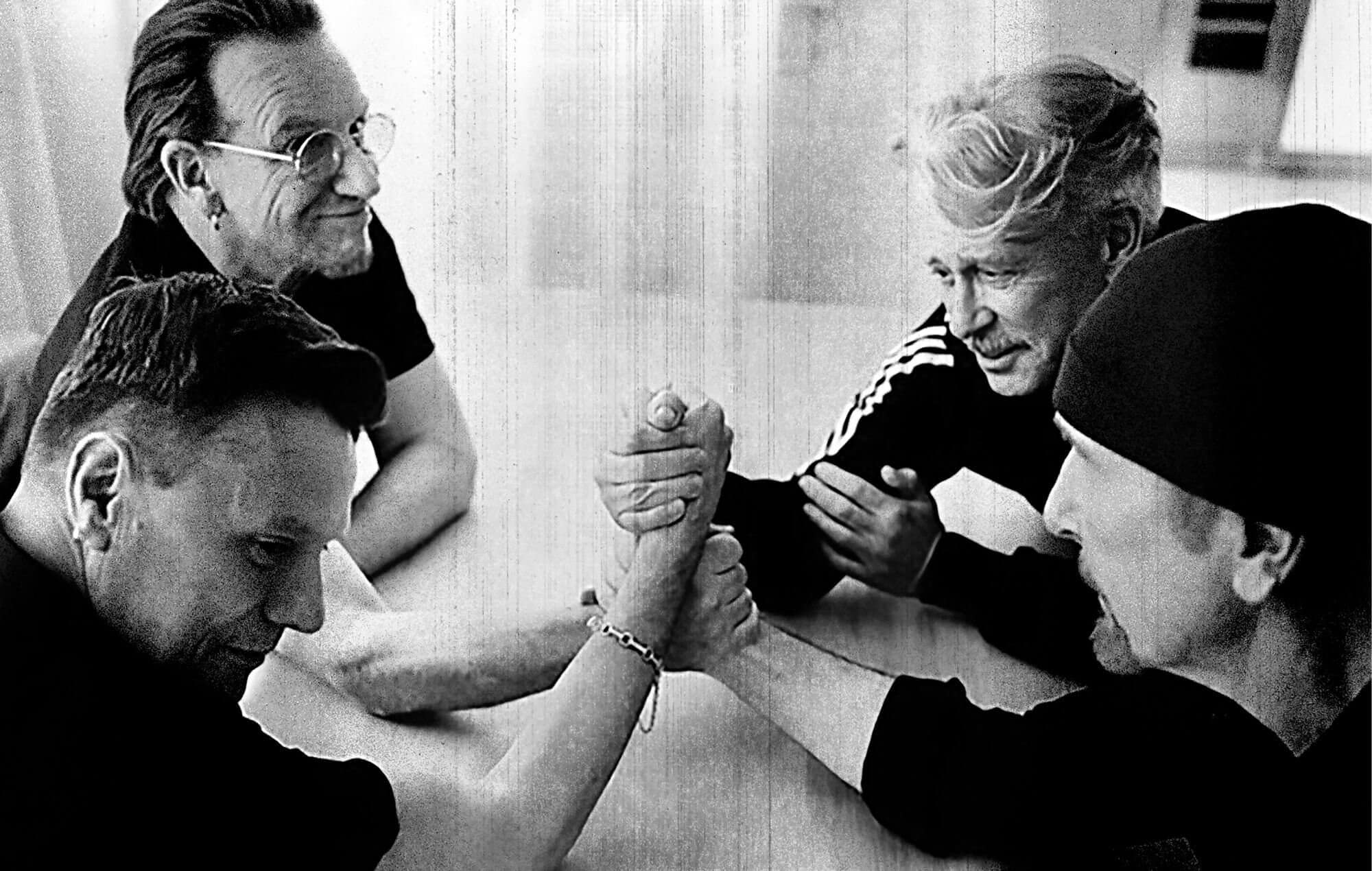
The Edge framed U2 as a cooperative. A strong band isn’t a contest where one person must win while everyone else loses. It’s more like a relay race in which one musician’s strength allows the next person to run farther.
Bono naturally sharpened the metaphor with a joke: “If you scratch my back, I’ll shave your moustache!”
The laughter soon gave way to a broader concern about declining social trust and the difficulty of disagreeing without treating another person as evil. The Edge argued that cooperation matters more than ever, while Bono interrupted to point out—quite reasonably, in his view—that some evil does exist.
Their conclusion was simple: society needs a reset, and carnival can offer one. Music can create a room where people remember how to gather, listen, argue, dance, and imagine a future together.
Why Carnaval de Luz needed to exist
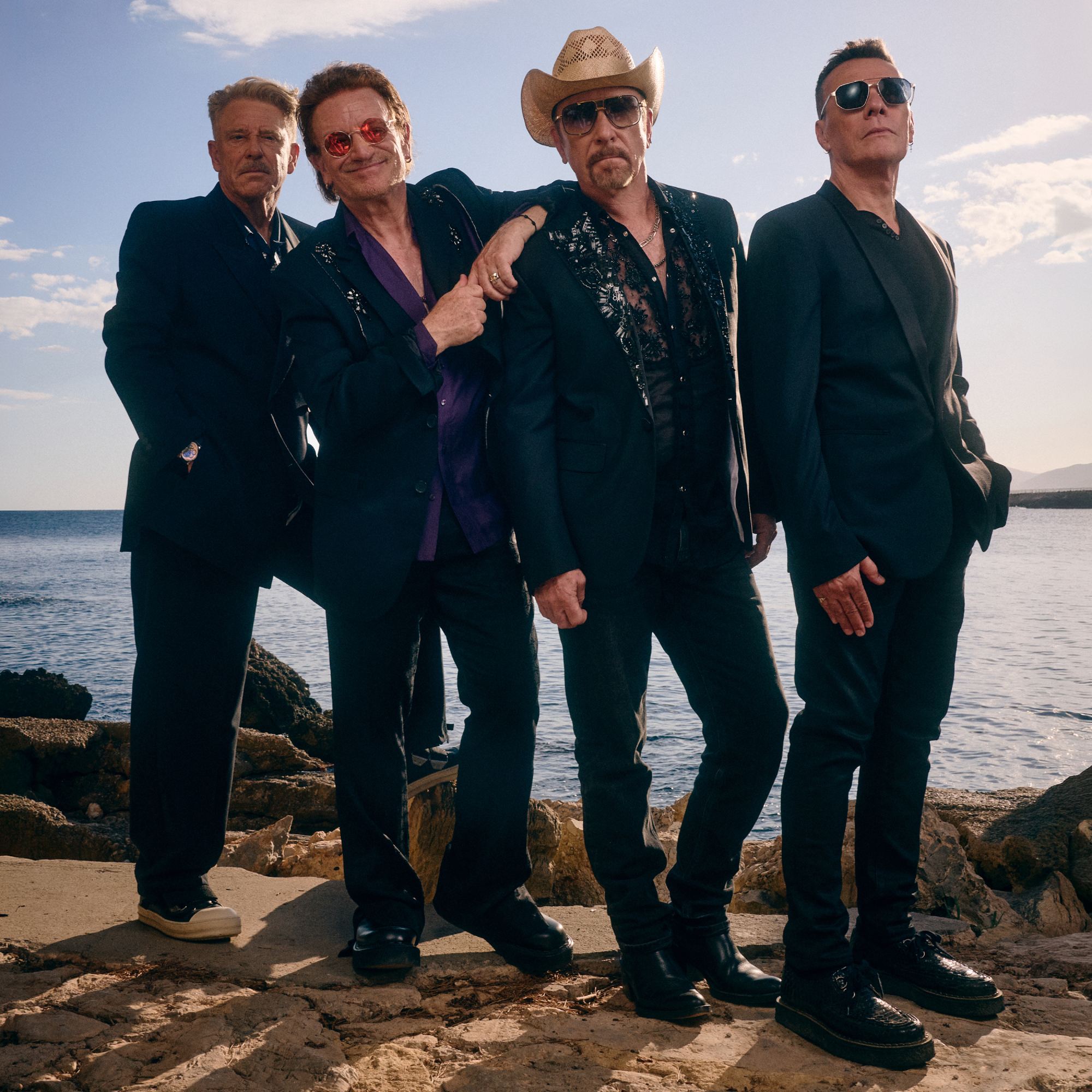
U2 approached the new record by asking what music could do in the present moment. The Edge explained that the band usually imagines itself as an audience at a mythical show, writing toward the experience they would want to have themselves.
Bono took the thought in another direction: utility. The word might make some artists nervous, but he sees no insult in music serving a purpose. Brian Eno’s Music for Airports and Music for Films are obvious examples of sound designed for a particular setting or function. Dance music serves bodies. Protest songs serve resistance. Reflective music gives people somewhere quiet to place their thoughts.
He recalled an idea associated with AIDS activist Dan Savage: people could mourn in the morning, protest in the afternoon, and dance at night because the dance represented what they were fighting to preserve.
“The dance is what we were fighting for.”
— Dan Savage
That philosophy explains the album’s variety. There can be room for anger, grief, protest, and rage, but there must also be room to move. Bono compared this balance to the difference between an anti-war song and a love song: both can carry emotional and political force, even when they appear to be doing very different jobs.
The Edge identified despondency as one of the biggest enemies of the current moment. Algorithms can feed people an endless stream of alarming narratives, while doom-scrolling turns anxiety into a daily routine. Communal gatherings, by contrast, can interrupt that cycle.
“Defiant joy” means refusing to surrender the future to despair. It’s the belief that people can still co-author what comes next.
When the mainstream stops being the destination
U2 also discussed the pressure that comes with having a huge audience. The Edge said the band initially ignored commercial strategy and simply followed the music. Bono and The Edge worked on material that wasn’t necessarily intended for U2, collaborated with Brian Eno and Johnny McDaid, and eventually worked with Ed Sheeran on a project that led to Dolly Parton’s appearance on “Torn.”
Only after the music was finished did the practical questions arrive: What is this record? How should it be explained? Where does it belong?
Bono admitted he is more likely to think about those questions. He also felt U2 had failed to fully connect with the mainstream on Songs of Innocence and Songs of Experience. The songs were strong, and the themes mattered, but the albums lacked the cohesive sound that might have allowed them to land as complete worlds.
Then, ironically, giving up on that chase opened another door.
The music that followed—including Carnaval de Luz and the related Days of Ash and Easter Lily projects—came from a freer place. Bono described “Song of the Future” as a perfect pop song sitting beside “Tears of Things,” with both tracks carrying a protest-minded spirit.
The band stopped assuming radio exposure was the goal. Instead, they returned to the creative “sandpit,” working like children with Eno again. Gradually, the pieces began to gather around the carnival idea U2 had carried for years.
Why younger bands keep U2 alert
That renewed hunger explains U2’s enthusiasm for Fontaines D.C. The band admire their rise to major stadium stages and welcome the pressure of having exciting new artists in the same conversation.
Bono’s point was generous but also practical: great bands make one another better. He compared the creative competition between the Beatles and the Rolling Stones, and later between Blur and Oasis, to a musical conversation in which every answer raises the stakes.
The Edge added Lambrini Girls to the list, praising their sound and admitting he’d love to hear those textures on a U2 record. He also mentioned Geese and Cameron Winter, whose performance style made a strong impression.
Bono focused on the power of a distinctive silhouette. Some artists arrive with a visual and physical presence that feels instantly their own, and he saw that quality in Winter. He also praised Grian Chatten’s unique spirit and the way Fontaines D.C. combine as a group. Their collaboration with Rosalía, “Where Is Gone?”, was another example of musicians creating something that refuses to sit neatly inside one genre.
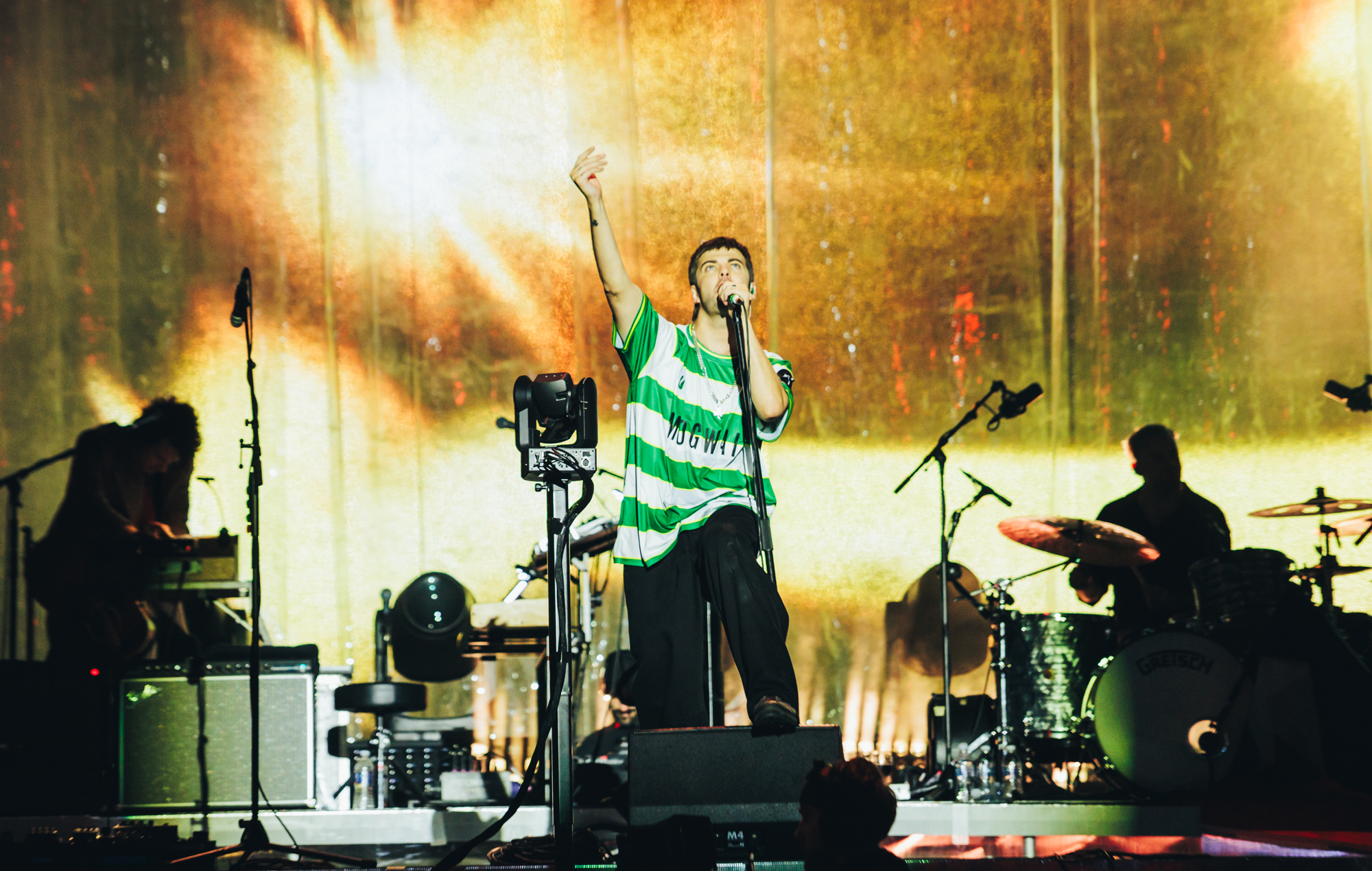
Rosalía became the subject of U2’s “The Mirror Maker.” Bono said she is interested not merely in her reflection but in what exists behind the mirror. The Edge admired her refusal to stay in one lane, drawing from flamenco, opera, visual art, and modern dance.
That instinct feels familiar. U2 have spent much of their career borrowing, reshaping, and colliding influences rather than obeying genre borders.
Wolf Alice, who are set to support U2 on their UK stadium dates, received similar praise. Bono described them as another band that swerves across the road instead of following a fixed route. That restlessness, he suggested, is exactly why bands exist.
Fifty years together—and still looking ahead
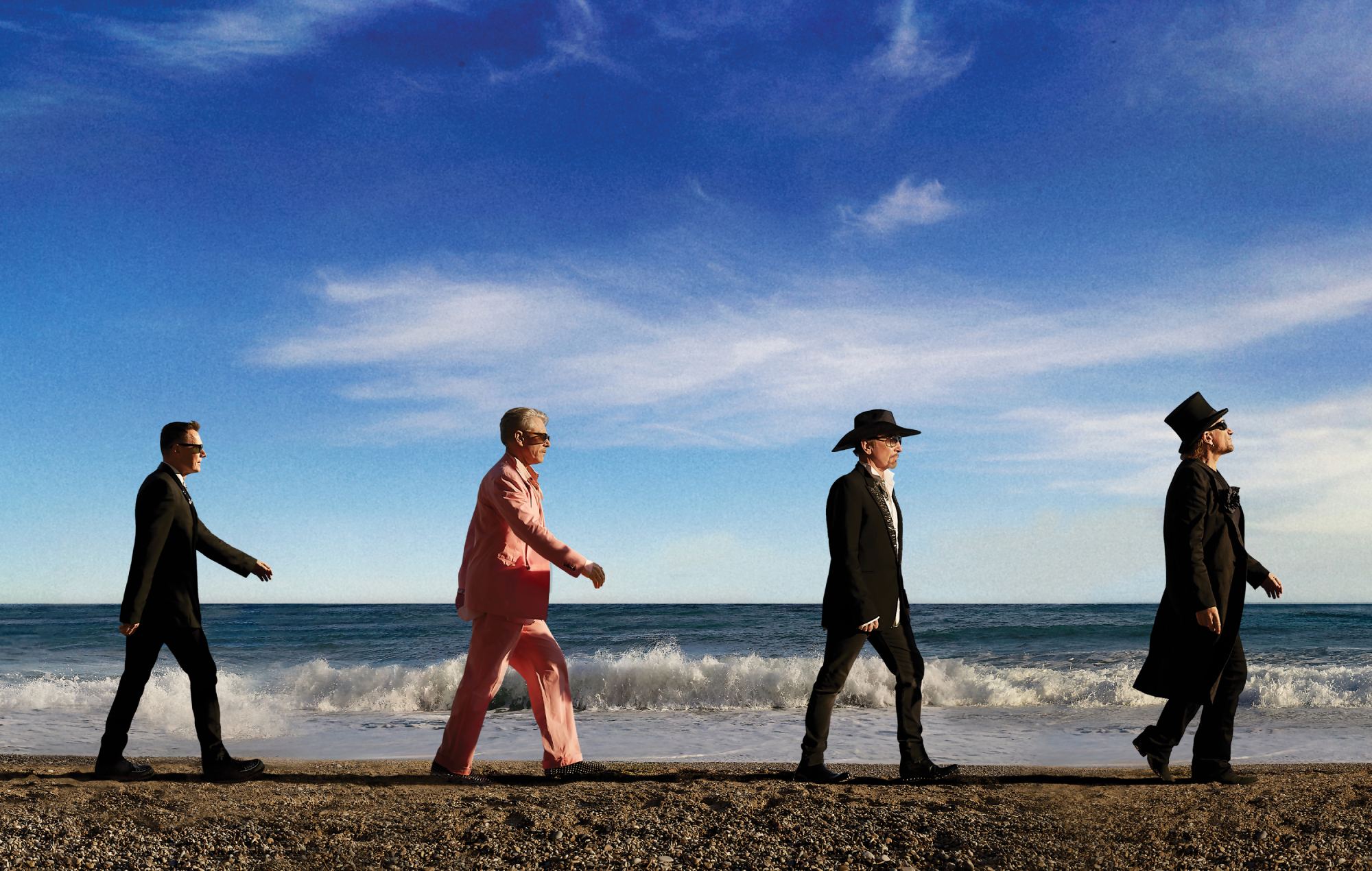
U2’s 50th anniversary naturally raised the question of longevity. Bono joked that the band split up and reformed after every good record, but The Edge offered a more hopeful answer about the future.
He still feels he could wake up tomorrow and become part of the best U2 song the band has ever made. That creative ambition remains a reason to get out of bed, and he doesn’t see it disappearing soon.
Bono was more cautious. Nothing is guaranteed, he noted. People change, relationships shift, and bandmates can eventually tire of sublimating individual egos into a collective identity. Yet he also spoke warmly about needing the band more than the band needs him.
Being beside The Edge means having access to a guitarist no one else can replace. Somewhere ahead, there may still be that elusive song—the one always waiting just around the corner.
The advice U2 would give new bands
The Edge’s advice is to agree on the destination before worrying about every step along the way. A shared sense of purpose creates resilience, especially when the road becomes awkward, expensive, or exhausting.
He referenced a familiar philosophical idea: once people understand their “why,” they can endure almost any “how.” His practical version was even clearer—don’t give up once the goal is set.
He pointed to Fontaines D.C. as an example of a band gaining strength through authenticity. They continue doing what feels true to them, and that consistency has become part of their power.
Bono’s advice was simple: listen to The Edge. He also returned to the wider value of music and the unfair economics affecting musicians who can’t rely on live performance for their income.
The band’s final frustration was aimed at the commodification of music and the way artists are financially treated. If Bono could throw something onto a bonfire, it would be the current system that makes it difficult for working musicians to earn a living.
That feels like a fitting final note for Carnaval de Luz: celebrate, protest, collaborate, and keep the music human.
U2 are set to release Carnaval de Luz on Friday, November 13, ahead of a world tour in 2027. Tickets and additional information are available at Ticketmaster.
FAQ
- What is U2’s new album called?
U2’s new album is called Carnaval de Luz. It is built around themes of defiant joy, protest, celebration, collaboration, and creative freedom. - What does “defiant joy” mean in the context of the album?
It refers to choosing hope, celebration, and collective action instead of surrendering to despair or constant negativity. - Which artists influenced U2’s current creative outlook?
The band discussed Brian Eno, Mighty Sparrow, Rosalía, Fontaines D.C., Lambrini Girls, Geese, Cameron Winter, and Wolf Alice, among others. - Why does U2 admire Fontaines D.C.?
U2 admire their authenticity, distinctive identity, originality, and ability to keep developing without abandoning their core sound. - How does U2 explain surviving together for 50 years?
The Edge emphasized shared purpose and cooperation, while Bono stressed the importance of valuing each bandmate’s unique contribution and remaining committed to the collective.
If U2’s mix of spectacle, rebellion, and album-era nostalgia speaks to you, browse our favorite album cover posters and bring a little of that concert-wall magic home.
 | DISCOUNTGET 30% OFF*Use code on your next order:
|
* This post may contain affiliate links, meaning we earn a commission if you make a purchase through these links, at no additional cost to you.