Wilson Benesch Tessellate Phono Cartridge: Precision Craftsmanship Meets Sonic Brilliance


 See more Architeg Prints stories on Google.
Wilson Benesch Tessellate Phono Cartridge: Precision Craftsmanship Meets Sonic Brilliance
Experience the Wilson Benesch Tessellate cartridge's stunning clarity and rich detail, elevating vinyl playback to remarkable new heights.
A Gem Unveiled at the 2025 Munich High End Show
The 2025 Munich High End show offered plenty of eye candy for audiophiles, but the Wilson Benesch room was truly captivating. At its heart was the breathtaking motor that powers the brand’s direct-drive GMT One System turntable. I was lucky enough to have the GMT One System installed in my own rig about a year ago by Craig Milnes, the British designer, and his son Luke. The Milnes family brings a rare blend of engineering genius and fine arts sensibility to their creations—making each product equally a marvel of form and function.
Michael Fremer, a seasoned vinyl lover, once described the GMT One System as producing “the best sound I’ve heard from vinyl records of every musical genre.” High praise indeed, but the story doesn’t end there. Alongside their pride and joy, the Milnes were eager for me to try a smaller but equally impressive piece: the $18,500 Wilson Benesch Tessellate Ti-D diamond cartridge.
Engineering Elegance: The Tessellate Ti-D Cartridge
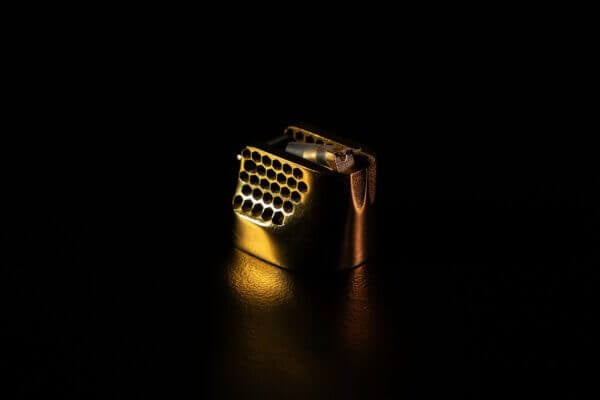
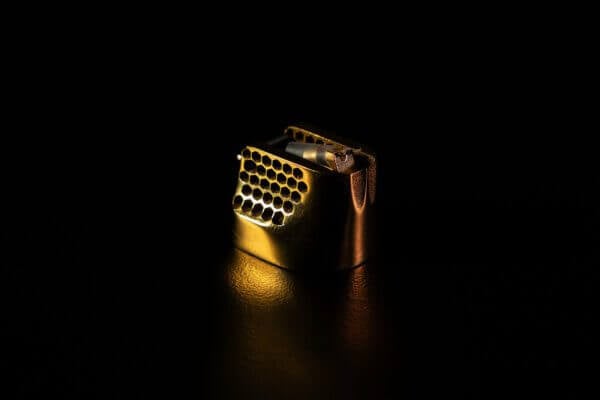
The Tessellate line embodies Wilson Benesch’s commitment to cutting-edge technology and refined performance. They utilize Selective Laser Sintering to craft a titanium-alloy cartridge body that is incredibly lightweight yet rigid. The curved design isn’t just for show—it enhances structural stiffness, reducing vibrations that can muddy the sound.
Carbon fiber, a material Wilson Benesch fans recognize well, plays a starring role here too. Used as a uni-directional sleeve strategically placed off-center in the cantilever, it further suppresses unwanted resonance. The cartridge tracks with a feather-light force of 1.3 grams, with recommended loading between 100 and 300 ohms, and outputs a delicate 0.35mV.
Rather than pairing the Tessellate Ti Diamond with the GMT One, I decided to run it through my TechDAS Air Force Zero turntable paired with a Graham Phantom tonearm, feeding into CH Precision P10 and HSE Masterline-7 phonostages. This setup felt like a balanced testing ground since I was already familiar with the Air Force Zero’s capabilities.
Sound That Transforms Your Listening Experience
Switching from the lush TechDAS TDC01 cartridge to the Tessellate Ti-D was like wiping a fogged window clear. This cartridge delivers a level of detail that’s hard to ignore—clean, vivid, and utterly captivating. It reveals everything hidden in those black grooves with no hint of gloss or artificial warmth.
One record that perfectly showcased the Tessellate’s talents was a recently reissued gem recommended by Michael Fremer: a 1968 Berlin performance by the legendary Spanish pianist Alicia de Larrocha, released under the charmingly named “The Lost Recordings” label. Piano is notoriously tricky to reproduce on vinyl, thanks to its wide dynamic range and percussive attack. Yet, the Tessellate rendered de Larrocha’s silken yet firm touch with stunning realism and grace. The opening sonata by Antonio Soler flowed effortlessly, its rhythms lilting and precise.
What struck me most wasn’t just the metronomic accuracy or the crispness of trills. No, it was the way the piano seemed to float in space, carried on a generous breath of studio air from Berlin. It was almost like being in the room with her.
Jazz and Orchestral Brilliance
Next up was a jazz classic: Hank Mobley’s album Third Season, recorded in 1967 by Rudy Van Gelder at Englewood Cliffs, New Jersey—though it wasn't released until 1980. The recent reissue by Joe Harley and Kevin Gray of Cohearent Audio gave it a new lease on life. The Tessellate shone here, capturing Billy Higgins' drums with incisive clarity and Lee Morgan’s trumpet with a sassy swagger.
Mobley’s tenor saxophone peaked in brilliance on “Don’t Cry, Just Sigh,” sounding resonant and rhythmically nimble. One of the Tessellate’s standout qualities is its ability to place each instrument distinctly in space, creating a rich, layered soundstage that invites you to follow every note or just relax and let the music wash over you.
Then there was a timeless Living Stereo LP of Jascha Heifetz performing the Bruch Scottish Fantasy with the New Symphony Orchestra of London, conducted by Sir Malcolm Sargent. This recording is a sonic classic, and the Tessellate didn’t disappoint. The sound never became harsh or overbearing. Instead, it revealed delicate details—the shimmering cymbals in the rear, the orchestral nuances, and Heifetz’s virtuosic violin soaring with vigor and emotion.
Digital Meets Analog: A Stunning Hybrid Experience
Lately, I’ve been spinning a London Decca album named “Digital,” featuring showpieces from 1982. If you’re skeptical about early digital recordings, this album is a persuasive argument for their worth. The combination of my Air Force Zero turntable and the Tessellate cartridge produced a sound so powerful and grand that it left me floored.
Whether it was Ponchielli or Mussorgsky’s Pictures At An Exhibition, the cymbals crashed, violins soared, and brass blazed with cinematic grandeur. Frankly, I’d never heard the finale of Pictures At An Exhibition performed with such glorious impact.
Final Thoughts: A British Masterpiece That Speaks the Truth
Wilson Benesch has long been a beacon of technological prowess, and the Tessellate series lives up to that reputation. This isn’t a cartridge designed to flatter or smother the music in artificial warmth. Instead, it delivers raw, honest sound with just enough tonal richness to be pleasurable and engaging. Far from the stereotypical “stiff upper lip” British sound, the Tessellate has a supple ambiance that invites you into the music, LP after LP.
“Produced the best sound I’ve heard from vinyl records of every musical genre.” – Michael Fremer
Specs & Pricing
- Type: Moving-coil cartridge
- Output Voltage: 0.35mV @ 3.54cm/s
- Internal Impedance: 6 ohms
- Frequency Response: 20–32,000Hz ±1dB
- Channel Separation: Better than 35dB at 1kHz
- Channel Balance: Better than 0.5dB
- Price: $18,500
FAQ
- What makes the Tessellate Ti-D cartridge unique in design?
It uses Selective Laser Sintering to create a titanium alloy body with a curved shape for enhanced rigidity, plus a carbon fiber uni-directional sleeve in the cantilever to minimize vibrations. - Can the Tessellate cartridge work with turntables other than Wilson Benesch's GMT One?
Absolutely. It performed brilliantly on other high-end turntables like the TechDAS Air Force Zero, proving its versatility. - What kind of music genres does the Tessellate excel with?
From classical piano to jazz and orchestral, the cartridge delivers detailed, natural sound across all genres. - Is the Tessellate suitable for delicate instruments like piano?
Yes, it handles piano’s dynamic range and percussive transients with stunning realism and delicacy. - What is the tracking force and recommended loading for the Tessellate?
It tracks at a light 1.3 grams with recommended loading between 100–300 ohms.
If you're enchanted by the artistry of vinyl and crave the perfect visual companion for your listening room, consider shopping for your favorite album cover poster at our store Architeg Prints. Elevate your audio sanctuary with artwork that sings as beautifully as your records.
 | DISCOUNTGET 30% OFF*Use code on your next order:
|
* This post may contain affiliate links, meaning we earn a commission if you make a purchase through these links, at no additional cost to you.