Witch Fever Left “Broke” After Two Months Touring Arenas: The Harsh Reality of Brexit Tax Hits


 See more Architeg Prints stories on Google.
Witch Fever Left “Broke” After Two Months Touring Arenas: The Harsh Reality of Brexit Tax Hits
UK band Witch Fever reveals the financial strain of arena tours due to Brexit taxes, leaving them struggling despite high-profile gigs.
When Playing Big Doesn’t Mean Big Bucks
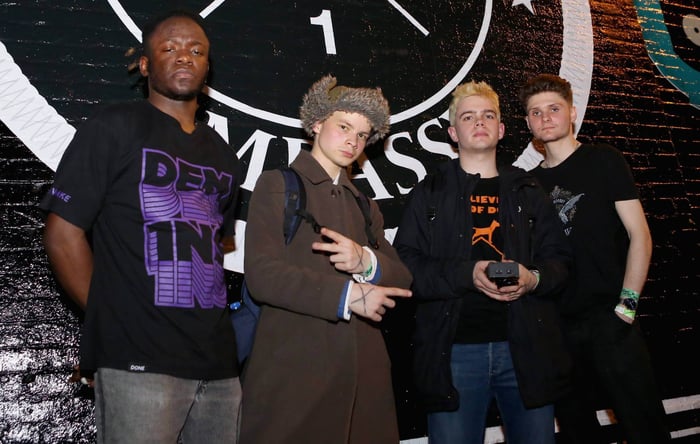
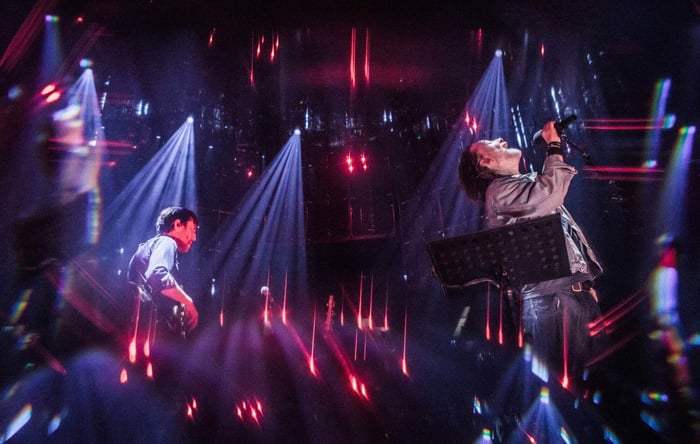
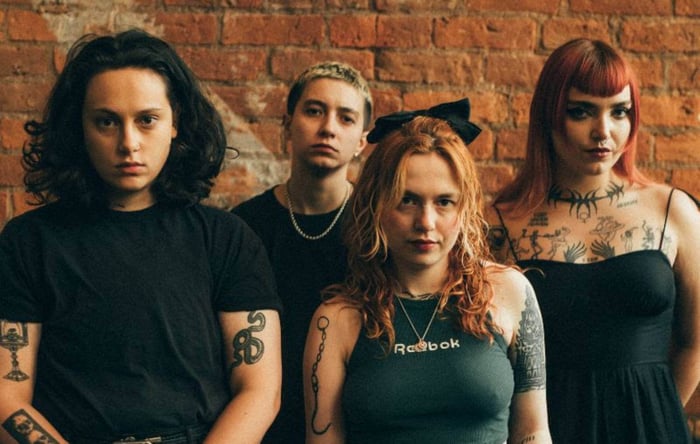
Imagine packing your bags, quitting your day job, and hitting the road for two solid months playing massive arenas—Wembley Arena included. You’d think that’s a dream come true, right? For Manchester’s doom-punk outfit Witch Fever, it was a nightmare disguised as a dream tour. Supporting Danish metal giants Volbeat across the UK and Europe at the end of 2025, the band rocked some of the biggest venues around. But instead of rolling in cash, they found themselves “broke,” thanks largely to the sneaky financial bite of Brexit-related taxes.
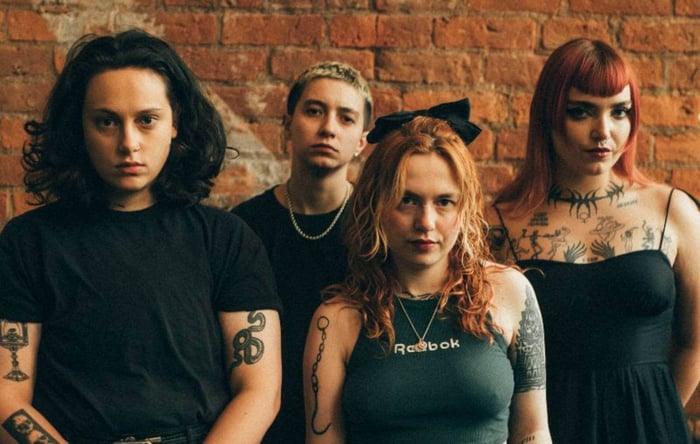
Bassist Alex Thompson spilled the beans on the recent episode of the 101 Part Time Jobs podcast, where he candidly described how their hard-earned profits got trapped in a tax labyrinth. “We did two months in arenas and stadiums. We played Wembley [Arena]. Then we got to the end of it… and found that the pot of money which was going to be our profit is all stuck in withholding taxes across Europe,” Thompson said. The kicker? “It’s a Brexit issue. We’re basically paying double tax. We pay tax in the UK and we’ve had to pay tax on all of the fees [internationally].”
The Personal Toll Behind the Numbers
Singer Amy Walpole’s story adds another layer of hardship. Despite being signed to a major label—Music for Nations, part of Sony Music—Walpole revealed she’s dipping into inheritance money from her late mother to keep afloat. “We’re broke – and we just did two months in arenas,” she admitted, highlighting the grim reality for artists even with big tours under their belt.
She added, “I’m currently living off £4,000 from my late mother’s pension that I got at the end of last year. That is rapidly running out. So it’s quite a depressing landscape at the moment. We’ve done a fair few years of touring and the fees are low, but the costs are getting higher and higher.” The harsh truth is that many musicians, even with some industry backing, are caught in a financial squeeze that gets tighter every year.
Brexit’s Bitter Aftertaste for UK Musicians
Witch Fever’s woes are far from unique. The band’s experience is yet another example in a growing chorus of UK artists sounding the alarm about the post-Brexit touring chaos. It’s not just about double taxation; it’s the whole tangled mess of paperwork, visas, and taxes that have made touring Europe a logistical and financial headache.
Industry veterans like Wolf Alice’s Joff Oddie have testified at government hearings describing how tough the landscape has become. “When my band were doing the grassroots touring scene 12 years ago, it was unbelievably tight,” Oddie explained. “So 12 years ago the numbers didn’t stack up, and now it’s unbelievable… I can honestly say, I’m not sure how Wolf Alice would make it work today.”
The Bigger Picture: UK Music’s Economic Puzzle
Despite the tough touring conditions, the UK music industry smashed records in 2024, contributing a staggering £8 billion to the economy. Yet, beneath those flashy numbers lurk ongoing threats to artists’ livelihoods—rising costs, AI’s looming impact, and the precarious survival of intimate grassroots venues.
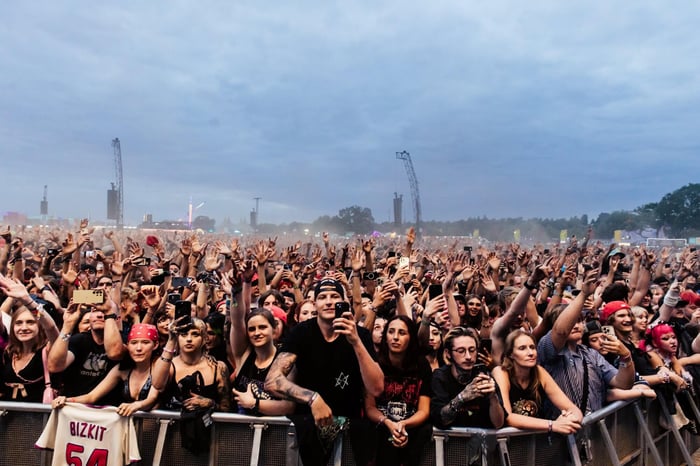
Jon Collins, CEO of the live music body LIVE, highlighted the post-COVID struggles: “It’s harder for in-demand UK artists and our world-class technicians, haulage companies, and everything built around live music to get out there, play and delight crowds across Europe.” He underscored that while the live music scene is adept at overcoming obstacles, younger emerging bands without deep pockets are suffering the most.
Grassroots Venues Close Their Doors Amid Rising Costs
The Music Venue Trust’s recent report paints a bleak 2025 landscape: over half of UK grassroots venues made no profit, with job losses driven by increases in Employer National Insurance and business rates. This financial storm threatens the very venues where many bands cut their teeth.
On the bright side, some major venues like London’s Royal Albert Hall have stepped up with initiatives like the LIVE ticket levy, which puts £1 from every arena ticket sold back into grassroots music. Big-name artists including Coldplay, Sam Fender, and Katy Perry have backed this move, donating parts of their tour proceeds to keep smaller venues alive.
Brexit’s impact on touring musicians is a cautionary tale about how politics can ripple into the arts and livelihoods. Witch Fever’s candid admission of being “broke” after arena tours strikes a chord for many artists navigating this challenging new world. If you’re a fan of their music and the live music scene in general, what do you think needs to change to protect artists and venues alike?
FAQ
- How did Brexit affect Witch Fever’s tour income?
Brexit introduced complex tax rules that led Witch Fever to pay double taxes—both in the UK and across European countries—eating into their profits despite playing major arenas. - Are other UK artists facing similar financial issues?
Yes, many UK artists report similar struggles with increased costs, complicated tax systems, and visa challenges post-Brexit, making European touring tough. - What is the LIVE ticket levy and who supports it?
The LIVE ticket levy adds £1 to every arena ticket sold, funneling money back into grassroots venues. Artists like Coldplay, Sam Fender, and Katy Perry endorse it. - Why are grassroots venues struggling financially?
Rising business rates, Employer National Insurance increases, and low profits are forcing many grassroots venues to close or operate at a loss. - Is the UK music industry still economically strong?
Despite record economic contributions, the industry faces growing pains with AI, pandemic recovery, and Brexit-related touring challenges threatening its future.
For fans who want to celebrate their favorite bands and the spirit of live music, consider shopping for iconic album cover posters and artwork at our store. It’s a heartfelt way to support the music you love and keep the spirit of the scene alive.
 | DISCOUNTGET 30% OFF*Use code on your next order:
|
* This post may contain affiliate links, meaning we earn a commission if you make a purchase through these links, at no additional cost to you.