Yamaha’s Sail and Butterfly Speakers Redefine Sound’s Shape and Space



Yamaha’s Sail and Butterfly Speakers Redefine Sound’s Shape and Space
Yamaha’s innovative sail and butterfly speakers transform how sound travels and interacts with your space, blending engineering with artistic design.
When Sound Becomes a Sculptural Experience
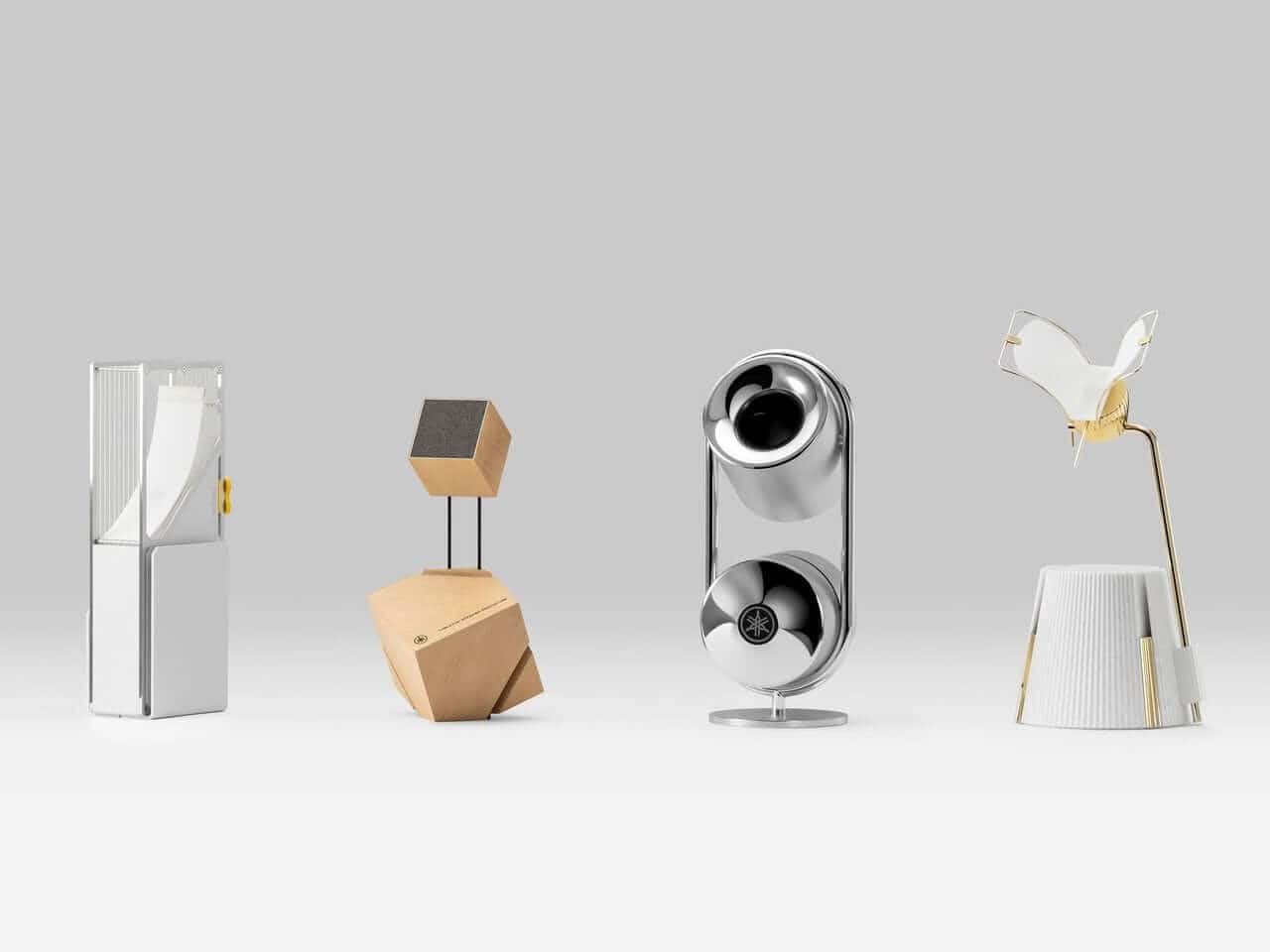
Few brands balance the precision of engineering with a flair for artistic expression quite like Yamaha. As someone who’s always admired their concert grand pianos and crisp audio gear, I find their latest speaker concepts downright fascinating. These aren't your typical rectangular boxes gathering dust on a shelf. Instead, Yamaha challenges the norm, crafting speakers that are lighter, more interactive, and visually thrilling.
Imagine sound not just blasting forward but meandering through the room, shaped by clever design and your own touch. That’s exactly what Yamaha’s design wizards at the Yamaha Design Laboratory in Japan set out to achieve. Their work doesn’t just pump out sound—it molds space and invites users to be part of the acoustic experience.
Taming Reflections: The New Frontier in Home Audio
Ever noticed how your speakers sound different depending on what they’re sitting on? That’s because nearby surfaces like tables can bounce sound waves back, muddying clarity. Yamaha’s design team tackled this pesky problem head-on by reimagining speaker shapes to control sound more deliberately.
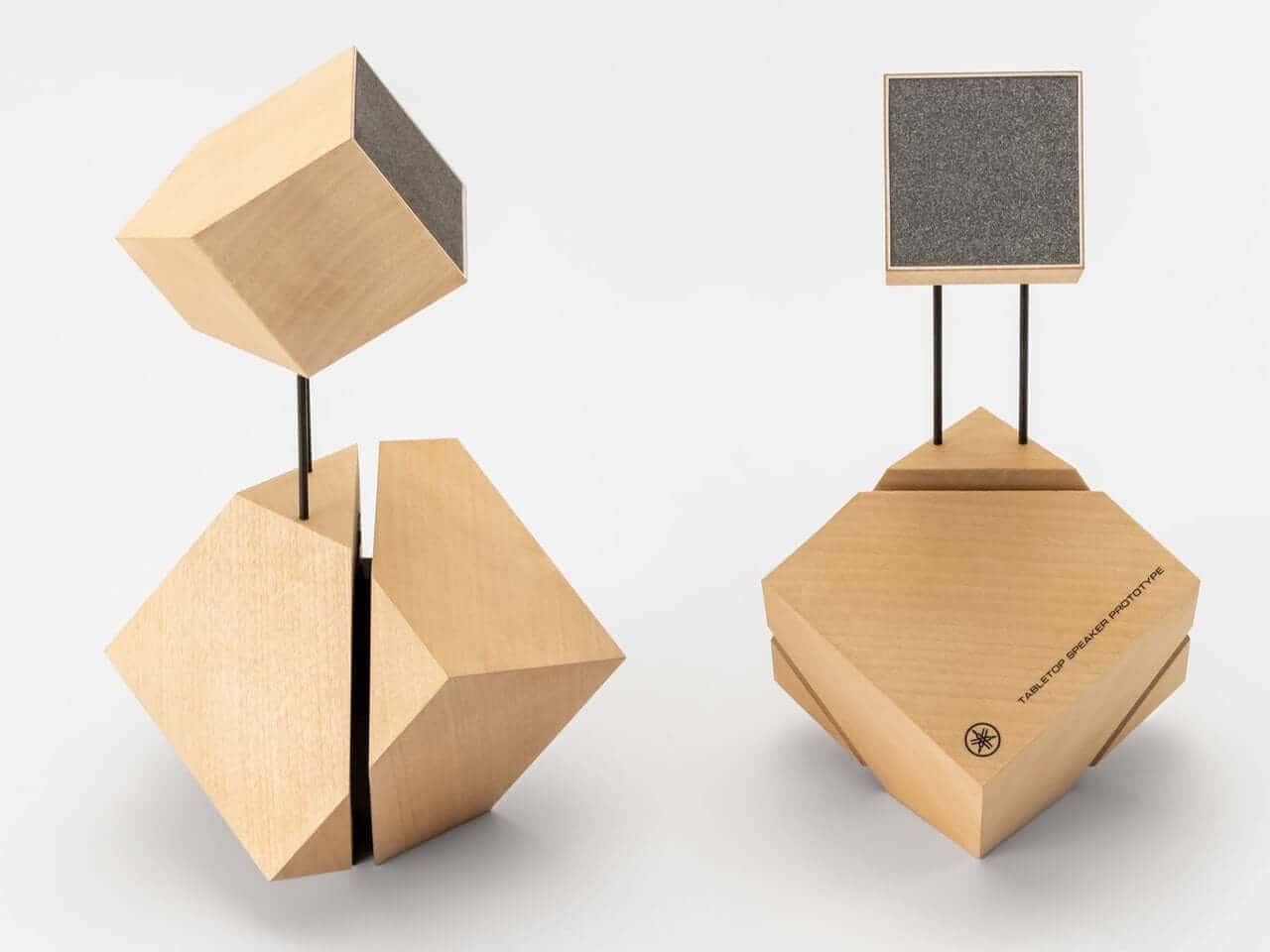
Instead of sticking to the classic box, they crafted experimental prototypes that treat sound dispersion like a living spatial journey—not just a fixed blast from a fixed spot. The goal? Directing sound with intention, reducing unwanted reflections, and making the listening experience crystal clear and immersive.
Sail Concept Speakers: Tune Your Sound Like a Musical Instrument
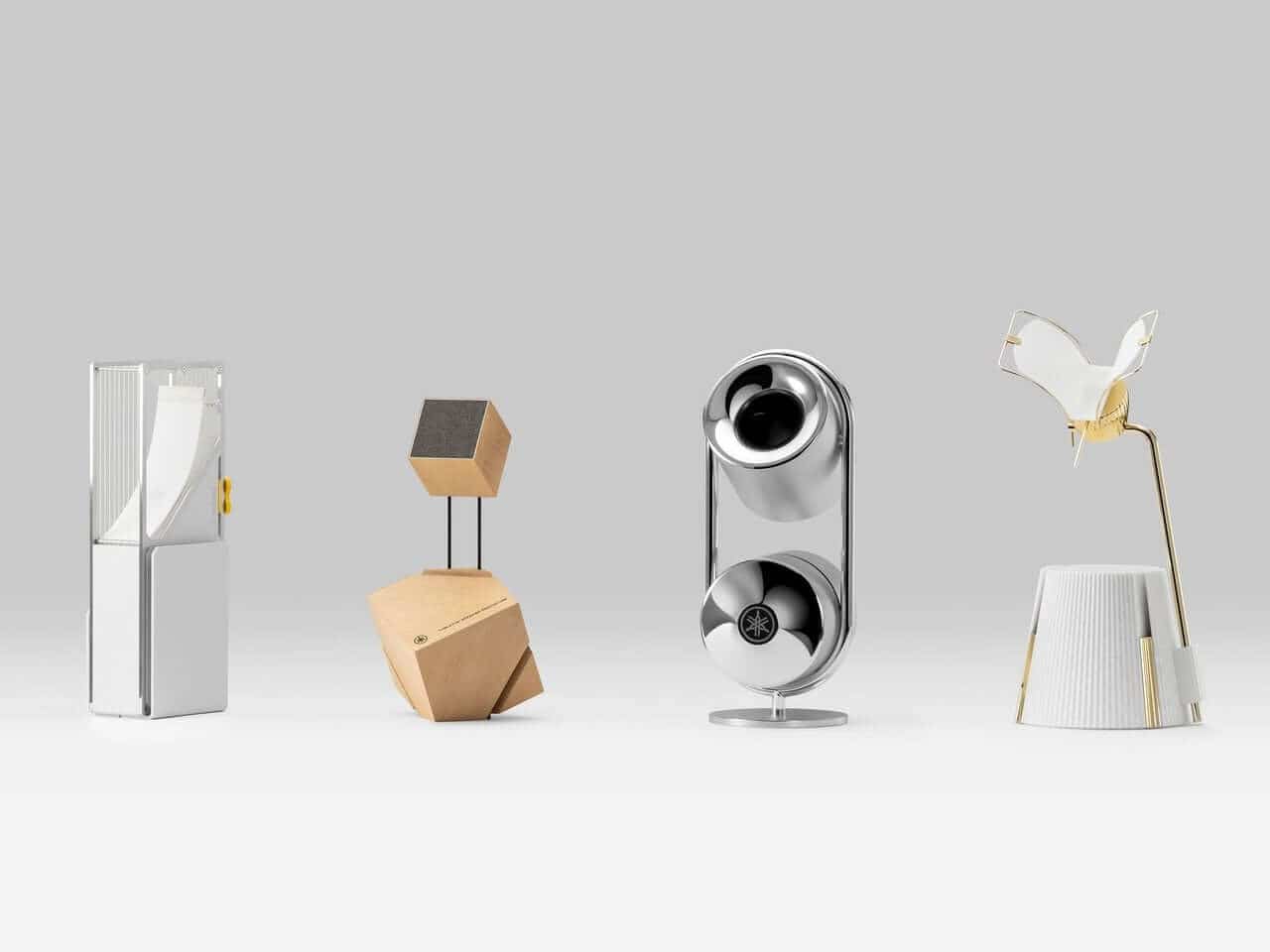
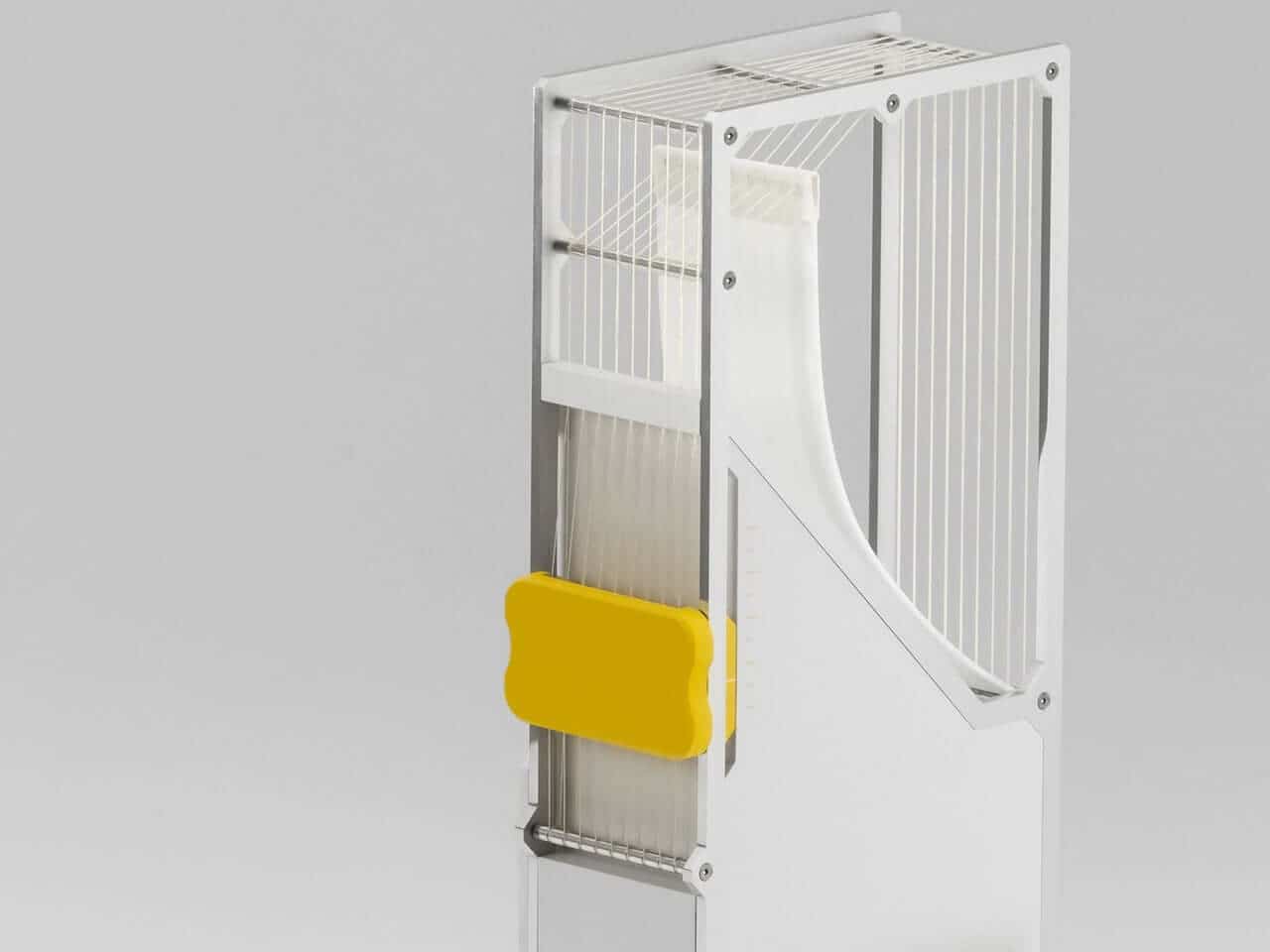
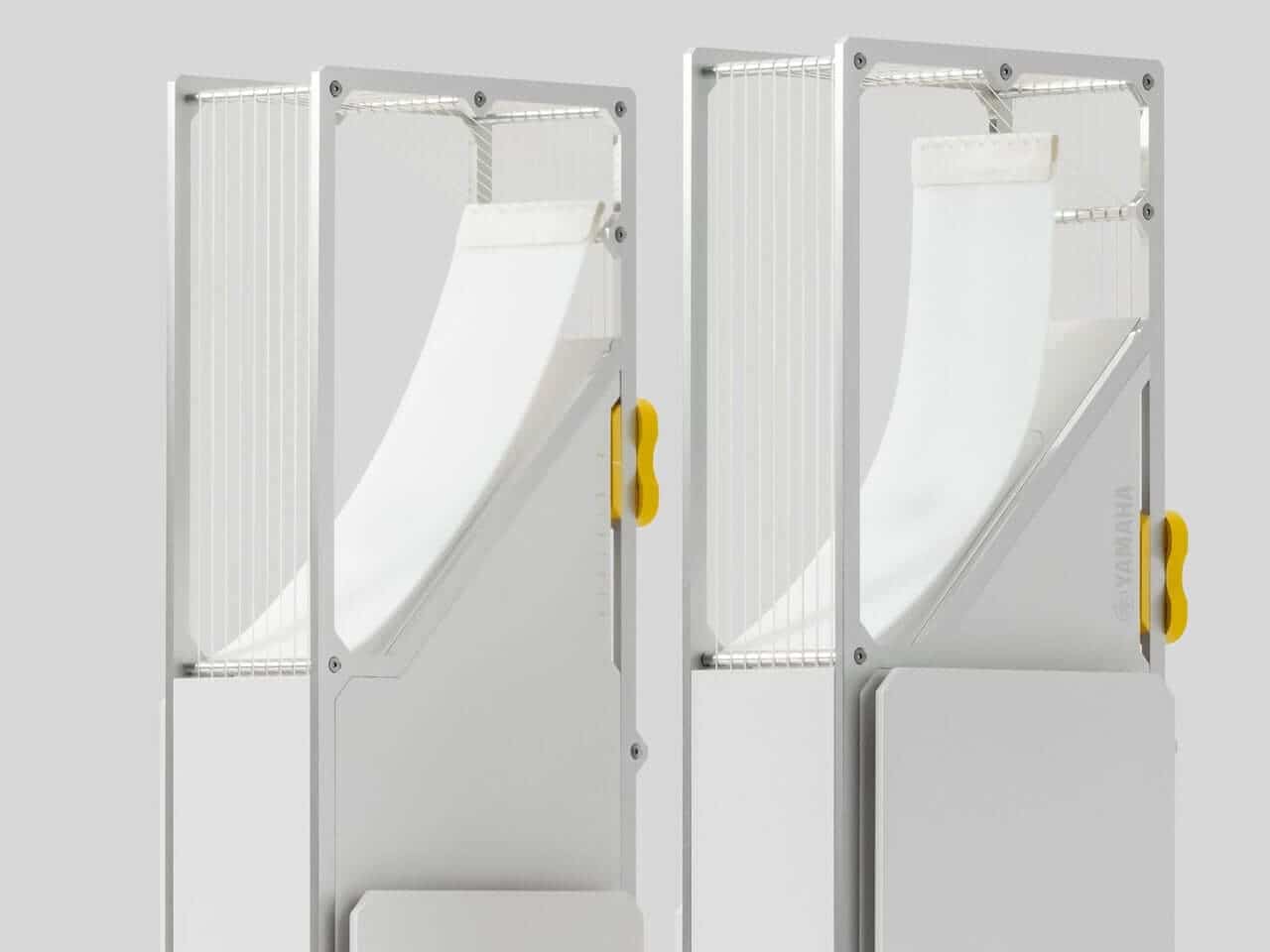
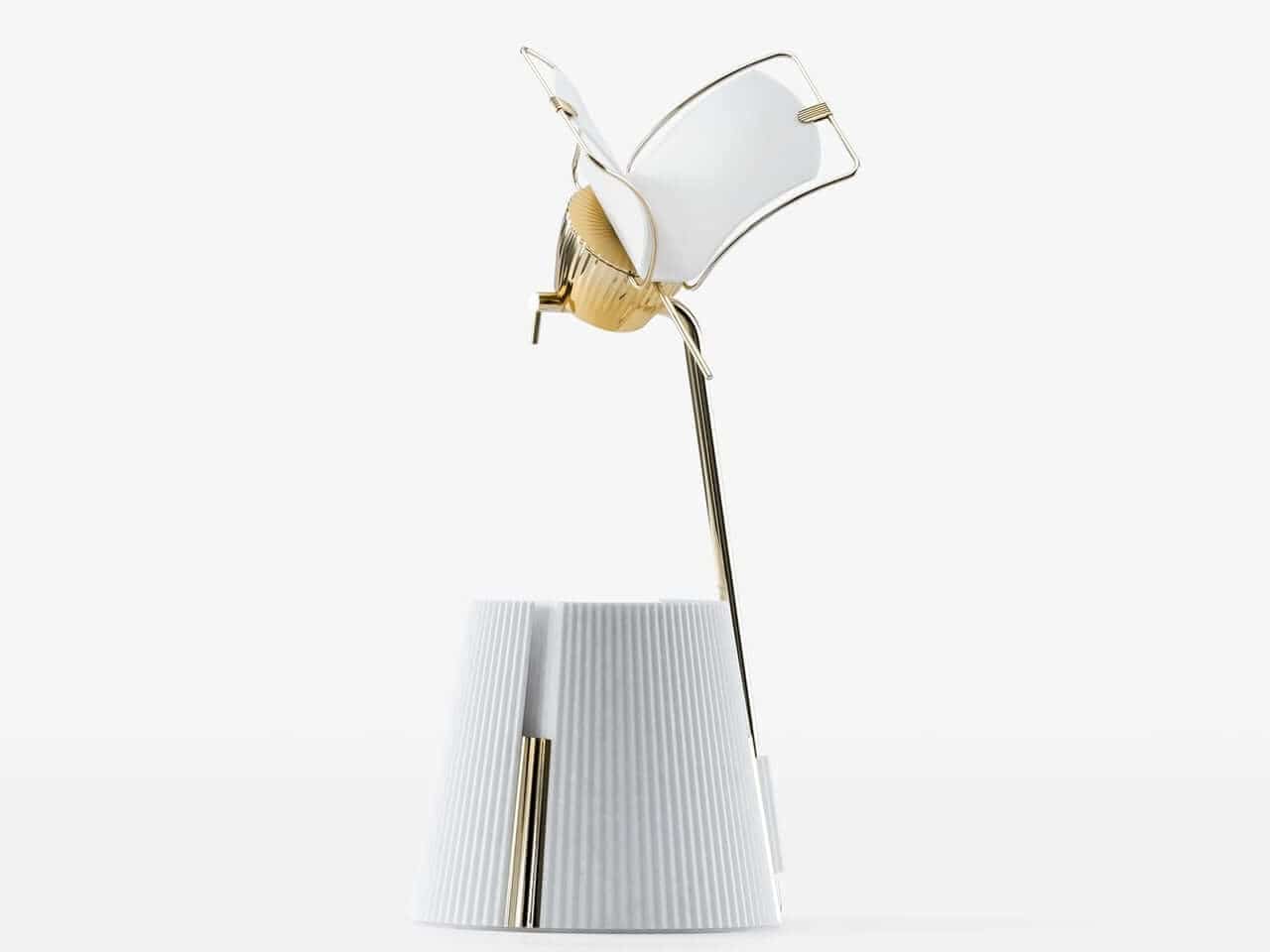
One standout design is the Sail Concept, and it immediately caught my eye. Picture a diaphragm stretched taut like a sail, suspended by tensioned strings. It doesn’t feel like a gadget; it’s more architectural, almost like a piece of art you’d find in a modern gallery.
The diaphragm is made from ROHACELL, a lightweight, rigid foam that can handle heat and shape-shifting without losing its structural mojo. That’s crucial because it needs to vibrate perfectly to deliver crisp sound.
What’s truly captivating is that you’re not just a passive listener—you can physically adjust the tension and positioning of this sail. It’s tactile tuning, like giving your room’s sound a gentle nudge or a bold pull. This hands-on interaction makes every listening session feel personal and alive.
Butterfly Concept Speakers: Let Sound Take Flight
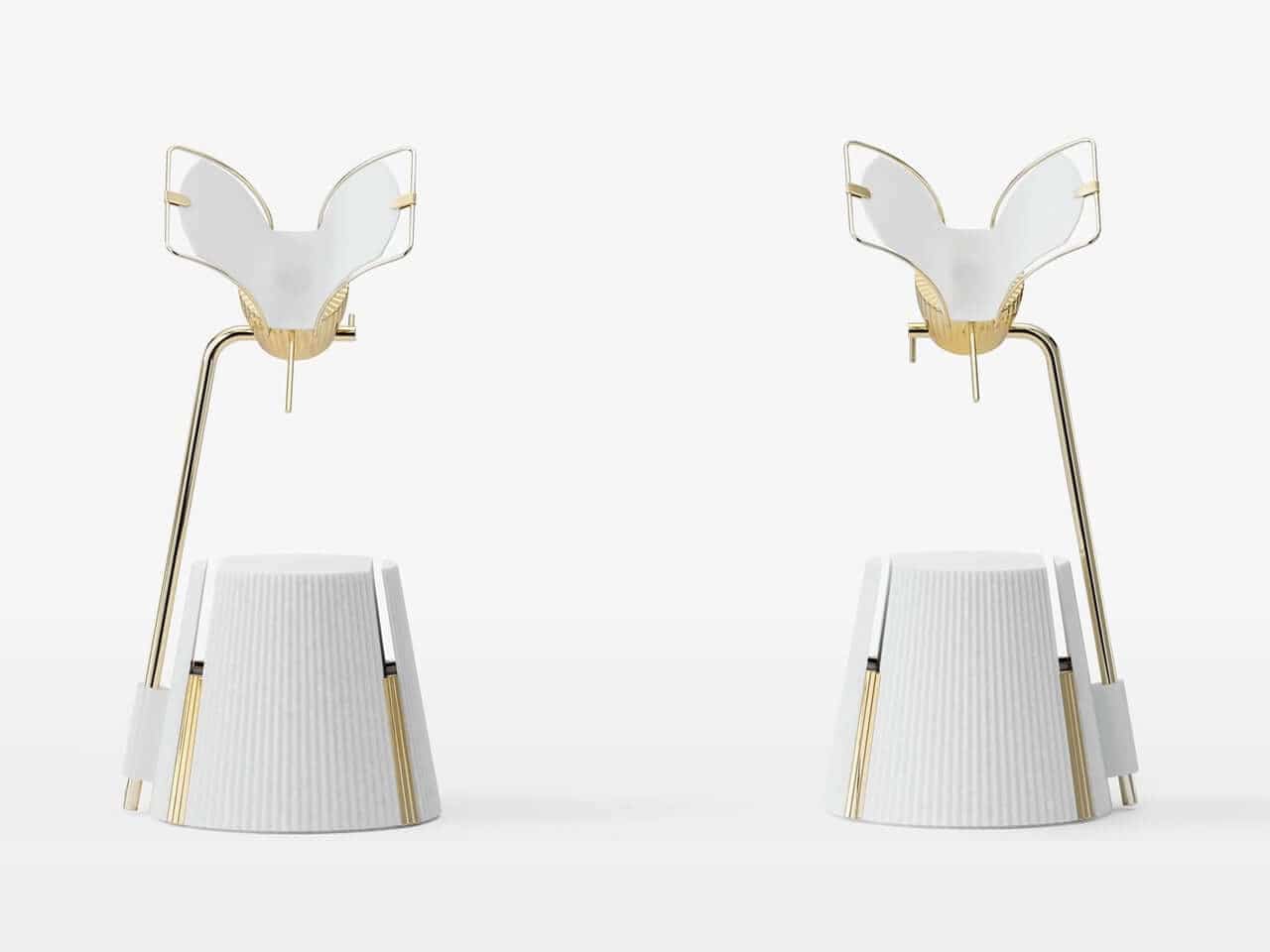
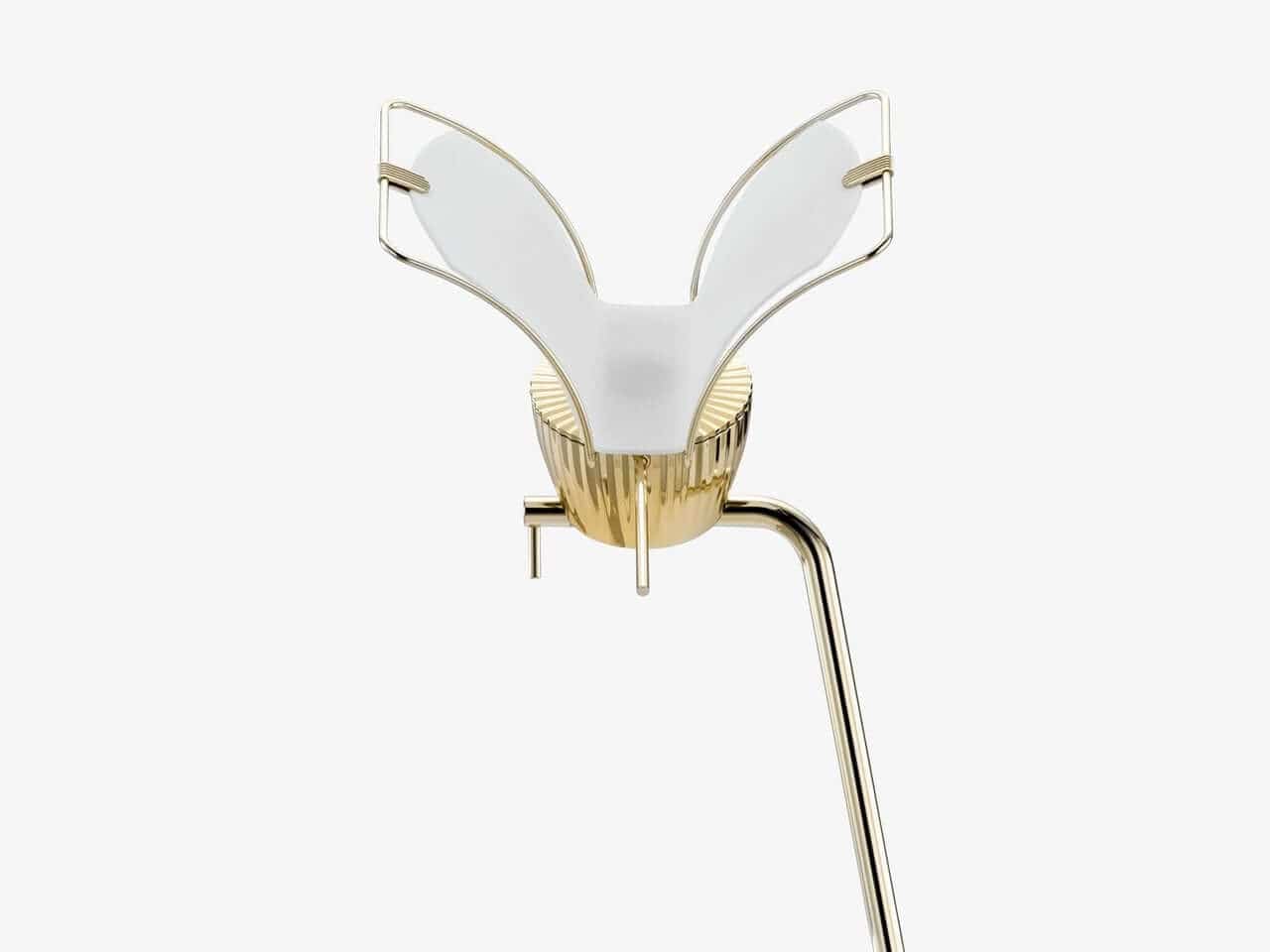
If the Sail is about tactile control, the Butterfly Concept is pure organic poetry. Inspired by nature’s symmetry, it features driver units positioned back-to-back with a reflective surface between them, while the top remains open for sound to breathe freely.
This clever layout reduces harsh surface reflections and allows sound to disperse widely and naturally. The twist? You can tweak how much sound comes from the internal versus external chambers, effectively changing the spatial vibe of your music.
Instead of shoving sound straight in your face, the Butterfly creates a rich, immersive soundscape that adapts to your room’s unique character. It’s like your music fluttering around you, inviting you into the performance.
Beyond Sail and Butterfly: Horn and Cristal Concepts
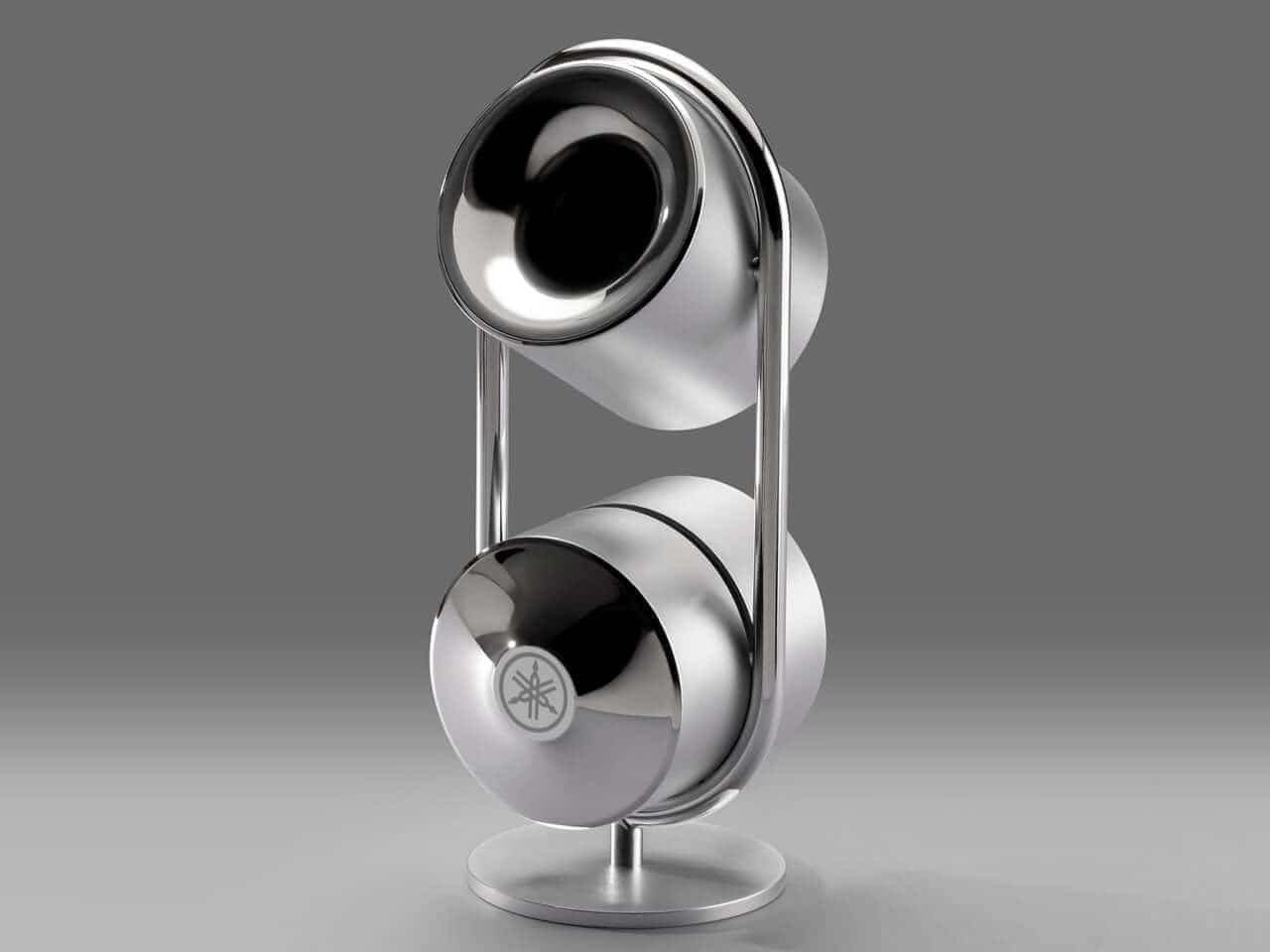
Yamaha’s passion for acoustics doesn’t stop with these two. They’ve also explored the Horn Concept Speakers, inspired by the majestic wind instruments we all love. By placing the driver partway along a horn shape, sound flows and radiates with an almost magical quality, sometimes seeming to float from thin air.
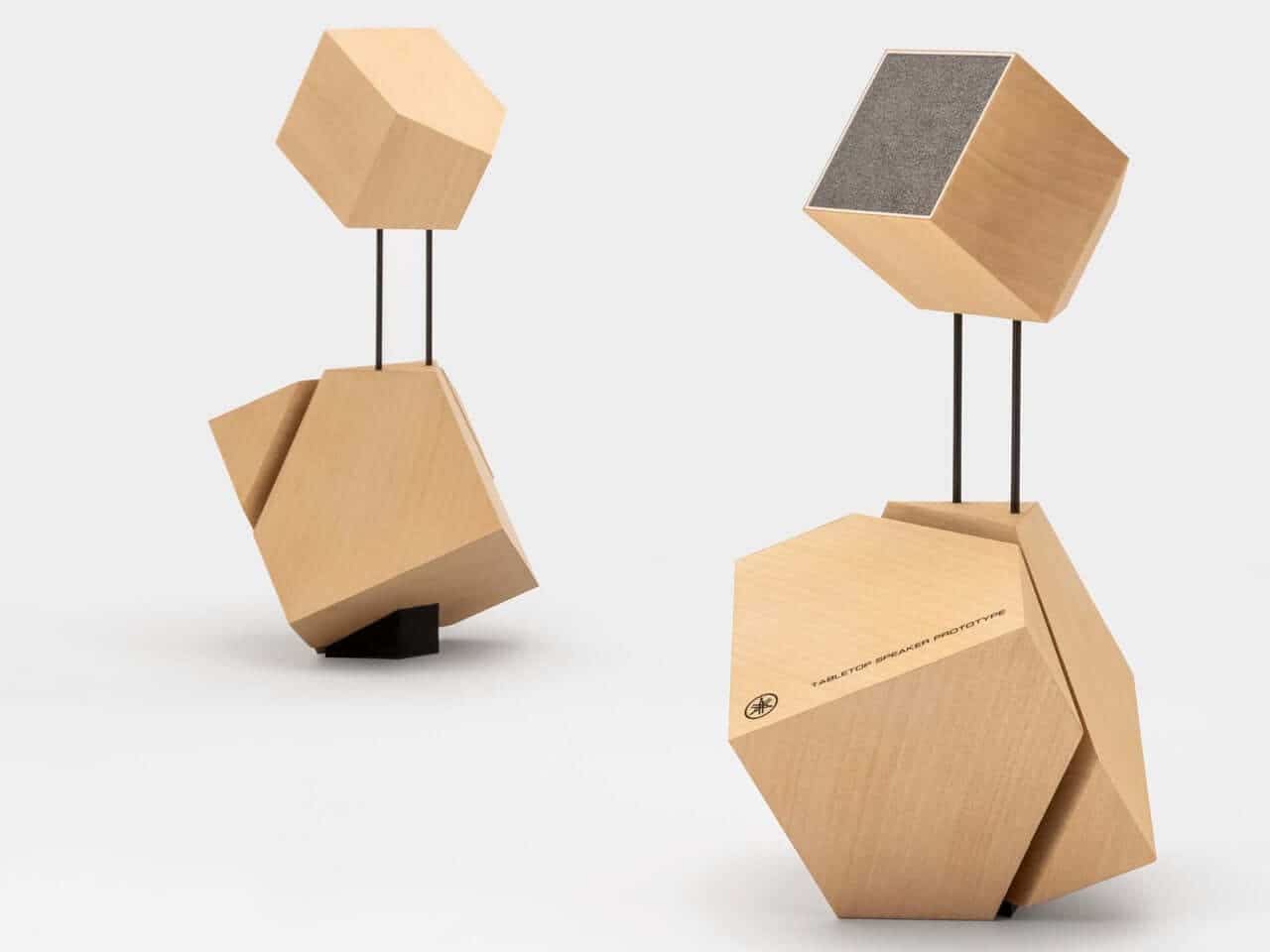
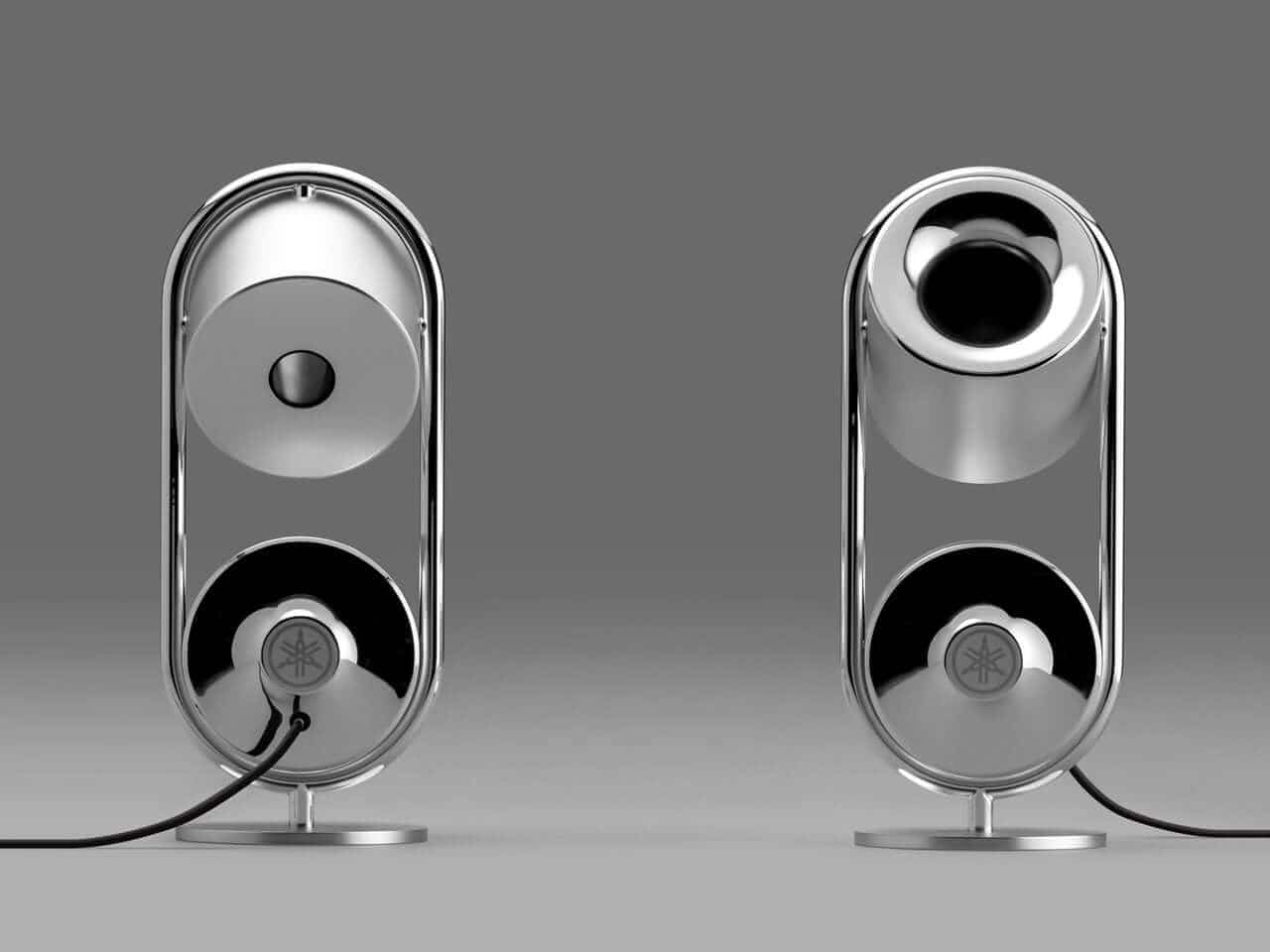
Then there’s the Cristal Concept Speakers, which strips design down to minimal geometry with a sculptural vibe. The opposing open-top units manage reflections artfully, while its shape evokes images of a perched bird or a sparkling crystal. Both designs show that sound quality hinges not just on internal parts but on the journey sound takes outward into your space.
Where Innovation Meets Interaction
What’s truly inspiring about Yamaha’s approach is how it weaves together material science, spatial acoustics, and user interaction. These speakers refuse to be just silent black boxes cluttering your desk. Instead, they’re expressive objects—alive, dynamic, and deeply connected with the space and listener.
“By integrating material innovation, spatial acoustics, and physical interaction, Yamaha demonstrates that speakers need not be static black boxes.” – Yamaha Design Lab
They hint at a future where listening to music isn’t a passive act but a vibrant collaboration between sound, object, and environment.
Could This Be the Next Wave in Speaker Design?
Yamaha’s Sail and Butterfly speakers are more than just prototypes; they’re a glimpse into how audio design could evolve. As a music lover and design enthusiast, I’m excited to see sound treated as a physical, interactive art form that invites you in rather than keeps you outside.
What if your next speaker wasn’t just something you hear, but something you feel and shape with your own hands? The future of audio might be closer than you think.
FAQ
- What materials are used in the Sail Concept speaker?
The diaphragm is crafted from ROHACELL, a lightweight and rigid closed-cell foam known for its heat resistance and thermoforming capabilities. - How does the Butterfly Concept reduce sound distortion?
By positioning its drivers back-to-back with a reflective surface and an open top, it minimizes surface reflections and allows sound to disperse more naturally. - Can users interact with these speakers?
Yes, particularly with the Sail Concept, where users can adjust the tension and positioning of the diaphragm, influencing sound projection. - What inspired the Horn Concept?
It draws from the acoustic properties of wind instruments, using a horn-shaped structure to shape how sound radiates and travels. - Are these speakers currently available for purchase?
These are experimental prototypes by Yamaha Design Lab, showcasing potential future directions in speaker design.
For those inspired by these designs, why not bring some musical flair into your own space? Shop your favorite album cover posters at our store and celebrate sound and art in your home.
 | DISCOUNTGET 30% OFF*Use code on your next order:
|
* This post may contain affiliate links, meaning we earn a commission if you make a purchase through these links, at no additional cost to you.