1972 John Lennon and Yoko Ono Concerts Return to Cinemas

1972 John Lennon and Yoko Ono Concerts Return to Cinemas
Experience the legendary 1972 John Lennon and Yoko Ono concerts, restored and hitting cinemas worldwide this April.
A Rare Glimpse Into Lennon’s Only Post-Beatles Concerts
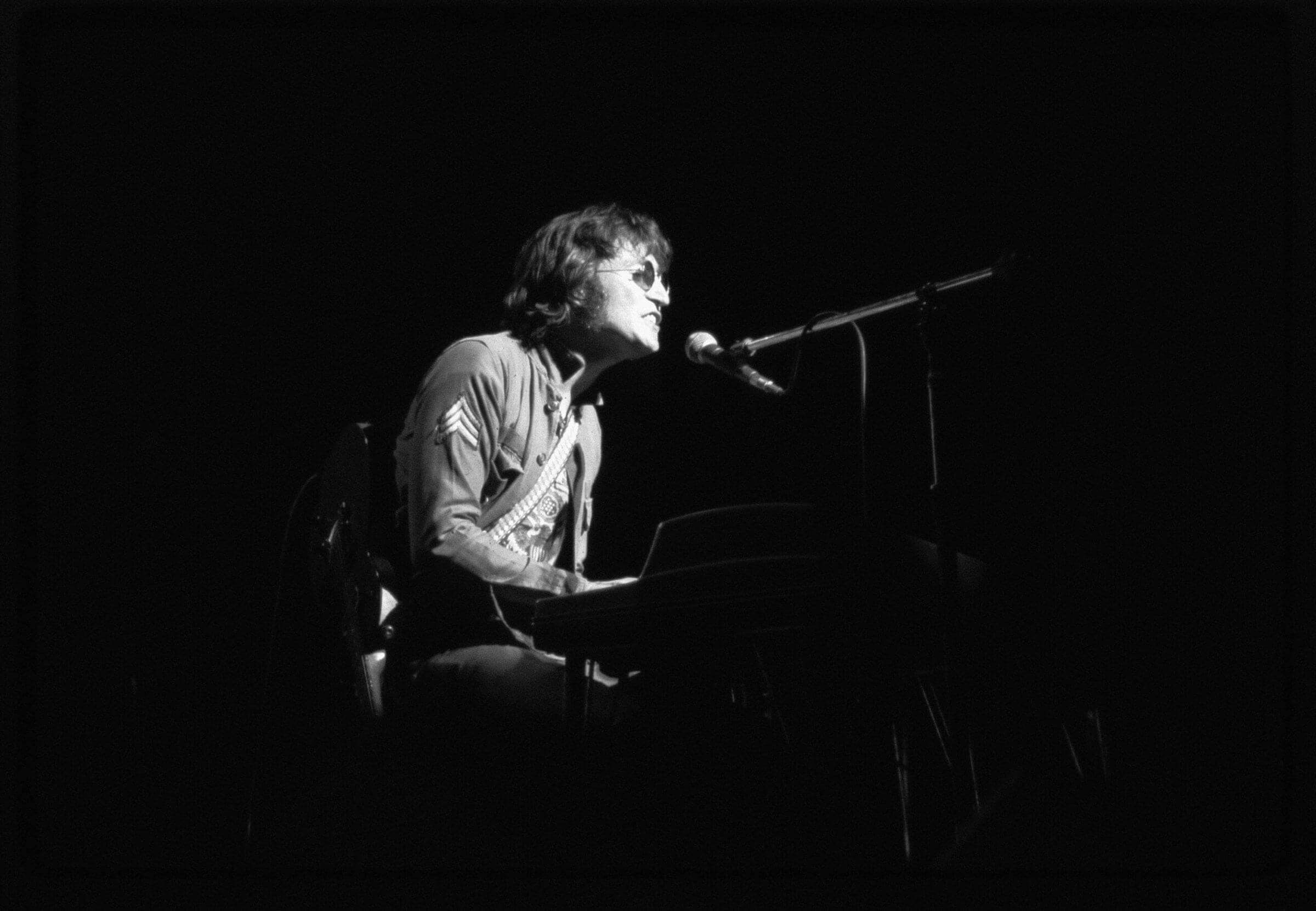
If you’ve ever wondered what John Lennon was like on stage after The Beatles, the answer is finally coming back to life with a bang. Starting April 29, cinemas worldwide will screen refurbished versions of John Lennon and Yoko Ono’s two exclusive full-length concerts from 1972 under the title POWER TO THE PEOPLE: John & Yoko/Plastic Ono Band with Elephant’s Memory and Special Guests – Live at the One To One Concert, New York City, 1972. This is no ordinary concert footage—it’s a treasure trove capturing the raw power and spirit of Lennon’s solo stage presence.
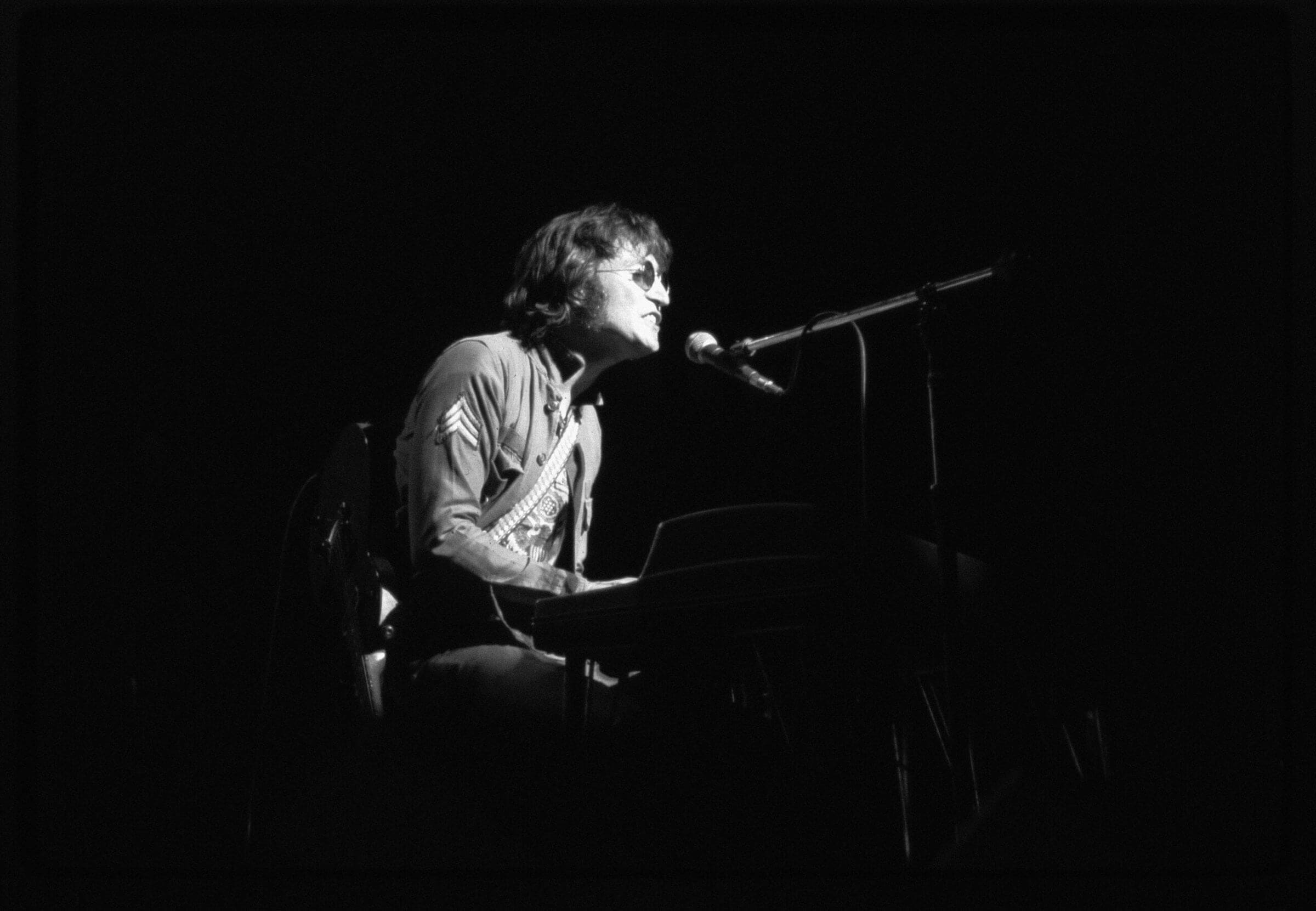
John Lennon at the piano during the 1972 ONE TO ONE concerts at New York's Madison Square Garden (photo: Michael Negrin).
These concerts represent the only full-length live performances Lennon gave after The Beatles’ breakup and before his tragic death in 1980. The footage had already formed the heart of last year’s documentary ONE TO ONE: JOHN & YOKO, directed by Kevin MacDonald, but now it’s been meticulously restored with love and care. The restoration team, including Lennon’s son Sean, and audio experts like Rob Stevens who had to carefully bake the fragile original tapes for high-resolution audio transfers, has elevated this historic material to pristine quality.
The music itself was also released last October as a deluxe boxed set, coinciding with what would have been Lennon’s 85th birthday—an emotional and fitting tribute.
From Greenwich Village to the Heart of Activism
After the Beatles dissolved in 1970, John Lennon and Yoko Ono could have easily slipped into quiet luxury, but instead, they chose gritty New York City’s Greenwich Village as their battleground for art and activism. Renting an unpretentious one-bedroom apartment on Bank Street, they immersed themselves in the city’s vibrant counterculture and became vocal champions of the anti-war movement, especially against the backdrop of the Vietnam War’s escalating violence.
Their activism wasn’t just words. After watching an investigative expose by journalist Geraldo Rivera on the appalling conditions at Willowbrook State School on Staten Island—a facility for intellectually disabled children—they were moved to act. The story of Willowbrook struck a particular chord with Yoko Ono, whose own daughter Kyoko had disappeared years earlier into a Christian cult, living under a false identity until their eventual reunion in 1998.
To support the Willowbrook cause, Lennon and Ono organized two benefit concerts on August 30, 1972. The proceeds, a staggering $1.5 million at the time (about $11.5 million today), went directly to improving the lives of these disabled children and their families.
The Concerts: Raw, Real, and Rocking
What made these concerts stand out wasn’t just the cause, but the electric performances that unfolded. Lennon and Ono were backed by New York’s local rock group Elephant’s Memory, tearing through early John Lennon solo classics like “Instant Karma!,” “Imagine,” and the emotionally charged “Mother.” Ono herself performed evocative pieces such as “Don’t Worry Kyoko” and “Open Your Box,” pushing boundaries as always.
The shows even included a surprise Beatles number, “Come Together,” and ended with a rollicking cover of Elvis Presley’s “Hound Dog,” tying together elements of rock history and raw energy.
“When I watch the film, the feeling I come away with almost more than anything else is, why the fuck did he not do this more? He’s so good live and he’s such a great performer. Simultaneously, he was incredibly anxious...But at these shows, he seemed so relaxed. He’s improvising, throwing in words and pulling this band together. He’s the beating heart of it, musically, and they hadn’t really rehearsed very much. It was all done in quite an ad hoc way.” — Kevin MacDonald
Sean Ono Lennon’s Personal Reflections
For Sean Ono Lennon, these shows have deep personal significance. “It was a concert that had a legendary status in my mind because it was my dad’s last concert,” Sean shared. He recalled wanting a Les Paul guitar after seeing his dad play one during the show and expressed gratitude for being involved in the restoration project.
He reflects on his father’s artistic vision, noting how John was “already kind of pre-empting the arrival of punk” by rejecting the slick production styles popular in the early ‘70s. Instead, Lennon embraced something raw, spontaneous, and truly rock ‘n’ roll. For Sean, hearing his dad’s voice and seeing unseen footage feels like getting “more time with my dad,” a poignant reminder of the personal and musical legacy left behind.
Mark Your Calendars: Screening Tickets and Legacy
Tickets for the cinema screenings will go on sale beginning March 20, a date that holds special significance as it would have marked John and Yoko’s 57th wedding anniversary. This adds an extra layer of meaning to the release, inviting fans worldwide to share in this rare musical moment.
This film not only celebrates Lennon’s musical brilliance but also preserves a moment of activism and spirit that defined a generation.
Final Thoughts: Why These Performances Matter
The 1972 One To One concerts are more than just shows; they’re a vibrant snapshot of a turbulent time, an artist’s courage, and a family’s legacy. The raw, unpolished energy on display cuts through decades of polished productions, reminding us of the power of live music as a form of protest and connection.
“He’s so good live and he’s such a great performer... He’s the beating heart of it.” — Kevin MacDonald
For any John Lennon or Yoko Ono fan—or anyone who cherishes the golden era of rock—this cinematic experience is a must-see. It’s a chance to witness a legendary musician in his element, to connect with history, and to feel that electric pulse of rock ‘n’ roll that never truly fades.
FAQ
- What is the significance of the 1972 concerts?
They are the only full-length live performances John Lennon gave post-Beatles, showcasing his raw solo artistry and activism. - Who backed John Lennon and Yoko Ono during these concerts?
The local New York rock band Elephant’s Memory provided musical backing. - What cause did the concerts support?
They raised funds—about $11.5 million in today’s terms—for Willowbrook State School, a facility for intellectually disabled children, highlighting poor conditions there. - How was the concert footage restored?
Experts, including Lennon’s son Sean, carefully restored audio and video, baking original tapes for high-resolution transfers. - When and where can I watch the restored concerts?
Starting April 29, cinemas worldwide will screen the restored concerts, with tickets available from March 20.
Ready to bring legendary music history into your home? Shop your favorite John Lennon album cover poster at our store for a timeless tribute to an unforgettable artist. Explore the collection here.
 | DISCOUNTGET 30% OFF*Use code on your next order:
|
* This post may contain affiliate links, meaning we earn a commission if you make a purchase through these links, at no additional cost to you.