Gipsy Kings Have Sold 25 Million Albums Since Their Humble Beginnings in Southern France, and a New Era Is Just Beginning



Gipsy Kings Have Sold 25 Million Albums Since Their Humble Beginnings in Southern France, and a New Era Is Just Beginning
25 million albums sold and a rich legacy of flamenco rumba worldwide — the Gipsy Kings continue to bring their vibrant sound into a new chapter.
From Street Serenades to Global Stardom: The Gipsy Kings’ Unforgettable Journey
There’s a magic to the Gipsy Kings that pulls you in from the very first strum of their guitars. Whether you’ve danced to “Bamboléo” at a summer party or caught their passionate flamenco rumba on the radio, their music evokes a celebratory spirit that feels timeless. And this isn’t just about catchy rhythms; it’s about a family legacy, cultural pride, and a story that stretches back to the streets of Southern France in the 1970s.
Picture this: A late ’80s London night where Princess Diana, dressed in “male drag” with a camouflage jacket, leather cap, and aviator sunglasses, attempts to sneak into the Royal Vauxhall Tavern. She’s joining none other than Freddie Mercury, DJ Kenny Everett, and actress Cleo Rocos, all fueled by cocktails and the vibrant beats of the Gipsy Kings. Did it really happen? That’s for Cleo Rocos to confirm, but what’s indisputable is Lady Di’s love for their music.
The band’s manager Ray Levy confirms, “We had heard through various sources that Lady Diana used to love dancing to Gipsy Kings.” In fact, he still treasures a letter from Kensington Palace thanking the band for sending CDs, highlighting how much the princess adored their songs. This heartwarming anecdote is just one of many that color the nearly half-century career of the Gipsy Kings, who are far from finished. With a U.S. tour kicking off in March and their new album Historia dropping May 15, alongside an Amazon Prime documentary about their fascinating story, the band’s flame continues to burn bright.
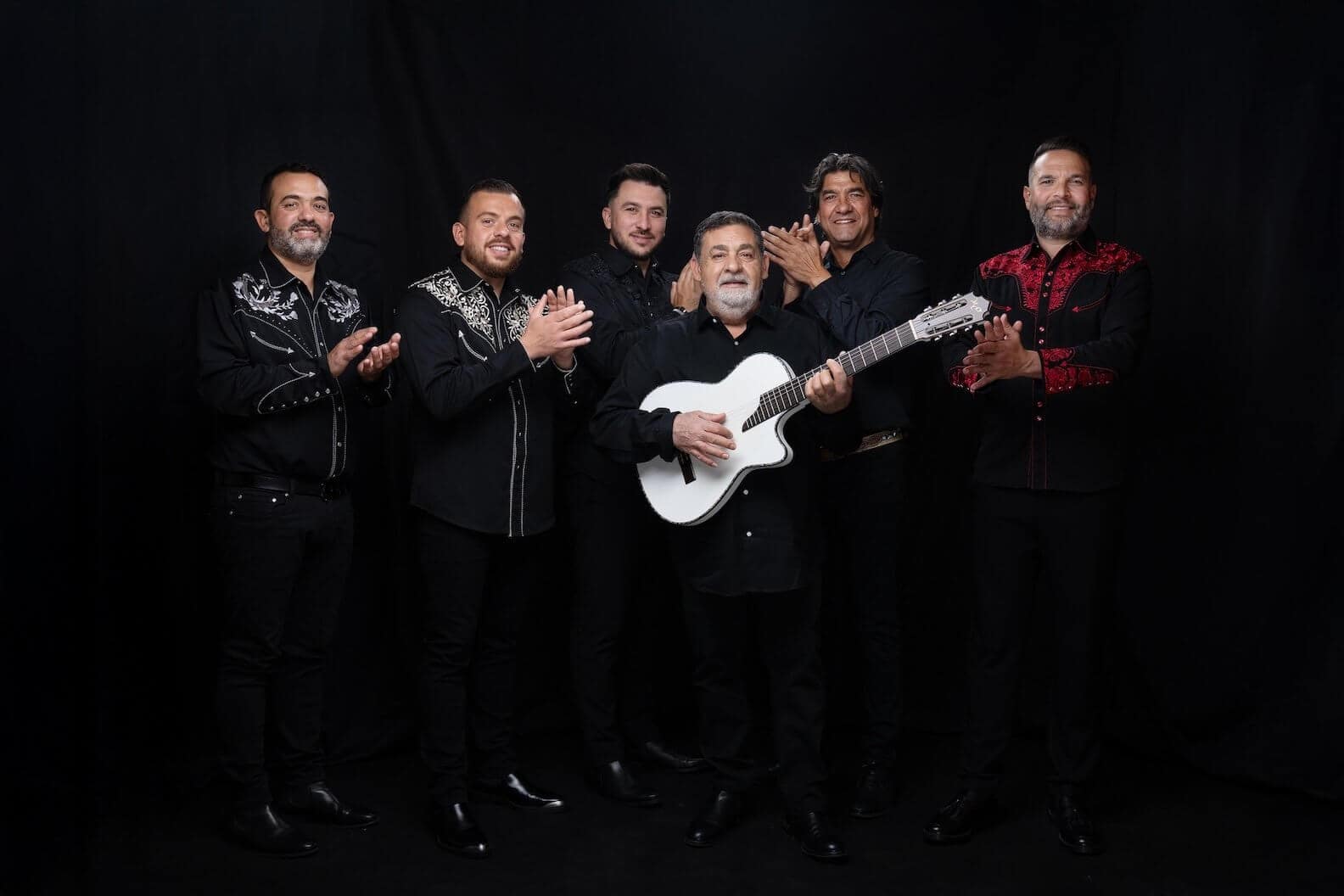
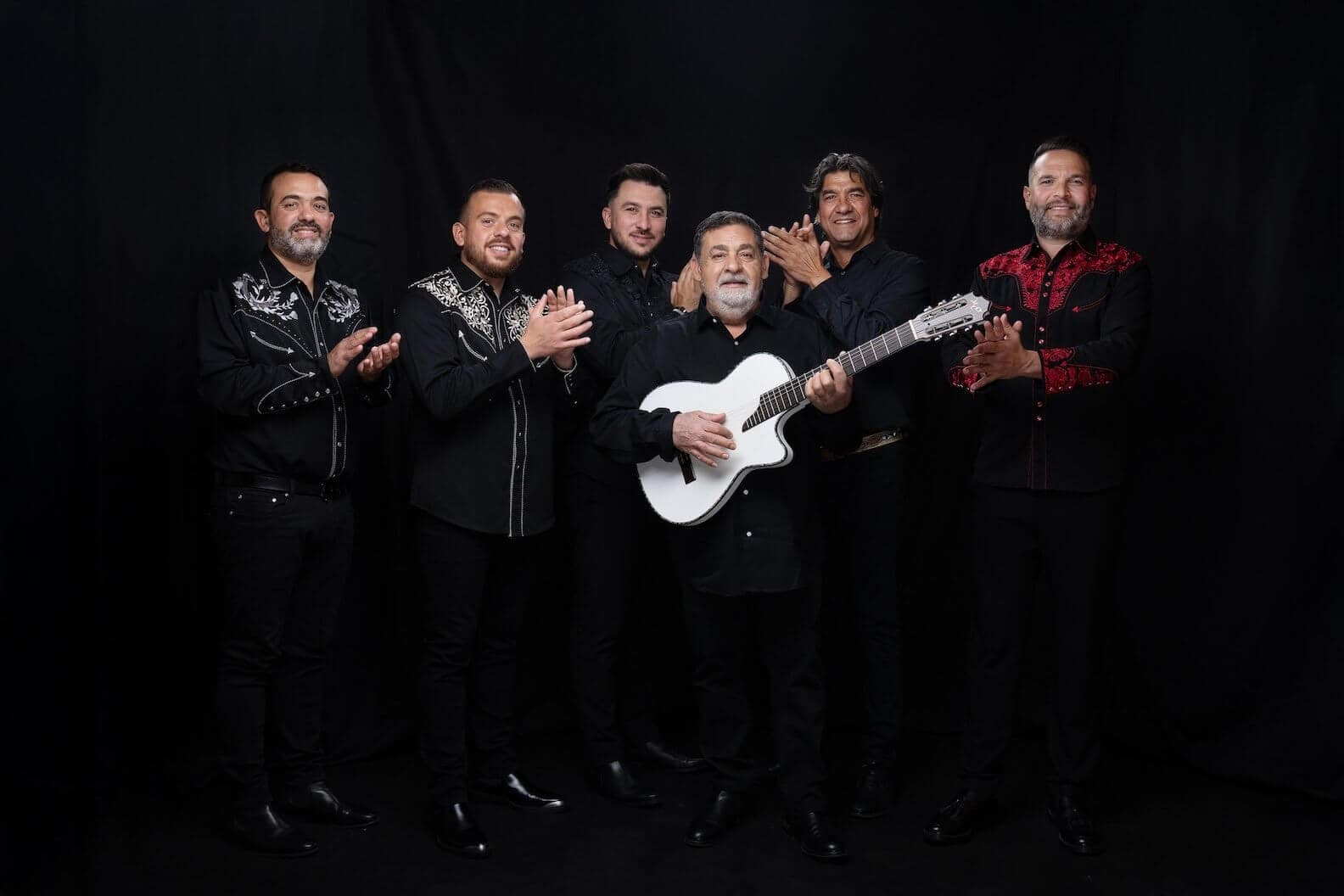
Gipsy Kings feat. Tonino Baliardo in a powerful group portrait.
Rooted in Tradition: The Birth of a Flamenco Rumba Dynasty
The Gipsy Kings weren’t born in a recording studio or a flashy concert hall—they emerged from the rich tradition of Spanish Romani music, blending flamenco, rumba, pop, and salsa with lyrics in Spanish, Catalan, and French. Their origins trace back to cousins José Reyes and Ricardo Baliardo, better known as Manitas de Plata, who grew up in a nomadic caravan in Southern France after their families fled Spain during the Spanish Civil War in the 1930s.
Manitas de Plata was a guitar virtuoso whose mesmerizing skills earned admiration from an eclectic mix of fans, including literary giant John Steinbeck, Hollywood star Marlon Brando, surrealist painter Salvador Dalí, and Picasso himself. Legend has it that Picasso once painted Manitas' guitar and immortalized the musician in a Cubist portrait, a testament to the artist’s reverence for his music.
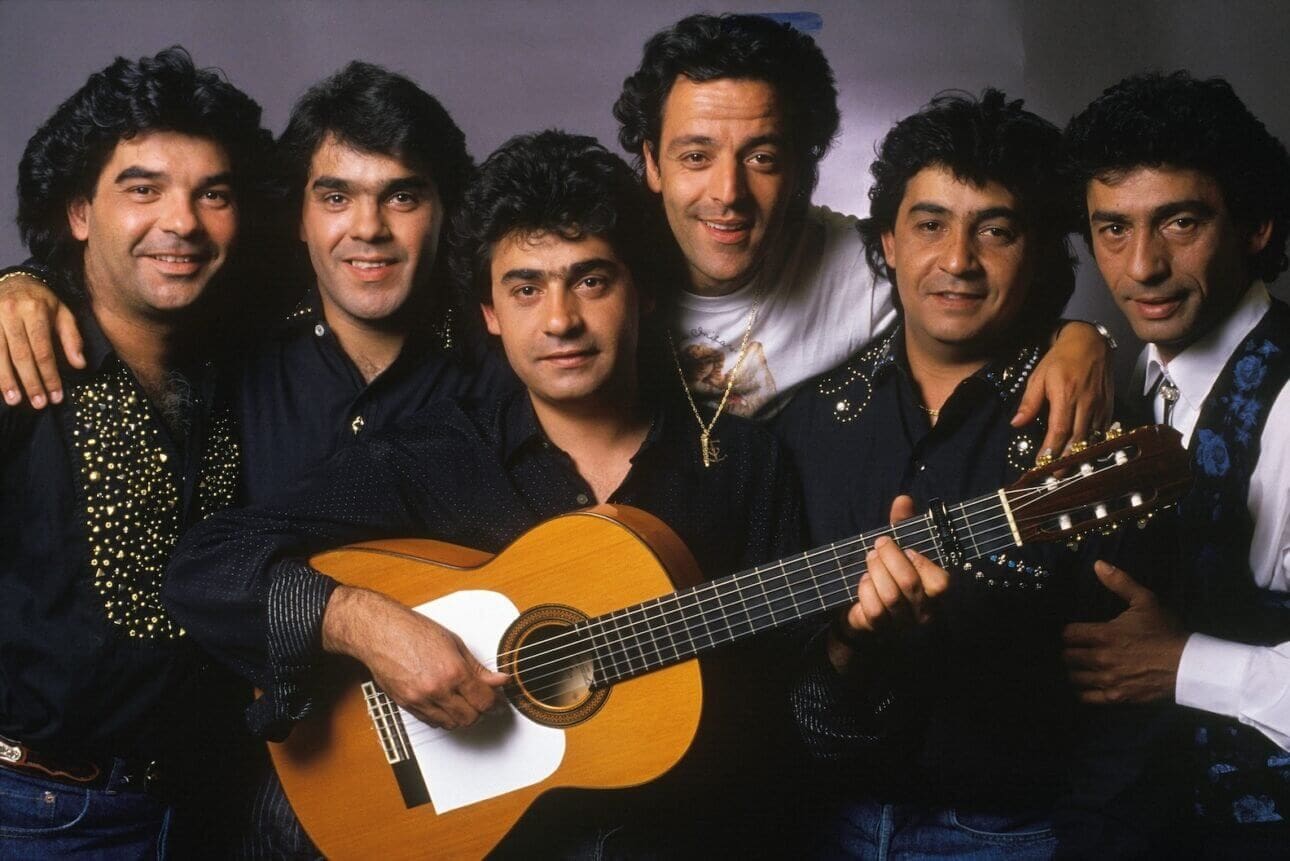
The Gipsy Kings captured in France, 1989.
Tonino Baliardo, the band’s charismatic leader, reflects fondly on his uncle’s legacy: “He was the original Gipsy King, taking our music to the world, and it was inspiring to see someone with just an acoustic guitar, getting so much attention. My uncle told me to just keep going, and that you do this for the love of the music itself.”
As the years rolled on, José Reyes began performing with his sons—Nicolas, François, André, Patchaï, and Pablo. After Reyes passed away in 1979, his sons, joined by cousins Diego, Paco, and Tonino, formed the Gipsy Kings. Starting as street performers across Southern France, they played at weddings, beaches, and restaurants, enchanting audiences with their infectious energy.
“We’d grab our guitars, start singing, and people would say, ‘You’ve got to hear them,’” Tonino recalls. Summer was prime time, especially in Provence and the Côte d’Azur, where tourists and celebrities mingled freely.
Celebrity Endorsements and a Meteoric Rise
The Gipsy Kings’ fan list reads like a who’s who of cultural icons. Brigitte Bardot, the French actress and model, discovered them in Saint-Tropez and loved them so much she invited them to her birthday party, which was attended by legends like Charlie Chaplin, Tony Curtis, and Roman Polanski.
Tonino remembers, “We were just hanging around Saint-Tropez, not known at all, and Brigitte invited us to almost all her parties because she loved the music so much. It was a really special connection.”
Their manager, Ray Levy, hints at a fascinating slice of the band’s history in the upcoming documentary, featuring this unique relationship that inspired the 1982 song “La Dona” (“The Lady”), bridging their music and the glamorous world they touched.
Levy first spotted the band when they were still living in a caravan beneath a motorway. Trusting his “gut feeling,” he believed they could make it big—and he was right. The breakthrough came in 1987 with their self-titled album featuring “Bamboléo” and “Djobi Djoba,” which went gold in France, the U.K., and the U.S. The album even spent 40 weeks on the Billboard 200, a remarkable feat for a Spanish-language release at the time.
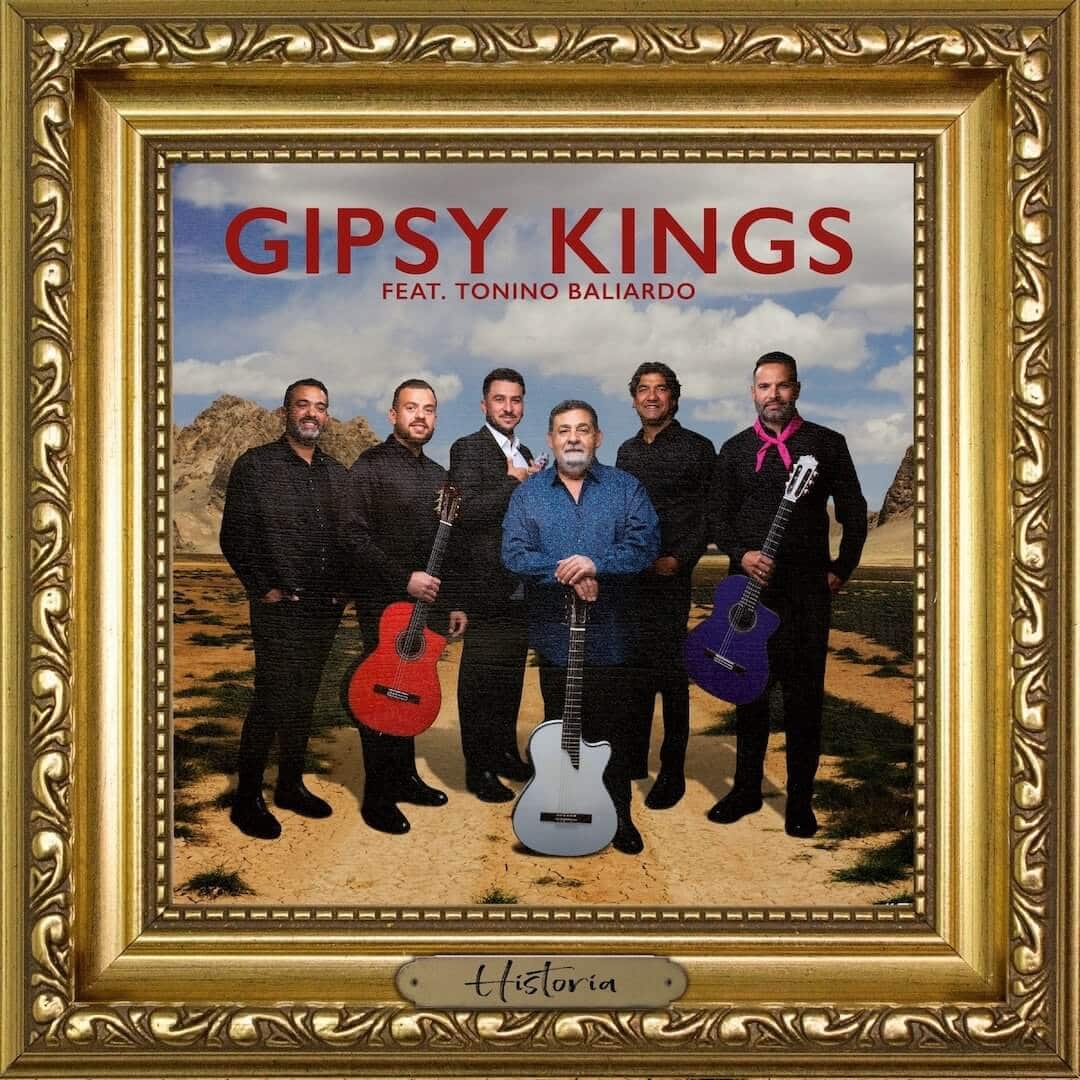
The cover of Gipsy Kings’ latest album, Historia.
Breaking Barriers and Making History
Today’s Latin music charts are dominated by vibrant acts worldwide, but the Gipsy Kings were true pioneers pushing Spanish-language music into the mainstream. Tonino reflects, “I think and hope that Gipsy Kings opened the doors to Spanish music being on the radio. When we started, that wasn’t happening. Now it’s very present.”
Ray Levy recalls the hurdles they faced. “When we first released ‘Bamboléo,’ it took a year to get one play on BBC Radio. They said, ‘We will never play this. What are they singing about? Who are these guys? We only play English lyrics.’ It was frowned upon, but it happened. And then the whole world came around to it.”
Their first London Royal Albert Hall show in 1989 was a star-studded affair with Eric Clapton and George Michael in attendance. Since then, the Gipsy Kings have sold over 25 million albums, earned eight Grammy nominations (including one win), and had their flamenco-infused covers of the Eagles and Randy Newman featured in Hollywood films.
Their 2024 performance at Glastonbury Festival dazzled 10,000 fans, proving their timeless appeal. “It’s been an incredible journey,” says Levy. “But they’re still the same guys that are here now. We’re all one big family.”
Historia: A New Album and the Next Chapter
The spirit of family and tradition pulses through Historia, their newest album. It’s a heartfelt tribute to the people, places, and moments that shaped the band. Tracks like the lively “El Campo” celebrate Romani life, while “Señorita” dances with the innocence of childhood.
Tonino’s sons, now grown, play alongside him in the current lineup, carrying the torch forward. “They embody gypsy music and know what it’s all about,” Tonino shares proudly. “The legacy is safe with them.”
The album also touches on personal loss. After his brother Paco passed away in April 2025, Tonino composed the instrumental “Cielo” in his memory. “When my brother was in the hospital, sick, I just started playing, and that’s what came out. It came from the heart.”
But it’s the Spanish guitar ballad “La Guerra” (“The War”) that captures the band’s deeper message—a plea for peace amid global turmoil. Tonino emphasizes, “It’s a song about peace with all the wars happening around us. We play from a place of emotion, we don’t overthink it. And I think that translates and talks to many generations of people that maybe don’t have the same opinions or whatever it may be. We have always been about unity.”
“When we first released ‘Bamboléo’ many years ago, it took a year to get one play on BBC Radio… And then the whole world came around to it.”
— Ray Levy, Gipsy Kings’ manager
Legacy, Love, and Flamenco Rumba for the Ages
From their caravan roots to international stages, the Gipsy Kings’ story is one of passion, perseverance, and joyous music that transcends borders and languages. Nearly 50 years after their journey began, they prove that true artistry and family bonds are an unbeatable combination. And with Historia, they’re inviting a new generation to join the dance.
FAQ
- What is the origin of the Gipsy Kings?
The band originated in Southern France in the 1970s from cousins and family members rooted in Spanish Romani traditions. - How many albums have the Gipsy Kings sold?
They have sold over 25 million albums worldwide. - What genres influence the Gipsy Kings' music?
Their music is a vibrant blend of flamenco, rumba, pop, and salsa. - What is special about the album Historia?
It celebrates the band’s heritage and personal stories, including tributes to loved ones and messages of peace. - Who influenced the Gipsy Kings early in their career?
Influential figures include Manitas de Plata and supporters like Brigitte Bardot and Princess Diana who loved their music.
For fans who want to bring the passion of the Gipsy Kings into their own space, shop your favorite album cover poster at our store here. Celebrate this legendary band with art that echoes their vibrant spirit.
 | DISCOUNTGET 30% OFF*Use code on your next order:
|
* This post may contain affiliate links, meaning we earn a commission if you make a purchase through these links, at no additional cost to you.