Apple in 2025: Triumph of the iPhone 17 and the Grand Failure of iPhone Air



Apple in 2025: Triumph of the iPhone 17 and the Grand Failure of iPhone Air
Apple’s 2025 brought both stellar victories and surprising flops, redefining its smartphone legacy.
So, fellow tech enthusiasts and curious onlookers, have you caught your breath yet? Apple’s 2025 was nothing short of a rollercoaster ride. On one side, the company delivered arguably its most powerful year in recent memory—finally nudging Samsung off the throne as the world’s top smartphone supplier. The iPhone 17 lineup has been flying off shelves like hotcakes, and the new M5 silicon chip is making Windows laptop owners nervously glance sideways.
But not all is rosy in the Apple orchard. While Tim Cook counts profits from the core iPhone models, some of the company’s experimental ventures have taken a nosedive. Nostalgia for sleek, ultra-thin designs led to a spectacular flop, and the much-hyped artificial intelligence promised two years ago still looks more like a school project than a game-changer.
After diving deep into the year's wins and losses, let’s break down what Apple nailed and what might be better left on the shelf.
Winner: The iPhone 17 Lineup Hits All the Right Notes
This year, Apple finally did what we’ve been begging for: it perfected the base model. The iPhone 17 isn’t just an entry-level phone—it’s a full-fledged flagship that’s even eating into the sales of its pricier “Pro” siblings.
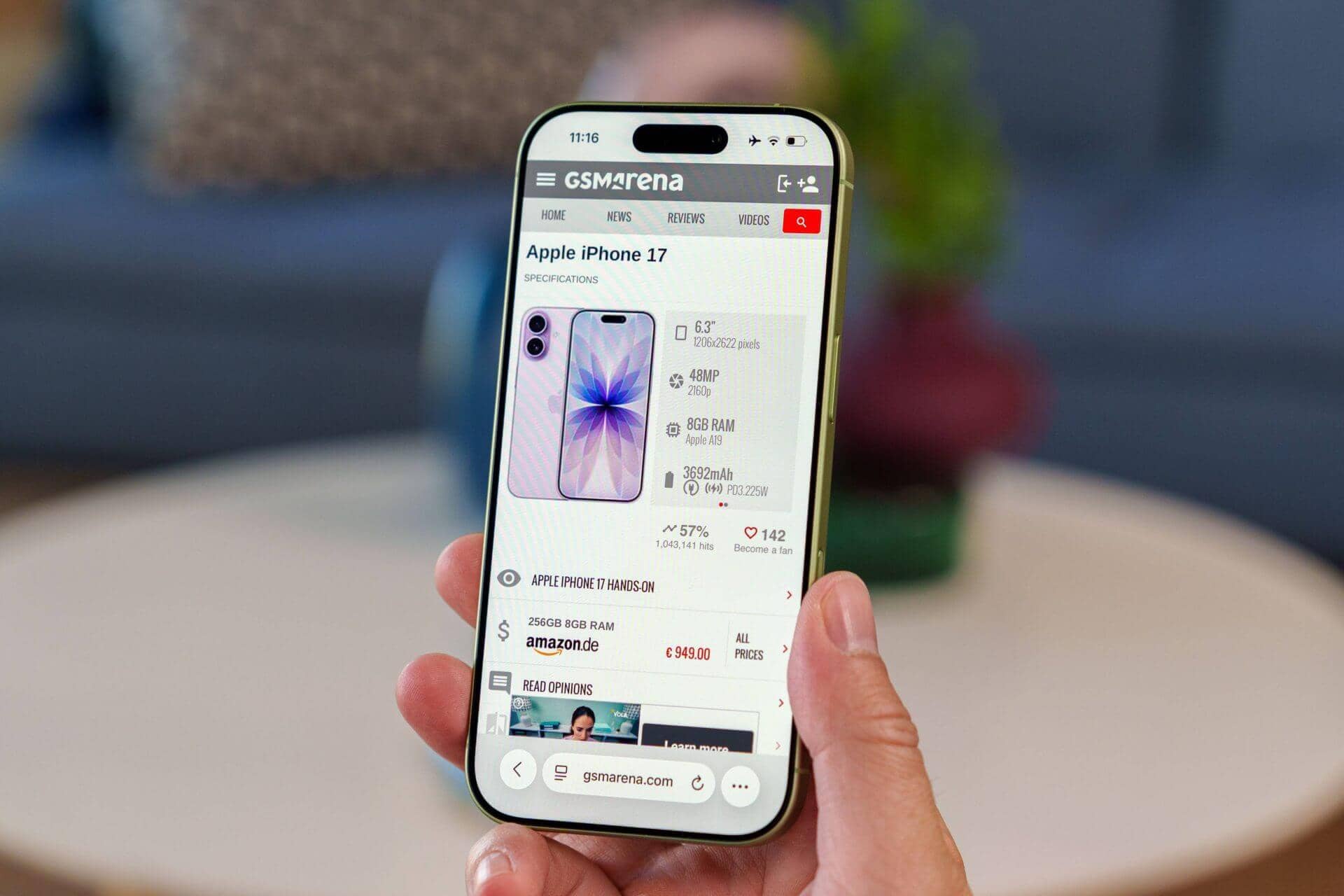
The tear-jerker moment? The base model now sports a ProMotion screen with a buttery-smooth 120 Hz refresh rate. Add to that a shiny new 18-megapixel front camera, the latest A19 chip, and a starting storage of 256GB—all at the familiar $799 price tag in the US. This sweet spot makes the iPhone 17 an undeniable bestseller.
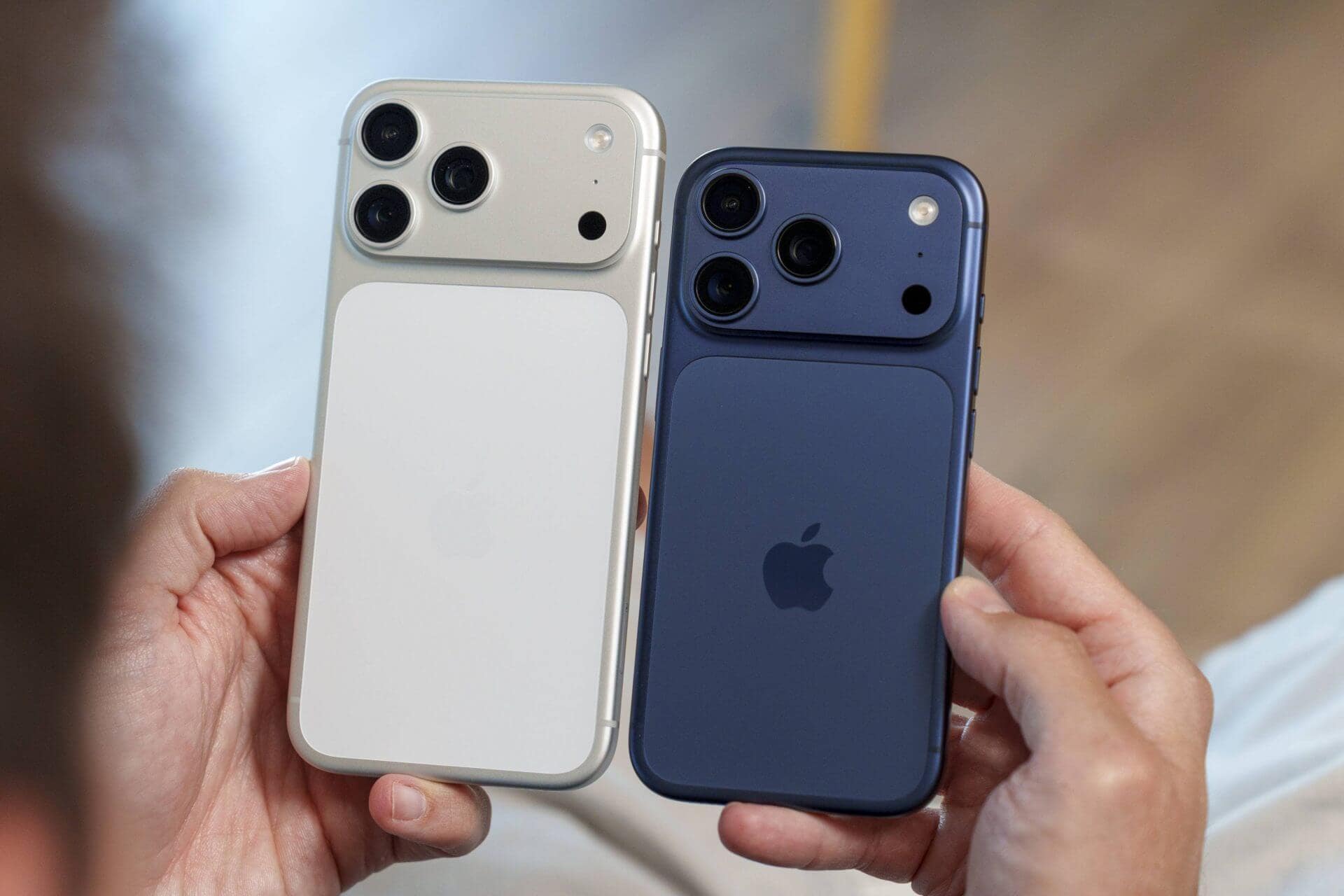
The elder siblings—17 Pro and 17 Pro Max—didn’t disappoint either. Their fresh new colors, in vibrant orange and deep blue, bring a refreshing aesthetic twist. The real highlight is the inclusion of a vapor chamber cooling system—finally giving gamers something to cheer about. The 48MP telephoto cameras and 12GB of RAM are now standard fare, elevating these models into multitasking beasts built to conquer any challenge.
Loser: iPhone Air – Beauty Without the Brawn
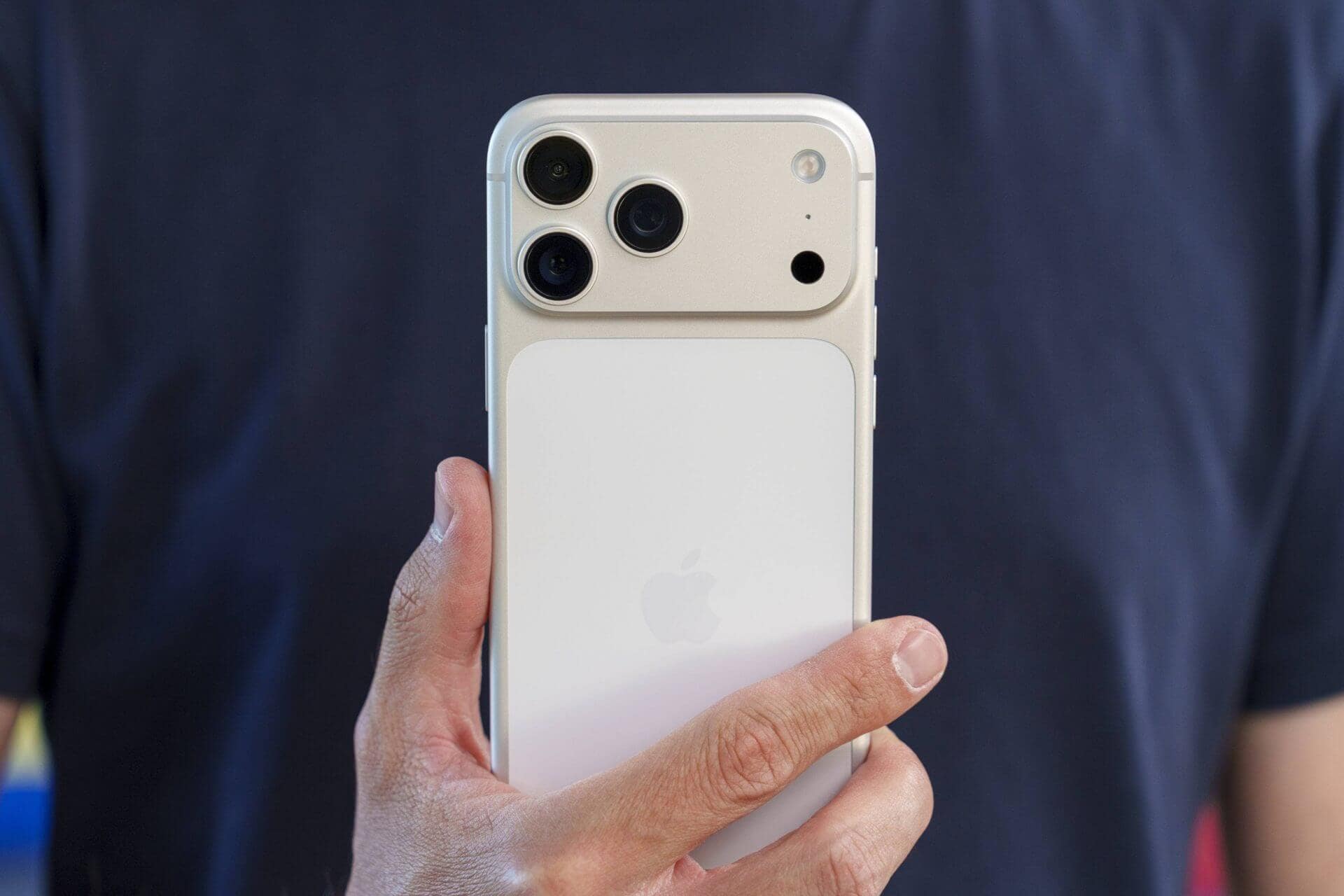
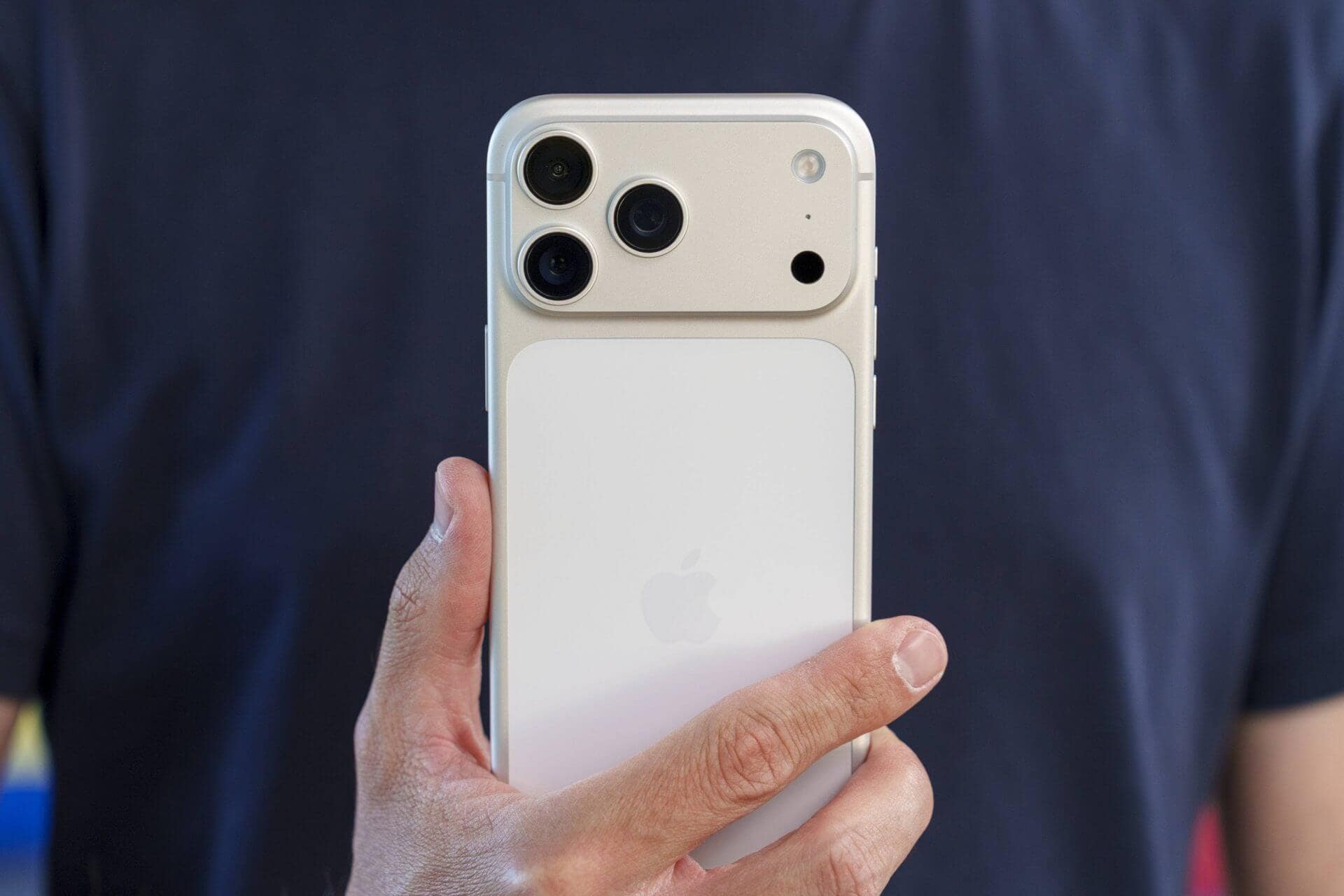
Oh, the hype! The leaks! And yet, the iPhone Air turned out to be Cupertino’s loudest flop in recent memory. People just aren’t willing to shell out flagship cash for a phone that’s “pleasantly thin” and feels feather-light.
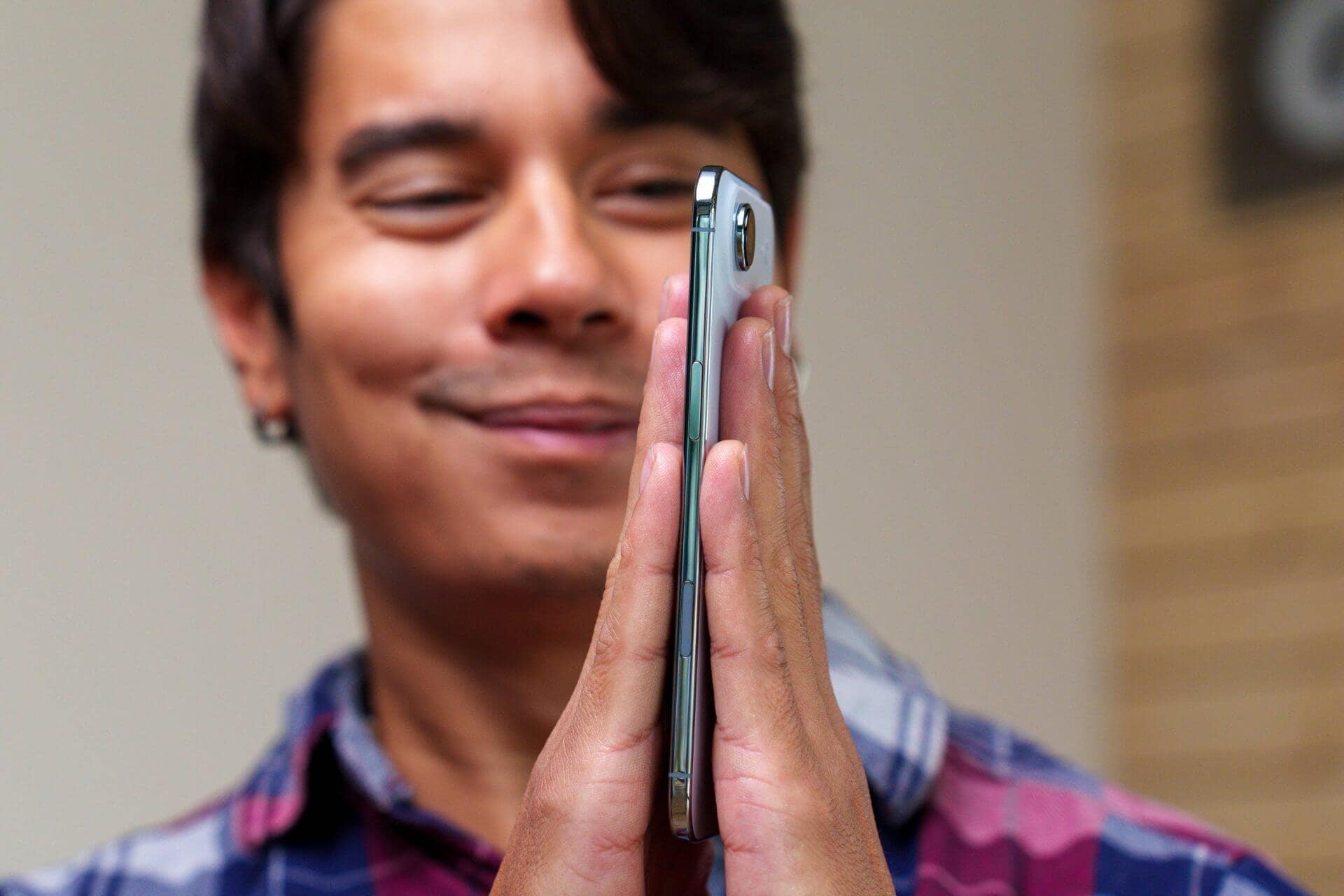
Sure, the iPhone Air is an engineering marvel. But it comes with some jaw-dropping compromises: a single camera, mono speaker, and a battery that begs for mercy by midday. And all that for the price of a full flagship. The market wasn’t kind—Air sales hit rock bottom, and secondhand prices are dropping faster than Bitcoin on a bad day. Rumor has it Apple isn’t even planning a successor, and the lead designer has already left the company.
Loser: iPhone 16e – The Frankenstein of Apple’s Lineup
If the Air was a pretty disaster, the iPhone 16e is just... confusing. Apple’s attempt to sell a Frankenstein’s monster made from leftover parts of previous models for $599 feels like a bad joke.
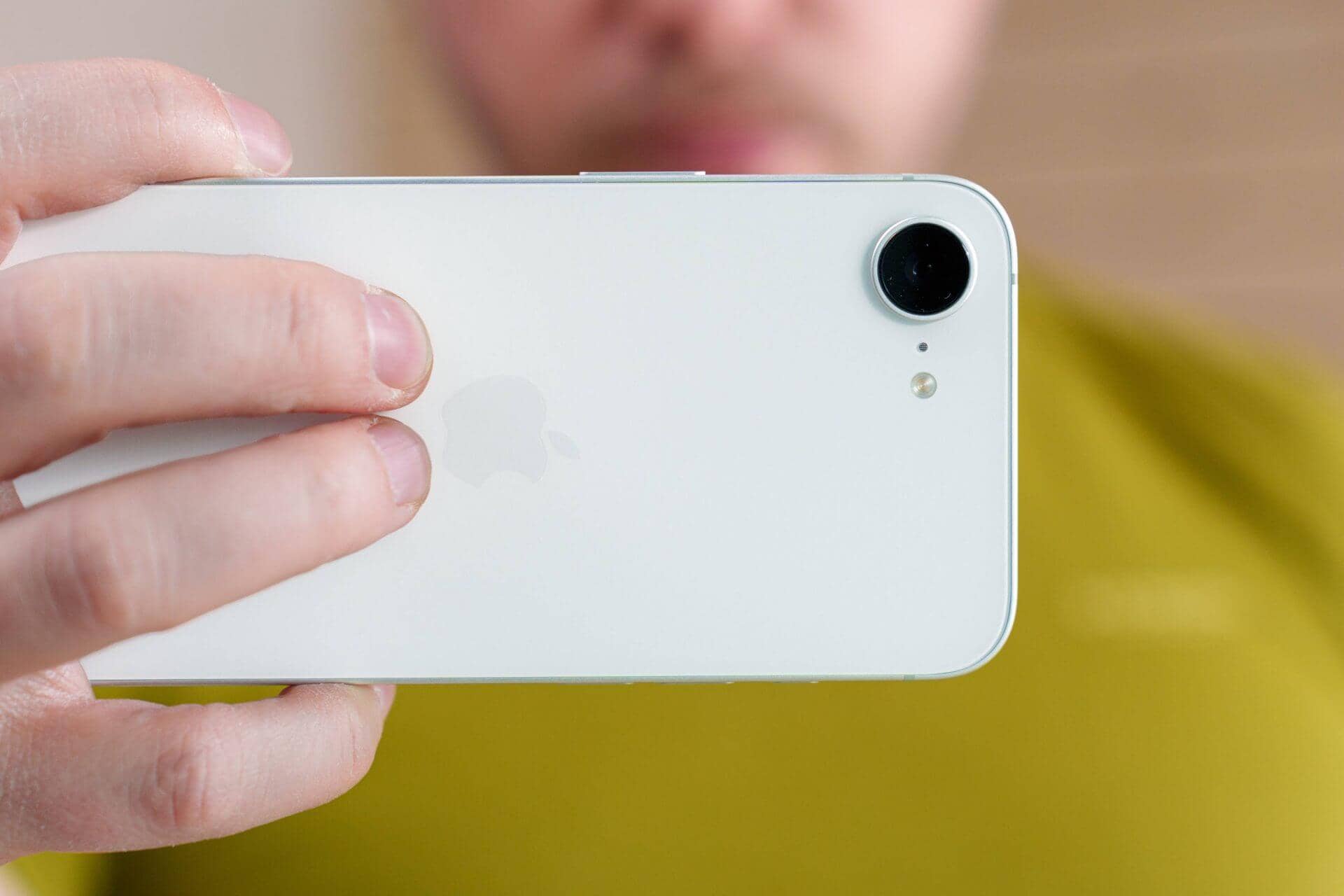
A 60 Hz screen in late 2025? The old “notch” and thick bezels are straight out of a bygone era. The biggest sin? Apple axed MagSafe—the very technology that’s been a staple for five years. Couple that with bland colors limited to black and white, and you’ve got a phone even grandma wouldn’t want.
Winner: MacBook Pro 14 with the M5 Chip – A True Powerhouse
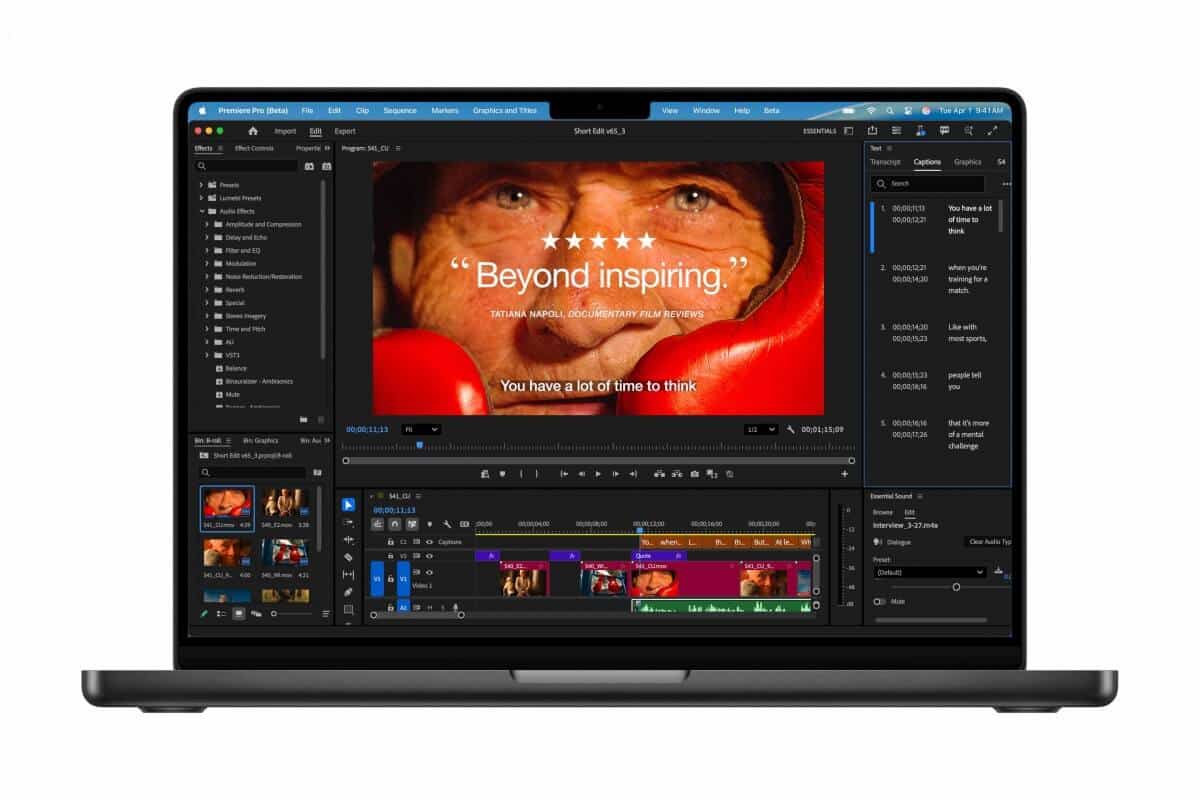
Looking for a laptop built to last? The MacBook Pro 14 with the M5 chip is your answer. It keeps the signature premium design and stunning Liquid Retina XDR display but now runs on the formidable M5 processor.
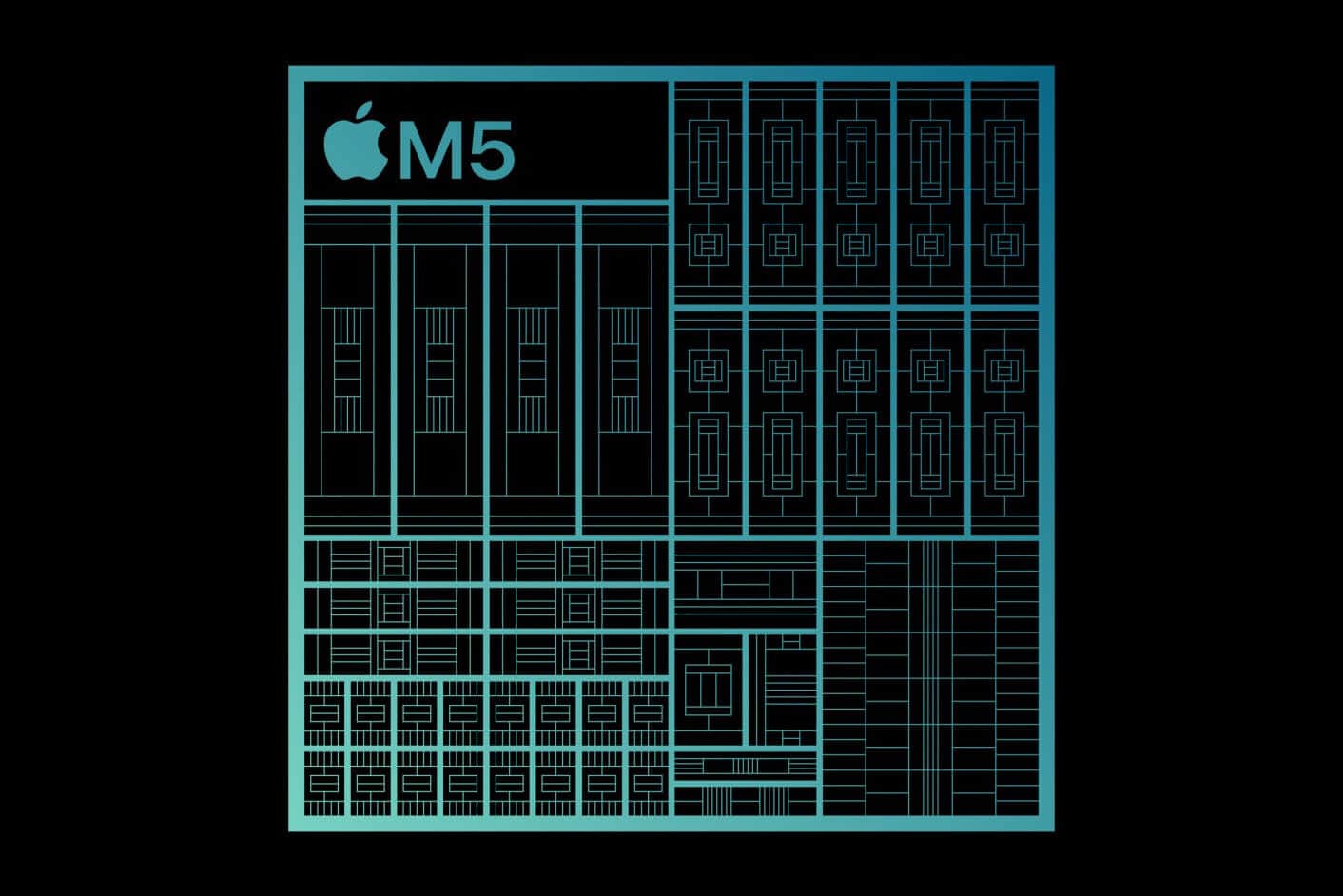
Graphics performance jumps 45% over the M4, turning video and 3D work into a breeze. Neural accelerators embedded in every GPU core boost AI and video tasks. Memory bandwidth is up 30%, all while battery life remains impressively steady despite the power boost. This is a rare upgrade that genuinely makes a difference.
Losers: Apple Intelligence and Siri 2.0 – Still in the Rough
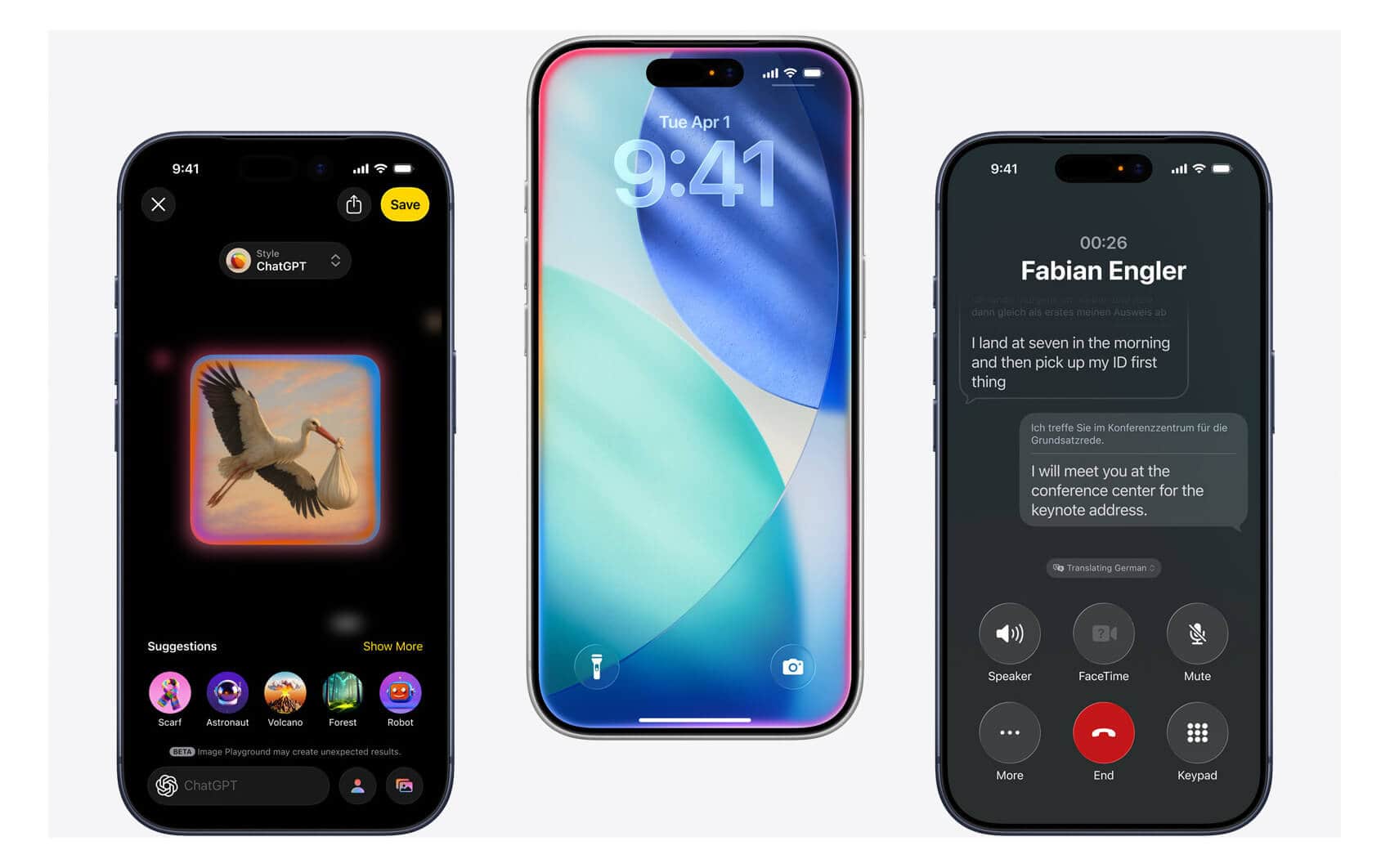
To be labeled a flop two years in a row is a clear sign of trouble. The “smart” Siri promised back in 2023 seems lost in translation. Apple Intelligence features are clunky and unfinished, feeling more like early prototypes than polished tech. Rumors swirl that Apple is negotiating with Google to integrate their Gemini AI models—which basically says: if you can’t beat them, join them.
Winner: AirPods Pro 3 – Perfecting the Audio Experience
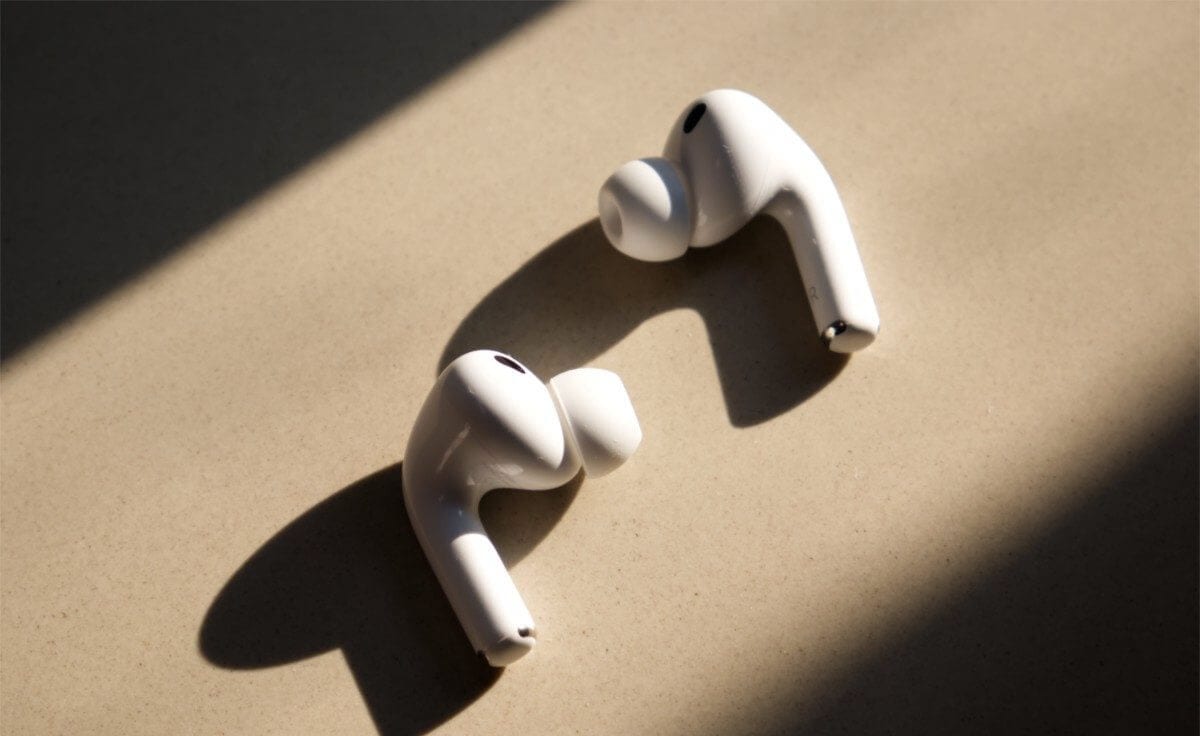
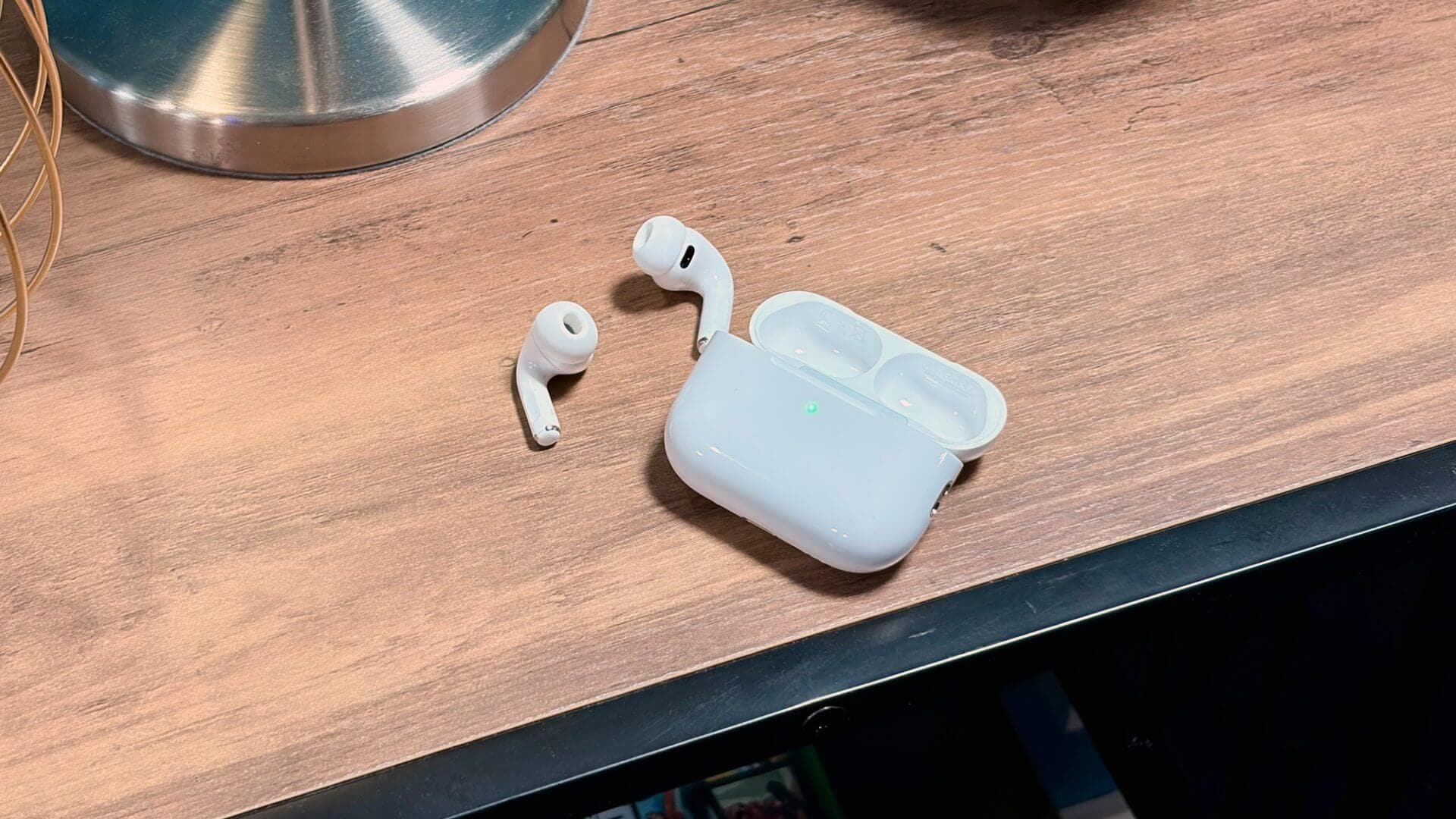
Apple didn’t miss the mark here. AirPods Pro 3 took all the best parts of the second-gen and dialed them up to eleven. Noise cancellation is now the gold standard, with transparency mode feeling even more natural. They bumped up water resistance to IP57 and added real-time translation features that make travel and communication a breeze.
Pricing and Availability in Russia
Official Apple shipments aren’t happening here, but parallel imports are humming along nicely. You can snag the latest gadgets on popular marketplaces and big retail chains just days after global launches—though expect a premium.
Given the current currency and logistics, here’s a rough price rundown:
- iPhone 17 (256GB): Globally $790; locally about $1,050–$1,200.
- iPhone 17 Pro: Starts at $1,220 globally; expect around $1,600 locally for 256GB, with Pro Max versions hitting over $2,000.
- iPhone Air: Due to low demand, prices fluctuate around $1,100 but likely to drop.
- iPhone 16e: $600 globally; roughly $850 locally. For that, better to hunt for a used iPhone 15 Pro or a discounted 14 Pro.
Using Apple Gear in Russia: What You Need to Know
Buying Apple tech here in 2025 means navigating some quirks:
- Payment: Apple Pay is a no-go. You’ll need to slap payment stickers on the back of your new iPhone 17 or carry a physical card.
- Apps: Popular banking apps aren’t in the App Store. You’ll have to install via PC utilities, ask banks for help, or rely on web versions that surprisingly work quite well.
- Connectivity:
- eSIM: US iPhone models (LL/A) come eSIM-only—no physical SIM slot. It works here but might be inconvenient when switching numbers.
- SIM Slots: European, Asian, and UAE versions have one physical SIM slot plus eSIM. Chinese and Hong Kong models even have two physical SIMs—a favorite among users here.
- Frequency Bands: Main LTE bands are supported globally. VoLTE and VoWiFi usually work out-of-the-box but may need some fiddling on Chinese versions.
- Meta Apps: Social media apps like Instagram and Facebook belong to Meta, which is restricted here. They only work through special services and won’t come pre-installed.
“iPhone 17 Pro with eSIM surprised everyone: battery lasts impressively long.”
Apple’s 2025 was a battlefield of innovation and misfires, proving that even giants can stumble while pushing boundaries. Which Apple product from this year won your heart or left you scratching your head? Share your thoughts!
- What makes the iPhone 17 so successful this year?
The iPhone 17 finally brings flagship features like ProMotion 120 Hz screens, upgraded cameras, and huge storage at an accessible price. - Why did the iPhone Air fail so spectacularly?
Despite its slim design, it compromises heavily on battery, camera, and speaker quality, while priced like a flagship, which customers rejected. - Is the MacBook Pro 14 with M5 worth upgrading to?
Absolutely. Significant performance boosts, better graphics, and improved battery life make it a worthwhile upgrade. - Can I use Apple Pay and local banking apps in Russia?
Apple Pay is unavailable, and many banking apps are missing from the App Store. Workarounds include payment stickers and web versions of apps. - Are dual SIM phones available for Apple users locally?
Yes, models from China and Hong Kong offer two physical SIM slots, which many local users prefer.
Fancy owning a piece of Apple’s iconic tech history? Shop your favorite album cover poster and other exclusive prints at our store to celebrate your passion.
 | DISCOUNTGET 30% OFF*Use code on your next order:
|
* This post may contain affiliate links, meaning we earn a commission if you make a purchase through these links, at no additional cost to you.